Nizoral Shampoo (Ketoconazole 2%) — Patient Information (UK)
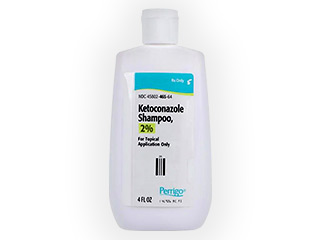
Nizoral Shampoo is an anti-fungal medicine used to treat certain scalp conditions caused by yeasts and fungi. It contains ketoconazole 2%, which helps reduce the underlying fungal activity on the scalp. This page explains what Nizoral Shampoo is, how it works, how to use it safely and effectively, and what to expect.
Quick product overview
| Feature | Details |
|---|---|
| Medicine | Nizoral Shampoo |
| Active ingredient | Ketoconazole 2% |
| Type | Topical antifungal for the scalp |
| Main use | Fungal skin/scalp conditions such as dandruff and seborrhoeic dermatitis |
| How it’s used | Applied to the scalp, left for a few minutes, then rinsed |
| Common dosing frequency | Often 2–3 times weekly initially (varies by condition) |
What is Nizoral Shampoo?
Nizoral Shampoo contains ketoconazole 2%, an antifungal medicine. It is designed for use on the scalp to treat conditions where an overgrowth of yeast (most commonly Malassezia species) may play a role. These conditions can cause symptoms such as flaking, itching, and redness.
The shampoo format is intended to:
- Deliver ketoconazole directly to the affected scalp areas
- Help reduce fungal activity that contributes to symptoms
- Support longer-term control with regular use where needed
How ketoconazole works (mechanism of action)
Ketoconazole is an antifungal that works by interfering with the production of important fungal cell components. Specifically, it helps block steps in the synthesis of ergosterol, a key part of fungal cell membranes. Without an intact membrane, fungal cells become less able to survive and multiply.
In scalp conditions such as seborrhoeic dermatitis and dandruff, ketoconazole can reduce the yeast activity on the scalp, which may lower inflammation and symptoms.
Pharmacokinetics (how the body handles the medicine)
Ketoconazole is primarily used topically in Nizoral Shampoo. For scalp application, the amount absorbed through the skin is generally low. This means systemic exposure is typically limited compared with oral medicines containing ketoconazole.
- Absorption: Low from the scalp when used as directed.
- Distribution: Any absorbed medicine is distributed through the body in small amounts.
- Metabolism and elimination: As with other forms of ketoconazole, absorbed drug is broken down and eliminated by the body, but clinically significant systemic effects are unlikely with appropriate topical use.
If you have broken or heavily inflamed skin, or if you use the product more frequently than recommended, absorption may increase. Follow the directions on the label and consider speaking to a pharmacist if you’re unsure.
What is Nizoral Shampoo used for? (indications)
Nizoral Shampoo (ketoconazole 2%) is commonly used to treat scalp conditions linked to fungal overgrowth, including:
- Dandruff (including flaking caused by seborrhoeic activity)
- Seborrhoeic dermatitis of the scalp (itching, redness, and greasy or dry flakes)
- Other suspected yeast-related scalp conditions when advised by a healthcare professional
Symptoms can improve within days, but full benefit often takes repeated use over several weeks. If your symptoms worsen or do not improve after the recommended course, seek advice.
When to take it: timing and schedule
Nizoral Shampoo is designed to be used during your usual hair-washing routine. Many people apply it:
- In the shower or at the sink when washing hair
- On a predictable schedule (e.g., 2–3 times weekly during the initial phase)
- Allowing it to stay on the scalp briefly before rinsing
Important: The “leave-on” time is a key part of effectiveness. Follow the instructions on the product label. If you have very short hair, ensure the shampoo still contacts the scalp well.
Dosing (how much and how often)
Dosing depends on the scalp condition and your response. Always follow the directions provided with your product. The typical approach is:
- Initial treatment (common for dandruff / seborrhoeic dermatitis): Use 2–3 times per week.
- Maintenance (to help prevent recurrence): Often once weekly or as needed based on symptoms.
If you miss a dose, apply it as soon as you remember, then continue your regular schedule. Do not use extra amounts to “catch up”.
How to use Nizoral Shampoo (practical, step-by-step tips)
- Wet your scalp thoroughly with water.
- Apply the shampoo to the scalp (and massage gently into areas that are flaky or itchy). Use enough to cover the affected areas.
- Leave it on for the time stated on the label (often a few minutes). This allows ketoconazole to work effectively.
- Rinse well with water.
- Repeat if needed (if your usual routine includes double shampooing, you may follow your normal approach, but ensure Nizoral gets adequate time on the scalp).
Tips for best results
- Massage the scalp gently to distribute the shampoo.
- Focus on the scalp, not just the hair.
- Consistency matters: fungal-related dandruff often improves with repeated use.
- Avoid eyes and broken skin. If it gets into your eyes, rinse with water thoroughly.
- Consider other hair products: avoid applying heavy styling products right after treatment if they worsen irritation for you.
If you are using other scalp treatments (for example, medicated lotions), ask a pharmacist for advice about whether to space them out.
Food interactions
Because Nizoral Shampoo is used on the scalp, dietary food interactions are not expected. Ketoconazole is delivered topically, and systemic absorption is typically low when used as directed.
However, if you’re using this product in combination with other medications, it’s still sensible to discuss any concerns with a pharmacist—especially if you have liver disease or take multiple medicines.
Alcohol and medicine interactions
Alcohol
For topical ketoconazole used in shampoo form, alcohol interactions are not expected in the same way as with oral ketoconazole. Still, if you have liver problems or are taking medicines that affect the liver, seek advice.
Other medicines
Ketoconazole from the shampoo is unlikely to cause significant systemic interactions. Nevertheless, medicine interactions can occur when:
- There is higher absorption due to frequent use or irritated/broken skin
- You are using other products containing antifungals or medicines that affect liver enzymes
- You have complex medical conditions
Practical approach: If you take medicines regularly (including tablets, creams, or supplements), inform your pharmacist. They can help you check interactions relevant to you.
Safety profile and side effects
Most people tolerate Nizoral Shampoo well when used correctly. Because it is applied to the skin and scalp, side effects are usually local (affecting the area of application).
Common side effects
- Scalp irritation (burning, stinging, or redness)
- Dryness or increased flaking at first (usually settles with continued use)
- Itching
- Hair texture changes (e.g., slight changes in feel or dryness) in some users
- Contact dermatitis or sensitivity reactions (less common)
Serious side effects (seek urgent advice)
Stop using the product and seek medical help urgently if you develop signs of a severe allergic reaction, such as:
- Swelling of the face, lips, tongue, or throat
- Difficulty breathing
- Widespread rash or severe blistering
When to get advice from a pharmacist or doctor
- Your scalp becomes very painful, swollen, or oozes
- You develop a worsening rash after using the shampoo
- No improvement after the recommended course
- Symptoms suggest a different condition (e.g., severe psoriasis, infection, or eczema)
Who should use caution?
While ketoconazole shampoo is widely used, consider extra caution if you:
- Have sensitive skin or a history of allergy to ingredients
- Have broken skin, open sores, or severe inflammation on the scalp
- Are using it alongside other medicated scalp products
- Are pregnant or breastfeeding (topical use is typically low absorption, but check with your pharmacist)
- Are treating a child—always follow product age guidance and seek advice if unclear
The product leaflet for your exact pack contains the full list of ingredients. If you have known sensitivities, check the leaflet before use.
Alternative options for dandruff and seborrhoeic dermatitis
If Nizoral Shampoo isn’t suitable or isn’t helping enough, there are other treatment options for dandruff and seborrhoeic dermatitis. Common alternatives include:
- Other antifungal shampoos (e.g., selenium sulfide or ciclopirox-based options)
- Kerato- regulating or anti-inflammatory shampoos (such as coal tar or salicylic-acid based products—availability varies)
- Barrier and soothing approaches (gentle scalp care, moisturising lotions for irritation, and avoiding harsh hair products)
If you have persistent symptoms, a pharmacist can suggest switching products or using a combination approach. Sometimes scalp conditions can look similar, and the “best” option depends on the cause.
UK market and legal context (what to expect in the United Kingdom)
Nizoral Shampoo is a well-known antifungal medicine available in the UK through pharmacies and online pharmacy services. In the UK, supply arrangements can vary by pack size and concentration, and medicines are categorised according to the UK regulatory framework.
When shopping online, choose a reputable UK-registered pharmacy. Look for:
- Correct labelling and patient information leaflet
- Clear product description (active ingredient, strength, and dosage form)
- Secure checkout and reliable delivery information
- Contact details for pharmacy support
Recent guidance note: For scalp conditions like dandruff and seborrhoeic dermatitis, UK advice and clinical practice commonly focus on using evidence-based topical treatments, maintaining hygiene, and reviewing diagnosis if symptoms don’t respond. Pharmacists often recommend continuing treatment for the full course and maintaining use if the condition tends to recur.
How soon should you feel better?
Many people notice improvement within 2–4 weeks of consistent use. Flaking and itch may ease earlier, but the scalp may take longer to fully settle.
If your symptoms have not improved after a reasonable trial (as described on the label or by your pharmacist), you may need a different treatment or a review of the diagnosis.
Delivery and availability in the UK
Nizoral Shampoo is commonly available through UK online pharmacies and in many physical pharmacies. Delivery times can vary depending on where you live and the service chosen at checkout.
- Availability: Often in stock; some packs may be subject to availability.
- Delivery options: Standard and express options may be offered.
- Packaging: Medicines are typically sent in manufacturer or pharmacy packaging suitable for retail.
- Check expiry: Reputable pharmacies will send items with acceptable shelf life.
If you need it urgently, select the fastest delivery option and check estimated dispatch times at checkout.
Storage and handling
- Keep out of sight and reach of children.
- Store at room temperature, following the label instructions.
- Keep the bottle tightly closed after use.
- Do not use after the expiry date on the pack.
FAQ — Nizoral Shampoo (Ketoconazole 2%)
1) Can I use Nizoral Shampoo every day?
It’s usually intended for regular but not daily use (often 2–3 times per week initially). Using it more frequently than recommended may increase the risk of scalp irritation. Follow the product label or pharmacist advice.
2) Will Nizoral Shampoo stain hair?
Nizoral Shampoo is not typically known for causing staining. If you have coloured or chemically treated hair, patch testing or careful rinsing is sensible. If you notice colour change or dryness, use a conditioner after rinsing (avoid getting conditioner on the scalp if it worsens dandruff for you).
3) How long should I leave it on my scalp?
Leave it on for the time specified in the instructions supplied with your pack. This “leave-on” period is important for effectiveness. Rinse thoroughly afterwards.
4) Is Nizoral Shampoo safe for children?
Use in children depends on product age guidance and clinical assessment. Check the leaflet for age restrictions. If unsure, speak to a pharmacist, especially for very young children or if the scalp is very inflamed.
5) Can I use it with conditioner or hair oils?
You can typically use conditioner after rinsing the shampoo. However, avoid applying oils or heavy products directly onto the scalp if they make your symptoms worse. If you’re unsure, ask a pharmacist.
6) What if it gets into my eyes?
Rinse the eyes gently with water for several minutes. Remove contact lenses if present and easy to do so. Seek medical advice if eye irritation persists.
7) What if I don’t see improvement?
Dandruff can improve with consistent use, but if you don’t notice improvement after the recommended course, stop and get advice. The cause of flaking may differ (for example, psoriasis or eczema), or you may need an alternative treatment strategy.
8) Can I use Nizoral Shampoo if I have an itchy scalp but no dandruff?
Ketoconazole shampoo is helpful when yeast contributes to symptoms, but itch can have many causes. If you have significant redness, thick scaling, or persistent symptoms, consult a pharmacist for guidance.
9) Is there any interaction with tablets I take?
Serious interactions are not expected with topical shampoo use due to low absorption, but it’s still wise to tell a pharmacist about your medicines—particularly if you have liver disease or take multiple treatments.
10) Is it okay to drink alcohol while using Nizoral Shampoo?
No specific alcohol interaction is expected with the shampoo. If you have liver problems or take medications that affect the liver, consult a pharmacist for personalised advice.
When to stop and seek medical help
Stop using Nizoral Shampoo and seek urgent advice if you experience signs of a severe allergic reaction (for example, swelling of the face or difficulty breathing). Contact a healthcare professional promptly if you have severe worsening, oozing, or symptoms that strongly suggest a different condition.
Disclaimer: This information is intended for patient guidance and does not replace the instructions in the patient leaflet supplied with your product. If you are unsure how to use Nizoral Shampoo or if symptoms persist, speak to a pharmacist or other qualified healthcare professional.