Betamethasone / Clotrimazole
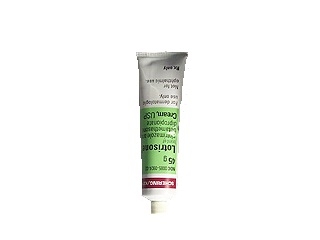
Betamethasone / Clotrimazole is a combination medicine used on the skin to treat certain inflammatory skin conditions that are also caused or complicated by a fungal (yeast/mould) infection. It combines a corticosteroid to calm inflammation and itching, with an antifungal medicine to treat the fungal infection.
This patient-friendly guide explains how the medicine works, what it is used for, how to apply it safely and effectively, what to expect, and when to seek medical advice. It also includes information relevant to the United Kingdom (UK), including availability and current regulatory practice.
Basic product information
- Common name: Betamethasone / Clotrimazole
- Active ingredients: Betamethasone (a corticosteroid) + Clotrimazole (an antifungal)
- Medicinal form: Usually supplied as a cream or ointment (check your specific product packaging for the exact form and strength)
- How it’s used: For skin use only
Different brands may contain slightly different strengths or formulations. Always read the leaflet or label supplied with your product and follow the dosing instructions provided for the specific pack you have.
How it works (mechanism of action)
Betamethasone and clotrimazole work in different ways to improve the condition:
- Betamethasone (corticosteroid): reduces inflammation by dampening immune responses in the skin. This helps to reduce redness, swelling, warmth, and itch.
- Clotrimazole (antifungal): targets fungal cells. It interferes with key processes in the fungus, leading to slowed growth and killing of the fungus. This helps resolve the underlying infection.
Because it is a combination, it is often used when an inflammatory rash and a fungal infection occur together—so the treatment can reduce symptoms quickly while also addressing the cause.
Typical use and where it may be applied
Betamethasone / clotrimazole is typically used for certain fungal skin conditions with significant inflammation. Common examples may include:
- Inflamed fungal rashes in the groin (tinea cruris)
- Fungal infection in the body with redness and itch (tinea corporis)
- Fungal involvement of skin folds where irritation and inflammation are prominent
Your product leaflet will specify the exact indications for your particular formulation. If you are unsure whether your rash is fungal, it’s important to avoid using steroid-containing products long term without correct diagnosis.
Indications (what it’s for)
In general, this combination may be indicated for people with suspected or confirmed superficial fungal infections accompanied by marked inflammatory symptoms.
It is not a general-purpose moisturiser and is not suitable for all rashes. It may be inappropriate for:
- Rashes that are clearly viral (for example, cold sores) or bacterial
- Acne, rosacea, or other non-fungal inflammatory skin conditions
- Conditions affecting the scalp or nails (which often require different treatment approaches)
- Wounds or broken skin where infection management is different
If your rash is widespread, painful, oozing, rapidly worsening, or you have fever, you should seek medical advice promptly.
How to use: dosing, timing, and duration
General dosing principles
The correct dose depends on your specific product strength and the condition being treated. As a general rule:
- Apply a thin layer to the affected area.
- Wash and dry your hands before and after application (unless your hands are the treatment site).
- Avoid applying to eyes, lips, or inside the mouth.
- Avoid use on broken skin unless your clinician advises otherwise.
Timing
Most regimens use application once or twice daily. Follow your product instructions exactly. For best results, try to apply at roughly the same times each day.
Duration (important safety point)
Combination steroid/antifungal products are generally used for a limited period. Prolonged use can increase the risk of steroid-related side effects, including skin thinning and other complications.
- If you do not see improvement within the timeframe stated on the leaflet, do not keep repeating indefinitely.
- If symptoms improve quickly, you may still need to complete the course as directed.
- If the rash worsens, spreads, becomes very painful, or changes appearance, stop and get advice.
Because product leaflets vary, check your pack for the exact recommended duration and frequency.
Pharmacokinetics (what happens in the body)
Pharmacokinetics describes how the body absorbs, distributes, metabolises, and eliminates a medicine. For topical products, these processes depend heavily on how much is absorbed through the skin and whether the skin barrier is intact.
Absorption
- Skin absorption is usually low when applied to healthy, intact skin.
- Absorption can be higher if applied to large areas, under occlusion (covered tightly), on broken skin, or in skin folds where irritation may increase permeability.
- Using more than recommended amounts can raise absorption and risk.
Distribution, metabolism, and elimination
- Any absorbed fraction is processed by normal body pathways (metabolism and elimination), but systemic exposure from typical topical use is generally limited.
- The corticosteroid component may have systemic effects if significant absorption occurs, which is why safe use limits and duration are important.
Your product leaflet may include more specific pharmacokinetic information. If you have concerns—particularly if you plan to use it on extensive areas, for a prolonged period, or in children—seek advice from a pharmacist.
Food interactions
Because Betamethasone / clotrimazole is applied to the skin, food interactions are not expected. However, always consider general health factors:
- If you are taking other medicines (including corticosteroids by mouth or inhaled corticosteroids), tell your healthcare professional.
- If you have diabetes or immune system conditions, fungal skin infections can be more persistent—get advice early.
Alcohol and medicine interactions
There are typically no direct interactions with alcohol for topical betamethasone/clotrimazole. Still, it’s good practice to consider how you manage the underlying condition:
- If you are using other medications on the same area (for example, other creams), avoid layering unless advised.
- If you are on systemic antifungals or corticosteroids, inform your pharmacist or clinician to ensure safe combined management.
- If you experience unusual irritation, worsening rash, or signs of allergy, stop the treatment and seek guidance.
While major interactions are not commonly expected, individual risks can vary. If you take any regular medicines or have a complex medical history, ask a pharmacist for tailored advice.
Safety profile: who should be careful
Common side effects
Like all medicines, Betamethasone / clotrimazole may cause side effects. Possible skin-related effects include:
- Temporary burning, stinging, or mild irritation
- Itching or redness at the application site
- Dryness or skin discomfort
If side effects are mild, they may settle. If they persist or worsen, stop treatment and seek advice.
Serious or urgent signs (seek medical advice)
- Allergic reaction such as swelling of the face/lips, severe rash, or difficulty breathing
- Worsening infection, rapid spread, severe pain, pus, or fever
- Skin thinning, prominent visible veins, or marked worsening of the rash (especially with overuse)
Special caution groups
Extra caution may be needed if you:
- Are using the medicine on large areas
- Apply under occlusion (tight dressings or sealed coverings)
- Apply to skin folds or areas prone to irritation
- Plan to use it for longer than recommended
- Are pregnant, breastfeeding, or treating children (seek professional advice)
- Have a history of sensitivity to corticosteroids or antifungals
Corticosteroids can affect skin structure when used inappropriately or for extended periods, which is why correct diagnosis and recommended duration matter.
Practical use tips for best results
- Clean and dry the area before applying. Moist environments can make fungal infections harder to clear.
- Apply to the full rash and a small surrounding margin if advised by your leaflet, to reduce recurrence.
- Do not share towels and keep personal items separate (especially in households).
- Keep skin cool and dry, particularly in groin and skin fold areas.
- Wear breathable underwear/clothing and change if you sweat.
- Avoid occlusion (unless specifically instructed). Tight coverings can increase absorption and irritation.
- If you use other products (moisturisers, barrier creams, emollients), try to space application and avoid mixing multiple medicated layers unless advised.
- Complete the course as directed, even if symptoms settle early.
If the condition returns quickly, it may indicate incomplete treatment, reinfection, or that the diagnosis is different. Fungal skin infections can also coexist with other issues such as eczema; a pharmacist can help you choose the most appropriate next step.
Alternative options
Alternatives depend on whether the cause is fungal alone, inflammatory non-fungal dermatitis, or a mixed picture. Options may include:
Antifungal-only treatments
- Topical azole antifungals (for example, clotrimazole alone as a dedicated antifungal cream)
- Other antifungals such as allylamines or different imidazole/azole agents (varies by product availability)
Anti-inflammatory treatments without an antifungal
- Low-strength topical corticosteroids for inflammatory flares—only when fungal infection is not present or has been ruled out.
Non-medicine supports
- Improved hygiene and drying of the affected area
- Managing sweating and friction
- Treating associated issues such as athlete’s foot (a common source of reinfection)
If you’re unsure whether your rash is fungal, it may be safer to confirm with appropriate assessment before using a steroid-containing combination product.
Market and legal context in the United Kingdom
In the UK, topical medicines are made available as either pharmacy (P) / general sales (GSL) / prescription-only products depending on their formulation, strength, and intended use. Availability can also vary by brand and pack size.
UK product safety and labelling are governed by the medicines regulatory framework. Medicines must carry clear instructions including warnings relevant to topical corticosteroid use—such as avoiding long-term use and avoiding application to certain areas without advice.
Always follow the instructions on your specific pack and consult a healthcare professional if you are unsure about suitability, particularly for children, pregnancy, breastfeeding, or extensive use.
Recent guidance and practical trends
- UK clinical practice generally encourages appropriate diagnosis for rashes. Because corticosteroids can mask or worsen some infections, clinicians often recommend using antifungal therapy correctly and limiting steroid exposure.
- Pharmacists frequently advise using combination creams for short, targeted courses and reviewing if there is no improvement.
Delivery and availability (UK online pharmacy)
Betamethasone / clotrimazole may be available from UK pharmacies online, subject to the exact product formulation and regulatory classification. Typical ordering considerations include:
- Stock availability: Some brands may be stocked more reliably than others.
- Pack size: Choose the size that matches your intended course as described on the leaflet.
- Dispatch times: Orders are usually dispatched on working days, with delivery options at checkout.
After ordering, you should receive a confirmation email and tracking information (where available). If you require delivery to a specific address type (for example, a clinic or workplace), check the courier requirements at checkout.
If you need this medicine urgently, consider checking estimated delivery times before you pay.
FAQ
1) What is Betamethasone / Clotrimazole used for?
It is used on the skin for certain fungal rashes that also show significant inflammation such as redness and itching. The antifungal component treats the fungus, while the corticosteroid component reduces inflammation.
2) How quickly should I see improvement?
Many people notice reduced itch and redness within a few days, but complete clearing can take longer. If there is no improvement within the timeframe on your leaflet, or if symptoms worsen, seek advice.
3) Can I use it on my face?
You should be cautious. Steroid-containing products are often not suitable for facial use without medical advice. Check your product leaflet for approved areas. If unsure, ask a pharmacist before applying to the face.
4) Can I cover the treated area with bandages or dressings?
Avoid tight or sealed coverings (occlusion) unless your clinician specifically instructs you to. Occlusion can increase absorption and the risk of side effects.
5) Is it safe to use in children?
Children can be more sensitive to topical corticosteroids. Use in children should follow the leaflet and professional guidance. If the leaflet does not specify use in children, speak to a pharmacist.
6) What if the rash comes back?
Recurrence may indicate reinfection (for example, from athlete’s foot), incomplete treatment, or an incorrect diagnosis. Consider:
- Treating any associated fungal areas (if present)
- Keeping the area dry and reducing friction/sweating
- Seeking assessment if it repeatedly returns
7) Can I use moisturiser alongside it?
Often you can use moisturisers, but avoid mixing medicated layers in a way that dilutes treatment. A practical approach is to apply the antifungal/corticosteroid cream first, let it absorb, and then apply non-medicated moisturiser later—if the leaflet supports this.
8) Does it interact with other medicines?
Significant interactions are not commonly expected with topical use. However, tell your pharmacist about any medicines you take, especially other corticosteroids or antifungals, and avoid applying multiple medicated products to the same area unless advised.
9) What should I do if I accidentally swallow some?
If a small amount is swallowed accidentally, contact a healthcare professional for advice. If ingestion is significant or the person is unwell, seek urgent medical help.
10) How should I store it?
Store at room temperature and keep the container tightly closed. Keep out of the sight and reach of children. Follow the storage instructions on the pack.
Summary
Betamethasone / clotrimazole combines anti-inflammatory and antifungal actions to treat certain inflamed fungal skin conditions. For best results, apply a thin layer to the affected area using the leaflet’s directions on frequency and duration. If symptoms do not improve or if the rash worsens, get advice promptly—especially because steroid-containing products should not be used indefinitely.