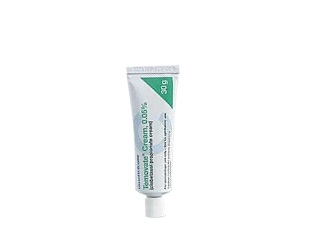
Temovate (Clobetasol) — Patient-Friendly Medicine Guide (UK)
Temovate is a strong topical corticosteroid medicine (the active ingredient is clobetasol propionate) used to treat certain inflammatory skin conditions. This guide explains what Temovate is, how it works, how it is commonly used, and important safety information for people in the United Kingdom.
Always follow the advice given by your healthcare professional and the instructions on the medicine label or patient information leaflet. If you have any doubts about your skin condition or how to use your medicine, seek advice from a pharmacist or clinician.
1) Basic product information
| Feature | Details |
|---|---|
| Brand name | Temovate |
| Active ingredient | Clobetasol propionate |
| Medicine type | Highly potent topical corticosteroid |
| Typical forms | Cream, ointment (availability can vary by pharmacy) |
| Common skin targets | Inflammatory, itchy, red skin conditions that respond to corticosteroids |
| Where it is applied | On the skin only (topical use) |
Temovate is intended for short-term use on appropriate skin conditions. Because it is a very strong steroid, it is not suitable for routine long-term treatment of mild eczema or general “skin irritation” without a clear diagnosis.
2) How Temovate works (mechanism of action)
Clobetasol is a corticosteroid. When applied to the skin, it reduces inflammation and calms the immune response in the affected area. In practice, this helps to:
- Reduce redness and swelling
- Relieve itching
- Soften and settle raised or inflamed skin
- Improve the overall appearance of flare-ups
The effect is usually noticeable within a few days for many people, but the duration and pattern of use should be guided by your clinician and the severity of the condition.
3) Pharmacokinetics (what happens in the body)
As a topical medicine, Temovate primarily works locally in the skin. However, some clobetasol can be absorbed through the skin into the bloodstream, especially if:
- The area treated is large
- The skin is damaged or inflamed
- It is used under occlusion (covered with non-breathing dressings)
- It is used for longer than recommended
- It is applied to folds or areas with thin skin
Once absorbed, clobetasol is metabolised mainly in the liver and eliminated via the kidneys. Because absorption can vary, safe use focuses on using the lowest effective amount and the shortest feasible duration.
Using Temovate incorrectly can increase the risk of side effects related to corticosteroid absorption.
4) Typical uses and indications (what it treats)
Temovate is used for inflammatory skin disorders that are responsive to potent topical corticosteroids. Common indications may include:
- Severe eczema (including flare-ups that require a potent steroid)
- Dermatitis where inflammation is prominent and diagnosis supports steroid responsiveness
- Psoriasis in selected cases (often for limited areas and when directed)
- Other inflammatory, steroid-responsive conditions as determined by a healthcare professional
Important: not every rash is suitable for treatment with a potent steroid. Some infections (for example, fungal or viral skin infections) can worsen when treated with corticosteroids alone.
Do not use Temovate on suspected infections such as untreated fungal (e.g., ringworm), bacterial, or viral skin conditions (e.g., cold sores), unless a clinician has confirmed it is appropriate.
5) When to apply (timing and frequency)
Timing can vary depending on your diagnosis and severity, but typical guidance for potent topical steroids is to:
- Apply once or twice daily to the affected skin area (often once daily in milder schedules and twice daily in more severe flares—follow your instructions).
- Use for a limited period and reassess if there is no improvement.
- Continue only as long as needed to control symptoms, then stop or step down to a safer option if appropriate.
In many treatment plans, it is common to improve symptoms quickly, after which you may switch to a less potent steroid or stop, depending on the condition and clinician advice.
6) Dosing: how much to use and for how long
Correct dosing depends on the size of the area and the condition being treated. A common practical method for topical dosing is the fingertip unit:
- A fingertip unit is the amount of cream/ointment squeezed from the fingertip to the first crease.
- It is often used to estimate dosage for different body areas.
- Your pharmacist or clinician can help translate this into an exact amount for your body area.
Because Temovate is a very potent steroid, avoid applying large amounts and do not apply more often than recommended. If you are uncertain, ask a healthcare professional for personalised guidance.
Practical reminder: potent topical steroids are typically used in short courses. If symptoms persist or worsen, stop and seek advice rather than repeatedly increasing the dose.
7) Food interactions
Temovate is a topical medicine. It is not expected to have direct interactions with food because the medication is applied to the skin. However, general health factors matter:
- Maintain good overall nutrition and hydration, especially if your skin is inflamed.
- If you are using other medications, follow their instructions regarding meals and timing.
If you are taking other medicines and you are concerned about interactions, speak to a pharmacist.
8) Alcohol and medicine interactions
Alcohol
There are no well-known direct interactions between topical clobetasol and alcohol. However, alcohol can worsen some inflammatory skin conditions in certain individuals and may affect overall skin health.
Other medicines
Topical clobetasol has limited systemic absorption when used appropriately, so interactions are less common than with oral steroids. Still, it is important to consider:
- If you use other topical products on the same area (e.g., moisturisers, antiseptics, other steroids, or moisturising ointments), ask how to combine them.
- If you are taking medications that affect immunity or hormone balance, seek advice if you plan prolonged or extensive use.
- Tell a healthcare professional about all medicines and skin treatments you use.
If you develop unexpected side effects or your condition does not improve, get medical advice promptly.
9) Safety profile and side effects
Most people tolerate Temovate well when used correctly for the right duration. Because clobetasol is highly potent, side effects are more likely if used too long, too frequently, on large areas, or under occlusion.
Common local side effects
- Burning or stinging sensation at the application site
- Itching or irritation
- Dryness or skin discomfort
Less common but important risks (particularly with prolonged or excessive use)
- Skin thinning (atrophy)
- Visible blood vessels (telangiectasia)
- Stretch marks (striae)
- Changes in skin pigmentation
- Worsening of an existing infection if present but not treated
- Rebound flare when stopping after prolonged use
Systemic effects (rare when used as directed)
In rare cases, especially with high absorption (large areas, occlusion, damaged skin, or long duration), topical steroids can cause effects related to the body’s steroid hormone systems.
Seek urgent advice if you suspect serious side effects, for example unusual fatigue, severe skin reactions, or signs of infection spreading.
Who should be extra careful
- Children (higher risk of absorption compared with adults)
- Pregnancy or breastfeeding (use only if advised)
- People with thin skin areas such as face, eyelids, genitals
- Anyone with diabetes or poor wound healing (skin infections may be more problematic)
If you are using Temovate on sensitive areas, or if you are treating a child, it’s especially important to follow clinician instructions precisely.
10) Practical tips for using Temovate safely and effectively
- Clean and dry the area first: apply to clean, dry skin unless your clinician told you otherwise.
- Apply a thin layer: more medicine is not necessarily better—use the amount recommended.
- Wash your hands after application: unless you are treating the hands themselves.
- Avoid the eyes and lips: clobetasol can be irritating to mucous membranes.
- Do not use on broken or oozing infected skin unless advised by a clinician.
- Do not cover with occlusive dressings (airless coverings) unless specifically instructed.
- Moisturise alongside treatment: emollients can improve comfort and support skin barrier recovery. Typically, apply moisturiser regularly and allow some time before applying Temovate (ask your pharmacist for timing suggestions).
- Review if not improving: if there is no clear improvement after a short course, stop and seek advice.
Tip: keeping the skin barrier healthy (regular emollients, avoiding irritants, gentle skin care) can reduce the frequency of flares and the need for potent steroids.
11) Alternative options (what else may be used)
Depending on your skin condition, severity, and location, clinicians may use one or more of the following:
- Less potent topical corticosteroids (often preferred for milder disease or maintenance).
- Emollients (moisturisers) as a core daily treatment for eczema and dry, inflamed skin.
- Topical calcineurin inhibitors (non-steroid anti-inflammatory medicines) for certain areas or long-term plans, particularly where steroid side effects are a concern.
- Antimicrobial or antifungal treatments if infection is identified or suspected.
- Phototherapy or systemic treatments for moderate to severe disease when topical therapy is insufficient.
The best alternative depends on your diagnosis. If you are frequently needing a very potent steroid, discuss a long-term plan with your pharmacist or prescriber.
12) Market and legal context in the UK
In the United Kingdom, Temovate (clobetasol propionate) is regulated as a medicine and is supplied through appropriate channels in line with UK healthcare and pharmacy requirements. Potent topical steroids are subject to guidance to help ensure safe use.
Availability can vary by formulation and strength. Your local pharmacy may stock certain sizes or forms, and online availability can depend on supply.
If you are unsure whether Temovate is suitable for your situation, consult a pharmacist—especially if you have a rash of unclear cause.
Recent guidance (UK-facing principles)
UK clinical practice commonly emphasises:
- Short courses of potent steroids to control flares
- Stepping down to lower potency or alternative therapies once controlled
- Ongoing skin care with emollients and trigger management to reduce relapse
- Careful consideration for children and treatment of sensitive areas
- Checking for possible infection when symptoms do not behave as expected
13) Delivery and availability (online pharmacy information)
Temovate may be available in different pack sizes depending on the formulation (e.g., cream or ointment). Delivery options and dispatch times can vary by online pharmacy and by local stock levels.
- Stock status: some pharmacies may show “in stock” items immediately, while others may require supplier replenishment.
- Packaging: medicines are typically shipped in protective outer packaging to reduce damage.
- Storage: store as directed on the pack, usually at room temperature away from heat and direct sunlight.
For the most up-to-date delivery estimates and availability in your area, check the product listing details on the website you are using.
14) Frequently asked questions (FAQ)
Is Temovate for everyday use?
Temovate is generally intended for flares or more severe inflammatory skin conditions and is typically used for a limited period. For everyday management, emollients and/or less potent treatments are often preferred.
How quickly should I see improvement?
Many people notice improvement within a few days. If there is little or no improvement after a short course, or if symptoms worsen, stop and seek advice rather than continuing or increasing the dose.
Can I use Temovate on my face?
Potent steroids require extra caution on the face due to the risk of skin thinning and other side effects. Use on the face only if advised by a healthcare professional and for the recommended duration.
Can I use Temovate on my eyelids?
The eyelid area is sensitive. Temovate should only be used there if specifically recommended by a clinician. Avoid getting it into the eyes.
What should I do if I miss a dose?
Apply it when you remember unless it is nearly time for your next dose. Do not apply double the amount to make up for a missed application. Follow the schedule you were advised.
Can Temovate be used with moisturisers?
Usually yes. Emollients are helpful, especially for eczema. If you apply both, moisturiser is often used regularly and Temovate applied separately to the affected areas. Your pharmacist can advise the best routine for you.
Can I cover the treated area with a bandage?
Do not use occlusive coverings unless you were instructed to do so. Occlusion can increase absorption and the risk of side effects. If you need protection for the area, use breathable coverings and seek advice if unsure.
Is it safe to use Temovate during pregnancy or while breastfeeding?
Safety depends on the individual situation, the area treated, and duration. If you are pregnant, trying to conceive, or breastfeeding, discuss use with a healthcare professional before using Temovate.
Can I use Temovate if my skin looks infected?
If you have signs of infection (e.g., increasing pain, spreading redness, pus, honey-coloured crusts, or fever), seek medical advice. Some infections can worsen with corticosteroids alone.
What should I do if I get side effects?
Stop using Temovate and contact a healthcare professional if you experience significant irritation, an allergic-type reaction, or signs of infection. For mild, temporary stinging, continue only if your clinician has advised it and symptoms settle.
Are there different forms of Temovate?
Temovate is available as topical formulations such as cream and ointment. Creams and ointments may feel different on the skin and can be chosen based on the condition and preference.
15) Summary
Temovate (clobetasol propionate) is a highly potent topical corticosteroid used for certain severe inflammatory skin conditions in the UK. It works by reducing inflammation and helping relieve itch and redness. Because it is very strong, use it carefully—apply a thin layer to affected areas only, avoid occlusion unless told, and use the shortest period needed to control symptoms.
If you’re not sure whether your rash is suitable for steroid treatment, or if symptoms do not improve, consult a pharmacist or clinician.