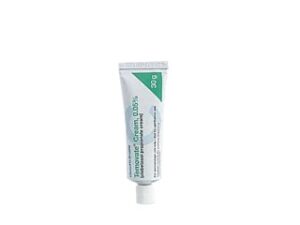
Oxsoralen (Methoxsalen) – Patient Information (UK)
Oxsoralen contains methoxsalen, a medicine used to treat certain skin conditions by making the skin more responsive to ultraviolet (UV) light. When used together with prescribed phototherapy, methoxsalen can help slow abnormal cell growth and reduce symptoms such as thickened, inflamed skin.
This page explains what Oxsoralen is used for, how it works, how it is taken, what to expect, and key safety information for adults and children where relevant. It also covers interactions, practical tips, and UK availability.
Quick product overview
| Category | Details |
|---|---|
| Medicine name | Oxsoralen (methoxsalen) |
| How it works | Photosensitiser (activates skin’s response to UVA light) |
| Typical use with | UVA phototherapy (commonly PUVA in specialist settings) |
| Form | Oral tablets (strength may vary by product) |
| Common conditions | Psoriasis (selected cases), cutaneous T-cell lymphoma (specialist use) |
| Key safety points | Increased sensitivity to sunlight/UV, eye protection required, skin cancer risk with long-term exposure |
What is Oxsoralen?
Oxsoralen is an oral photosensitising medicine. By itself, it doesn’t treat skin disease. Its main role is to prepare the skin to respond to UVA light during a structured treatment programme.
In many clinical settings, methoxsalen is used in combination with a UVA source, often referred to as PUVA (Psoralen plus UVA). The exact approach and schedule are determined by a clinician or phototherapy service based on the diagnosis, skin type, and response.
How it works (mechanism of action)
Methoxsalen belongs to a group of medicines called psoralens. It works in two linked steps:
- Absorption of UV-A light: After you take Oxsoralen, methoxsalen settles in skin cells.
- DNA “cross-linking”: When UVA light is applied, methoxsalen becomes activated and binds to DNA, forming cross-links that interfere with how cells replicate.
The result is a reduction in the activity of rapidly dividing or abnormal skin cells and a calming effect on inflammatory processes. This can improve symptoms in selected skin conditions when used as part of phototherapy.
Pharmacokinetics (how the body handles methoxsalen)
Understanding the timing of doses and UVA exposure is important because the medicine only sensitises the skin for a limited period.
- Absorption: Methoxsalen is absorbed from the gastrointestinal tract after oral dosing.
- Onset: Photosensitisation typically occurs within a relatively short period after dosing, which is why timing with UVA is specified by treatment protocols.
- Distribution: Methoxsalen distributes into tissues, including the skin.
- Metabolism: The liver metabolises methoxsalen.
- Elimination: Metabolites are removed primarily through the kidneys and to a lesser extent via other routes. Effects on skin photosensitivity gradually decline as the medicine is cleared.
Practical implication: Because photosensitivity persists for some hours after taking Oxsoralen, patients must avoid additional UV exposure (including sunlight) for a period after each dose.
Typical uses and indications (UK practice)
Oxsoralen is used in specialist dermatology settings where photochemotherapy is appropriate. Common indications include:
- Psoriasis: Often in moderate-to-severe cases not responding adequately to other treatments.
- Cutaneous T-cell lymphoma (CTCL): In selected patients as part of phototherapy regimens, under specialist care.
- Other skin conditions: Sometimes used in particular protocols as advised by specialists; availability and suitability depend on diagnosis and local guidance.
Only a clinician can confirm whether methoxsalen + UVA is suitable for you.
Dosing and timing (what to expect)
Dosing is individualised. The correct dose depends on factors such as body size, skin type, and the planned UVA dose. Treatment schedules may vary between clinics and over time based on response and side effects.
Timing with UVA
In PUVA-type treatments, Oxsoralen is taken so that UVA is delivered during the window when photosensitisation is highest. Clinics usually provide a specific timetable (for example, on the same day as UVA exposure) to optimise effectiveness and minimise risks.
How dosing is usually approached
- Starting dose: Often begins with a conservative range and is adjusted.
- UVA dose escalation: Phototherapy doses may be increased gradually while monitoring skin tolerance.
- Assessment over time: The regimen can be modified based on clearing of lesions, skin irritation, and tolerability.
Important: Do not adjust your dose or the timing of UVA exposure without guidance from your treatment team. Taking tablets at the wrong time relative to UVA may reduce benefit and increase the risk of harm from excess photosensitivity.
How to take Oxsoralen (practical use tips)
General practical tips can help you get the most from treatment while reducing unnecessary risk:
- Follow the clinic timetable: Take Oxsoralen exactly as instructed on your treatment schedule.
- Use eye protection: UVA can affect the eyes. Many protocols require UVA-blocking sunglasses at the time of UVA exposure and for a period afterward—your clinic will specify the duration.
- Protect skin from extra UV: Avoid sunlight, sunbeds, and other UV sources during the period of photosensitivity.
- Plan for warmth and dryness: Some people experience skin redness or sensitivity. Using gentle moisturisers can help with dryness.
- Keep notes: Track symptom changes, redness, itch, and any new side effects to help the clinic adjust treatment.
If you are unsure about timing, ask your clinic or pharmacist to explain the schedule for your specific regimen.
What to avoid: sunlight and UV exposure
Because methoxsalen makes skin more sensitive to UVA, you must avoid additional UV exposure before, during, and after doses. This includes:
- Direct sunlight (especially midday sun)
- Sunbeds and tanning lamps
- UV-containing treatments not specifically part of your prescribed programme
Clothing and protection: Wear tightly woven clothing, a hat, and use broad-spectrum UV protection when you must go outdoors. The exact “duration of avoidance” after each dose is typically described by your treatment team—follow their instructions closely.
Food interactions (what you should know)
Food can influence how quickly medicines are absorbed and therefore can affect timing relative to UVA exposure. In photochemotherapy regimens, timing matters.
- Consistency is key: Try to take Oxsoralen in a consistent way (e.g., similar time relative to meals) as advised in your regimen.
- Clinics may specify “with food” or “on an empty stomach”: Follow the advice given by your prescriber or phototherapy service.
Practical approach: If your clinic expects a particular absorption profile, changes in meal timing could shift the photosensitivity peak. Let your treatment team know if you are unable to follow the usual eating pattern.
Alcohol interactions
There is no universally established “dangerous” interaction between methoxsalen and alcohol for all patients. However, alcohol can affect your overall health and may:
- Increase the chance of dehydration (which may worsen skin irritation).
- Potentially worsen side effects like dizziness or nausea in some individuals.
Recommendation: Keep alcohol intake modest and avoid binge drinking during treatment. If you notice increased nausea, dizziness, or worsening skin reactions after alcohol, discuss this with your clinic.
Interactions with other medicines
Some medicines can change how methoxsalen is processed in the body or can influence sensitivity to light. Always tell your clinician and pharmacist about all medicines you take, including over-the-counter products and herbal remedies.
Medicines that may increase photosensitivity
- Some antibiotics and antifungals known to cause photosensitivity (varies by specific drug)
- Retinoids and some acne or skin medications (depending on the product)
- Some diuretics and other agents that can make the skin more light-sensitive
Medicines affecting liver enzymes
Methoxsalen is metabolised in the liver. Drugs that strongly affect liver enzymes may change methoxsalen levels, potentially altering effectiveness or the duration of photosensitivity.
General interaction safety checklist
- Confirm with your pharmacist whether any of your current medicines are known to interact or cause light sensitivity.
- Do not start new medications (including herbal products) without checking.
- If you stop a medicine, inform the clinic because the regimen may need adjustment.
If you have complex medication lists: ask for a structured interaction check before starting or changing phototherapy.
Safety profile and side effects
Like all medicines, Oxsoralen can cause side effects. Some are related to skin and eye photosensitivity, while others may be general.
Common side effects
- Skin redness (erythema) and irritation
- Itchiness or dryness
- Nausea (especially around the dosing period)
- Headache or dizziness in some people
Less common but important effects
- Burning or blistering if UVA exposure is too high or if extra sun is received
- Eye irritation or damage risk if eye protection is not used
- Changes in skin colour (hyperpigmentation or hypopigmentation)
Long-term risks
Because PUVA involves repeated UVA exposure, there is an increased long-term risk of:
- Skin cancer (particularly with prolonged cumulative exposure)
- Other skin changes associated with long-term UV exposure
Clinics typically implement monitoring strategies. Attend all follow-up appointments and report new or changing skin growths, persistent sores, or unusual marks.
When to seek urgent help
Contact medical help urgently if you experience:
- Severe eye pain, reduced vision, or persistent light sensitivity
- Severe blistering/burning reactions
- Signs of a serious allergic reaction (e.g., swelling of face/lips, difficulty breathing)
Contraindications and who must be extra careful
Suitability varies by individual and local protocol. Common situations that may require extra caution or alternative treatment include:
- Eye disease affecting the retina or lens (your clinician may assess for suitability and require strict eye protection)
- Liver impairment or conditions affecting metabolism
- History of significant light-sensitive reactions
- Taking medicines known to cause photosensitivity or strong interactions
If you have any significant medical conditions, discuss them before starting therapy.
Recent UK guidance and how care is typically managed
In the UK, photochemotherapy for psoriasis and CTCL is delivered by specialist dermatology services. Clinical practice typically includes:
- Baseline assessment of skin condition and risk factors
- Phototherapy dosing protocols that adjust UVA and methoxsalen exposure over time
- Patient education focused on eye protection and sun/UV avoidance
- Ongoing monitoring for treatment response and skin changes during and after a course
Guidelines can be updated as new evidence emerges and treatment recommendations evolve. Your dermatology clinic will follow the most current standards for your condition and treatment setting.
Alternative options (if methoxsalen + UVA isn’t suitable)
Alternative treatments depend on your diagnosis, severity, and past therapy history. Options may include:
- Topical therapies (e.g., corticosteroids, vitamin D analogues, emollients)
- Other phototherapy approaches (e.g., narrowband UVB where appropriate)
- Systemic medications for psoriasis or CTCL (chosen by specialists based on overall health and risk)
- Biologic treatments in eligible psoriasis cases
A specialist can help compare benefits and risks, including sun sensitivity burden and long-term monitoring requirements.
Delivery and availability in the UK
Availability of Oxsoralen can vary by supplier and local demand. Online pharmacy listings may reflect stock from partner distributors. Delivery options generally include:
- Standard delivery (typically 2–5 working days, depending on location and courier)
- Express delivery (where offered)
- Tracking for dispatched orders
Packaging and storage: Store tablets as stated on the outer carton. Keep out of sight and reach of children.
Delivery times may be affected during public holidays or periods of high demand. Check the listing for the latest dispatch information.
Practical checklist before each dose
- Confirm you have the correct tablet strength and number of tablets for your prescribed regimen.
- Follow the clinic’s timetable for when to take the tablets and when UVA is applied.
- Plan eye protection before going to phototherapy.
- Dress to minimise sun exposure (hat, tightly woven clothing).
- Avoid sun/UV sources on the same day and during the period your clinic advises.
- Have a moisturiser available if your skin becomes dry or irritated.
FAQ about Oxsoralen (Methoxsalen)
1) Why do I need UVA light with Oxsoralen?
Oxsoralen is a photosensitiser. It makes your skin more responsive to UVA light. The UVA is what activates methoxsalen and enables the medicine to affect skin cells.
2) How long after taking Oxsoralen will I be sensitive to sunlight?
Photosensitivity can last for several hours after each dose, and sometimes longer depending on dose and individual factors. Your clinic will give a specific time window. Follow it exactly to reduce burning and eye risk.
3) Can I use sun cream?
Sun creams can reduce UV exposure, but they may not fully protect against the UVA component relevant to methoxsalen. Use sun protection as a supplement to strict avoidance and protective clothing, and follow your clinic’s instructions.
4) What eye protection do I need?
Many PUVA regimens require UVA-blocking sunglasses during and after dosing to protect the eyes. Your treatment team will specify what to use and for how long.
5) Will I feel unwell after taking Oxsoralen?
Some people experience nausea, headache, or dizziness. Taking the tablet in the manner advised (including whether to take with food) can help. If side effects are persistent or severe, contact your clinic.
6) Can I drive to my appointments?
In many cases, you can drive if you feel well. However, if you experience dizziness or blurred vision after taking Oxsoralen—especially around the time of treatment—do not drive and seek advice.
7) What if I miss a scheduled dose?
Do not try to “catch up” without advice. Contact your phototherapy service or clinic to discuss what to do next.
8) Is it safe long term?
Long-term use can increase skin cancer risk because of repeated UVA exposure. This is why clinics monitor cumulative exposure and review ongoing need. Attend all follow-ups and report any suspicious skin changes promptly.
9) Can I take other medicines while on Oxsoralen?
Many medicines are compatible, but some can increase photosensitivity or interact with methoxsalen metabolism. Always provide your full medicine list to your pharmacist or clinic for interaction checking.
10) Are there alternatives to PUVA?
Depending on the condition, alternatives may include narrowband UVB, topical treatments, systemic therapies, or biologic medicines. Your specialist can advise based on your case.
Summary
Oxsoralen (methoxsalen) is used with UVA phototherapy to treat certain skin conditions such as psoriasis and cutaneous T-cell lymphoma in specialist settings. It works by enhancing UVA’s effect on DNA in skin cells. Because it can cause significant photosensitivity, strict protection from sunlight and UVA exposure—plus careful eye protection—is essential. Long-term monitoring is important due to cumulative UVA exposure risks.
If you have questions about your treatment schedule, timing, or how to avoid extra UV exposure safely, speak to your phototherapy service or pharmacist.