Imiquimod (Cream) – Patient Information (United Kingdom)
Imiquimod is a medicine used on the skin to treat certain conditions where the body’s immune response in the skin can help. It comes as a cream and is applied to affected areas for a planned course of treatment. This guide explains what imiquimod is, how it works, how it is used, what to expect, and important safety and practical tips.
Quick facts
- Medicine: Imiquimod (topical cream)
- What it does: Helps stimulate local immune responses in the skin
- Common uses: Certain viral skin conditions and early skin lesions (as outlined below)
- Typical form: Cream applied directly to the skin
- Common approach: Several applications per week for a set number of weeks
Basic product information
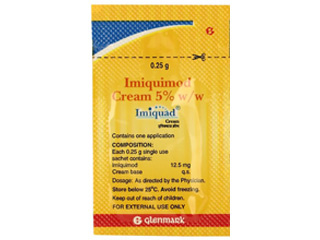
Imiquimod is a topical immunomodulator. In the UK, it is available in different strengths depending on the condition being treated (for example, creams such as 5% imiquimod are commonly referenced for approved indications). Availability can vary by product and market classification.
Always check the strength on the packaging and follow the instructions provided with your specific product and the guidance relevant to your condition.
How imiquimod works (mechanism of action)
Imiquimod works by activating immune responses in the skin. After applying the cream to the affected area, it signals the local immune system. This leads to the release of immune signalling molecules (cytokines) and a stronger immune attack against the targeted abnormal cells or viral activity.
Key points about the mechanism:
- It stimulates immune pathways in the skin (including interferon and other cytokine-related activity).
- It helps the body recognise and respond to abnormal or infected tissue.
- It can cause local skin reactions as the immune response ramps up.
Pharmacokinetics (what happens to the medicine in the body)
When applied to the skin, only a small amount of imiquimod is generally absorbed into the bloodstream. Most of the action is local to the treatment area.
In broad terms:
- Absorption: Limited systemic absorption through intact skin; absorption may increase with damaged or inflamed skin.
- Distribution: Any absorbed portion may distribute throughout the body at low levels.
- Metabolism and elimination: Imiquimod is metabolised and the by-products are eliminated from the body.
- Monitoring: For most patients, routine blood monitoring is not required because systemic levels are typically low.
If you experience unusually severe or spreading reactions, or symptoms that feel systemic (for example, persistent fever or severe illness), contact a healthcare professional promptly.
Typical use in the UK (indications)
Imiquimod is used for specific skin conditions where an immune-stimulating approach is appropriate. Approved indications may vary by strength and local regulatory status. Commonly described uses in clinical practice include:
- Genital warts: Treatment of external genital and perianal warts in adults.
- Actinic keratosis: Treatment of certain pre-cancerous skin lesions caused by sun exposure.
- Superficial basal cell carcinoma (selected cases): In some countries/strengths, imiquimod is used for superficial basal cell carcinoma when surgery is not suitable (use depends on regulatory approval and clinical eligibility).
Check your product leaflet for the exact indication and the correct strength and schedule for your condition.
How to use imiquimod: timing and application
General timing
Imiquimod is usually applied at night because it is typically left on the skin for a set period before washing off. Many regimens involve applying it a few times per week (for example, multiple nights per week), depending on the condition and product strength.
Practical application steps
- Wash your hands before and after applying.
- Clean and dry the affected area gently.
- Apply a thin layer of cream to the affected skin only (avoid unnecessary spreading onto surrounding healthy skin unless instructed).
- Leave it on for the recommended duration (commonly around 6–10 hours; follow your product instructions).
- After the recommended time, wash the area with mild soap and water.
Typical schedules (examples)
Schedules vary by condition and strength. The examples below illustrate how imiquimod is commonly used, but you must follow your specific directions:
- Genital warts: Often applied several times per week for a limited number of weeks.
- Actinic keratosis: Often applied several times per week for a longer course, depending on response.
- Superficial basal cell carcinoma: Often applied in a structured programme for a defined number of weeks.
Do not apply more often than instructed. Using extra amounts or changing the schedule can increase irritation without improving outcomes.
Food interactions
Imiquimod is a topical cream. Because systemic absorption is generally low, direct food interactions are not expected. There is no commonly recognised need to adjust diet due to imiquimod.
Still, if you are taking other medicines or have conditions affecting immunity, it’s wise to discuss your overall treatment plan with a clinician.
Alcohol and medicine interactions
No widely reported direct interaction between imiquimod and alcohol is expected due to the topical nature of the medicine. However, alcohol can worsen skin sensitivity or dehydration in some people, which may make local irritation feel worse.
Other medicine interactions (important)
Systemic interactions are unlikely, but interactions can occur indirectly through skin effects or immune modulation. Consider the following:
- Other creams/skin products: Avoid applying other topical medicines to the same area unless advised. This includes strong antiseptics, exfoliants, or moisturisers directly after treatment unless allowed.
- Immunosuppressive medicines: If you use treatments that suppress the immune system (for example, certain oral medicines), discuss suitability with a healthcare professional.
- Photosensitising medicines: These typically matter more with oral/topical photosensitisers; however, if your skin is already inflamed, be cautious with sun exposure.
If you are unsure about any medicine you use alongside imiquimod, check with a healthcare professional or pharmacist.
Common side effects and what to expect (safety profile)
Local skin reactions are common with imiquimod because it works by stimulating the immune system in the skin. Most side effects are mild to moderate, but you should know what is normal and what requires medical advice.
Local reactions (common)
- Redness, swelling or irritation
- Burning, itching, or tenderness
- Dryness or flaking
- Crusting, erosions or superficial sores
- Occasional change in skin colour around the treatment area
Less common but serious signs
Seek urgent medical advice if you develop signs of severe allergy or widespread illness, such as:
- Face/lip swelling, difficulty breathing, or widespread rash
- Severe blistering, ulceration, or infection signs (spreading redness, pus, worsening pain, fever)
- Symptoms that rapidly worsen despite following instructions
General safety considerations
- Avoid eyes, lips, and inside body openings: Apply only to the recommended area.
- Do not use on broken skin unless instructed: Follow the leaflet for your indication.
- Be cautious with friction: Tight clothing can aggravate irritation.
- Do not cover with airtight dressings: unless advised, as increased absorption or irritation may occur.
Practical use tips for better tolerability
Many people experience irritation during treatment. You can often improve comfort by following careful skin-care habits.
- Use a gentle cleanser when washing off the cream.
- Moisturise wisely: If moisturising is allowed, apply only after the medicine has been washed off and once your skin can tolerate it. Avoid applying right before the next dose unless you’ve been advised.
- Wear breathable clothing (particularly for genital area use).
- Consider temporary shaving avoidance: Avoid shaving the treatment area during treatment if it increases irritation.
- Do not scratch: It can worsen inflammation and raise the risk of infection.
- Keep treatment records: Note application nights, changes in the lesion/warts, and any side effects. This is helpful if you need to seek advice.
Managing timing around sex and skin contact (for genital indications)
For genital and perianal warts, local reactions may make skin fragile. Additionally, cream residue on skin can affect contact with a partner.
- Wash off thoroughly after the recommended leave-on time.
- Consider barrier protection (such as condoms) for sexual contact, where appropriate.
- Discuss partner care if warts persist or recur.
If you are using imiquimod for genital warts, ask a pharmacist or clinician for advice specific to your regimen and for guidance on sexual activity during treatment.
Sun exposure and skin care
If you are using imiquimod for sun-related lesions (such as actinic keratosis), be extra careful with sun exposure. Irritated skin can be more sensitive to sunlight.
- Avoid sunbathing and tanning beds.
- Use appropriate clothing or sun protection.
- If you notice unusually severe reactions after sun exposure, seek advice.
Alternative options for the same conditions
Depending on the condition being treated, there are other approaches. Your choice may be influenced by lesion type, size, location, previous treatments, and tolerance of side effects.
For genital warts
- Other topical treatments
- Procedural options (for example, clinician-administered methods)
- Supportive measures to reduce irritation and transmission risk
For actinic keratosis
- Other topical therapies
- Cryotherapy or other clinician-led treatments
- Photodynamic therapy in eligible cases
For superficial basal cell carcinoma (where applicable)
- Standard surgical options
- Other topical therapies or clinician-led approaches
If you’re considering alternatives, ask your healthcare professional what is most suitable for your specific diagnosis and skin type, and what expected timelines and side effects to anticipate.
UK market and legal/regulatory context
Medicines in the UK are regulated and must have an appropriate legal status for sale and supply. Availability of imiquimod can vary based on formulation strength and indication. Many treatments for skin conditions are supplied after an assessment to ensure correct diagnosis and suitability.
When selecting a product, ensure it is a genuine medicine from a reputable source and that the strength and directions match your condition. Avoid counterfeit or unlabelled creams.
Recent guidance and clinical considerations (UK)
Guidance for skin conditions such as genital warts, actinic keratosis, and certain non-melanoma skin cancers often emphasises:
- Accurate diagnosis before treatment, especially to rule out cancers or other skin disorders.
- Shared decision-making around options, as treatments differ in expected healing times and side effect profiles.
- Monitoring response and reviewing if lesions persist, enlarge, ulcerate, or recur.
- Sun protection and skin surveillance for ongoing prevention in sun-damaged skin.
Follow the advice you receive and seek review if the condition does not improve as expected.
Delivery and availability (online pharmacy)
Imiquimod may be available through UK online pharmacy services depending on supply rules, strength, and the product category. Delivery times can vary by supplier and location.
What to expect when ordering online:
- Pack size and strength: Confirm before purchase.
- Temperature/storage: Store as instructed on the label (often at normal room temperature).
- Discreet packaging: Many online pharmacies offer discreet delivery.
- Lead times: If stock levels are limited, delivery may take longer.
If you have a time-critical situation (for example, a planned appointment for review), contact customer support to confirm delivery estimates.
Dosing: how much and how long
Dosing is condition-specific and depends on the exact diagnosis and the strength of the cream. It is important not to treat more area than instructed and not to exceed the frequency in your plan.
In general, dosing instructions include:
- Quantity: A thin layer is applied to the affected area.
- Frequency: Often several times per week.
- Treatment length: A set number of weeks for the chosen indication.
- Review: If lesions do not respond or worsen, seek advice.
Always follow the regimen on your product leaflet. If you miss a dose, apply it only if it is still within the planned schedule and do not double up.
Table: Key practical points at a glance
| Topic | What to remember |
|---|---|
| When to apply | Usually at night; leave on for the recommended period, then wash off. |
| How much | Thin layer to the affected area only. |
| Washing off | After the leave-on time, wash with mild soap and water. |
| Skin reactions | Redness/irritation are common; severe or infected-looking reactions need medical advice. |
| Food interactions | No expected direct food interactions due to topical use. |
| Alcohol | No expected direct interaction; irritation may feel worse in some people. |
| Other creams | Avoid applying other products to the same area unless advised. |
| Sun protection | Be careful with sunlight, especially for sun-related lesions. |
When to seek medical advice during treatment
- If the area becomes severely painful, rapidly enlarges, or you develop spreading redness.
- If you suspect infection (increasing warmth, pus, fever).
- If you have signs of allergy (swelling, rash beyond the treated area, breathing difficulty).
- If lesions do not improve after a reasonable period in line with your treatment plan, or if they return soon after finishing.
- For genital symptoms, if you develop new sores not consistent with expected irritation, or if partner symptoms develop.
FAQ: Imiquimod cream (UK)
1) What is imiquimod used for?
Imiquimod is used to treat certain skin conditions by stimulating the immune response in the skin. Common approved uses include genital warts and some sun-related lesions such as actinic keratosis, depending on strength and eligibility.
2) How long does imiquimod take to work?
Improvement can take time. Many people notice skin irritation within the first days, while clearer results may take several weeks and depend on the condition and regimen. If there is no improvement as expected, seek review.
3) Is imiquimod supposed to make my skin sore?
Mild to moderate redness, itching, burning, and crusting can be normal because the medicine activates local immune responses. Severe pain, extensive blistering, or signs of infection are not typical and should be assessed.
4) Can I put moisturiser on top?
You may be able to use moisturiser, but follow your product leaflet and local advice. In general, moisturising is usually best considered after washing off the cream and only if your skin can tolerate it.
5) What if I miss a dose?
Apply it only if it is still within your planned schedule. Do not apply extra cream to “catch up”. If you’re unsure, ask a pharmacist for advice based on your dosing schedule.
6) Can I drink alcohol while using imiquimod?
A direct interaction is not usually expected. However, alcohol may worsen dehydration or make irritation feel worse for some people. Moderation and good hydration are sensible.
7) Are there any food interactions?
No direct food interactions are expected with topical imiquimod because systemic absorption is generally low.
8) Can I have sex during treatment for genital warts?
If you are treating genital warts, follow specific advice for your regimen. Washing off thoroughly after the leave-on time and using barrier protection where appropriate can help reduce skin contact and irritation. If symptoms worsen, seek advice.
9) How should I store imiquimod?
Store according to the instructions on the packaging. Keep the cream in its original container and out of sight of children.
10) What should I do if the treated area doesn’t improve?
Contact a healthcare professional for review. Persistent or changing lesions may require different treatment and a confirmatory diagnosis.
Conclusion
Imiquimod is a topical medicine that works by boosting local immune responses in the skin. It is used for selected conditions, and it can cause noticeable local irritation as part of its effect. For the best outcome, apply the cream exactly as directed, maintain gentle skin care, and seek medical advice if severe reactions, infection signs, or lack of improvement occurs.