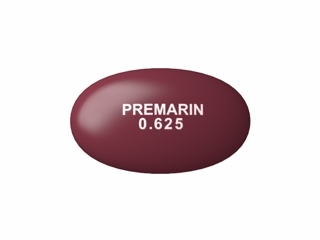

Premarin (Conjugated Estrogens) — Patient Information (UK)
Premarin is a hormone medicine containing conjugated estrogens (plant-derived oestrogens). It is used to treat certain problems caused by low oestrogen levels, most commonly around the menopause, and in some other specific conditions where oestrogen therapy is appropriate.
This page provides clear, patient-friendly information about what Premarin is, how it works, how it’s typically used, key safety points, and practical tips. Always follow the instructions your healthcare professional provides and read the patient information leaflet supplied with your medicine.
1) Basic product information
- Medicine name: Premarin
- Active ingredient: Conjugated estrogens (oestrogens)
- What it is: A systemic oestrogen therapy (taken by mouth in typical formulations)
- Therapeutic category: Hormone therapy / oestrogen replacement
- Common uses in adults: Menopausal symptom relief (for selected patients) and prevention of postmenopausal bone loss in certain circumstances, plus selected medical indications outside the menopause
- Availability in the UK: Subject to local prescribing/dispensing arrangements and supply schedules
Note: Premarin may come in different strengths and dosing schedules depending on the specific formulation. Your pack strength and directions may differ from other people’s. Always confirm the exact strength on your own medicine label.
2) How Premarin works (mechanism of action)
Oestrogens are female sex hormones. After menopause (or with certain medical situations), the body’s oestrogen levels usually decline. This change can lead to symptoms such as hot flushes, night sweats, vaginal dryness, and changes in urinary comfort.
Conjugated estrogens help replace oestrogen activity in the body. They act by binding to oestrogen receptors in various tissues (including the brain, blood vessels, bone, reproductive tract and skin), leading to changes such as:
- Relief of menopausal symptoms: Oestrogen affects the temperature-regulating centre in the brain, which can reduce hot flushes and night sweats.
- Support for vaginal and urinary tissue: Oestrogen can improve vaginal dryness and discomfort and may help with some urinary symptoms related to lower oestrogen.
- Bone protection: Oestrogen slows bone loss by affecting bone turnover, helping to maintain bone density.
3) Pharmacokinetics (what the body does to the medicine)
Pharmacokinetics describes how the medicine is absorbed, distributed, metabolised and eliminated.
Absorption
When taken orally, conjugated estrogens are absorbed through the gastrointestinal tract and enter the bloodstream. The extent of absorption can be influenced by food, gastrointestinal conditions, and other medicines.
Distribution
Oestrogens distribute throughout the body and bind to transport proteins in the blood. They can also concentrate in hormone-sensitive tissues.
Metabolism
Oestrogens are metabolised mainly in the liver. Metabolic pathways produce multiple metabolites that may undergo enterohepatic recirculation (recycling between the liver and intestines), which can affect overall exposure over time.
Elimination
Metabolites are ultimately eliminated from the body, primarily through bile and urine. The effective duration of action is influenced by dosing schedule and ongoing metabolism and recycling.
Practical takeaway: Because oestrogens are processed by the liver, liver function and interactions with other medicines can be important. If you have liver disease or unusual lab results, discuss suitability promptly with your healthcare professional.
4) Typical uses in adults (indications)
Premarin is used for oestrogen replacement in specific clinical situations. In the UK, oestrogen-containing hormone therapies are generally considered for:
- Menopause and postmenopause: Treatment of moderate to severe menopausal symptoms (such as hot flushes and night sweats) when quality of life is affected.
- Prevention of postmenopausal osteoporosis: In selected patients at increased risk of fracture where other treatments are not suitable or appropriate.
- Other medical indications: Your clinician may use oestrogen therapy for certain conditions outside the menopause, depending on your individual health profile and treatment goals.
Important: If you have a uterus (are not surgically without a uterus), oestrogen therapy usually needs progestogen protection to reduce the risk of endometrial (uterine lining) overgrowth. Your healthcare professional will advise whether additional medication is required.
5) When to take Premarin (timing & routine)
The best time to take Premarin is the time that helps you take it consistently as directed.
- Try to take it at the same time each day to maintain steady hormone levels.
- If your regimen is cyclical (for example, days of taking followed by days off), follow the exact schedule described on your pack or by your clinician.
- If you are unsure whether your dosing is continuous or cyclical, check the label or ask your pharmacist.
Missed dose guidance: If you miss a dose, do not take a double dose unless your healthcare professional or pharmacist has specifically advised you to. Guidance can differ depending on your dosing schedule; check the leaflet or ask a pharmacist for advice.
6) Food interactions
In general, oestrogen absorption can be affected by how and when medicines are taken. Food may influence absorption for some oral medicines, but the impact varies between products.
- General advice: You can often take Premarin with or without food—follow your leaflet instructions.
- If your stomach becomes upset, try taking it with food (unless your leaflet says otherwise).
- Consistency matters: taking the medicine the same way each time can help keep your hormone levels more stable.
Interactions to watch: Some supplements and other medicines can interfere with hormone balance or liver metabolism. Tell your pharmacist about all medicines, herbal products and supplements you take.
7) Alcohol and medicine interactions
Alcohol: Moderate alcohol may not directly counteract Premarin, but heavy alcohol use can affect the liver, which is important for oestrogen metabolism. Heavy alcohol intake may increase the risk of certain hormone-related or liver-related side effects.
- If you drink alcohol, consider discussing your intake with a healthcare professional, particularly if you have liver disease or abnormal liver tests.
- Aim to keep alcohol intake within recommended limits.
Medicine interactions: Premarin may interact with medicines that affect liver enzymes and hormone metabolism. These can change Premarin levels and effectiveness or increase side effects. Examples include:
- Enzyme inducers (some seizure medicines and certain infections treatments): may reduce oestrogen levels.
- Some antibiotics/antifungals (depending on the medicine): may affect hormone metabolism in certain patients.
- Medicines for thyroid disease: may affect hormone-binding proteins and overall balance.
Contraception/other hormone medicines: If you use other hormone therapies, clarify combinations with your pharmacist or clinician to avoid unintended effects.
Always check: Carry an up-to-date list of your medicines and show it to your pharmacist before starting or stopping any medicine or supplement.
8) Dosing (how it is commonly prescribed)
Premarin dosing is individual. The dose and schedule depend on the reason for treatment, your age, symptom severity, and whether you have a uterus. Use your own label instructions.
General dosing principles
- Start low, review regularly: Many hormone therapy guidelines recommend using the lowest effective dose for the shortest duration needed to control symptoms.
- Reassess periodically: Your clinician may review your need for treatment at intervals.
- If you still have a uterus: you may need a progestogen as well to protect the uterine lining.
Typical schedules (examples)
Premarin can be used in continuous or cyclical regimens depending on indication and whether progestogen is used. Your specific schedule should be followed exactly.
| Treatment goal | Typical approach | Key notes |
|---|---|---|
| Menopausal symptom relief | Oestrogen given continuously or cyclically depending on plan | Lowest effective dose; regular review of benefit vs risk |
| Protection of the uterine lining | Oestrogen plus progestogen (if uterus present) | Helps reduce risk of endometrial overgrowth |
| Bone protection (selected patients) | Oestrogen may be considered where appropriate | Consider alternative treatments if suitable |
Do not adjust your dose yourself. If symptoms return or side effects occur, contact a healthcare professional for advice.
9) Safety profile and important warnings
As with all medicines, Premarin has potential side effects and important risks. Some risks are linked to oestrogen exposure, duration of use, dose, and personal risk factors (such as smoking status, age, and history of blood clots).
Common side effects
- Nausea
- Breast tenderness or swelling
- Headache or migraine changes
- Fluid retention / swelling (oedema)
- Vaginal bleeding/spotting (especially early in treatment or with cyclical regimens)
- Changes in mood
Serious risks (seek urgent medical advice)
Oestrogens can increase the risk of certain serious conditions in some people. Seek urgent medical advice if you develop symptoms suggestive of:
- Blood clots (venous thromboembolism): painful swelling in one leg, sudden shortness of breath, chest pain, coughing blood.
- Stroke: sudden weakness/numbness on one side, trouble speaking, sudden vision changes, severe sudden headache.
- Heart attack: chest tightness/pain, pain spreading to arm/jaw, breathlessness, sweating.
- Liver problems: yellowing of skin/eyes (jaundice), severe abdominal pain, dark urine.
- Endometrial problems: unexpected or persistent vaginal bleeding.
- Severe allergic reactions: swelling of face/lips, breathing difficulties, widespread rash.
When extra caution is needed
Inform your healthcare professional if you have or have had any of the following:
- A history of blood clots or known clotting disorders
- Heart disease or stroke
- Unexplained vaginal bleeding
- Certain liver diseases
- Known hormone-sensitive cancers or history of such cancers
- Severe migraines (especially with aura)
- Risk factors for cardiovascular disease (e.g., smoking, obesity, high blood pressure, diabetes)
Smoking: Smoking significantly increases cardiovascular and clot-related risks with systemic oestrogen therapy. If you smoke, discuss stopping strategies with your clinician.
10) Practical use tips (to get the best results safely)
- Use a daily routine: choose a consistent time (e.g., after breakfast or before bed).
- Keep a symptom diary: note hot flush frequency, sleep quality, and any bleeding changes—this helps with clinical review.
- Track side effects: early breast tenderness or headaches may settle; persistent or severe effects should be discussed.
- Attend review appointments: regular reassessment supports the “lowest effective dose for the shortest duration” approach.
- Use vaginal care: if you experience vaginal dryness, discuss whether additional non-hormonal moisturisers or targeted therapies may be appropriate.
- Take missed doses carefully: follow leaflet guidance—avoid double doses unless instructed.
- Carry medication information: if you travel or have appointments, bring the medicine name and dose details.
11) Alternative options
If Premarin is not suitable, or if you want to explore other options, there are several approaches commonly considered in the UK depending on symptoms and health status:
Non-hormonal options
- Lifestyle measures: dressing in layers, cooling strategies, limiting triggers (e.g., spicy foods) and maintaining a healthy weight.
- Non-hormonal treatments for hot flushes: certain medicines may help reduce symptoms in appropriate patients (your clinician can advise).
- Vaginal moisturisers/lubricants: helpful for dryness and discomfort.
Hormonal options
- Different oestrogen preparations: other oestrogen types and routes may be used (for example, local vaginal oestrogen for vaginal symptoms).
- Transdermal oestrogens: in some cases, oestrogen delivered through the skin may be considered. Suitability depends on your risk profile and symptoms.
- Combination regimens: some patients may require oestrogen plus progestogen in specific schedules.
Which alternative is best? It depends on your symptoms (hot flushes vs vaginal dryness), personal risk factors, age, and preference. Discuss options with your healthcare professional or pharmacist.
12) UK market and legal/regulatory context
In the United Kingdom, hormone replacement therapies (HRT) and oestrogen-containing medicines are regulated medicines supplied under national healthcare and prescribing frameworks. Guidance emphasises:
- Individualised treatment: assess risks and benefits for each patient.
- Use at the lowest effective dose: balance symptom relief with risk.
- Regular review: ongoing evaluation of whether treatment is still needed.
- Consideration of route of administration: some people may be better suited to particular forms of oestrogen based on risk factors.
Recent guidance overview (general): UK clinical recommendations commonly stress careful selection of patients, avoidance of unnecessary prolonged use, and attention to blood clot and cardiovascular risk factors for systemic oestrogen therapy. Your clinician should also consider the need for progestogen if you have a uterus.
Important: This information is provided for general education and should not replace personalised medical advice.
13) Availability, delivery and customer information (UK)
Premarin availability can vary based on market supply, pack size, and your local pharmacy processes.
- Ordering: availability may depend on current stock levels and the strength/formulation you require.
- Delivery: delivery timelines typically depend on carrier schedules and whether the item is held in local stock or supplied through distributor routes.
- Packaging: medicines are normally supplied in manufacturer packaging with clear batch/expiry information.
- Cold chain: Premarin is usually not temperature-sensitive; however, always follow storage instructions on the pack.
- Check expiry: verify the expiry date before use.
If you have an urgent need, contact customer support or your pharmacy provider to confirm current dispatch options.
14) Storage instructions
- Store as directed on the pack.
- Keep out of the sight and reach of children.
- Do not use after the expiry date.
- Return unused or expired medicine via appropriate local take-back schemes (ask your pharmacist if unsure).
15) FAQ (Frequently Asked Questions)
Is Premarin the same as “bioidentical” oestrogen?
Not necessarily. Premarin contains conjugated estrogens (a specific type of systemic oestrogen therapy). “Bioidentical” is a different concept often used in marketing; your suitability depends on the exact medicine, dose and evidence base rather than labels alone.
How long does it take to notice benefits?
Many people notice improvement in hot flushes within days to a few weeks. Other effects (such as vaginal tissue improvement or bone-related benefits) can take longer. Response varies between individuals.
Can I take Premarin if I have had a hysterectomy (no uterus)?
If you do not have a uterus, progestogen protection may not be required in the same way. However, eligibility still depends on your medical history and risk factors—discuss your situation with your clinician.
Will Premarin cause bleeding?
Some spotting or bleeding can occur, especially early in therapy or if using cyclical regimens. Any unexpected or persistent bleeding should be reported promptly to a healthcare professional.
What should I do if I miss a dose?
Follow the instructions in your patient leaflet or the advice you were given for your specific regimen. In many cases, you should not take a double dose. If unsure, ask a pharmacist for guidance tailored to your schedule.
Does Premarin affect weight?
Weight changes can occur for many reasons during the menopause transition. Premarin may cause fluid retention in some people. If you notice rapid or concerning changes, discuss them with a healthcare professional.
Can I drive or operate machinery while taking Premarin?
Most people can drive and use machinery while taking Premarin. If you experience dizziness or headaches that affect concentration, avoid driving until you feel well.
Who should not take Premarin?
Premarin may not be suitable for people with certain conditions, such as unexplained vaginal bleeding, certain hormone-sensitive cancers, active or past blood clots, or significant liver disease. Your pharmacist or healthcare professional can advise based on your history.
Are there herbal or supplement interactions?
Some supplements can affect hormone metabolism or clot risk. Examples include certain “stimulatory” herbal products or high-dose supplements. Tell your pharmacist about everything you take, including herbal products.
Can I drink alcohol while on Premarin?
Moderate alcohol may be acceptable, but heavy alcohol intake can affect liver function, which is relevant for oestrogen metabolism. Keep within recommended limits and seek advice if you have liver disease or frequent alcohol use.
What should I do if I get severe symptoms?
For signs of blood clots (such as sudden breathlessness or one-sided leg swelling), stroke symptoms, severe chest pain, jaundice, or severe allergic reactions, seek urgent medical attention immediately.
Summary
Premarin (conjugated estrogens) is a systemic oestrogen therapy used in selected adults to treat menopausal symptoms and certain other indications. It works by replacing oestrogen activity in the body, supporting relief of hot flushes and helping protect vaginal tissue and bones. Because systemic oestrogens can increase the risk of certain serious conditions, careful patient selection, the lowest effective dose, and regular review are important.
If you have questions about how Premarin fits your situation—such as interactions, risk factors, or the correct dosing schedule—speak to your pharmacist or healthcare professional.