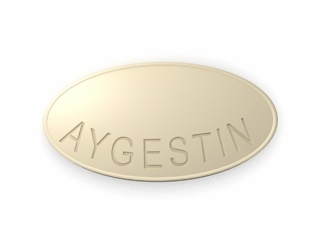
Aygestin (Norethindrone Acetate) — Patient Information (UK)
Aygestin is a brand of norethindrone acetate, a synthetic form of the hormone progestogen (a progesterone-like medicine). It is used to treat hormone-related conditions affecting the womb (uterus) and bleeding patterns.
This page explains what Aygestin is, how it works, typical uses, how to take it, safety information, and practical tips. It is designed to be patient-friendly and tailored to commonly encountered guidance in the United Kingdom.
Quick facts
- Active ingredient: Norethindrone acetate
- Medicine type: Progestogen (hormone therapy)
- How it’s taken: Usually by mouth (tablets)
- Main purpose: Helps regulate or manage abnormal uterine bleeding and hormone-dependent conditions
- Typical course: Varies by indication (may be continuous or cyclical)
Basic product information
Aygestin contains norethindrone acetate, a progestogen used to influence the lining of the uterus (endometrium). By changing how the endometrium grows and stabilises, Aygestin can reduce abnormal bleeding and help treat certain gynaecological problems associated with an imbalance of hormones.
Strengths & formulation: Aygestin is available as tablets containing norethindrone acetate in different strengths (the exact strength depends on the product you receive). Always check the specific pack you have.
Who may use it: Many people who need progestogen support for uterine bleeding or hormone-related conditions may be considered suitable, but eligibility depends on your medical history, risk factors, and treatment goals.
Mechanism of action
Norethindrone acetate is converted in the body to active progestogenic effects. Its main actions include:
- Stabilising the uterine lining: Progestogens help make the endometrium more stable and less likely to shed unpredictably.
- Reducing endometrial overgrowth: In situations where oestrogen effect is unopposed (without adequate progesterone balance), the uterine lining can become too thick and bleed. Progestogen counteracts this.
- Altering bleeding patterns: Over time, it can lead to fewer episodes of irregular bleeding and may induce regular shedding during a controlled course (depending on the regimen).
- Effect on hormone signalling: Progestogens can change hormonal feedback loops, which may influence ovulation-related processes in some patients.
Important: The way bleeding changes can take days to weeks. The first results may be partial, especially when starting treatment or when adjusting dose/regimen.
Pharmacokinetics (how the body handles Aygestin)
Pharmacokinetics describes absorption, distribution, metabolism, and elimination. While exact numbers can vary by individual, the general behaviour of norethindrone acetate includes:
- Absorption: After oral administration, norethindrone acetate is absorbed through the gastrointestinal tract.
- Metabolism: It is metabolised primarily in the liver. Because of this, liver function and interactions with liver enzymes can influence effects.
- Distribution: It circulates in the bloodstream and binds to plasma proteins to some extent.
- Elimination: Metabolites are eliminated mainly via urine and/or bile (through metabolic pathways).
Clinical takeaway: Consistent daily timing helps maintain steady hormonal levels. If you miss doses, hormone levels can fluctuate and bleeding may occur.
Typical uses and indications (what Aygestin is used for)
In the UK, norethindrone acetate (Aygestin) is used for conditions where progestogen therapy is appropriate. Common indications include:
- Abnormal uterine bleeding (for example, heavy or irregular bleeding related to progestogen-responsive conditions)
- Endometrial protection in specific hormone therapy situations where appropriate (depending on the individual plan)
- Hormone-dependent gynaecological conditions where progestogen is indicated
- Management of certain menstrual disorders when a progestogen regimen is chosen by a clinician
Important note on evaluation: Abnormal bleeding should be assessed appropriately, especially if you have new or worsening bleeding, bleeding after menopause, or bleeding accompanied by symptoms such as pelvic pain. Underlying causes must be considered.
How and when to take Aygestin (timing and duration)
General dosing principles
Aygestin dosing schedules vary depending on the condition being treated. Some regimens are continuous (daily without interruption) while others are cyclical (taken for a portion of the month). Your exact schedule should follow your clinician’s plan and the instructions on your medicine label.
Timing
- Take at the same time each day to reduce hormone fluctuations.
- Choose a time that fits your routine (e.g., evening) and stick to it.
- If you take other medicines, consider whether spacing is needed due to interactions (see “Interactions” below).
If you miss a dose
Follow the advice provided with your tablets or by your healthcare professional. In general:
- If you miss a dose, take it as soon as you remember if you are not close to the next dose.
- If it is near the next scheduled dose, skip the missed dose and continue as normal.
- Avoid taking double doses unless advised.
Missing doses may increase the chance of irregular bleeding.
Dosing (typical approach)
Because dosing depends on the specific indication, the most accurate dosing information is the one on your label. Below is a general outline of how regimens are often structured with progestogens, but it may not reflect your exact dose.
| Condition / goal | Common regimen style | What to expect |
|---|---|---|
| Abnormal uterine bleeding | Daily dosing for a set course, sometimes adjusted based on response | Bleeding may reduce after several days; full response can take weeks |
| Endometrial protection (in selected hormone therapy plans) | Continuous or cyclical progestogen as part of a broader plan | Helps counterbalance oestrogen’s effect on the uterine lining |
| Menstrual disorder management | Cyclical regimens may be used to influence predictable bleeding | May lead to more regular, controlled bleeding patterns |
Practical tip: Keep a simple record of your bleeding pattern (dates, amount, any cramps). This can help clinicians evaluate whether the regimen is working.
Food interactions
Aygestin can usually be taken with or without food. Food is not typically expected to cause major changes to absorption for most patients. However, to support adherence:
- Take it at a consistent time daily.
- If you find nausea or stomach upset, try taking the tablet with a light meal.
If you have digestive issues or experience persistent side effects, ask a pharmacist or clinician for advice.
Alcohol and medicine interactions
Alcohol
Moderate alcohol intake may not directly interact with norethindrone acetate in most people. However:
- Alcohol can worsen side effects such as dizziness, mood changes, or stomach upset.
- Because norethindrone is metabolised in the liver, heavy or frequent alcohol use may be relevant for liver health.
Safety note: If you have known liver disease or significant risk factors, discuss alcohol use with your healthcare professional.
Medicine interactions (important)
Some medicines can affect how progestogens are metabolised, potentially reducing effectiveness or increasing side effects. Examples of interaction categories include:
- Enzyme inducers (medicines that increase liver enzyme activity), which may lower progestogen levels
- Certain anticonvulsants (for epilepsy), some antibiotics, and some anti-HIV medicines
- Herbal supplements such as St John’s wort, which may alter hormone levels
- Medicines affecting liver metabolism more broadly
What this means for you: If you start, stop, or change a medicine (including herbal products), tell your pharmacist or clinician. They can check whether your Aygestin dose or plan needs adjustment.
Safety profile and side effects
Common side effects
Side effects vary between individuals. Commonly reported effects with progestogens may include:
- Changes in bleeding (spotting, irregular bleeding, changes to period pattern)
- Nausea or mild stomach discomfort
- Headache
- Mood changes (such as mood swings)
- Breast tenderness
- Fluid retention or bloating
- Acne or skin changes
- Dizziness (in some people)
Serious risks (seek urgent medical advice)
Although many people tolerate Aygestin, progestogen medicines may carry serious risks in certain circumstances. Seek urgent medical help if you experience:
- Signs of a blood clot, such as sudden breathlessness, chest pain, coughing blood, severe leg pain/swelling, or sudden weakness/numbness
- Severe allergic reaction (swelling of face/lips, trouble breathing, widespread rash)
- Severe or persistent liver-related symptoms such as yellowing of the skin/eyes (jaundice), dark urine, severe abdominal pain, or unexplained itching
- Severe depression or thoughts of self-harm
Why these risks matter: Hormonal therapies can influence clotting pathways and other body systems. Your clinician will consider your personal and family risk factors.
Who should be extra cautious
You may need careful assessment before using Aygestin if you have (or have had):
- Liver disease
- History of blood clots or significant clotting risk factors
- Unexplained abnormal vaginal bleeding that has not been evaluated
- Some hormone-sensitive conditions where benefit-risk needs to be individualised
- Severe migraines (particularly with neurological symptoms)
Always inform your healthcare professional of your full medical history and current medicines.
Practical use tips (getting the best from your treatment)
- Keep a routine: Taking the tablet at the same time each day improves consistency and may reduce spotting.
- Track bleeding: Note dates, duration, and severity. This helps clinicians adjust the regimen if needed.
- Use a simple adherence aid: Pill organiser, reminder alarms, or phone reminders can help you avoid missed doses.
- Watch for side effects: Many mild effects settle after the first weeks, but persistent or severe symptoms should be discussed.
- Do not stop suddenly: Unless advised, stopping abruptly may lead to withdrawal bleeding or return of symptoms.
- Consider lifestyle factors: Staying hydrated, eating regularly, and limiting alcohol where possible can help overall tolerability.
Alternative options
Depending on the underlying cause of your symptoms, there are different ways to manage abnormal uterine bleeding or hormone-dependent conditions. Alternatives may include:
- Other progestogens (different types or regimens)
- Combined hormonal treatments (where appropriate)
- Tranexamic acid for heavy menstrual bleeding in some cases
- Non-hormonal management depending on cause and severity
- Levonorgestrel intrauterine system (IUS) for selected patients with heavy bleeding
- Surgical or procedure-based options when indicated (e.g., if bleeding persists despite treatment)
Choice of alternative depends on the cause of bleeding, your preferences, risk factors, and how urgently symptom control is needed. A clinician can guide you to the best fit.
United Kingdom market & legal context
In the UK, hormonal medicines are regulated through medicines and pharmacy frameworks designed to ensure quality, safety, and appropriate use. Aygestin is an established medicine and its availability is managed through normal supply chains to pharmacies.
Local guidance context: In practice, decisions about treatment for abnormal uterine bleeding typically involve assessment of symptoms, risk factors, and exclusion of serious underlying causes. This may include review of bleeding history and appropriate investigations where necessary.
Important: Availability and exact product presentations can vary by supplier and time. Online pharmacy listings should show current pack sizes and strength before purchase.
Recent guidance and clinical considerations (UK-focused)
While individual regimens are tailored, UK clinical practice commonly emphasises:
- Assessment of the cause of abnormal bleeding, especially in new or persistent cases
- Risk-based selection of hormonal therapy (clotting risk, migraine history, liver health, age, and other factors)
- Use of the lowest effective dose for the shortest duration consistent with the treatment goal
- Review of treatment response after a reasonable interval and adjustment if bleeding patterns do not improve
If your symptoms change significantly or you develop new pain, heavy bleeding, or bleeding after menopause, contact a healthcare professional promptly.
Delivery, availability, and what to expect (online pharmacy)
Online pharmacies in the UK typically deliver Aygestin in line with standard medicines dispatch processes. Delivery times may vary depending on the supplier, stock availability, and your postcode/area.
- Availability: Stock status can change. Check the product page for the latest status and strength/pack details.
- Packaging: Medicines are generally supplied in manufacturer packaging with clear labelling, patient information, and batch/expiry details.
- Delivery options: Many online pharmacies provide tracked delivery and options for secure drop-off or collection.
- Cold chain: Aygestin tablets typically do not require special temperature storage beyond usual conditions, but follow the label instructions.
Storage: Store tablets in their original packaging, protected from moisture and out of sight of children. Keep at room temperature unless the label states otherwise.
FAQs
1) What is Aygestin used for?
Aygestin (norethindrone acetate) is a progestogen medicine used for hormone-related conditions, commonly including abnormal uterine bleeding and other progestogen-responsive gynaecological problems. Your intended use depends on the specific diagnosis and regimen.
2) How long does it take to work?
Some people notice changes in bleeding within days, but a full response can take several weeks. If bleeding remains heavy or irregular beyond the expected timeframe for your plan, you should speak with a healthcare professional.
3) Can I take Aygestin with food?
Yes. Aygestin can usually be taken with or without food. Taking it with a light meal may help if you experience nausea.
4) What should I do if I miss a dose?
Take the missed dose as soon as you remember if it’s not too close to the next dose. If you are near the next scheduled dose, skip the missed dose and continue as normal. Avoid doubling unless advised.
5) Are there any alcohol interactions?
Moderate alcohol may not directly interact for many people, but alcohol can worsen side effects and may be relevant for liver health. If you drink heavily or have liver issues, discuss with a healthcare professional.
6) Can I take other medicines at the same time?
Some medicines can affect progestogen levels (especially medicines that influence liver enzymes). Tell your pharmacist or clinician about all medicines and herbal products you take, including antibiotics, epilepsy medicines, and St John’s wort.
7) What side effects are most common?
Common side effects include changes in bleeding, headache, nausea, mood changes, breast tenderness, and bloating. Many mild effects improve as your body adjusts.
8) When should I seek urgent help?
Seek urgent medical advice for symptoms suggesting a blood clot, a severe allergic reaction, or serious liver problems (e.g., jaundice, severe abdominal pain, dark urine).
9) Can Aygestin affect mood?
Yes, mood changes can occur in some patients. If you experience persistent low mood, anxiety, or severe emotional changes, contact a healthcare professional promptly.
10) Are there alternatives if Aygestin isn’t suitable?
Yes. Alternatives may include other progestogens, hormonal options, tranexamic acid for certain bleeding patterns, or an IUS (depending on your situation). Your clinician can help compare options based on cause, risks, and preferences.
Reminder: This information is intended to support understanding of Aygestin and is not a substitute for personalised medical advice. If you have questions about your individual situation, side effects, or interactions, speak to a pharmacist or clinician.