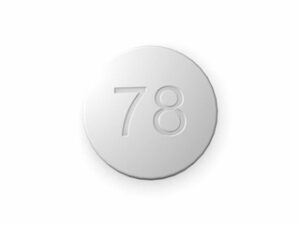


Diflucan (Fluconazole) — Patient Guide (UK)
Diflucan contains fluconazole, an antifungal medicine used to treat a range of fungal infections. This guide explains what it is, how it works, typical uses, how to take it, key interactions, and practical tips for safe use in the UK.
Quick overview
- Active ingredient: Fluconazole
- Medicinal form: Capsules and oral solution (availability may vary by product strength)
- What it treats: Certain yeast (and some fungal) infections
- Common examples: Vaginal thrush (where appropriate), oral thrush, and other candidal infections
- Typical dosing patterns: Often once daily or a single dose, depending on the infection
Basic product information
Diflucan is part of the azole class of antifungal medicines. Fluconazole is absorbed through the gut and then distributed throughout the body, including tissues and bodily fluids. It is used for infections caused by susceptible fungi, especially Candida species.
In the UK, antifungal treatment is commonly supplied through pharmacy routes depending on the condition and product access arrangements. If you are unsure which option is suitable for your symptoms, speak to a healthcare professional or pharmacist.
How fluconazole works (mechanism of action)
Fluconazole works by interfering with the fungal cell’s ability to produce an essential component of its cell membrane. Specifically, it inhibits an enzyme called lanosterol 14-α-demethylase (a key step in producing ergosterol).
Without ergosterol, the fungal cell membrane becomes less stable, which stops growth and may lead to cell death. This selective action helps target fungi while having less effect on human cells.
Pharmacokinetics (how the body handles it)
Understanding pharmacokinetics can help you anticipate dosing timing and what to expect in treatment. Fluconazole has properties that make it convenient for many regimens.
- Absorption: Well absorbed after oral dosing.
- Distribution: Widely distributed into body tissues and fluids.
- Half-life: Long enough to support once-daily dosing or single-dose regimens for some infections.
- Metabolism & elimination: Mainly eliminated by the kidneys (urine).
Because fluconazole persists in the body for a period of time, it may continue to work even after the last dose is taken, depending on the infection being treated.
Typical use in the UK
Diflucan is used for candidal infections and, in some situations, other fungal infections where fluconazole is appropriate. Common indications in everyday practice include:
- Vulvovaginal candidiasis (vaginal thrush) — sometimes treated with a short course of oral fluconazole or local therapy depending on severity and guidance
- Oral thrush (candidiasis of the mouth) — especially when symptoms are persistent or widespread
- Oesophageal candidiasis — typically for more significant throat symptoms, after appropriate assessment
- Recurrent or complicated Candida infections — may require longer regimens under clinical advice
- Other deep-seated or systemic fungal infections — fluconazole may be used when appropriate to the organism and severity
Your pharmacist may advise whether an oral antifungal, a vaginal cream/pessary, or an alternative medicine is the best match for your specific symptoms.
Indications and when to use it
Fluconazole is indicated for infections caused by susceptible fungi. In the UK, decisions often depend on infection site, severity, likelihood of Candida, previous episodes, immune status, and relevant medicines you take.
| Possible infection | Where symptoms occur | Typical fluconazole use pattern (examples) |
|---|---|---|
| Vaginal thrush (vulvovaginal candidiasis) | Vagina and vulva | Often short-course dosing; sometimes a single dose for uncomplicated cases, based on clinical assessment |
| Oral thrush (oral candidiasis) | Mouth and tongue | Once daily regimens are common; duration varies with severity |
| Oesophageal candidiasis | Food pipe (oesophagus) | Typically longer course with specific dosing, guided by clinician assessment |
| Recurrent Candida infections | Varies | May involve induction and/or maintenance regimens in selected cases |
How to take Diflucan: dosing and timing
The right dose depends on the infection, your age, kidney function, and whether you are taking interacting medicines. Below are typical dosing patterns used for adults; always follow the dose directions provided with your Diflucan product and advice.
Typical adult dosing patterns (examples)
- Uncomplicated vaginal thrush: Often managed with a short course; some regimens use a single dose. Your pharmacist will advise the most suitable approach.
- Oral thrush: Commonly taken once daily for several days, depending on response.
- More extensive infections: May require longer treatment and higher doses.
For children, dosing is usually calculated based on weight and age and must be guided by an appropriate healthcare professional and the product’s instructions.
Timing tips
- Try to take it at the same time each day if you’re using a multi-day course.
- Complete the course even if you feel better quickly, unless your pharmacist advises otherwise.
- If you miss a dose: Take it when you remember unless it’s close to the next dose. Do not take a double dose to catch up.
Food interactions
Fluconazole can usually be taken with or without food. Food does not typically have a clinically significant effect on how well fluconazole is absorbed for most patients.
If you experience stomach upset, taking your dose with a light snack may help. However, follow your product instructions and any advice from your pharmacist.
Alcohol interactions
Many people can drink alcohol in moderation while taking fluconazole, but it’s still sensible to be cautious. Alcohol may increase the risk of side effects such as dizziness, nausea, or stomach discomfort, and it can potentially strain the liver.
- Moderate alcohol: Often tolerated, but avoid binge drinking.
- High-risk situations: If you have known liver disease, heavy alcohol use, or you develop symptoms suggestive of liver issues (see “Safety profile”), seek medical advice promptly.
If you are unsure about alcohol use during treatment, ask a pharmacist for personalised advice based on your medical history and current medicines.
Interactions with other medicines (important)
Fluconazole can interact with other medicines because it affects certain liver enzymes involved in drug breakdown. This may change medicine levels in your body and increase the risk of side effects.
Medicines that may interact significantly
Interaction risk varies by dose and duration. Examples include:
- Warfarin and other vitamin K antagonists — increased bleeding risk due to higher warfarin effect (INR monitoring may be needed)
- Some medicines that affect heart rhythm (QT prolongation) — may increase risk of irregular heartbeat
- Certain oral diabetes medicines (e.g., sulfonylureas) — may alter blood sugar levels
- Some immunosuppressants (e.g., ciclosporin, tacrolimus) — dose adjustments may be required
- Some statins (cholesterol medicines) — increased risk of statin side effects in certain situations
- Other medicines metabolised by CYP enzymes — fluconazole can raise levels of some drugs
What to do
- Before starting Diflucan, check your medicine list (including over-the-counter products, herbal remedies, and supplements).
- If you’ve been given Diflucan after a pharmacy assessment, inform the pharmacist about all current medicines.
- If you start Diflucan and experience new side effects (especially severe dizziness, fainting, palpitations, unusual bruising/bleeding), seek prompt advice.
Safety profile: who should be cautious
Diflucan is generally well tolerated when used appropriately. However, like all medicines, it can cause side effects, and there are important safety considerations.
Common side effects
- Nausea
- Stomach discomfort, indigestion, or diarrhoea
- Headache
- Rash
Less common but serious risks
Seek medical advice urgently if you experience any of the following:
- Signs of an allergic reaction: swelling of the face/lips, difficulty breathing, severe rash
- Severe skin reactions: blistering, peeling skin, or widespread rash
- Liver problems: yellowing of the skin/eyes (jaundice), dark urine, severe fatigue, persistent nausea/vomiting, right upper abdominal pain
- Heart rhythm symptoms: fainting, severe dizziness, or palpitations (especially if you have risk factors or interacting medicines)
- Severe or persistent symptoms: worsening infection symptoms or lack of improvement as expected
Kidney and liver considerations
- Kidneys: Because fluconazole is eliminated mainly by the kidneys, dose adjustments may be necessary with reduced kidney function.
- Liver: Fluconazole can rarely affect liver function, particularly with prolonged or high-dose use. Your pharmacist may ask about your liver history and medicines.
Pregnancy, breastfeeding, and contraception
Guidance can vary depending on trimester, dose, and infection severity. If you are pregnant, planning pregnancy, or breastfeeding, discuss this with a healthcare professional or pharmacist before using fluconazole. Do not assume that all antifungal treatments are equally suitable in every situation.
Practical use tips for best results
- Confirm the likely cause: Symptoms like discharge and itching can overlap with other conditions (e.g., bacterial vaginosis or dermatitis). If this is not typical for you, consider speaking to a pharmacist or clinician.
- Avoid irritants: Use mild, fragrance-free products and avoid douching. Tight or synthetic underwear may worsen discomfort for some people.
- Hygiene habits: Keep the area clean and dry, change underwear regularly, and avoid scented wipes.
- Manage triggers: Recurrent thrush can be linked to diabetes, antibiotic use, hormonal changes, smoking, or immune suppression. Address underlying factors where possible.
- Know when to get help: If symptoms are severe, recurrent, or not improving, seek further assessment rather than repeating treatment indefinitely.
What to expect after treatment
Relief often begins within a few days, but complete resolution may take longer depending on the infection site and severity. If you don’t notice improvement within the expected timeframe, or if symptoms return quickly, speak to a pharmacist or clinician.
Alternative options (depending on infection type)
Different antifungal medicines may be used depending on the site of infection, severity, and your personal circumstances. Alternatives may include:
- Topical antifungals for vaginal thrush (e.g., imidazole creams/pessaries), often suitable for uncomplicated episodes
- Other oral antifungals used in selected cases (choice depends on local guidance and organism susceptibility)
- Supportive management such as treating underlying conditions (e.g., diabetes control) for recurrent infection
Your pharmacist can help you choose the most appropriate option based on your symptoms, past history, and any interacting medicines.
Market and legal context for the UK
In the UK, access to antifungal treatments varies by product and strength, and some medicines may be available via pharmacy sale under certain conditions. Clinical recommendations commonly align with guidance from professional bodies and the NHS regarding diagnosis and management of common fungal infections.
When supplying antifungal medicines, UK pharmacists and online pharmacies may use structured questions to ensure safe supply. This helps identify red flags (for example, symptoms that may not be thrush, pregnancy considerations, or medicine interactions).
Recent guidance and clinical considerations (UK)
Current UK approaches for thrush and other candidal infections focus on:
- Appropriate diagnosis rather than repeated treatment without improvement
- Choice of treatment based on site (vaginal vs oral vs systemic), severity, and previous episodes
- Reviewing risk factors for recurrence (e.g., diabetes, antibiotic use, immune suppression)
- Safety screening for interacting medicines and liver/kidney issues
Guidance can be updated over time. If you’re unsure whether fluconazole is the right option for your situation, consult a pharmacist or clinician.
Delivery and availability (online pharmacy)
Availability of Diflucan (fluconazole) can vary by strength and formulation (capsules vs oral solution). When ordering online in the UK, you can typically expect:
- Transparent product details: strength, formulation, and dosing instructions
- Packaging and patient information: included with your order where required
- Dispatch timelines: dependent on stock and delivery options selected
Delivery times vary by provider and location. If you need the medicine urgently, choose the fastest available delivery option at checkout and ensure someone can receive the parcel if required.
FAQ — Diflucan (Fluconazole)
1) How long does Diflucan take to work?
Many people begin to feel better within a few days, but full resolution can take longer depending on the infection type and severity. If there is little or no improvement within the expected timeframe for your condition, seek advice.
2) Can I take Diflucan if I’m already using a cream or pessary?
Sometimes combination approaches are used, but it depends on the infection and the product you’re using. Speak to a pharmacist to confirm what is appropriate for your particular situation to avoid unnecessary duplication.
3) Is Diflucan safe to take with food?
Yes. Fluconazole is generally taken with or without food, as food does not usually significantly affect absorption.
4) Can I drink alcohol while taking fluconazole?
In moderation it may be tolerated for many people, but caution is sensible, especially if you have liver concerns or you notice side effects such as nausea or dizziness. Avoid heavy drinking.
5) What happens if I miss a dose?
If you miss a dose, take it when you remember unless it is close to the next dose. Do not take a double dose to make up for the missed one.
6) Can Diflucan treat thrush caused by something other than Candida?
Diflucan is designed to treat infections caused by susceptible fungi such as Candida. If symptoms don’t match typical thrush or don’t improve, it’s important to get the cause checked rather than continuing treatment without reassessment.
7) Why does thrush come back?
Recurrence can be linked to factors such as antibiotics, uncontrolled diabetes, hormonal changes, irritation, smoking, or immune suppression. Addressing underlying triggers can reduce recurrence.
8) Are there medicines I should avoid while taking Diflucan?
Fluconazole can interact with several medicines, including warfarin and some heart rhythm–related medicines, as well as certain immunosuppressants and diabetes medicines. If you have a list of medicines, review it with a pharmacist before starting.
9) Can children take Diflucan?
Children may use fluconazole for certain fungal infections, but dosing must be calculated carefully based on age and weight and guided by the product instructions or clinical advice. Don’t use adult dosing for children.
10) When should I seek medical help immediately?
Seek urgent advice if you develop symptoms of allergy (swelling, breathing difficulty), severe skin reactions, severe worsening symptoms, fainting or severe dizziness/palpitations, or signs of liver problems (jaundice, dark urine, severe fatigue).
Note: This page is intended to help you understand Diflucan. If you have any concerns about suitability, interactions, or what to do if symptoms worsen, contact a pharmacist or healthcare professional.