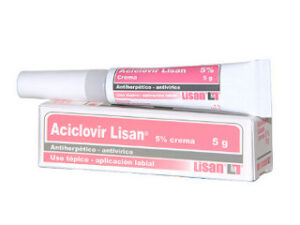
Aciclovir (Acyclovir) – Patient Guide
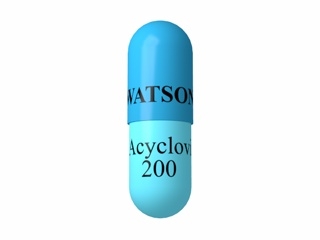
Aciclovir is a well-known antiviral medicine used to treat infections caused by herpes viruses. In the UK, aciclovir is available in different formulations (for example tablets/capsules, creams/ointments, and sometimes eye preparations depending on product availability). This guide explains how it works, when it’s used, how to take it, and what to consider to use it safely and effectively.
| Topic | Quick summary |
|---|---|
| Medicinal name | Aciclovir (also spelled acyclovir) |
| Type | Antiviral (herpes virus) |
| Main uses | Herpes simplex (cold sores/genital herpes), shingles (herpes zoster), and some other herpes-related conditions as advised by clinicians |
| Formulations commonly seen in the UK | Tablets/capsules, creams/ointments, and specialist preparations (e.g., for certain eye conditions) |
| Key benefit | Reduces viral replication and can shorten episodes, especially when started early |
| Common advice | Start as soon as symptoms begin (or at first sign) |
Basic product information
Aciclovir is the generic name for acyclovir, a medicine that targets herpes viruses. It is used for conditions such as:
- Cold sores (herpes simplex virus type 1 – HSV-1)
- Genital herpes (herpes simplex virus type 2 – HSV-2) and related recurrences
- Shingles (herpes zoster – HSV associated)
Different products contain different strengths and dosing schedules. Always follow the specific instructions on your pack and any advice given for your formulation (tablet versus cream, for example).
How aciclovir works (mechanism of action)
Aciclovir is a nucleoside analogue. Herpes viruses replicate by building DNA using specific building blocks. Aciclovir interferes with this process:
- Once inside virus-infected cells, aciclovir is converted to its active form through a series of steps that require viral enzymes.
- The active form inhibits viral DNA polymerase (the enzyme the virus uses to copy its DNA).
- It also acts as a chain terminator, helping stop further viral replication.
This selective activation inside infected cells is one reason aciclovir is generally effective against herpes viruses while having less effect on healthy cells.
Pharmacokinetics (how your body handles it)
Understanding absorption and how aciclovir is cleared can help explain why dosing schedules matter.
Tablets/capsules (systemic use)
- Absorption: Aciclovir is absorbed from the gut, though absorption may vary between people.
- Distribution: It distributes throughout the body fluids and tissues, including areas affected by herpes viruses.
- Metabolism: Only a small amount is metabolised.
- Elimination: Most is cleared via the kidneys, mainly unchanged.
Effect of kidney function
Because aciclovir is eliminated by the kidneys, people with reduced kidney function may need dose adjustments or closer monitoring to reduce the risk of side effects.
Cream/ointment (topical use)
With topical formulations, the goal is to reduce viral activity in the affected area. Systemic absorption is usually lower than with tablets, but absorption can increase if applied over large areas or with damaged skin.
Typical uses and indications
Aciclovir is commonly used for:
- Herpes simplex infection:
- Cold sores (HSV-1) – often used to speed healing and reduce duration when started early
- Genital herpes – treatment of outbreaks and, in some cases, prevention of recurrent episodes as advised
- Herpes zoster (shingles) – especially when started early (generally within 72 hours of rash onset)
- Other herpes-related conditions may be treated with aciclovir depending on the formulation and local clinical guidance
Aciclovir is not an antibiotic and does not treat bacterial infections.
Timing: when to start and how long to use it
For best results, timing matters. In general:
- Start early: Begin treatment as soon as you notice symptoms such as tingling, itching, burning, or the first appearance of spots/blisters.
- Shingles: Starting treatment early (often within 72 hours of rash onset) may improve outcomes.
- Cold sores/genital herpes: Early treatment can help shorten the episode and reduce symptom duration.
Complete the course exactly as directed on your product label or accompanying instructions, even if symptoms improve quickly.
Dosing guidance (general information)
Dosing schedules vary by condition, age, kidney function, and the specific product strength. Below is general UK-style guidance ranges you may see. Always use the instructions on your pack.
Adults – common patterns
- Cold sores (HSV-1): Often treated with topical aciclovir cream for local lesions, or oral antivirals for more severe outbreaks depending on product guidance and clinical assessment.
- Genital herpes (HSV): Oral dosing is commonly used during outbreaks; some people may be advised longer-term suppressive therapy for frequent recurrences.
- Shingles (herpes zoster): Oral aciclovir is typically taken several times daily over a set course (exact schedule depends on formulation).
Children
Paediatric dosing depends on the child’s age/weight and the condition being treated. Use only the dosing regimen appropriate to the specific product and child, and follow healthcare advice.
People with kidney problems
If you have kidney impairment, your prescriber or pharmacist may recommend a reduced dose or longer dosing intervals. Dehydration can increase the risk of kidney-related side effects, so it’s especially important to drink fluids unless you’ve been told to restrict fluids.
Missed dose
- If you miss a dose, take it when you remember unless it is close to the next dose.
- Do not take a double dose to make up for a missed one.
- If you’re unsure, check your product leaflet or speak to a pharmacist.
Food interactions
Aciclovir tablets can often be taken with or without food. Some people find it easier to take with meals or a snack if it causes stomach upset.
- No major food interaction is typically expected, but follow the instructions for your specific product.
- Stay well hydrated during treatment, especially if taking oral aciclovir.
Alcohol and other medicine interactions
Alcohol
There is no universal “absolute” ban on alcohol with aciclovir, but alcohol can make dehydration more likely and may worsen some side effects (such as dizziness or nausea). To support safe use:
- Consider limiting alcohol during treatment.
- Choose water and avoid becoming dehydrated.
Common medicine interaction considerations
Aciclovir can be affected by how the kidneys clear medicines. Some medicines may increase kidney stress or alter clearance, which may raise the chance of side effects.
Particularly mention to a pharmacist/doctor if you take:
- Other medicines cleared by the kidneys
- Nephrotoxic medicines (medicines that can affect kidney function)
- High-dose or frequent non-steroidal anti-inflammatory drugs (NSAIDs) (e.g., ibuprofen) if used heavily, especially if you’re dehydrated or have kidney issues
- Probenecid (can affect aciclovir clearance in some cases)
Always inform your pharmacist about all medicines you use, including over-the-counter products, herbal supplements, and occasional treatments.
Safety profile: side effects and what to watch for
Most people tolerate aciclovir well. However, like all medicines, it can cause side effects.
Common side effects
- Headache
- Nausea or stomach discomfort
- Diarrhoea (sometimes)
- Dizziness (less common)
- Skin reactions when using topical preparations (local irritation, mild burning/stinging)
Less common but important side effects
- Kidney-related problems (more likely with dehydration or higher exposure), including changes in kidney function
- Neurological symptoms in rare cases, such as confusion, agitation, or unusual drowsiness—especially in people with kidney impairment
- Allergic reactions (rare), including rash, swelling, wheezing, or difficulty breathing
When to seek urgent help
Stop using the medicine and seek urgent medical advice if you experience:
- Signs of severe allergy: swelling of the face/lips, trouble breathing, or widespread hives
- Severe or persistent vomiting or unable to keep fluids down
- Marked confusion, severe dizziness, or you feel very unwell
- Signs of kidney trouble: significantly reduced urination or severe flank/back pain
Practical use tips (to improve results and comfort)
If using oral aciclovir
- Hydrate: Drink water regularly during the day unless you’ve been told to restrict fluids.
- Stick to the schedule: Antiviral activity depends on maintaining appropriate levels—take doses at the intervals your pack specifies.
- Don’t stop early: Even if symptoms settle, complete the prescribed course.
- Manage discomfort: For pain or fever, consider paracetamol (acetaminophen) if suitable for you.
If using aciclovir cream/ointment
- Apply thinly to the affected area as instructed.
- Use clean hands before and after applying.
- Avoid eye contact: topical aciclovir should not be used in or near the eyes unless the product is specifically for that purpose.
- Keep it hygienic: Don’t share towels; avoid touching blisters and then touching eyes.
- Consider clothing/irritation: Loose clothing may help with genital-area discomfort and friction.
Reduce transmission
Even with treatment, you can still spread the infection. Helpful prevention steps include:
- Avoid kissing if you have cold sores and until lesions have healed.
- Avoid sexual contact or use barrier protection if you have genital herpes, as advised by healthcare professionals.
- Don’t share lip balm, razors, or towels during active outbreaks.
Alternative options for herpes infections
Depending on your symptoms, severity, timing, and the virus type, clinicians may consider other antiviral options. Alternatives may include:
- Valaciclovir – another antiviral option for herpes infections; dosing frequency may differ.
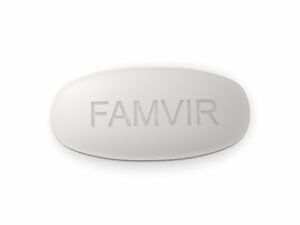
- Famciclovir – used for herpes infections; availability and dosing depend on local guidance.
- Other supportive treatments for comfort (e.g., pain relief, topical barrier care for skin irritation) may be used alongside antiviral therapy.
For shingles or frequent/severe recurrences, oral antiviral choice and dosing schedule should be discussed with a healthcare professional, particularly if you have kidney problems or complex medical conditions.
Market and legal context in the United Kingdom
In the UK, antiviral medicines are supplied under medicines legislation and local prescribing/dispensing processes. Whether a particular product is available directly (for example, as an OTC medicine) or is supplied following clinical assessment depends on the product form, strength, and current classification.
Always check the product listing and pack instructions before use. Online pharmacies in the UK typically provide information required for safe supply, and medicines are supplied in line with UK regulations and professional standards.
Recent guidance (general)
Clinical guidance in the UK generally emphasises:
- Early initiation of antiviral therapy for maximum benefit (especially for shingles).
- Consideration of kidney function when dosing oral antivirals.
- Prompt assessment for severe disease, eye involvement, pregnancy, immunocompromise, or unusual symptoms.
If you’re unsure whether your symptoms fit a herpes-related condition, seek medical advice promptly rather than self-treating.
Delivery and availability (online pharmacy UK)
Availability can vary by formulation and strength. When ordering online, you may see options such as:
- Oral tablets/capsules for systemic treatment of herpes infections
- Topical creams/ointments for cold sore-type lesions or skin symptoms
Delivery: Delivery times depend on the pharmacy’s dispatch schedule, your location, and stock status. Many UK online pharmacies offer standard and express delivery options. Trackable delivery is commonly available.
Packaging and storage: Store medicines according to the instructions on the pack (typically at room temperature, away from excessive heat and moisture). Keep out of reach of children.
Frequently Asked Questions (FAQ)
1) Is aciclovir the same as acyclovir?
Yes. Aciclovir is the commonly used UK spelling/name, while acyclovir is another international spelling. They refer to the same active ingredient.
2) How quickly does aciclovir work?
Aciclovir works by slowing viral replication. Many people notice improvement within a few days, but results vary. Starting early at the first sign of symptoms generally improves the chance of a shorter episode.
3) Can I use aciclovir if I have a weakened immune system?
People with weakened immunity may require special dosing or monitoring. It’s important to get appropriate medical guidance, particularly if symptoms are severe or recurrent.
4) Can I use aciclovir cream for genital herpes?
Some topical treatments can help certain skin symptoms, but genital herpes is often treated with oral antivirals depending on severity and the timing of the outbreak. A pharmacist can help match the product to your situation.
5) Should I stop treatment if the rash/blisters heal?
Usually you should complete the course as directed, because stopping early may reduce effectiveness. If you believe you’ve taken an incorrect regimen or you’re having problems tolerating it, contact a healthcare professional for advice.
6) What if I forget a dose?
Take it when you remember unless it’s nearly time for the next dose. Don’t take a double dose. If you’re uncertain, check the leaflet or ask a pharmacist.
7) Can I take aciclovir with other medicines?
Many medicines can be taken together, but kidney-clearing medicines may matter. Tell a pharmacist about everything you take—especially NSAIDs used frequently, medicines affecting kidneys, and any other antivirals.
8) Does aciclovir prevent transmission?
It can reduce viral activity and may shorten outbreaks, but it does not fully eliminate transmission risk. Use protection and follow practical prevention steps to reduce spread.
9) Is aciclovir safe in pregnancy or breastfeeding?
Aciclovir may be used in some situations where benefits outweigh risks, but decisions should be individual. If you are pregnant, trying to conceive, or breastfeeding, speak to a pharmacist or clinician before using aciclovir.
10) Are there any lifestyle measures I should follow?
Yes. Get plenty of fluids, manage pain appropriately, avoid close contact during outbreaks (especially for cold sores), keep the area clean, and avoid picking blisters.
Summary
Aciclovir is an antiviral medicine used to treat herpes virus infections such as cold sores, genital herpes, and shingles. It works by interfering with viral DNA replication and is most effective when started early. Oral formulations rely on kidney clearance, so hydration and awareness of kidney function are important. Topical formulations can reduce local symptoms but do not replace the need for timely treatment in more severe cases. If you’re unsure about your symptoms or dosing, speak to a pharmacist.