
Acyclovir Cream 5% (Topical) – Patient Information (UK)
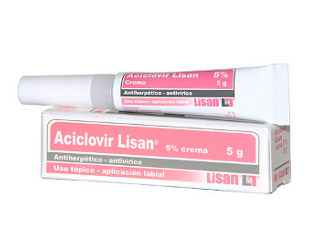
Acyclovir cream 5% is a medicine applied to the skin to help treat certain viral skin infections. It contains acyclovir, an antiviral that targets herpes viruses. This leaflet-style guide explains what the cream is for, how it works, how to use it, and important safety information for people in the United Kingdom.
Always read the leaflet provided with your product and follow the instructions on the label. If you’re unsure about your symptoms or how to use the cream, ask a pharmacist or healthcare professional.
Basic product information
- Medicine: Acyclovir cream 5%
- Active ingredient: Acyclovir
- Strength: 5% w/w (topical cream)
- Form: Cream for application to the skin
- Common uses: Herpes simplex skin infections (e.g., cold sores)
- Typical location of application: Affected areas on the skin (follow product instructions)
In the UK, the brand and packaging may vary. The concentration is typically described as 5% for topical use.
How acyclovir cream works (mechanism of action)
Acyclovir is an antiviral medicine. It works mainly against herpes viruses such as:
- Herpes simplex virus (HSV) – commonly responsible for cold sores (herpes labialis)
- Other related herpes viruses (as directed by clinical guidance and product instructions)
Once acyclovir is applied to the skin and enters infected cells, it is converted into an active form that interferes with viral replication. The active compound blocks viral DNA synthesis, helping to reduce the ability of the virus to multiply.
The cream is most effective when used early (ideally at the first signs of a cold sore such as tingling, itching, or burning), because this can limit viral replication before lesions fully develop.
Pharmacokinetics: what happens in the body
Acyclovir cream is applied to the skin, so only a small amount is generally absorbed through intact skin. Even when absorption occurs, systemic exposure is typically low compared with oral medicines.
- Absorption: Limited absorption through the skin
- Distribution: Any absorbed acyclovir is distributed in the body
- Metabolism: Acyclovir is partly metabolised in the body
- Elimination: Mainly cleared by the kidneys (renal excretion)
Because absorption is usually low with topical treatment, systemic side effects are generally uncommon. However, if you have broken skin, extensive areas, or are using the cream repeatedly, your clinician or pharmacist may advise further precautions.
Typical use in the UK
Acyclovir cream 5% is commonly used for herpes simplex skin infections, especially cold sores around the mouth and lips. It helps reduce symptoms and may shorten the course when started early.
In practice, it may be recommended for episodes such as:
- Cold sores (herpes labialis) – tingling/burning stage and developing lesions
- Recurrent herpes infections when appropriate for self-care and as directed by product instructions
Important: If you have an eye problem (eye redness, pain, light sensitivity, or vision changes), do not use acyclovir cream on the eye unless specifically instructed. Eye herpes requires urgent professional assessment.
Indications (when the cream is used)
Use acyclovir cream for herpes simplex infections of the skin as indicated by the product label and UK clinical advice.
Typical indications include:
- Herpes simplex labialis (cold sores)
- Skin lesions caused by HSV, in areas where topical acyclovir is appropriate
It is not intended to treat all viral rashes. If symptoms are unusual, severe, spreading rapidly, or you suspect another condition (e.g., shingles), seek medical advice for correct diagnosis.
Dosing and how to apply it (timing and frequency)
Follow the instructions provided with your cream. The typical approach for cold sores is to apply the cream to the affected area regularly during waking hours.
Typical dosing (general guidance):
- Adults and older people: Apply to the affected area 5 times a day (for example, approximately every 4 hours while awake), or as directed on the package/leaflet.
- Children: Dosing depends on age and the condition. Follow product instructions and ask a pharmacist if unsure.
Duration: Continue treatment for the period stated in the leaflet, typically until the lesion heals, or for up to 5 days for cold sores—however this depends on local guidance and your product instructions.
Apply correctly:
- Wash your hands before and after applying.
- Clean and gently dry the affected area.
- Apply a thin layer of cream to the lesions and a small surrounding margin (as per leaflet instructions).
- Avoid getting cream inside the mouth or on broken skin where instructed not to.
- Do not cover with airtight dressings unless advised.
When to start: Best results are usually achieved when treatment begins at the earliest signs—tingling, itching, redness, or burning—before blisters fully form.
Practical use tips
- At the tingling stage: Start promptly. Many people benefit from beginning treatment before visible blisters appear.
- Use a clean applicator: If using fingers, wash thoroughly before and after. Consider using a clean cotton bud if recommended for hygiene.
- Avoid spreading: Don’t touch the lesion more than necessary. Wash hands frequently.
- Keep the area clean: Gently clean with water if needed, and pat dry.
- Don’t share items: Avoid sharing towels, lip balm, cups, or utensils during outbreaks.
- Sexual transmission precautions: If you have genital herpes or are at risk, topical treatment may not prevent transmission. Use appropriate barrier protection and follow professional guidance.
If symptoms worsen after starting treatment, or if there is no improvement within a few days, seek medical advice.
Food interactions
Because acyclovir cream is applied to the skin and usually has low systemic absorption, food interactions are not expected.
However, if you are using other medicines (including oral antivirals), check interactions with those treatments with a pharmacist or healthcare professional.
Alcohol and medicine interactions
For topical acyclovir cream alone, alcohol interactions are not expected. Systemic levels are typically low.
That said, alcohol can sometimes worsen dehydration or delay recovery indirectly and may increase risk behaviours. Also consider interactions if you are taking other medicines at the same time—especially if your doctor has recommended oral antiviral therapy for severe cases.
If you are taking other medications and you’re unsure, consult a pharmacist. Tell them about any prescription, over-the-counter products, or supplements you use.
Safety profile and side effects
Most people tolerate acyclovir cream well. Side effects are usually local (on the skin).
Common or mild side effects
- Stinging or burning at the application site
- Dryness or mild irritation
- Redness or itching where the cream is applied
Less common or serious reactions
- Allergic reactions (e.g., rash spreading beyond the treated area, swelling, breathing difficulties). Seek urgent medical help if you experience signs of a serious allergy.
- Severe skin reactions or worsening symptoms after application.
Stop using the cream and seek medical advice if you experience significant irritation or an allergic-type reaction.
Special populations
- Pregnancy: If you are pregnant, discuss treatment options with a healthcare professional. Topical treatment may still be used in some situations, but individual risk assessment is important.
- Breastfeeding: Discuss with a healthcare professional. Avoid applying to the breast area before feeding unless advised.
- Immunocompromised individuals: If you have weakened immunity (e.g., certain conditions or medicines), cold sores may require prompt clinical review.
- Children: Follow age-appropriate instructions and obtain advice if symptoms are severe or persistent.
When to seek medical advice
Contact a healthcare professional promptly if any of the following apply:
- You have eye symptoms or eye pain/light sensitivity
- Lesions are severe, rapidly spreading, or not improving
- You have frequent recurrences or are concerned about triggers
- You are immunocompromised
- The rash does not appear consistent with a typical cold sore
- You develop fever, widespread skin involvement, or feel unwell
Alternative options for cold sores (non-prescription and other treatments)
Depending on the severity and timing of symptoms, alternatives may include:
- Other topical antivirals (product availability varies)
- Topical barrier protectants to reduce discomfort and protect lesions (may not shorten viral shedding as effectively as antivirals)
- Pain relief such as paracetamol or ibuprofen where suitable (always follow label instructions)
- Oral antiviral medicines for more severe or frequent episodes—these may be considered by clinicians
Some people also use cold sore patches or emollients. These can help protect blisters and reduce irritation, but they do not replace antiviral treatment when started early.
UK market and legal context (overview)
In the United Kingdom, medicines are regulated by the Medicines and Healthcare products Regulatory Agency (MHRA) and must follow appropriate legal classification (e.g., pharmacy-only or other categories depending on product specifics). Acyclovir cream is typically available through pharmacy channels under the relevant UK medicine classification for that product.
Online pharmacies in the UK operate in line with applicable regulations on the sale of medicines, age verification where required, appropriate pharmacy processes, and product information provisions.
Product availability and packaging may differ between retailers, but the active ingredient and strength (5%) remain consistent for acyclovir cream products.
Recent guidance and best-practice notes (UK)
General UK guidance and clinical best practice for cold sores emphasise:
- Early treatment at the first tingling or burning symptoms
- Consistent application according to the leaflet schedule
- Good hygiene and infection control during outbreaks to reduce spread
- Prompt review if symptoms are unusual, severe, or not improving
If you have recurrent cold sores, you may benefit from discussing preventive strategies with a pharmacist or GP, especially if episodes are frequent or significantly affect your quality of life.
Delivery and availability in the UK (online pharmacy)
Availability online may depend on stock and product size (tube formats). Many UK retailers aim to deliver within standard postal and courier timeframes. Delivery options can vary by location, order value, and service selected at checkout.
- Check stock status on the product page.
- Look for delivery estimates at checkout.
- Storage: Keep the cream at room temperature as specified on the label, and protect from excessive heat and sunlight.
- Expiry: Use before the expiry date shown on the tube/box.
If you need urgent treatment and delivery times are important, consider checking estimated delivery before ordering.
How to store and dispose
- Storage: Store as directed on the pack (typically below 25°C, unless stated otherwise).
- Keep out of sight and reach of children.
- Disposal: Do not dispose into household waste if instructed otherwise. Follow local guidance for medication disposal. If unsure, ask a pharmacist.
FAQ – Acyclovir cream 5% (UK)
1) Is acyclovir cream 5% only for cold sores?
It is commonly used for herpes simplex infections of the skin, especially cold sores. Use it for the condition described on your product’s instructions.
2) When should I start using it?
Start as early as possible, ideally at the first signs such as tingling, itching, redness, or burning. Earlier use generally offers better results.
3) How often should I apply it?
Follow the leaflet or label. A typical schedule for cold sores is five times a day (about every 4 hours while awake), but your product instructions should be followed exactly.
4) Can I use it if the cold sore blister has already burst?
You can still use it once symptoms have started, but the greatest benefit is usually when treatment begins before or at the earliest stage. Continue according to the instructions provided.
5) Can I wear makeup or use lip balm?
You should avoid contaminating the cream or irritating the lesion further. If you use lip balm, apply it carefully and do not cover the treated area in a way that traps moisture or interferes with the cream unless advised.
6) Will the cream prevent me from passing it on to others?
Acyclovir cream may reduce viral activity, but it does not guarantee that you cannot spread the virus. Avoid close skin contact, do not share towels/utensils, and be especially cautious during active lesions.
7) Is it safe for children?
Many people can use topical antivirals in children when appropriate, but dosing and suitability depend on age and symptoms. Check the product leaflet or ask a pharmacist for advice.
8) What if I miss a dose?
Apply it when you remember, then continue with the next dose at the appropriate time. Do not apply a double dose to make up for missed applications.
9) Are there any food or alcohol concerns?
With topical use, food interactions are not expected. Alcohol interactions are generally not expected either. If you are taking other medicines, check with a pharmacist for safety.
10) When should I stop using it?
Stop and seek advice if you develop a significant skin reaction, signs of allergy, or if symptoms worsen or do not improve as expected. If you are unsure, consult a pharmacist.
Summary: key points for safe and effective use
- Use acyclovir cream 5% for appropriate herpes simplex skin infections, often cold sores.
- Start treatment early for best effect.
- Apply a thin layer to lesions and follow the schedule on the leaflet.
- Wash hands before and after use.
- Seek advice if symptoms are severe, unusual, involve the eye, or do not improve.
| Topic | What to know |
|---|---|
| Active ingredient | Acyclovir |
| Strength | 5% cream |
| Typical use | Herpes simplex skin infections, commonly cold sores |
| Best time to start | At first symptoms (tingling/burning/itching) |
| Application frequency | Often five times daily (while awake), per leaflet instructions |
| Food interactions | Not expected with topical use |
| Alcohol interactions | Generally not expected with topical use |
| Common side effects | Mild irritation, stinging/burning, redness |
| Get advice urgently if | Eye involvement or severe/unusual symptoms |
If you would like, tell me the product brand and whether it’s specifically labelled for cold sores or another HSV skin infection, and I can tailor the wording to match that exact indication more closely.