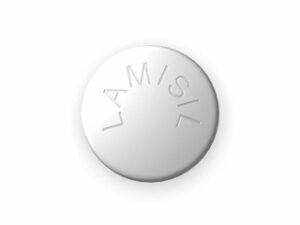

Flagyl (Metronidazole) – Patient Information (UK)
Flagyl is the brand name for metronidazole, an antibacterial and anti-protozoal medicine used to treat a range of infections caused by certain bacteria and parasites. This guide is written to help you understand how Flagyl works, how it’s usually used, what to expect, and important safety considerations.
Always read the patient information leaflet (PIL) supplied with your medicine and follow the instructions given to you by a healthcare professional.
Basic product information
- Active ingredient: Metronidazole
- Brand name: Flagyl
- Common forms: Tablets (various strengths), oral suspension (where available), and other formulations depending on the product/availability
- What it treats: Selected infections due to anaerobic bacteria and certain protozoa
- Country context: In the UK, metronidazole products are widely used under National Health Service (NHS) and private care settings, with standard UK prescribing and safety monitoring practices
How Flagyl works (mechanism of action)
Metronidazole works by interfering with the DNA of susceptible microorganisms. In simple terms:
- Inside certain bacteria and protozoa, metronidazole is converted into reactive compounds.
- These reactive substances damage microbial DNA.
- This prevents the microorganism from multiplying and leads to its death or inability to spread.
Key point: Metronidazole is most effective against anaerobic bacteria (organisms that grow without oxygen) and certain parasites. It is not effective against every infection, which is why your clinician may choose it based on the likely cause of your condition.
Pharmacokinetics (how the body handles it)
“Pharmacokinetics” describes what your body does with the medicine—absorption, distribution, metabolism, and elimination.
- Absorption: Metronidazole is absorbed after oral dosing. Food can affect how quickly it reaches the bloodstream, but it generally does not prevent it from working.
- Distribution: It spreads into many body tissues and fluids, which helps it reach infection sites.
- Metabolism: The liver breaks metronidazole down into metabolites.
- Elimination: Metronidazole and its metabolites are mainly cleared via the kidneys and partly via other routes.
Your specific dose and schedule depend on the infection being treated, kidney/liver function, age, and other factors.
Typical use in the UK (what it’s prescribed for)
Flagyl is commonly used for conditions where anaerobic bacteria or specific protozoa are involved. Examples include:
Common indications
- Infections involving anaerobic bacteria, such as dental infections (in selected cases), intra-abdominal infections, and some pelvic infections
- Some bacterial vaginosis cases (often alongside other treatments depending on local guidance)
- Trichomoniasis (a sexually transmitted infection caused by a parasite)
- Giardiasis (a gut infection caused by a parasite)
- Amoebiasis (some forms, depending on the situation)
- Management of certain postoperative or abscess-related infections as part of broader care
Important: The exact choice of medicine (and whether metronidazole is used alone or with another antibiotic) depends on culture results, severity, and suspected organisms.
How to take Flagyl: timing and dosing principles
The correct dose depends on your infection, your age, and kidney/liver function. Always follow the schedule given for your treatment course.
General dosing approach (patient-friendly overview)
Metronidazole dosing schedules vary by indication. Common regimens may include:
- More frequent dosing for certain infections
- Short courses for some gut or vaginal/parasitic infections
- Longer courses for more serious or recurrent infections
Do not change your dose or stop early even if you feel better. Stopping too soon can cause the infection to return.
Missed dose
- If you miss a dose, take it as soon as you remember unless it’s nearly time for the next dose.
- Do not double up to make up for a missed dose.
Dosing table (example schedules)
Because metronidazole dosing depends on the specific condition and formulation, the table below shows typical example ranges rather than a personal instruction. Your packaging label and your healthcare professional’s plan should be followed.
| Condition (examples) | Typical schedule (examples) | Notes |
|---|---|---|
| Bacterial vaginosis (often alternative/combined approaches) | Often a short course over several days | May depend on local guidance and whether other therapies are used |
| Trichomoniasis | Often a structured course over days | In sexual infections, partner management and advice are important |
| Giardiasis | Often a course over about 5–7 days (varies) | Good hygiene and avoiding reinfection matter |
| Anaerobic infections (serious cases) | Often multiple daily doses over a longer period | May be combined with other antibiotics or surgery depending on the infection |
For exact dosing: Check the strength on your medicine pack (e.g., tablet strength) and the instructions on your label.
Food interactions and taking with meals
Metronidazole can generally be taken with or without food. However:
- Taking with food may reduce stomach upset or nausea for some people.
- Consistency helps: try to take doses at roughly the same times each day.
If you experience nausea, taking the next dose with a meal or snack may help. If symptoms persist, speak to a pharmacist.
Alcohol and medicine interactions (very important)
Alcohol
Traditionally, metronidazole has been associated with a reaction when combined with alcohol (such as flushing, nausea, vomiting, or headache). While individual advice can vary by product and guideline updates, in the UK it is strongly recommended that:
- Avoid alcohol during treatment with Flagyl.
- Avoid alcohol for at least 48 hours after the last dose (a commonly used safety interval).
If you accidentally drank alcohol, contact a healthcare professional for advice if you develop symptoms.
Medicines that may interact
Metronidazole can interact with other medicines. Tell your pharmacist or healthcare professional about everything you take, including over-the-counter products and herbal remedies. Examples of medicines that may be relevant:
- Warfarin (and other vitamin K antagonists): metronidazole can increase bleeding risk. Monitoring of INR may be needed.
- Lithium: metronidazole may affect lithium levels, increasing the risk of side effects.
- Disulfiram: combination may increase the risk of confusion or neurological effects.
- Some anti-seizure medicines: may affect metabolism and drug levels.
- Cimetidine: may increase metronidazole levels in some circumstances.
This is not a complete list. Always check with a pharmacist if you are unsure.
Safety profile: common and serious side effects
Like all medicines, Flagyl can cause side effects. Many are mild and improve as treatment ends.
Common side effects
- Nausea
- Diarrhoea or stomach discomfort
- Headache
- Metallic taste
- Dry mouth or taste changes
- Dizziness
Less common but important effects
- Allergic reactions (rash, itching, swelling, breathing difficulty)
- Neurological symptoms (e.g., numbness/tingling, unusual weakness, severe dizziness)
- Severe or persistent diarrhoea (especially watery or bloody diarrhoea)
Seek urgent medical help if
- You develop signs of an allergic reaction (swelling of face/lips, wheezing, severe rash)
- You have severe or worsening symptoms, or confusion
- You experience severe diarrhoea or blood in stool
- You develop new numbness, tingling, or balance problems
If any side effects concern you, contact your healthcare provider or pharmacist promptly.
Practical use tips (to get the best results)
- Complete the course: even if you feel better, finish the regimen unless told otherwise.
- Don’t skip doses: aim for consistent timing; consider setting alarms.
- Take with food if your stomach is sensitive.
- Stay off alcohol during and for at least 48 hours after treatment.
- Hydrate: diarrhoea or nausea can lead to fluid loss.
- Watch for unusual symptoms: especially severe diarrhoea, rash, or numbness/tingling.
- If treating a sexually transmitted infection: follow guidance about partner testing/treatment and avoid sex until advised safe.
- Use hygiene measures for gut parasites (e.g., careful handwashing, safe food and water).
Alternative options (depending on the infection)
The “right” alternative depends on the likely organism and the infection site. Some conditions may have different first-line options or may require combination therapy. Examples include:
- Other antibiotics with anaerobic coverage (selected cases)
- Specific antiparasitic treatments for giardiasis or amoebiasis (depending on local recommendations and patient factors)
- Topical or combined regimens for certain gynaecological infections
Your clinician chooses alternatives based on factors such as resistance patterns, pregnancy status, allergies, and previous treatments. A pharmacist can help discuss whether another option is available for your particular situation.
Market and legal context in the UK
In the UK, medicines are regulated to support safe supply and use. Metronidazole products such as Flagyl are subject to UK medicines regulation and prescribing/dispensing rules. Key points for patients:
- Quality and safety standards: Approved products must meet standards for manufacturing, labelling, and safety monitoring.
- Appropriate use: Antibiotics should be used only when indicated to help prevent treatment failure and antibiotic resistance.
- Pharmacist support: UK pharmacies are expected to provide advice about safe administration, interactions, and when to seek help.
- Antimicrobial stewardship: The NHS and public health bodies encourage careful selection of antibiotics, correct dosing, and completion of courses.
Recent guidance (high-level): In the UK, antimicrobial guidance continues to emphasise selecting antibiotics based on likely causative organisms, reviewing necessity, and considering local protocols. For metronidazole, clinical use commonly follows guidance for suspected anaerobic infections and certain parasitic/gynecological conditions.
Delivery and availability (UK)
Flagyl (metronidazole) is commonly available through UK pharmacies and online pharmacy services, subject to local supply and product availability. When ordering online:
- Stock status may vary by strength and formulation.
- Delivery times depend on your location and the courier/service used by the pharmacy.
- Packaging and dosing information are included with the dispensed product; check your label before use.
If your preferred strength isn’t available, your pharmacy may offer an equivalent option (same active ingredient and strength), where appropriate and permitted.
Frequently Asked Questions (FAQ)
1) What is Flagyl used for?
Flagyl (metronidazole) is used for infections caused by anaerobic bacteria and certain parasites. The exact use depends on diagnosis, suspected organisms, and local clinical guidance.
2) How quickly will it start working?
Many people notice improvement within 24–72 hours, but this depends on the type and severity of infection, and whether the infection requires additional treatment (such as drainage or another medicine). Finish the course as directed.
3) Can I take Flagyl with food?
Yes, metronidazole can usually be taken with or without food. Taking it with food may help reduce nausea for some people.
4) Why should I avoid alcohol?
To reduce the risk of unpleasant reactions when metronidazole is combined with alcohol. Avoid alcohol during treatment and for at least 48 hours after the last dose.
5) What if I miss a dose?
Take it when you remember unless it’s nearly time for the next dose. Do not take a double dose to catch up.
6) Are there any common side effects?
Common side effects include nausea, diarrhoea or stomach discomfort, headache, metallic taste, and dizziness.
7) Should I stop taking it if I feel better?
No. You should generally complete the full course unless advised otherwise by a healthcare professional.
8) Can Flagyl be taken if I have liver or kidney problems?
People with significant liver or kidney impairment may need dose adjustments or extra monitoring. If you have known health conditions, tell your pharmacist so they can advise appropriately.
9) Does metronidazole affect contraception?
Most antibiotics do not reliably reduce hormonal contraceptive effectiveness, but if you experience vomiting or severe diarrhoea, contraceptive absorption may be affected. If this applies to you, ask your pharmacist for advice on temporary additional protection.
10) When should I seek medical help urgently?
Seek urgent help for signs of allergy (swelling, breathing difficulty), severe or persistent diarrhoea (especially blood), severe worsening symptoms, or neurological symptoms such as new numbness/tingling or balance problems.
Summary
Flagyl (metronidazole) is a medicine used in the UK for infections caused by certain anaerobic bacteria and parasites. It works by damaging the DNA of susceptible organisms. Many people tolerate it well, but it’s important to follow the dosing instructions, avoid alcohol during treatment and shortly after finishing, and be alert to side effects—especially severe diarrhoea or allergic/neuro symptoms.
If you have questions about your specific course, or you’re unsure whether Flagyl is appropriate for your condition, speak to a pharmacist or healthcare professional.