
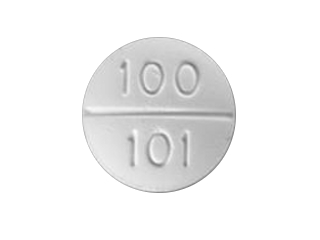

Dapsone (Diaminodiphenyl sulfone) – Patient Information (United Kingdom)
Dapsone is an antimicrobial medicine used for specific conditions such as leprosy and certain skin-related disorders. It may also be used for other specialised indications depending on clinical judgement. This guide explains how Dapsone works, how it is taken, what to expect, and how to use it safely.
1) Basic product information
Active ingredient: Dapsone (diaminodiphenyl sulfone)
Common medicine name: Dapsone
How it is supplied: Tablets (strengths vary by product/brand)
What it is for: Selected bacterial and inflammatory/skin conditions
UK availability: Availability may vary by strength and indication; some products may be subject to local supply.
2) What Dapsone does (mechanism of action)
Dapsone is primarily active against certain bacteria, particularly Mycobacterium leprae (the organism responsible for leprosy). It also has anti-inflammatory and immunomodulatory effects, which is why it is sometimes used for dermatological conditions.
- Antimicrobial action: Dapsone interferes with bacterial folate (vitamin B9) metabolism. This reduces the ability of susceptible organisms to produce the essential building blocks they need to grow.
- Anti-inflammatory effects: Dapsone can reduce inflammatory activity in certain skin disorders, which may help control symptoms such as rash, itching, and swelling.
3) Pharmacokinetics (how the body handles Dapsone)
Pharmacokinetics describe how the body absorbs, distributes, and clears a medicine. Dapsone is generally well absorbed and then distributed throughout the body.
- Absorption: Dapsone is absorbed from the digestive tract. Taking it with food may help reduce stomach upset for some people.
- Distribution: It distributes into body tissues and can remain in the system for a prolonged period.
- Metabolism: It is metabolised in the liver.
- Elimination: The body clears Dapsone slowly, which is one reason it is often taken once daily. Effects and side effects may build over time.
- Active metabolites: Some metabolites may contribute to both efficacy and risk of adverse effects.
Because of its slower clearance and potential for blood-related side effects, doctors commonly monitor blood counts and related markers during treatment.
4) Typical uses in clinical practice
Dapsone is not used for general infections. It is used for particular conditions where it has proven benefit.
Common indications
- Leprosy (Hansen’s disease): Dapsone has a role as part of multi-drug regimens used to treat leprosy.
- Dermatological conditions: Dapsone is used for some inflammatory skin disorders (for example, certain neutrophilic dermatoses) where the anti-inflammatory effects can be helpful.
- Other specialist indications: Depending on local practice and specialist guidance, Dapsone may be used off-label or in combination for carefully selected patients.
Your clinician will choose the indication and regimen based on your diagnosis, other health conditions, and your blood test results.
5) Timing: when to take Dapsone
Dapsone is commonly taken . The exact timing depends on your prescribed regimen. Try to take it at the same time each day to keep levels consistent.
- With or without food: Most people can take Dapsone with food to reduce stomach upset.
- Consistency matters: Use a routine (e.g., with breakfast or evening meal).
- If you forget a dose: Take it as soon as you remember on the same day. If you are close to the next dose, skip the missed dose and continue as normal. Do not double doses.
If you are unsure about missed doses, check your medicine instructions or ask a pharmacist for advice.
6) Food interactions
Food generally does not make Dapsone unsafe, but it may affect how comfortable it is to take.
- Take with food if needed: If you experience nausea or indigestion, taking Dapsone after meals may help.
- Folate-related considerations: Dapsone can affect folate metabolism. Your clinician may advise folate status monitoring in some cases.
- General diet advice: Maintain a balanced diet and attend any recommended blood tests.
There are no commonly recognised food interactions that prohibit taking Dapsone with meals for most patients, but individual circumstances (including other medicines and existing medical conditions) can change recommendations.
7) Alcohol and medicine interactions
Alcohol can increase the risk of liver stress and can worsen certain side effects such as dizziness or fatigue. Dapsone is metabolised in the liver, so it is sensible to keep alcohol intake modest.
Alcohol
- Recommendation: Avoid heavy drinking. If you drink alcohol, discuss “safe limits” with a healthcare professional, especially if you have liver problems or you are being monitored closely.
- Seek advice promptly: If you notice jaundice (yellowing of eyes/skin), dark urine, unusual tiredness, or persistent nausea, contact a clinician urgently.
Other medicine interactions
Dapsone can interact with medicines that affect the blood, the liver, or oxygen-carrying capacity (methemoglobin). Some interactions can increase the chance of side effects.
Common interaction areas include:
- Medicines that can affect blood cells: Other drugs known to influence haemoglobin, red blood cells, or bone marrow function may increase risks of anaemia or blood count changes.
- Drugs associated with methemoglobinaemia risk: Combining Dapsone with certain agents may increase the likelihood of methemoglobin formation, which can reduce oxygen delivery.
- Liver-metabolised medicines: Because Dapsone is metabolised in the liver, concurrent medicines that stress liver function may increase liver-related adverse effects.
- Immunosuppressants or other anti-inflammatory medicines: If used together, monitoring for infections and blood effects may be necessary.
Always provide your pharmacist with a full list of medicines, including over-the-counter products and herbal preparations, so they can check for potential interactions.
8) Indications (what Dapsone is used to treat)
Dapsone is used for specific medical conditions rather than general-purpose infections. Below is a practical overview of the main situations where it is considered.
| Indication / condition | How Dapsone helps | Typical clinical approach |
|---|---|---|
| Leprosy (Hansen’s disease) | Targets susceptible bacteria involved in the infection | Used as part of multi-drug therapy in line with national and international guidance |
| Selected inflammatory skin disorders | Reduces inflammatory activity contributing to rash and symptoms | Often started with monitored follow-up and blood tests |
| Other specialist uses | Anti-inflammatory and antimicrobial properties in selected cases | Guided by specialist assessment and monitoring |
9) Dosing: how much is usually taken
The dose of Dapsone depends on the indication, your age, body weight, and your blood test results. Clinicians also consider liver function and other medicines you may be taking.
General dosing principles
- Once daily is common: Many regimens use once-daily dosing.
- Start low, then adjust: For some skin conditions, the dose may be increased gradually to improve tolerability.
- Regular monitoring: Blood tests may be required to check for anaemia and other blood changes.
- Duration varies: Some conditions require longer treatment; others may require shorter courses under specialist direction.
Because Dapsone can cause serious side effects in some people, it is important to follow your exact dosing instructions. If you have concerns about dose or timing, speak to a pharmacist for clarification.
Missed dose guidance
- If you miss a dose, take it when you remember unless it is close to your next dose.
- If close to the next dose, skip the missed dose and continue as normal.
- Do not take extra tablets to make up for a missed dose.
10) Safety profile: important risks to know
Like all medicines, Dapsone can cause side effects. Some are mild and common, while others are rare but potentially serious. Early recognition is key.
Seek urgent medical help if you experience
- Signs of methemoglobinaemia: shortness of breath, bluish lips/skin, headache, unusual fatigue, or feeling faint.
- Severe allergic reaction: swelling of the face/lips, severe rash, wheezing, or difficulty breathing.
- Signs of liver problems: yellowing of eyes/skin, dark urine, severe persistent nausea/vomiting, significant abdominal pain.
- Blood-related symptoms: unusual bruising, severe tiredness, weakness, sore throat with fever, or recurrent infections.
Common or expected side effects
- Nausea or stomach upset
- Headache
- Rash (mild skin reactions may occur, but severe or blistering rash must be assessed urgently)
- General fatigue
Serious side effects (monitoring is essential)
- Anaemia and other blood count changes: Dapsone may affect red blood cells, potentially causing haemolysis (breakdown of red cells) in some individuals.
- Methemoglobinaemia: Dapsone can increase methemoglobin levels in blood, reducing oxygen delivery.
- Liver injury: Rare liver toxicity has been reported; monitoring may be advised.
- Severe skin reactions: Rare severe cutaneous reactions can occur with medicines; prompt evaluation is important.
People with certain blood conditions or enzyme deficiencies (for example, G6PD deficiency) may be at higher risk of haemolysis. Your healthcare team may assess this before or during treatment.
11) Practical use tips for patients
The following tips can make treatment safer and more comfortable. Always follow the specific instructions given with your medicine.
- Attend monitoring appointments: Blood tests may be recommended at baseline and periodically during therapy.
- Know the warning signs: Familiarise yourself with symptoms of anaemia, methemoglobinaemia, liver problems, and severe rash.
- Use the same daily routine: Taking your tablet at about the same time each day improves adherence.
- Hydration and nutrition: Maintain good hydration and balanced nutrition; if you have dietary restrictions, ask a clinician whether any supplements are needed.
- Avoid unnecessary alcohol: Keep alcohol minimal, particularly if liver function tests are being monitored.
- Keep a current medicine list: Include over-the-counter products and herbal medicines to help check interactions.
- Do not stop suddenly without advice: If Dapsone is used for a skin disorder, stopping abruptly may allow symptoms to return. For infection-related conditions, stopping may compromise treatment response.
12) Alternative options
Alternatives depend strongly on the condition being treated. For infectious diseases like leprosy, standard regimens typically involve multiple drugs. For inflammatory skin disorders, clinicians may use different anti-inflammatory or immunomodulating treatments.
Possible alternatives (by general category)
- For leprosy: Multi-drug regimens using other anti-leprosy medicines are standard, with choice guided by resistance patterns and guidance.
- For skin inflammatory conditions: Depending on diagnosis severity, alternatives may include other systemic anti-inflammatory medicines or topical therapies, sometimes in combination.
- For resistant cases: Specialist care may involve other targeted medicines and careful monitoring.
If you are considering switching, do not make changes on your own. Discuss with a clinician or pharmacist to ensure the replacement regimen is appropriate and that monitoring is planned.
13) UK market and legal context
Dapsone is a well-established medicine in the UK and may be supplied as generic Dapsone or under different product presentations depending on availability. In the United Kingdom, medicines are regulated by the Medicines and Healthcare products Regulatory Agency (MHRA) under relevant legislation, with prescribing and supply processes designed to ensure safe use.
- Regulatory oversight: Dapsone products must be licensed/authorised and supplied in line with UK rules.
- Safety monitoring: The need for monitoring (for blood counts and potentially liver function) reflects the established safety profile of Dapsone.
- Local availability: Stock levels can vary, especially for specific strengths or for less frequently used indications.
Recent guidance (general)
Clinical practice and safety information for Dapsone continues to be updated through:
- Ongoing pharmacovigilance and safety communications
- Specialist guidelines for leprosy and dermatology prescribing
- Routine updates to medicine safety summaries and national formularies
For the most current advice relevant to your treatment, speak with a pharmacist or clinician, as guidance may evolve over time.
14) Delivery and availability (online pharmacy)
Availability of Dapsone can vary by strength and brand. When ordering from an online pharmacy, delivery timelines depend on stock status, courier service, and your location in the UK.
- In-stock items: Usually dispatched quickly (delivery times vary by provider).
- Low stock / special orders: If your chosen strength is not readily available, the pharmacy may source it from other channels.
- Packaging: Medicines are typically delivered in manufacturer packaging with patient information.
- Storage: Store according to the leaflet instructions (often in a cool, dry place away from direct sunlight).
If you require delivery urgently, check the website’s delivery options or contact customer support before placing an order.
15) FAQ (Frequently asked questions)
How quickly does Dapsone work?
Response time depends on the condition being treated. For some inflammatory skin disorders, improvement may take days to weeks. For infections, response is also influenced by the organism, disease severity, and whether you are receiving the recommended regimen. Your clinician can give the most realistic timeframe for your situation.
Can I take Dapsone with food?
Yes, many people take Dapsone with food to reduce stomach upset. If your stomach feels sensitive, taking it after meals may help.
What blood tests might be needed?
Because Dapsone can affect blood cell function and oxygen-carrying capacity, clinicians commonly monitor blood counts (for example, haemoglobin and other markers). Liver tests may also be considered. The exact tests and schedule vary by indication and your risk factors.
Is it safe to drive or operate machinery?
Dizziness or fatigue can occur in some people. If you feel unwell, avoid driving and using machinery until you know how Dapsone affects you. If side effects persist, speak to a pharmacist or clinician.
What should I do if I miss a dose?
Take it when you remember on the same day unless it is close to the next dose. If near the next dose, skip the missed tablet and continue as normal. Do not double up.
Can I drink alcohol while taking Dapsone?
It’s best to avoid heavy alcohol intake. Alcohol can add stress to the liver and may worsen side effects. If you plan to drink, keep it modest and discuss your individual situation with a pharmacist or clinician.
Are there people who should use Dapsone with extra caution?
Extra caution is usually needed if you have a history of blood disorders (such as certain haemolytic conditions), liver disease, or previous severe reactions to medicines. Inform your healthcare professional of all medical history before starting.
What if I develop a rash?
A mild rash can happen, but any rash that is severe, blistering, associated with fever, affects the eyes/mouth, or comes with breathing difficulty must be assessed urgently. Stop and seek medical help as advised by healthcare professionals.
Can I take other medicines at the same time?
Dapsone may interact with other medicines, particularly those affecting the blood or liver. Always tell your pharmacist about your full list of medicines, including over-the-counter products and herbal supplements, before starting or changing anything.
Where can I find official product information?
The patient information leaflet supplied with your medicine contains details about side effects, interactions, and storage instructions. You can also ask a pharmacist to review it with you.