
Nitrofurantoin (UK) — Patient Information
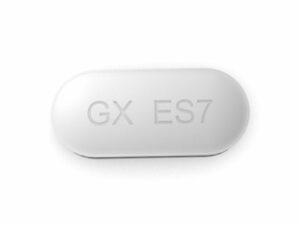
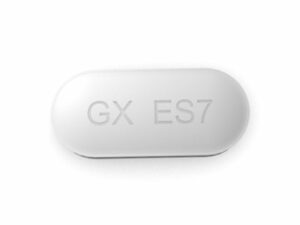
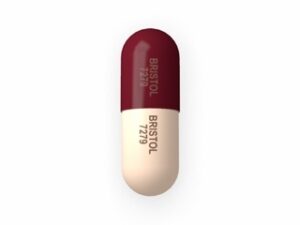
Nitrofurantoin is an antibiotic used mainly to treat urinary tract infections (UTIs) affecting the bladder (cystitis). It is commonly supplied as tablets or capsules (formulation strength may vary by product). This guide explains what nitrofurantoin is, how it works, how it’s used, and what to consider to use it safely and effectively in the United Kingdom.
Important: This information is for general guidance. Always follow the instructions given with your specific product and consult a healthcare professional if you’re unsure whether nitrofurantoin is suitable for you.
Quick overview
- Medicine name: Nitrofurantoin
- What it’s used for: Bladder infections (uncomplicated cystitis)
- How it works: Damages bacterial processes needed for survival
- Common forms: Capsules or tablets (including different-release formulations)
- Typical course: Often 3–7 days depending on local guidance and product
- Key safety considerations: Kidney function matters; may be unsuitable for significant renal impairment
- Do not use for: Suspected kidney infections or severe systemic illness
Basic product information
| Category | Details |
|---|---|
| Antibiotic type | Urinary antiseptic / antibiotic for bacterial cystitis |
| Typical target | Bacteria causing uncomplicated UTIs (e.g., E. coli) |
| Administration | Oral (tablets/capsules). Timing relative to meals can affect tolerance/absorption. |
| Availability (UK) | Prescription-only medicine in the UK. Availability may vary by manufacturer and formulation. |
| Monitoring | Kidney function (eGFR/creatinine clearance) is important when assessing suitability. |
How nitrofurantoin works (mechanism of action)
Nitrofurantoin is converted within susceptible bacteria to reactive compounds. These products interfere with multiple bacterial processes, including:
- Damage to bacterial enzymes (inhibiting key biochemical pathways)
- Disruption of cell survival mechanisms
- Reduced ability to repair DNA and other cellular damage
Because it acts through several mechanisms, nitrofurantoin can remain effective against many common UTI organisms. However, resistance can occur, so it should be used for appropriate infections (especially bladder infections).
Pharmacokinetics (how the body handles it)
Absorption
Nitrofurantoin is absorbed from the gut. Food can influence absorption and tolerance, so many products are advised to be taken with meals (details depend on the specific formulation).
Distribution and target site
After absorption, nitrofurantoin is metabolised and eliminated primarily via the kidneys. The medicine concentrates in the urine, which is why it’s particularly useful for bladder infections.
Metabolism
Nitrofurantoin undergoes metabolism mainly in the liver and other tissues to inactive or less active metabolites.
Elimination (important: kidney function)
Nitrofurantoin is cleared through renal excretion. If kidney function is reduced, urinary concentrations may be lower and side-effects may become more likely. This is why suitability is often linked to eGFR/creatinine clearance thresholds.
Typical use in the UK
Nitrofurantoin is used for treatment of uncomplicated lower urinary tract infections (cystitis), typically in adults and in some situations in children as advised by healthcare professionals.
It is generally chosen when the infection is expected to be susceptible and when the infection is confined to the bladder rather than the kidneys or bloodstream.
Not suitable for everyone or every infection
- May not be appropriate if you have suspected kidney infection (pyelonephritis).
- May be unsuitable if you have significant kidney impairment.
- Not ideal for complicated UTIs, catheter-associated infections, or severe systemic infection—these require clinical assessment.
Indications: When nitrofurantoin is used
Common indications include:
- Uncomplicated acute cystitis (bladder infection) in adults
- Recurrent cystitis in some patients where appropriate and guided by clinicians
- Some paediatric UTIs where nitrofurantoin is considered suitable and dosing is appropriate for age/weight
If you have symptoms that suggest more serious infection (such as fever, flank/back pain, vomiting, or feeling very unwell), seek medical advice promptly—nitrofurantoin may not be the right treatment.
How to take nitrofurantoin: timing, with or without food
Product instructions vary by formulation, so check the label for your specific brand. In general, many nitrofurantoin products are advised to be taken:
- With food to improve absorption and reduce stomach upset.
- At evenly spaced times to maintain effective levels in the urine.
Practical timing example
If you’re advised to take nitrofurantoin twice daily, a common approach is:
- Morning with breakfast
- Evening with supper/dinner
If you miss a dose
- Take it as soon as you remember unless it’s close to the next dose.
- Do not take two doses at once to make up for a missed one.
- If you’re unsure, speak to a pharmacist or refer to the leaflet for your product.
Food interactions
Food is usually helpful with nitrofurantoin. Many people experience fewer side-effects (such as nausea) when taking it with meals. Avoid taking it on an empty stomach unless your leaflet instructs otherwise.
There are no widely recognised “forbidden foods,” but the most relevant guidance is to:
- Take with food if advised by your specific product.
- Stay well hydrated, as dehydration may worsen urinary symptoms.
Alcohol and medicine interactions
Alcohol
There is no universal rule that nitrofurantoin and alcohol are absolutely incompatible, but alcohol can:
- Worsen dehydration
- Increase nausea or stomach irritation
- Make it harder to assess how you’re feeling during an infection
For best comfort and recovery, it’s sensible to limit or avoid alcohol while you’re taking treatment for a UTI. If you choose to drink, do so in moderation and monitor for side-effects.
Other medicines: important interaction considerations
Nitrofurantoin has several clinically relevant considerations. Always tell your pharmacist or healthcare professional about all medicines you take, including over-the-counter products and herbal remedies.
- Urine pH changes: Medicines that significantly alter urine pH may affect nitrofurantoin activity.
- Antacids and diarrhoea-related products: If you experience vomiting or diarrhoea, absorption may be reduced.
- Gout medicines: There can be complex interactions with probenecid (see below); do not use without advice.
- Probenecid (and similar drugs): Probenecid can reduce urinary excretion of nitrofurantoin, potentially lowering effectiveness.
- Other antibiotics: Avoid unnecessary combinations unless advised—use is guided by infection type and likely organisms.
If you have a long-term condition and take regular medicines, it’s particularly important to check with a pharmacist before starting.
Dosing: general principles
Dosing depends on factors such as age, kidney function, the specific formulation, and severity/typical category of the infection. Always follow the dosing instructions provided for your product and individual situation.
Common adult regimens (general information)
In UK practice, nitrofurantoin regimens for uncomplicated cystitis often fall within the range of:
- Twice daily or four times daily depending on formulation and strength
- Course length commonly around 3 to 7 days depending on guidance and clinical assessment
Renal function (kidney impairment) and why it matters
Nitrofurantoin is eliminated through the kidneys and requires adequate renal function to achieve effective urine concentrations. If kidney function is reduced, your clinician may advise an alternative antibiotic or treatment plan.
Paediatric dosing
Children’s dosing is weight-based and must be appropriate to age and kidney function. Use only dosing advised by a healthcare professional.
Safety profile: who should be cautious
Common side-effects
- Nausea
- Loss of appetite
- Diarrhoea or mild stomach upset
- Headache
- Urine may turn darker (this can be normal)
Serious side-effects: seek urgent advice
Stop and seek medical help promptly if you develop:
- Allergic reaction: swelling of face/lips, rash with blistering, difficulty breathing
- Breathing problems: cough, wheeze, or shortness of breath
- Severe or persistent diarrhoea (especially if watery or with blood), or significant abdominal pain
- Signs of liver problems: yellowing of skin/eyes, dark urine, severe fatigue
- Unexplained fever or worsening general condition
Longer-term or repeated courses
Nitrofurantoin has been associated with rare but important effects affecting lungs, liver, and nerves when used longer-term. This is more relevant for ongoing or repeated prophylaxis and should be monitored by clinicians.
Pregnancy and breastfeeding (general notes)
Guidance in the UK may vary depending on trimester and individual risk factors. Many clinicians consider nitrofurantoin in specific pregnancy situations, particularly for treatment of cystitis in selected circumstances, while avoiding some other medicines. Speak to a healthcare professional for personalised advice.
For breastfeeding, clinicians often consider the infant’s age and any risk factors. Always seek advice rather than relying on general information.
Kidney and lung health
- If you have known reduced kidney function, it may affect suitability and increase side-effects.
- If you have a history of lung problems or breathing difficulties, discuss risks with a clinician.
Practical tips for using nitrofurantoin effectively
- Start promptly once advised—early treatment can help symptoms settle.
- Complete the course, even if you feel better, unless told otherwise by a healthcare professional.
- Take with food if your product instructions recommend it.
- Hydrate (unless you’ve been told to restrict fluids), which may help flush the urinary tract.
- Monitor symptoms:
- Improvement is often expected within 48 hours
- If symptoms worsen or do not improve, seek advice
- Avoid sexual intercourse or use barrier protection until symptoms improve, if advised for comfort or recurrence prevention.
What to expect during treatment
With uncomplicated cystitis, many people notice symptom improvement within 1–2 days. However, burning on urination and urinary frequency may take slightly longer to fully resolve.
If you develop fever, flank pain, vomiting, or feel significantly unwell, contact urgent medical services—this could indicate infection beyond the bladder.
Alternative options for UTIs (UK)
Alternatives depend on your allergy history, pregnancy/breastfeeding status, kidney function, local resistance patterns, severity, and whether infection appears uncomplicated or complicated.
Common alternative antibiotics (clinician-selected)
- Trimethoprim (if appropriate and local resistance patterns support it)
- Amoxicillin/Clavulanate (selected situations)
- Cefalexin (selected situations)
- Fosfomycin (where available and appropriate)
Non-antibiotic measures (supportive care)
- Drink fluids (within safe limits for you)
- Consider pain relief such as paracetamol or ibuprofen if suitable for you
- Seek review if symptoms persist or worsen
Antibiotic choice should ideally be guided by clinical assessment and, when relevant, urine culture results.
Recent guidance and stewardship context (United Kingdom)
In the UK, antibiotic use for UTIs is guided by principles of antimicrobial stewardship to reduce resistance. Local guidelines from primary care and specialist bodies emphasise:
- Using antibiotics mainly for infections where bacterial cause is likely and appropriate
- Selecting narrow-spectrum options where possible
- Reviewing treatment if symptoms do not improve
- Using urine testing/culture in selected cases (for example, recurrent infections, treatment failure, or complex cases)
Nitrofurantoin is widely used for uncomplicated cystitis in many settings because it achieves high urinary concentrations. However, availability of options and susceptibility patterns can vary, so clinicians may tailor choices accordingly.
Delivery and availability (UK online pharmacy)
Nitrofurantoin is typically available through UK pharmacies under the medicines’ legal category. Availability can depend on:
- Brand and formulation (capsules/tablets, different-release types)
- Strength and quantity of pack
- Stock levels with suppliers
Delivery services and timeframes vary by online pharmacy. When ordering, check:
- Estimated delivery timeframes
- Packaging and handling (medicines are usually shipped in protective packaging)
- Whether refrigeration is required (nitrofurantoin generally does not require refrigeration)
If your symptoms suggest an urgent or severe infection, don’t wait for delivery—seek timely medical advice.
Safety checklist before you start
Before taking nitrofurantoin, consider discussing it with a pharmacist or clinician if you have any of the following:
- Known kidney disease or reduced kidney function
- History of lung problems or unexplained breathing issues
- Previous allergy to nitrofurantoin or similar medicines
- Neurological symptoms that could be unexplained (rare but relevant)
- You are pregnant, planning pregnancy, or breastfeeding
- Current use of medicines that may interact (for example, medicines affecting urine excretion)
When to seek urgent help
Get urgent medical advice if you experience:
- Difficulty breathing, wheezing, or swelling of face/lips
- Severe allergic rash or blistering skin
- High fever, back/flank pain, or vomiting
- Severe diarrhoea or signs of dehydration
- Yellowing of eyes/skin or severe fatigue
FAQ: Nitrofurantoin (UK)
1) Can nitrofurantoin be used for kidney infections?
Nitrofurantoin is designed to act in the urine and is mainly used for bladder infections. If you suspect a kidney infection (for example, fever and flank/back pain), you should seek urgent medical assessment—an alternative treatment may be needed.
2) How long does it take to work?
Many people start to feel improvement within 24–48 hours. If symptoms are not improving after this period, or they worsen, contact a healthcare professional for reassessment.
3) Should I drink plenty of water?
Staying well hydrated can help urinary comfort and supports recovery. Follow any fluid guidance given to you for other conditions.
4) What should I do if I accidentally miss a dose?
Take it when you remember unless it’s near the next dose. Do not take a double dose to catch up.
5) Will nitrofurantoin affect urine colour?
Nitrofurantoin can sometimes cause urine to turn darker. This is usually harmless, but if you develop other symptoms (such as pain or fever), seek medical advice.
6) Are there interactions with alcohol?
Alcohol may increase nausea and dehydration. Moderate alcohol or avoiding alcohol is generally advisable while you’re being treated.
7) Is nitrofurantoin safe if I have reduced kidney function?
Kidney function is a key factor in suitability. If kidney function is significantly reduced, nitrofurantoin may be unsuitable. Your clinician may use a kidney function test (such as eGFR) to decide.
8) Can I take nitrofurantoin with food?
Many nitrofurantoin products are better tolerated when taken with food. Check your leaflet, but in general food can help.
9) What if my UTI keeps coming back?
Recurrent UTIs may need further assessment. Patterns such as triggers, hygiene and behavioural factors, and (in some cases) additional tests can help guide prevention strategies and whether prophylaxis or alternative treatment is appropriate.
10) What are the signs I might need urgent review?
Seek urgent help if you have fever, flank/back pain, vomiting, severe illness, or signs of an allergic reaction.
Summary
Nitrofurantoin is an antibiotic used primarily for uncomplicated bladder infections in the UK. It works by damaging bacterial processes after conversion inside susceptible bacteria and concentrates in the urine to help clear the infection. Correct use—particularly taking it at the right times and considering kidney function—supports effectiveness and safety. If symptoms do not improve within 48 hours, or if you develop red-flag symptoms suggesting infection beyond the bladder, seek medical advice promptly.