

Clindamycin (UK) – Patient Information
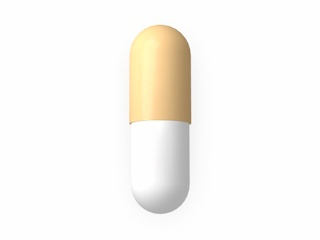
Clindamycin is a medicine used to treat certain bacterial infections. It belongs to the group of antibiotics called lincosamides. Depending on the condition, clindamycin may be supplied as capsules, oral solution, or other forms (for example, topical preparations in some brands). This page focuses on clindamycin when taken by mouth, but the general principles about antibiotic use, safety, and when to seek help still apply.
Always follow the instructions provided with your specific medicine and consult a healthcare professional if you’re unsure whether clindamycin is suitable for you.
Basic product information
- Medicine name: Clindamycin
- How it works: Antibiotic (lincosamide)
- Common uses: Certain skin, dental, bone, and other bacterial infections
- Available forms (examples): Capsules, oral solution (availability can vary by brand)
- Use in the UK: Used for bacterial infections where it is considered appropriate
How clindamycin works (mechanism of action)
Clindamycin works by stopping bacteria from making the proteins they need to grow and multiply.
- It binds to the 50S ribosomal subunit inside susceptible bacteria.
- This inhibits protein synthesis, which helps control the infection.
Clindamycin is generally effective against many Gram-positive bacteria and certain anaerobic bacteria (bacteria that can live without oxygen). Its usefulness depends on the specific bacteria causing your infection and local antibiotic resistance patterns.
Pharmacokinetics (how the body handles clindamycin)
Pharmacokinetics describes what happens to a medicine in the body—absorption, distribution, metabolism, and excretion.
- Absorption: Clindamycin taken by mouth is absorbed through the gut. Absorption is generally good, but exact levels may vary between individuals.
- Distribution: After absorption, clindamycin distributes into many body tissues. It can reach areas relevant to infection, including skin and some deeper tissues.
- Metabolism: The medicine is metabolised in the body, mainly in the liver.
- Elimination: Clindamycin and its metabolites are eliminated mainly via the kidneys and bile/feces (the relative contributions can vary). Some people with kidney or liver conditions may require extra caution.
- Half-life: The time it takes for the body level of the medicine to fall by half varies by patient factors and formulation.
Practical point: Because dosing schedules are designed to maintain effective drug levels, it’s important to take clindamycin at the recommended times and finish the course unless a clinician advises otherwise.
Typical uses (indications)
Clindamycin is used to treat bacterial infections caused by organisms susceptible to it. In UK practice, clindamycin may be considered for infections such as:
- Skin and soft tissue infections (certain types, particularly when anaerobic or Gram-positive organisms are suspected)
- Dental infections where clindamycin is considered appropriate
- Bone and joint infections (osteomyelitis and related conditions, as advised)
- Respiratory tract infections in selected cases where susceptible organisms are likely
- Gynecological infections in certain situations (as advised by healthcare professionals)
- Serious infections where an alternative antibiotic is required (including when other options are unsuitable due to allergies or resistance)
Important: Clindamycin does not treat viral infections such as colds or flu. Using antibiotics for non-bacterial illnesses can worsen resistance and increase side effects without benefit.
Timing: when to take clindamycin
Your specific clindamycin regimen depends on the infection, your age, and your kidney/liver function. Follow your written instructions or label directions.
In general:
- Take clindamycin at evenly spaced times (for example, every 6 or 8 hours, depending on the prescribed schedule).
- Try to take each dose at the same times each day to help you remember.
- If you miss a dose, take it when you remember unless it’s close to the next dose. Do not take a double dose.
If you’re using an oral solution, use a proper measuring device. If you’re taking capsules, swallow with water.
Food interactions
Food can affect tolerability more than overall effect for many people. Clindamycin may cause stomach upset, so some people find it easier to take with food.
- With food: Many patients tolerate clindamycin better when taken with meals or with a snack.
- Between meals: If your product information advises taking without food, follow that instruction.
Tip: If you experience nausea or heartburn, taking clindamycin with food may help. However, always follow the instructions on your medicine label or leaflet.
Alcohol interactions and safety
Clindamycin has no well-known direct interaction with alcohol comparable to some other antibiotics. That said, alcohol can still increase certain risks:
- It may worsen gastrointestinal side effects (nausea, stomach irritation, diarrhoea).
- It can make it harder to recover from infection, especially if you’re unwell.
- Alcohol may be a concern if your liver function is affected, because clindamycin is metabolised in the body.
Recommendation: It’s safest to limit or avoid alcohol while you’re taking clindamycin and recovering from illness. If you’d like personalised advice, ask a pharmacist or clinician.
Medicine interactions (important drug and condition considerations)
Interactions can occur when clindamycin is taken alongside other medicines. Not all interactions are predictable from memory—always check with a pharmacist if you’re unsure.
Common interaction considerations include:
- Medicines that can affect the gut: If you take medicines that alter bowel activity, discuss with a pharmacist—diarrhoea is a key side effect with clindamycin.
- Antidiarrhoeal medicines: In the event of significant diarrhoea, avoid self-treating without advice; some antidiarrhoeal products may not be appropriate during suspected antibiotic-associated colitis.
- Neuromuscular blockers / muscle relaxants: Rarely, antibiotics may influence neuromuscular transmission. This is more relevant in hospital or anaesthesia settings—inform clinicians if you’re having surgery.
- Liver disease or liver-active medicines: Because clindamycin is metabolised in the liver, extra caution may be needed.
- Allergy history: People allergic to clindamycin or lincomycin (related antibiotics) should not take it.
Also tell your clinician/pharmacist if you use:
- Other antibiotics or recent courses
- Medicines that affect immunity
- Medicines for stomach acid, bowel conditions, or severe diarrhoea
- Any herbal supplements (some can affect gut health)
Do not stop or start other medicines without advice.
Dosing: how clindamycin is commonly prescribed
Dose depends on the infection type, severity, your age, and how you respond. Typical adult dosing schedules vary by formulation and condition.
For most oral regimens, dosing is often described as:
- Divided doses (e.g., taken multiple times a day)
- For a course duration set by the treating clinician (often several days to longer for more serious infections)
Key points for patients:
- Follow your label. Your pack may contain a specific strength (e.g., mg per capsule or per 5 mL of solution).
- Finish the course as instructed, even if you start to feel better—unless you develop severe side effects and seek medical advice.
- Kidney/liver impairment: Dose may need adjustment in people with significant organ impairment. Ask for advice if you have known liver disease or kidney impairment.
If you want, you can share the strength and schedule written on your label and a pharmacist can help you interpret how to take it safely.
Safety profile: who should take extra care?
Like all medicines, clindamycin can cause side effects. Many people tolerate it well, but it has an important safety consideration: it can cause diarrhoea, and in some cases it can be linked with serious gut inflammation.
Common side effects
- Stomach upset (nausea, vomiting)
- Diarrhoea or loose stools
- Abdominal pain or cramps
- Rash or mild skin reactions
- Headache
Serious side effects – seek urgent medical help
Contact urgent medical services or seek urgent advice if you develop:
- Severe, persistent diarrhoea (especially if watery or with blood/mucus)
- Severe abdominal pain
- Fever with diarrhoea
- Signs of an allergic reaction such as swelling of the face/lips, difficulty breathing, or widespread hives
These symptoms may indicate antibiotic-associated colitis (including Clostridioides difficile), which needs prompt assessment.
Other precautions
- Skin reactions: Very rarely, antibiotics can cause serious skin conditions. Stop and seek advice if you develop blistering, peeling, or a rapidly spreading rash.
- Vaginal thrush: Antibiotics can increase the risk of fungal overgrowth. Symptoms may include itching and thick white discharge.
Driving and operating machinery
Clindamycin is not typically associated with drowsiness. If you feel dizzy or unwell, avoid driving and seek advice.
Practical use tips (getting the best outcome safely)
- Take it on schedule: Even spacing between doses helps the antibiotic work properly.
- Take with food if needed: If your stomach feels unsettled, follow product guidance and take with meals where allowed.
- Hydrate: Drink fluids, especially if you have mild diarrhoea.
- Do not share antibiotics: Another person’s infection may not respond to clindamycin and could worsen resistance.
- Keep track of symptoms: If symptoms worsen after 48–72 hours, contact your clinician—your infection may need reassessment.
- Probiotics? Evidence is mixed. If you choose to take probiotic products, discuss with a pharmacist, particularly if you’re at higher risk of antibiotic-associated diarrhoea.
- Adherence: Set phone reminders; keep the course in an easy-to-access place.
Alternative options
Whether clindamycin is the right antibiotic depends on the bacteria involved, the infection site, severity, and your medical history (including allergies).
Alternatives may include:
- Penicillins or cephalosporins in appropriate infections (depending on allergy status and resistance)
- Macrolides (e.g., if clindamycin isn’t suitable)
- Other antibiotics effective against anaerobes depending on the suspected infection (choice varies widely)
- Topical treatments for selected skin conditions, when appropriate
Important: Do not switch antibiotics without medical advice. Inappropriate choice can lead to treatment failure and increase the risk of complications.
Recent guidance and UK context (antibiotic stewardship)
In the UK, antibiotics are used under the principles of antibiotic stewardship to reduce harm and resistance. National and professional guidance generally emphasises:
- Use antibiotics only when needed for confirmed or strongly suspected bacterial infection.
- Use the narrowest effective antibiotic and review treatment if there is no improvement.
- Support appropriate dosing and duration to reduce the risk of side effects and resistance.
For diarrhoea during antibiotic treatment, UK healthcare advice commonly stresses recognising signs of antibiotic-associated colitis and seeking medical review promptly for significant symptoms.
Delivery and availability in the United Kingdom
Availability of specific clindamycin brands and strengths can vary. Online pharmacies in the UK typically provide:
- Clear information on pack sizes and strengths
- Delivery options that may include standard and express services (availability depends on the provider and stock)
- Temperature considerations: most oral formulations do not require special refrigeration; store as indicated on the pack
What you can expect: Your order should be prepared and dispatched according to the pharmacy’s delivery schedule. If stock is temporarily unavailable, some suppliers may offer an alternative brand/strength or notify you.
Storage: Store clindamycin according to the instructions on the packaging (commonly at room temperature, away from direct heat and moisture, and out of reach of children).
Safety checklist before and during treatment
- Tell a clinician/pharmacist if you have had allergy to clindamycin or related medicines.
- Tell them if you have had inflammatory bowel disease or previous antibiotic-associated colitis.
- Let them know about liver disease or significant ongoing medical conditions.
- Seek advice quickly if you get severe or persistent diarrhoea.
- Do not use clindamycin for non-bacterial illnesses.
FAQ: Clindamycin (UK)
1) What is clindamycin used for?
Clindamycin is an antibiotic used to treat certain bacterial infections, including some skin, dental, bone, and other infections where susceptible bacteria are likely. The exact indication depends on your diagnosis and local resistance patterns.
2) How long will it take to start working?
Many people notice improvement within 48–72 hours. If you’re not improving, or you’re getting worse, contact your healthcare professional for advice.
3) Can I take clindamycin with food?
Often, taking clindamycin with meals can improve tolerance if you have nausea or stomach upset. Follow the instructions on your specific medicine label or leaflet.
4) What should I do if I miss a dose?
Take the missed dose as soon as you remember unless it’s almost time for your next dose. Don’t take two doses at once. If you’re unsure, ask a pharmacist.
5) Is diarrhoea a normal side effect?
Mild diarrhoea can happen with antibiotics, but clindamycin can also be associated with serious gut inflammation. Seek urgent medical advice if diarrhoea is severe, persistent, or includes blood/mucus, or if you have fever and significant abdominal pain.
6) Can I drink alcohol while taking clindamycin?
There is no universally recognised direct interaction, but alcohol can worsen stomach upset and may affect recovery. It’s safest to limit or avoid alcohol while you’re taking the course.
7) Who should not take clindamycin?
People with a known allergy to clindamycin or lincomycin should not take it. If you have a history of severe antibiotic-associated colitis or significant bowel disease, discuss suitability with a clinician.
8) Are there alternatives to clindamycin?
Yes. Depending on the infection and your allergy history, healthcare professionals may choose other antibiotics or, in selected cases, topical or other treatments. The best choice depends on the suspected bacteria and severity.
9) Can clindamycin interact with other medicines?
Yes, interactions are possible. Tell your pharmacist about all medicines you take, including herbal products and over-the-counter remedies—especially if you have a history of bowel problems or severe diarrhoea.
10) Should I stop clindamycin if I feel better?
Usually you should complete the full course as directed. Stopping early can allow infection to return and can increase the risk of resistance. Only stop or change treatment if you’re advised by a clinician due to side effects or complications.
Summary table (quick reference)
| Topic | What to know |
|---|---|
| Medicine class | Antibiotic (lincosamide) |
| How it works | Stops bacterial protein synthesis |
| Common uses (examples) | Selected skin, dental, bone, and anaerobic infections |
| Dose timing | Follow your label; spaced doses are important |
| Food | May be easier with meals if you get stomach upset |
| Alcohol | No major direct interaction known; consider avoiding to reduce side effects |
| Key safety risk | Diarrhoea; urgent advice needed if severe/persistent or with blood/fever |
| When to get help | Allergic reaction signs, severe diarrhoea, severe rash or breathing difficulty |
Disclaimer: This information is intended to support understanding of clindamycin and should not replace advice from a healthcare professional. If you have concerns about side effects, dosing, or whether clindamycin is suitable for you, speak to a pharmacist or clinician.