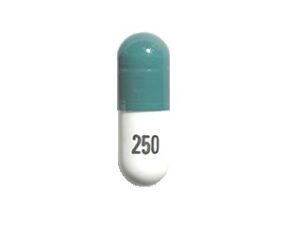
Levaquin (Levofloxacin) — Patient Information (UK)
Levaquin contains levofloxacin, an antibiotic from the fluoroquinolone group. It is used to treat certain bacterial infections in adults when the cause is likely to be sensitive to levofloxacin. This guide explains how the medicine works, how it is used, what to expect, and important safety information for people in the United Kingdom.
Please read this information carefully. It does not replace the advice of a healthcare professional, but it can help you understand your treatment plan and how to take the medicine safely.
1) Basic product information
- Medicinal ingredient: Levofloxacin
- Medicine name: Levaquin
- Medicinal group: Fluoroquinolone antibiotic
- Common strengths: Vary by formulation and availability (your pack will state the exact strength)
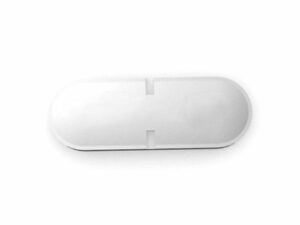
- Form: Tablets are commonly supplied; other formulations may exist
- Country context: Market authorisation and prescribing practices in the UK follow UK medicines regulations and national antimicrobial guidance
2) How Levaquin works (mechanism of action)
Levofloxacin works by blocking key bacterial enzymes needed for DNA replication and repair:
- DNA gyrase inhibition
- Topoisomerase IV inhibition
In simple terms, this prevents bacteria from multiplying effectively, allowing the immune system to clear the infection. Levofloxacin is active against a range of bacteria, but it is not useful against viruses (such as most colds and flu).
3) Pharmacokinetics (how the body handles it)
Pharmacokinetics describes absorption, distribution, metabolism, and elimination. Key points for levofloxacin include:
- Absorption: Levofloxacin is absorbed after being taken by mouth.
- Food effects: Food generally has a limited effect on total absorption, but timing can matter with certain mineral supplements (see “Food interactions”).
- Distribution: It distributes into body tissues and fluids, including respiratory tissues, urinary tract tissues, and skin.
- Elimination: Most of the medicine is removed from the body by the kidneys. Dose adjustments may be needed if kidney function is reduced.
- Half-life (overview): Its dosing schedule typically reflects a relatively long duration of action compared with some other antibiotics.
4) Typical uses and indications
In the UK, levofloxacin is used for bacterial infections where the benefits outweigh risks and where the bacteria are expected to be sensitive. Common indications include:
- Community-acquired pneumonia
- Acute bacterial flare-ups of chronic bronchitis
- Urinary tract infections in appropriate situations
- Prostatitis (infection of the prostate) when bacterial causes are suspected
- Complicated skin and skin structure infections
- In some cases: Certain other serious bacterial infections may be treated depending on local guidance and susceptibility results
Because fluoroquinolones can cause important adverse effects, they are typically considered when other antibiotics are unsuitable, or when there is a higher likelihood of levofloxacin-susceptible bacteria.
5) When and how to take Levaquin (timing)
General timing
- Try to take your doses at roughly the same times each day.
- If prescribed once daily, take the tablet at a consistent time.
- If prescribed twice daily, space doses evenly (for example, morning and evening).
How long to take it
Complete the course as advised. Even if you feel better, stopping early can allow infection to return and can contribute to antibiotic resistance.
If you miss a dose
- Take it as soon as you remember if it is not too close to the next dose.
- If the next dose is near, skip the missed dose and continue as normal.
- Do not double up to make up for a missed dose.
6) Food interactions and what to avoid
Levofloxacin can generally be taken with or without food. However, certain food components and supplements can reduce absorption.
Minerals that can interfere
Avoid taking levofloxacin at the same time as products that contain:
- Iron supplements
- Zinc supplements
- Magnesium supplements
- Aluminium antacids
- Calcium supplements (including some high-dose calcium products)
- Didanosine (if applicable due to buffering agents)
A practical rule: take levofloxacin and these products at least 2 hours before or 2 hours after the antibiotic (your pharmacist or prescriber may advise a specific schedule).
Alcohol
There is no universal “absolute” ban on alcohol for levofloxacin, but drinking alcohol may worsen side effects such as dizziness, tiredness, nausea, and can affect adherence to your course. For the safest approach, consider limiting or avoiding alcohol while you are taking the medicine.
7) Alcohol and medicine interactions
Interactions can be grouped into: (1) interactions with alcohol, and (2) interactions with other medicines. The most important interactions for levofloxacin include:
Alcohol
- Dizziness and alertness: alcohol can increase the likelihood of feeling light-headed or drowsy.
- Side-effect overlap: alcohol may worsen nausea or stomach upset.
- Best practice: avoid heavy drinking; stop alcohol if you notice side effects.
Other medicines (common or important)
- Antacids or mineral supplements (iron, zinc, magnesium, aluminium, calcium): reduce absorption if taken too close together.
- Warfarin and other vitamin K antagonists: may increase bleeding risk; closer monitoring of blood clotting may be needed.
- Medicines that affect heart rhythm (QT prolongation): combining with certain antiarrhythmics and other QT-prolonging medicines may increase risk.
- Oral corticosteroids: combining may increase risk of tendon inflammation or rupture.
- Non-steroidal anti-inflammatory drugs (NSAIDs): may increase risk of nervous system side effects in some people.
- Diabetes medicines (e.g., insulin, sulfonylureas): fluoroquinolones can affect blood sugar—monitoring may be needed.
- Theophylline: may increase risk of side effects.
- Caffeine-related products: fluoroquinolones can increase caffeine levels in the body in some cases.
Always tell a healthcare professional or pharmacist about all medicines you use, including over-the-counter products and herbal supplements.
8) Dosing (typical approach in adults)
Dosing depends on the infection being treated, kidney function, local guidelines, and how severe the illness is. The information below is general and should be confirmed with your individual instructions.
| Typical adult dosing pattern | Notes |
|---|---|
| Once daily regimens are common | Selected based on the infection type and expected bacterial sensitivity. |
| Twice daily regimens may be used | Some conditions or dosing strategies may require divided doses. |
| Renal impairment may require dose adjustment | Because levofloxacin is largely cleared by the kidneys. |
| Treatment length varies | Shorter or longer courses may be chosen based on response and infection site. |
Do not change your dose or stop early without medical advice.
9) Safety profile: important side effects to know
Levaquin is generally effective when used appropriately, but fluoroquinolones have well-recognised risks. Many people tolerate them well; however, you should be aware of symptoms that require urgent medical attention.
Seek urgent medical help if you get
- Signs of severe allergic reaction: swelling of face/lips, difficulty breathing, severe rash or hives.
- Tendon pain or injury: sudden pain, swelling, or difficulty using a tendon (especially Achilles tendon). Stop and seek advice promptly.
- Neurological symptoms: severe agitation, confusion, hallucinations, new or worsening tremor, or seizures.
- Severe or persistent diarrhoea: especially watery or bloody diarrhoea, abdominal cramps, or fever.
- Unusual heart symptoms: fainting, palpitations, or severe dizziness.
- Hypoglycaemia or hyperglycaemia: sweating, shakiness, hunger, or feeling unusually drowsy (low blood sugar); excessive thirst or frequent urination (high blood sugar).
- Severe skin reactions: blistering, peeling skin, or mouth sores.
Common side effects (may be more mild)
- Nausea, diarrhoea, stomach upset
- Headache, dizziness
- Sleep disturbance
- Feeling tired
- Changes in taste
Less common but important
- Nerve effects (peripheral neuropathy): tingling, numbness, burning pain, or weakness
- Muscle or joint pain
- Vaginal thrush (yeast infection) in some people
- Changes in liver tests (often detected by blood tests)
Who may be at higher risk of complications?
Risk can be higher if you:
- Are elderly
- Have kidney problems
- Have a history of tendon disorders
- Take oral corticosteroids
- Have known heart rhythm issues or are taking QT-prolonging medicines
- Have diabetes or glucose control problems
10) Practical use tips for patients
- Stay hydrated: drink fluids regularly unless you have been told to restrict fluids.
- Complete the course: do not stop early because symptoms improve.
- Separate mineral products: keep a time gap from iron, zinc, magnesium, aluminium antacids, and calcium supplements.
- Avoid intense exercise if you feel tendon discomfort: stop activity that triggers pain and contact medical advice.
- Monitor blood sugar if diabetic: watch for symptoms of low/high blood sugar and seek advice if concerned.
- Be cautious with driving and machinery: if you feel dizzy or unwell.
- Tell your healthcare team about other treatments: especially anticoagulants (warfarin), steroid medicines, and heart medications.
- Do not take with dairy supplements at the same time: normal food with dairy is usually fine, but supplements may interfere.
11) Alternative options (general information)
Antibiotic choice depends on the suspected bacteria, infection site, severity, local resistance patterns, and patient-specific factors (allergies, kidney function, pregnancy status, and medicine interactions). Alternatives to levofloxacin may include antibiotics from other classes, selected by your clinician. Examples (varies by condition and local guidance) can include:
- Amoxicillin or amoxicillin-clavulanate
- Doxycycline for certain respiratory/skin infections (not suitable for all cases)
- Macrolides such as azithromycin or clarithromycin (depending on infection type)
- Cefalosporins (where appropriate)
- Other fluoroquinolones (in selected cases, but choice and risk profile still matter)
Your healthcare professional may also consider test results (e.g., urine culture, sputum culture) and severity to guide the best option.
12) UK market and legal context, and recent guidance (overview)
In the United Kingdom, antibiotic use is governed by UK regulations for medicines and by national stewardship efforts that aim to reduce antimicrobial resistance. Fluoroquinolones, including levofloxacin, have been the subject of ongoing safety communications due to tendon, nerve, and other serious adverse effects.
Key themes in UK practice include:
- Appropriate selection: fluoroquinolones should not be used for minor or self-limiting infections.
- Balance of risk and benefit: prescribers consider individual patient risk factors and infection severity.
- Antibiotic stewardship: culture results and local resistance information are used where possible.
If you have questions about why levofloxacin was chosen for your situation, ask your clinician or pharmacist—explaining the suspected bacteria and likely benefit is part of informed decision-making.
13) Delivery and availability in the UK
Availability of levofloxacin products can vary by strength, formulation, and supplier. Many online pharmacies in the UK operate within medicines legislation and typically supply medicines to eligible customers in accordance with UK requirements.
- Stock status: may vary; some strengths may require ordering.
- Delivery: delivery options and timescales depend on the pharmacy and your postcode.
- Packaging: medicines are supplied in manufacturer packaging with clear labelling and patient information.
- Cold chain: usually not required for tablets (unless specified on your product packaging).
If you need the medicine urgently, check expected dispatch and delivery times with the pharmacy before placing an order.
14) FAQ (frequently asked questions)
1. What is Levaquin used for?
Levaquin (levofloxacin) is used to treat certain bacterial infections such as some respiratory tract infections, urinary infections, skin infections, and other serious bacterial conditions where the bacteria are expected to be sensitive.
2. Can I take Levaquin for a cold or flu?
No. Colds and flu are usually caused by viruses. Antibiotics do not work against viruses. If symptoms do not improve or you are concerned, speak to a healthcare professional.
3. How quickly will I feel better?
Many people start to notice improvement within 48–72 hours. If you feel worse, develop new symptoms, or do not improve after a few days, contact your healthcare team.
4. Should I take Levaquin with food?
You can usually take it with or without food. If it upsets your stomach, taking it with food may help. Keep mineral supplements and antacids separated in time.
5. What should I avoid while taking it?
Avoid taking it close together with iron, zinc, magnesium, aluminium antacids, and many calcium supplements. Also avoid heavy alcohol and intense exercise if you have any tendon pain.
6. Can I drink alcohol?
It’s best to limit or avoid alcohol while on treatment. Alcohol may worsen side effects like dizziness and nausea and can make it harder to follow the dosing schedule.
7. What if I miss a dose?
Take it when you remember if it’s not close to the next dose. Otherwise, skip it and continue as planned. Do not take a double dose.
8. What are the most serious side effects?
Seek urgent medical advice if you get signs of an allergic reaction, severe diarrhoea, seizures, severe nerve symptoms (numbness/tingling), tendon pain or rupture, serious skin reactions, or symptoms suggesting heart rhythm problems.
9. Can Levaquin interact with warfarin?
Yes. Levofloxacin may increase the effect of warfarin in some people, raising bleeding risk. If you take warfarin, you may need closer blood clotting monitoring.
10. Can I take other medicines with Levaquin?
Many medicines can be taken safely, but some interactions are important (for example, antacids/minerals, anticoagulants, corticosteroids, diabetes medicines). Tell a pharmacist about everything you take.
11. Is it safe in kidney disease?
Dose adjustment is often needed if kidney function is reduced. Tell your healthcare professional if you have any kidney problems.
12. Are there alternatives if I can’t take it?
Alternatives depend on the infection and your medical history. Your clinician can consider different antibiotic classes or other treatments based on likely bacteria and susceptibilities.
15) Summary
Levaquin (levofloxacin) is a fluoroquinolone antibiotic used for certain bacterial infections. It works by interfering with bacterial DNA replication. While it can be effective, it should be used carefully due to possible serious adverse effects, including tendon injury and nerve-related symptoms. Taking it at the right times, separating it from mineral supplements/antacids, and watching for warning signs are key steps for safe use.
If you have any concerns about side effects, interactions, or whether your symptoms are improving as expected, seek medical advice promptly.