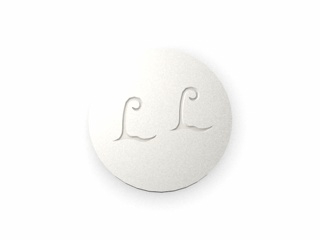
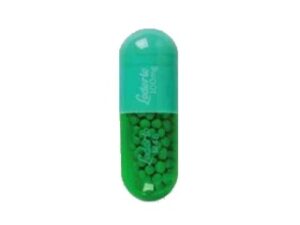
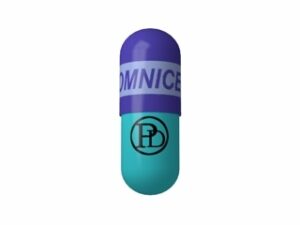
Myambutol (Ethambutol Hydrochloride) — Patient Guide (UK)
Myambutol contains ethambutol hydrochloride, a medicine used as part of treatment for certain serious infections, most notably tuberculosis (TB). It is typically taken alongside other TB medicines to improve effectiveness and reduce the risk of drug resistance.
This guide explains how Myambutol works, how it’s used, what to expect, and important safety information for people in the United Kingdom.
Quick overview
- Medicine name: Myambutol
- Active ingredient: Ethambutol hydrochloride
- Common use: Part of combination therapy for tuberculosis
- How it’s taken: Usually by mouth (tablet or suitable formulation), once daily in many regimens
- Key safety note: Possible eye (vision) effects—report any visual changes promptly
What is Myambutol?
Myambutol is an anti-infective medicine belonging to the group of antitubercular drugs. Ethambutol helps treat TB by targeting the bacteria’s ability to maintain its cell structure.
In TB treatment, Myambutol is usually used as combination therapy with other anti-TB medicines. This approach is essential to prevent the development of resistance and to improve outcomes.
Mechanism of action
Ethambutol works by interfering with the formation of the bacterial cell wall. Specifically, it is thought to inhibit the synthesis of components needed for mycobacteria to grow and survive.
Why combination therapy matters: TB bacteria can be difficult to eradicate. Using multiple medicines with different mechanisms helps ensure bacteria are killed effectively and reduces the chance that resistant strains emerge.
How Myambutol works in the body (pharmacokinetics)
Pharmacokinetics describes how the body absorbs, distributes, metabolises, and eliminates a medicine.
- Absorption: Ethambutol is absorbed after oral dosing. Food may slow absorption slightly, but it does not usually prevent effectiveness.
- Distribution: It can reach tissues where TB may occur, including lungs. It also distributes into body fluids.
- Metabolism: Ethambutol is partially metabolised in the body.
- Elimination: The medicine is mainly excreted via the kidneys. If kidney function is reduced, drug levels may rise, increasing the risk of side effects.
- Half-life: The time taken for the amount of drug in the body to reduce by half varies between individuals and can be longer when kidney function is impaired.
Practical implication: Dose adjustments and closer monitoring may be needed in people with kidney problems.
What is Myambutol used for (indications)?
Myambutol is used to treat tuberculosis, particularly as part of recommended multi-drug regimens.
In practice, it may be used for:
- Pulmonary TB (lung TB)
- Extra-pulmonary TB (TB affecting other body areas, as advised in treatment plans)
- Suspected or confirmed TB where ethambutol is included in the standard combination approach
Important: Myambutol is not used for routine minor infections. It is intended for specific bacterial infections such as TB under clinical guidance.
Typical dosing and timing
Dosing for TB medicines is usually based on body weight and may vary depending on the TB type, severity, and other medicines used alongside ethambutol.
Common approach (general):
- Once daily dosing is commonly used in many TB regimens.
- Some regimens may differ (for example, intermittent dosing in particular circumstances), depending on the treatment plan.
How to take it:
- Try to take Myambutol at the same time each day to help maintain steady levels.
- Swallow tablets with water.
- Do not stop early or change dose without medical advice.
Missed dose:
- If you miss a dose, take it when you remember unless it is close to the next dose.
- If it’s almost time for the next dose, skip the missed dose and continue normally.
- Do not take a double dose.
Kidney impairment: Because ethambutol is mainly cleared by the kidneys, people with reduced kidney function may require dose adjustments and more frequent monitoring for side effects.
How long is treatment?
TB treatment is typically long-term, often measured in months rather than weeks. The exact duration depends on the form of TB, response to treatment, and overall clinical situation.
Completing the full course is important even if you feel better early.
Food interactions
Ethambutol can generally be taken with or without food. However, food may affect the speed at which the medicine is absorbed.
- Best practice: Take it consistently the same way each day (e.g., always with a light meal if you find it helps).
- If you experience stomach upset, consider taking it with food.
Special note: If you are taking multiple TB medicines, follow the schedule provided for each medicine. Some medicines are sensitive to food timing; your treatment plan should specify this.
Alcohol and medicine interactions
Alcohol can worsen overall health and may increase the risk of side effects, especially when taking medications that affect the liver or general metabolism.
- Alcohol: It is generally advisable to avoid or limit alcohol while taking TB medicines, particularly due to potential added stress on the body.
- Interaction with other medicines: TB regimens often include medicines such as rifampicin, isoniazid, pyrazinamide, and others. Some of these can be associated with liver irritation or other effects. Alcohol may increase liver strain.
Practical advice: If you drink alcohol, discuss it with a healthcare professional, especially if you have liver disease, hepatitis history, or abnormal liver tests.
Safety profile: key side effects and warnings
Most people tolerate ethambutol reasonably well when used correctly and monitored. However, some side effects may be serious and should be recognised early.
Serious side effects — seek urgent help if these occur
- Eye/vision changes: Ethambutol can affect vision, including blurred vision, reduced colour vision (especially red–green), or difficulty focusing. Report any changes promptly.
- Signs of a severe allergic reaction: swelling of the face/lips, difficulty breathing, rash with swelling, or severe dizziness.
Other possible side effects
- Headache or dizziness
- Nausea, stomach discomfort, or loss of appetite
- Raised liver enzymes may be seen, particularly in combination regimens
- Increased uric acid may occur in some people (relevant if you have gout)
Who needs extra monitoring?
- People with kidney impairment
- Older adults (due to higher risk of reduced kidney function)
- People taking multiple TB medicines (because overall side-effect profile may increase)
- People with existing eye problems or neurological conditions affecting vision
Vision monitoring: Many TB protocols include scheduled eye checks, particularly for higher doses, longer duration use, or increased risk factors.
Practical use tips
- Take consistently: Choose a time that you can stick to daily.
- Keep a checklist: TB treatment usually involves several medicines. Tracking helps prevent missed doses.
- Know the warning signs: If you notice any change in vision, contact your healthcare team promptly.
- Hydration: Drink water normally unless you have been advised otherwise.
- Kidney health: If you have kidney disease, keep appointments for blood tests and follow dose instructions carefully.
- Report new symptoms early: Early communication helps reduce complications.
Tip for eye safety: If your treatment plan includes eye tests, attend them even if you feel fine—early changes may not be obvious.
Alternative options (tuberculosis treatment context)
Tuberculosis treatment relies on combination therapy. Alternative options depend on factors such as TB type, drug resistance patterns, previous treatment, and local guidelines.
Some other anti-TB medicines that may be used in different regimens include (examples):
- Rifampicin
- Isoniazid
- Pyrazinamide
- Ethionamide (in certain regimens)
- Streptomycin or other agents (in selected cases)
Important: Ethambutol replacement with another medicine is not automatic. Your treatment team will choose alternatives based on susceptibility, side-effect risk, and your individual circumstances.
UK market and legal context (overview)
In the United Kingdom, medicines used for TB are regulated by the Medicines and Healthcare products Regulatory Agency (MHRA) and must follow relevant UK medicines standards. TB medicines are used within pathways set by the NHS and supported by national and local clinical guidance.
Because TB treatment is complex and long-term, dispensing may involve structured care, monitoring (including blood tests and vision checks), and coordination across primary care, specialist TB services, and laboratory services.
Availability: Ethambutol is widely used in TB care, and supply arrangements in the UK are typically managed through standard pharmacy and wholesaler channels. Availability may vary during shortages or supply interruptions.
Recent guidance and monitoring considerations
TB management in the UK is guided by evidence-based recommendations and updates from national bodies and professional organisations. Guidance may evolve to reflect changes in:
- Drug resistance patterns
- Preferred regimens for certain patient groups
- Monitoring strategies for side effects
- Public health requirements and reporting
Common monitoring themes:
- Eye monitoring for ethambutol, particularly in higher-risk situations
- Blood tests to monitor liver function and other safety parameters, especially when multiple TB medicines are taken together
- Adherence support to improve treatment completion
For the latest patient-facing advice, the NHS and TB specialist services are good sources. Your healthcare team can also clarify what specific monitoring applies to your regimen.
Delivery and availability (online pharmacy guide)
Online pharmacies in the UK typically supply medicines through established distribution networks. Delivery times may vary depending on:
- Stock availability
- Prescriber/clinical instructions processing (where applicable)
- Delivery address and chosen delivery service
- Order cut-off times
How to prepare your order:
- Check you have the correct strength and pack size requested.
- Ensure delivery details are accurate.
- If you require regular refills for long TB courses, plan ahead to avoid missed doses.
Packaging: Medicines are usually supplied in original packaging with patient information materials and batch details.
Table: Key information at a glance
| Category | What to know |
|---|---|
| Active ingredient | Ethambutol hydrochloride |
| Common use | Tuberculosis as part of combination therapy |
| How it works | Helps block bacterial cell wall processes in mycobacteria |
| Timing | Often once daily; take at the same time each day |
| Food interaction | Usually can be taken with or without food; be consistent |
| Alcohol | Avoid or limit alcohol; may increase risk of liver strain with TB regimens |
| Most important warning | Vision changes—seek prompt advice |
| Kidney considerations | Cleared mainly by kidneys; dose adjustments may be needed |
FAQ
1) How quickly will Myambutol start working?
TB medicines begin working soon after starting, but symptom improvement can take time. Treatment success depends on using the full course and combining medicines appropriately. Your clinician may track progress with tests and symptom review.
2) Can I stop Myambutol if I feel better?
No. TB treatment must be completed as advised. Stopping early can lead to treatment failure and increase the risk of drug resistance.
3) What should I do if I notice changes in vision?
Contact your healthcare team promptly if you experience blurred vision, difficulty seeing colours (particularly red–green), or other new eye problems. Do not wait for symptoms to “go away” on their own.
4) Does Myambutol interact with other TB medicines?
Ethambutol is usually designed to be used with other TB medicines, but the overall combination can affect safety monitoring. Your regimen may require blood tests and, in many cases, eye checks.
5) Can I take Myambutol with food?
Yes, it is generally possible to take it with or without food. If it upsets your stomach, taking it with a meal may help. Try to take it consistently.
6) Is it safe to drink alcohol while taking TB medicines?
It’s generally best to avoid or limit alcohol. Alcohol may increase the chance of side effects, especially if your TB regimen includes medicines that can affect the liver.
7) What happens if I miss a dose?
Take it when you remember unless it is close to the next dose. If close, skip the missed dose. Do not take a double dose.
8) Do I need extra monitoring if I have kidney problems?
Often, yes. Because ethambutol is cleared by the kidneys, people with reduced kidney function may need dose adjustments and closer monitoring for side effects.
9) Are there any driving or working restrictions?
If you experience vision changes, avoid driving and operating machinery and seek advice promptly. When vision is stable, normal activity may be possible, but follow your healthcare team’s advice.
10) Where can I find guidance for TB treatment in the UK?
Your local TB service and the NHS provide the most relevant, up-to-date patient information. You can also ask your healthcare team which monitoring schedule applies to you.
Important reminder: This information is intended to support understanding of Myambutol. It does not replace advice from a healthcare professional. If you have concerns about side effects, drug interactions, or suitability for you, contact your healthcare team promptly.