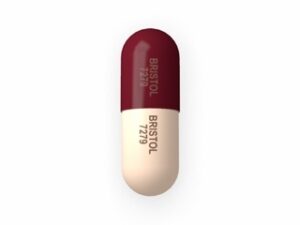


Principen (Ampicillin) — Patient-Friendly Medicine Information (UK)
Principen is the brand name used in the UK for ampicillin, an antibiotic from the penicillin group. It is used to treat certain bacterial infections by stopping the growth of susceptible bacteria. This page explains how Principen works, how it’s used, common interactions, and practical tips to help you take it safely.
Always follow the instructions provided by your healthcare professional and read the Patient Information Leaflet supplied with your medicine. If you are unsure about anything, speak to a pharmacist or clinician.
Quick Overview
| Topic | What to know |
|---|---|
| Active ingredient | Ampicillin |
| Medicine type | Antibiotic (penicillin class) |
| How it works | Stops bacteria building a protective cell wall |
| Common uses | Selected infections caused by susceptible bacteria (as advised) |
| Typical timing | Often taken at regular intervals throughout the day |
| Food | Usually can be taken with or without food; specific advice may vary |
| Key safety points | Stop and seek help for severe allergic reactions or serious diarrhoea |
| UK availability | Availability depends on product form/strength and local supply |
Basic Product Information
Principen contains ampicillin as the active ingredient. Ampicillin works against certain bacteria (see “Mechanism of Action” and “Indications”).
- Medicine class: Penicillin antibiotic
- Common forms: Depending on supply, you may find capsules, tablets or other formulations (varies by product and strength)
- How it is used: For infections where the causative bacteria are likely to be susceptible to ampicillin
How Principen (Ampicillin) Works
Ampicillin kills susceptible bacteria by interfering with cell wall synthesis. Bacteria rely on a strong, protective cell wall to survive and reproduce. Ampicillin targets processes involved in building that wall, causing the bacteria to become unstable and die.
Important: Antibiotics such as ampicillin only work against bacteria. They do not treat viral illnesses like colds or flu.
Mechanism of Action (In More Detail)
Ampicillin belongs to the beta-lactam group of antibiotics (penicillins). It binds to penicillin-binding proteins (PBPs) which are essential for forming and cross-linking the bacterial cell wall. When PBPs are blocked, the bacterial cell wall can’t be formed properly, leading to bacterial death.
Some bacteria produce enzymes (beta-lactamases) that can break down ampicillin, making it ineffective for those organisms.
Pharmacokinetics: How the Body Processes Ampicillin
“Pharmacokinetics” describes what the body does to a medicine—absorption, distribution, metabolism, and elimination.
Absorption
Ampicillin is generally absorbed after oral administration. Absorption may be affected by food and the specific formulation, but many people can take it with or without food as advised by their clinician or pharmacist.
Distribution
After absorption, ampicillin spreads into body fluids and tissues. It may reach sites of infection depending on the infection type and the integrity of surrounding tissues.
Metabolism
Ampicillin is not extensively metabolised. Most of the active drug remains available to exert its antibiotic effect.
Elimination
Ampicillin is cleared primarily through the kidneys. This matters if you have kidney problems—your healthcare professional may adjust the dose or dosing interval.
Tip: Stay well hydrated unless you’ve been told to limit fluids.
Typical Uses in the UK
Principen (ampicillin) is used to treat specific bacterial infections when the bacteria involved are known or strongly suspected to be susceptible. The exact indication depends on your clinical situation, local resistance patterns, and—when available—results from tests.
Typical examples (not exhaustive) may include infections involving organisms sensitive to ampicillin. Your prescriber will decide the most appropriate antibiotic based on factors such as symptoms, infection site, and your medical history.
When it’s commonly considered
- Some respiratory tract infections caused by susceptible organisms
- Certain urinary tract infections where the responsible bacteria are likely to be susceptible
- Other infections as guided by clinical assessment and microbiology
Not for: Viral infections (e.g., colds, most cases of flu), and bacterial infections that are known or suspected to be resistant to ampicillin.
When to Take Principen: Timing and Duration
Antibiotics work best when blood levels remain within an effective range. For that reason, dosing is usually planned at regular intervals across the day.
- Take it at evenly spaced times (e.g., morning, afternoon, evening, or as instructed).
- Finish the full course even if you start to feel better.
- Do not stop early unless your prescriber advises you to—stopping early can contribute to treatment failure and resistance.
If you miss a dose, follow the instructions in the Patient Information Leaflet. In general, take it when you remember unless it’s close to the next dose. Do not take a double dose to make up for a missed one.
Food Interactions: Can You Take Principen With Meals?
In many cases, ampicillin can be taken with or without food. Food may influence how quickly the medicine is absorbed, but it often does not prevent its overall action.
- If you feel nauseous, taking it with food may make it easier to tolerate.
- Try to keep dosing habits consistent from day to day.
If the leaflet or your pharmacist provided specific instructions (for example, relating to timing with meals), follow those instructions.
Alcohol and Medicine Interactions
Alcohol doesn’t always have a direct interaction with ampicillin, but it can worsen side effects such as:
- Stomach upset or nausea
- Diarrhoea
- Dizziness in some people
During an infection, your body is already under strain. Drinking alcohol may make you feel worse and can delay recovery. For the safest approach, it’s best to avoid alcohol while you’re unwell and taking antibiotics, or keep intake very limited and only if you tolerate it well.
Also consider alcohol-related interactions with any other medicines you take at the same time. If you’re taking pain relief, anti-histamines, or other drugs, check with a pharmacist for personal advice.
Other Medicine Interactions (Important)
Some medicines can interact with ampicillin. Always tell your pharmacist or prescriber about all medicines you take, including over-the-counter products and herbal supplements.
Common interaction themes
- Allopurinol: In some people, the combination with certain antibiotics can increase the risk of skin rash.
- Oral anticoagulants (blood thinners): Antibiotics may alter gut bacteria involved in vitamin balance, potentially affecting bleeding tendency. Monitoring may be needed depending on your situation.
- Probenecid: Can reduce kidney clearance of penicillin-type antibiotics, potentially increasing antibiotic levels.
- Oral contraceptives: Although evidence varies by antibiotic, if you experience vomiting or severe diarrhoea, contraceptive effectiveness may be reduced. Use extra precautions if advised.
This list isn’t exhaustive. If you share a full medicine list (including supplements), your pharmacist can check for interaction risks.
Indications: Who Should Use Principen?
Principen is indicated for treating specific bacterial infections caused by susceptible bacteria. It should not be used for infections that are likely viral or for bacteria known to be resistant.
In the UK, antibiotic selection is increasingly guided by antibiotic stewardship to reduce resistance. Clinicians aim to choose the narrowest effective treatment and consider local resistance patterns.
Situations where extra caution may be needed
- History of allergy to penicillins or beta-lactams
- History of severe reactions (for example, anaphylaxis)
- Kidney impairment (dose adjustments may be necessary)
- History of antibiotic-associated colitis or recurrent diarrhoea
- Mononucleosis (glandular fever): Some people get prominent rashes with certain antibiotics
If any of the above applies to you, discuss it with a healthcare professional before starting.
Dosing: General Guidance (Personalised by Your Clinician)
Doses vary depending on the infection, age, kidney function, and severity. The exact dose and schedule should be provided on your label and in the leaflet.
General principles:
- Follow your dosing schedule exactly.
- Adjustments may be required if you have kidney problems.
- Children and older adults may have different dosing needs.
Because dosing is individual, this page does not provide a single “one-size-fits-all” regimen. Use your prescribed instructions or pharmacist’s label directions.
Safety Profile: Side Effects and When to Get Help
Like all medicines, Principen (ampicillin) can cause side effects. Many people tolerate it well, but it’s important to recognise serious reactions early.
Common side effects
- Diarrhoea or loose stools
- Nausea or stomach discomfort
- Skin rash (mild rashes can occur; severe rashes are urgent)
- Headache in some people
Serious side effects (seek urgent medical advice)
- Signs of allergy:
- Swelling of the face, lips, tongue, or throat
- Difficulty breathing or wheezing
- Severe widespread rash or blisters
- Severe diarrhoea (especially watery or bloody), fever, or severe abdominal pain — could indicate a serious bowel condition
- Yellowing of the skin/eyes or dark urine (possible liver-related issues)
- Unusual bruising or bleeding (rare; seek advice)
If you suspect an allergic reaction, stop taking the medicine and seek urgent help immediately.
Precautions
- If you have previous penicillin allergy, inform your healthcare professional.
- If you develop a rash, don’t ignore it—contact a healthcare professional, particularly if it spreads or is associated with fever or breathing symptoms.
Practical Use Tips for Safer, More Effective Treatment
- Use reminders (phone alarms or a pill organiser) to help you take doses on time.
- Hydrate and eat as tolerated. If your stomach feels sensitive, take with food if allowed.
- Track your symptoms: note temperature, pain, and overall wellbeing. If symptoms don’t improve within the expected time, seek medical advice.
- Complete the course even if you feel better.
- Don’t share antibiotics with others. Different infections require different treatments.
If you forget a dose, check the leaflet or speak with a pharmacist for personal guidance.
Alternative Options (Depending on the Infection)
The best alternative depends on the infection type and the organism involved. Antibiotics differ in spectrum (which bacteria they cover), dosing schedules, and side effect profiles.
Examples of alternative antibiotics that a clinician may consider (depending on suitability):
- Amoxicillin (a related penicillin antibiotic)
- Co-amoxiclav (amoxicillin plus a beta-lactamase inhibitor)
- Cefalexin or other cephalosporins in selected cases
- Macrolides such as azithromycin or clarithromycin when appropriate
- Clindamycin or other options depending on infection site and resistance
If you can’t take ampicillin due to allergy or resistance, your healthcare professional will choose the most appropriate alternative based on clinical assessment, test results, and UK guidance.
Market & Legal Context in the United Kingdom
In the UK, antibiotics are medicines regulated to support safe and effective use. Medicines such as Principen (ampicillin) are supplied through regulated channels and are intended to be used for bacterial infections where appropriate.
UK antibiotic prescribing follows antimicrobial stewardship principles. Healthcare professionals aim to:
- Prescribe antibiotics only when likely beneficial
- Select the most targeted antibiotic possible
- Review ongoing need if symptoms don’t improve
- Reduce unnecessary use to help slow antibiotic resistance
Current local practice is influenced by national recommendations, including guidance from organisations such as National Institute for Health and Care Excellence (NICE) and public health bodies, alongside microbiology and resistance data.
Recent Guidance and Antibiotic Stewardship Notes (UK)
UK practice continues to emphasise careful selection of antibiotics, dose accuracy, and appropriate duration. Over the past years, stewardship messaging has increasingly focused on:
- Not using antibiotics for viral infections
- Choosing first-line treatments when they match likely bacterial causes
- Reassessing treatment if there’s no clinical improvement
- Reducing harm from side effects and antibiotic resistance
If you have concerns about whether an antibiotic is necessary, ask your pharmacist or GP. They can explain the reasoning based on your symptoms and risk factors.
Delivery, Availability & How to Buy in the UK
Availability of Principen may vary depending on the exact product form and strength and on supplier stock levels. Online pharmacies typically display current availability at the time of ordering.
- Stock status: check the product page for “in stock” or delivery estimate
- Delivery options: commonly standard delivery or a faster tracked service (depends on provider)
- Cold-chain: not usually required for ampicillin products
- Packaging: medicines are supplied in manufacturer-approved packaging to protect product integrity
If you need delivery by a specific date or you’re managing ongoing treatment, choose an option that ensures your supply arrives on time.
FAQ: Frequently Asked Questions About Principen (Ampicillin)
1) What is Principen used for?
Principen (ampicillin) is used to treat certain bacterial infections caused by organisms that are susceptible to ampicillin. Your healthcare professional decides if it’s suitable for your condition.
2) How quickly should I feel better?
Many people start to feel some improvement within 48–72 hours after starting an effective antibiotic. If your symptoms are worsening or not improving within the expected timeframe, contact a healthcare professional.
3) Can I take Principen with food?
Often, yes. Many people tolerate ampicillin well with or without food. If you’re given specific instructions by your clinician or pharmacist, follow those.
4) Is it safe to drink alcohol while taking it?
There is no universal “must avoid” rule, but alcohol can increase the risk of side effects and may worsen how you feel while you’re unwell. For best safety, limit or avoid alcohol during treatment.
5) What if I miss a dose?
Refer to the Patient Information Leaflet for guidance. In general, take the missed dose when you remember unless it’s nearly time for the next dose. Do not take double doses without advice.
6) What side effects are normal?
Mild stomach upset and diarrhoea can occur. A mild rash may also happen. However, seek urgent advice for severe allergy symptoms, blistering rash, or severe diarrhoea with fever or blood.
7) What are signs of an allergic reaction?
Seek urgent help if you develop difficulty breathing, swelling of the face/lips/tongue, or a severe widespread rash or blistering skin reaction.
8) Can I take Principen if I’m allergic to penicillin?
If you’ve previously had an allergic reaction to penicillins (or other beta-lactam antibiotics), you should tell a pharmacist or prescriber. They will advise on whether ampicillin is safe for you.
9) Does Principen interact with other medicines?
Yes, certain medicines can interact—particularly those affecting kidney clearance, bleeding risk, or skin rash risk (for example, depending on your personal medicines). Always provide your full medicine list to your pharmacist.
10) Are there alternatives if it doesn’t work?
If the infection isn’t improving, or if the bacteria are resistant, your healthcare professional may switch to a different antibiotic or adjust the plan based on tests, severity, and likely causes.
When to Contact a Healthcare Professional
Contact a pharmacist, GP, or urgent care service if:
- Your symptoms are not improving within the expected timeframe
- You develop severe diarrhoea, dehydration, or persistent vomiting
- You experience a rash that is spreading, blistering, or accompanied by fever
- You have breathing difficulties or signs of allergy
For emergencies (such as trouble breathing or facial swelling), seek emergency medical help immediately.
Remember: Antibiotics like Principen are most effective when taken exactly as directed and for the full recommended duration. If you have any concerns about suitability, side effects, or interactions, your pharmacist can help you safely.