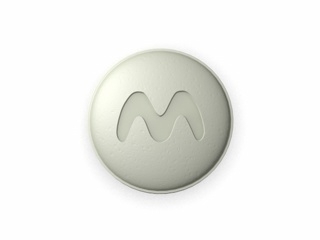
Mobic (Meloxicam) – Patient-Friendly Guide (UK)
Mobic is a brand of meloxicam, a medicine from the group known as non-steroidal anti-inflammatory drugs (NSAIDs). It is used to relieve pain and reduce inflammation in certain conditions, especially where symptoms are ongoing. This guide explains how Mobic works, when it is used, how to take it safely, and what to expect.
Always read the patient information leaflet supplied with your medicine and follow the advice from your healthcare professional. If you are unsure about suitability, interactions, or dosing, seek medical advice.
1) Basic product information
- Medicine name: Mobic
- Active ingredient: Meloxicam
- Medicinal type: NSAID (anti-inflammatory painkiller)
- Common strengths: Common tablet strengths include 7.5 mg and 15 mg (availability may vary)
- How it’s used: Oral tablets (sometimes in other formulations depending on product availability)
| Category | What it means for you |
|---|---|
| NSAID | Helps reduce inflammation and pain by affecting prostaglandins in the body |
| One daily dose (often) | Many people take it once a day, but dosing should follow your clinician’s direction or the label |
| Symptom relief | Meloxicam reduces symptoms; it does not “cure” conditions such as osteoarthritis |
2) How Mobic works (mechanism of action)
Meloxicam works by reducing the body’s production of certain chemical messengers called prostaglandins. Prostaglandins play a role in pain signalling, inflammation, and fever.
NSAIDs like meloxicam help ease symptoms such as joint pain, stiffness, and swelling—particularly in conditions where inflammation contributes to discomfort.
Like other NSAIDs, meloxicam can also reduce protective prostaglandins in the stomach and kidneys, which is why it may increase the risk of side effects in some people.
3) Pharmacokinetics (how your body handles meloxicam)
“Pharmacokinetics” describes what happens to a medicine after you take it—how it is absorbed, distributed, metabolised, and eliminated. The information below is general and may vary between individuals.
- Absorption: Meloxicam is absorbed after oral dosing. Tablets are designed for consistent delivery. Taking it with food can help reduce stomach discomfort for some people.
- Peak levels: Blood levels generally rise over several hours after a dose (time to peak can vary by person).
- Distribution: It distributes through the body; it is also highly bound to plasma proteins.
- Metabolism: Meloxicam is metabolised mainly in the liver.
- Elimination: It is eliminated through the body, largely by the kidneys and via bile pathways.
- Half-life: Meloxicam has a prolonged effect, which is one reason it is often taken once daily.
4) Typical use in the UK
In the UK, meloxicam is commonly used to relieve pain and inflammation associated with conditions such as:
- Osteoarthritis (degenerative joint disease), especially with painful inflammation
- Rheumatoid arthritis (inflammatory joint disease)
- Ankylosing spondylitis (inflammatory back condition)
It may also be used for other musculoskeletal pain problems depending on clinical assessment and local practice.
5) When and how to take Mobic (timing and daily routine)
General timing
Many people take Mobic once daily. For best results, take it at the same time each day. If you miss a dose, do not take a double dose to catch up—follow the advice on the label or leaflet.
With or without food
Mobic can often be taken with food or on an empty stomach, but taking it with meals may reduce stomach irritation. Choose the routine that feels best for you and fits your usual eating pattern.
How to swallow
- Swallow tablets with water.
- Do not crush or chew unless the leaflet or pharmacist confirms this is safe for your specific product.
How long to take it
NSAIDs can be used for short periods or longer courses depending on the underlying condition. If symptoms are not improving after a reasonable time, speak to a healthcare professional rather than continuing indefinitely.
6) Food interactions and stomach considerations
Food does not usually “cancel out” meloxicam, but it can affect how comfortable it feels in the stomach.
- Taking with food: Often recommended if you experience indigestion, nausea, or heartburn.
- Avoid taking with other irritants: If you have a sensitive stomach, minimise additional burden from alcohol (see below) and consider discussing gastro-protection options with a clinician.
- Hydration: Staying well-hydrated can help reduce stress on the kidneys.
If you develop persistent stomach pain, vomiting blood, black/tarry stools, or severe heartburn, stop and seek urgent medical advice.
7) Alcohol and medicine interactions
Alcohol and NSAIDs can both irritate the stomach lining and increase bleeding risk. Combining them may increase the likelihood of gastrointestinal side effects.
Practical guidance
- Limit alcohol: Try to avoid frequent or heavy drinking while using meloxicam.
- Higher risk groups: Be extra cautious if you have a history of stomach ulcers/bleeding, are over 65, or take certain other medicines (such as anticoagulants).
Important medicine interactions
Meloxicam can interact with other medicines. Some interactions may be serious, including increased bleeding risk or effects on kidney function. Always check your current medicines with a pharmacist or clinician.
- Other NSAIDs: Avoid using alongside ibuprofen, naproxen, diclofenac, or aspirin for pain relief (unless specifically directed).
- Anticoagulants / “blood thinners”: e.g., warfarin; combining may increase bleeding risk.
- Antiplatelet medicines: e.g., clopidogrel; can increase bleeding tendency.
- SSRIs/SNRIs (some antidepressants): may increase risk of GI bleeding when combined with NSAIDs.
- Diuretics (water tablets): can increase the chance of kidney problems in combination.
- ACE inhibitors / ARBs: used for blood pressure/heart conditions; combined use can increase kidney risk.
- Lithium: NSAIDs can increase lithium levels—monitoring may be needed.
- Methotrexate: may increase toxicity—dose and timing require careful clinician guidance.
- Cyclosporine / tacrolimus: may increase kidney-related risks.
- Oral corticosteroids: increases stomach ulcer/bleeding risk.
- Some diabetes medicines: rare changes in glucose control—monitoring may be needed.
If you have a long medication list, keep it handy when speaking to a pharmacist. Even “common” over-the-counter products (like painkillers containing other NSAIDs) can interact.
8) Indications (what Mobic is used for)
Meloxicam is indicated for the treatment of inflammatory and painful conditions in which reducing inflammation improves quality of life.
- Osteoarthritis: joint pain and stiffness in degenerative joint disease.
- Rheumatoid arthritis: inflammatory arthritis; can help reduce pain and inflammation.
- Ankylosing spondylitis: inflammatory back pain and stiffness.
It is not usually intended for sudden short-term relief of minor aches unless a clinician advises it for that purpose. When pain is new or severe, it’s important to consider whether an underlying injury or different condition needs assessment.
9) Dosing (how much to take)
Dosing should be based on your individual condition, age, kidney function, other medicines, and risk factors. Below are general dosing principles used with meloxicam in practice. Always follow the directions on your specific product.
Typical adult dosing principles
- Once-daily dosing: Often used to reduce convenience burden and maintain consistent pain relief.
- Lowest effective dose: The goal is to use the smallest dose that provides benefit for the shortest duration necessary.
- Duration varies: Some people use it for flare-ups; others use it regularly under medical review.
Example dose patterns you may see in practice:
- Osteoarthritis: commonly started at the lower strength (commonly 7.5 mg once daily), adjusted if needed.
- Rheumatoid arthritis / Ankylosing spondylitis: may require a higher dose (commonly 15 mg once daily), depending on response and tolerance.
In older adults or those with increased risk of side effects, clinicians may recommend the lowest dose and closer monitoring.
Overdose warning
Taking more than recommended can be dangerous. If you suspect an overdose, seek urgent medical help or contact the NHS111 service or local emergency services.
10) Safety profile (common side effects and serious warnings)
Like all medicines, Mobic can cause side effects. Many people tolerate it well, but certain risks are important to understand, especially in the UK where NSAID-related harms have been well studied.
Common side effects
- Indigestion, heartburn, stomach discomfort
- Nausea
- Headache
- Dizziness
Less common but notable side effects
- Fluid retention (swelling, weight gain)
- Raised blood pressure in some people
- Skin reactions
- Changes in kidney function (especially if dehydrated or with other interacting medicines)
Serious side effects – get urgent medical help
Seek urgent medical attention if you experience any of the following:
- Signs of stomach bleeding: vomiting blood, black/tarry stools, or blood in stool
- Severe allergic reaction: swelling of face/lips, breathing difficulties, wheeze, or severe rash
- Severe abdominal pain or persistent vomiting
- Chest pain, sudden weakness, or signs of stroke (face drooping, speech difficulty)
- Severe skin reactions (e.g., blistering, peeling, or painful rash)
- Reduced urine output or symptoms suggesting kidney problems
Who needs extra caution?
- People with a history of stomach ulcers or GI bleeding
- Older adults (risk increases with age)
- People with heart disease or risk factors for cardiovascular events
- People with kidney disease or dehydration
- People with asthma or NSAID-sensitive reactions
- People using medications that increase bleeding risk
11) Practical use tips for safer, more comfortable treatment
- Follow the “lowest effective dose” approach: Don’t increase dose without advice.
- Use with food if you get indigestion: It can improve tolerability.
- Stay hydrated: Especially if it’s hot, you’re unwell, or you’re active.
- Avoid stacking NSAIDs: Don’t take ibuprofen/naproxen/diclofenac at the same time unless specifically told.
- Check OTC products: Some cold/flu medicines contain NSAID ingredients.
- Monitor for warning signs: Stop and seek help if you notice bleeding, severe stomach pain, or allergic symptoms.
- Be careful around illness: If you’re vomiting, have diarrhoea, or can’t drink fluids, NSAIDs may increase kidney risk—seek advice.
12) Alternative options for pain and inflammation
Depending on your condition and health history, alternatives may include other NSAIDs, different analgesics, or non-medicine approaches. In the UK, decisions are often personalised to balance benefits with GI, kidney, and cardiovascular risks.
Medication alternatives
- Other NSAIDs: e.g., ibuprofen or naproxen (still carry similar NSAID risks).
- Paracetamol (acetaminophen): may help for pain, though it is not as anti-inflammatory as NSAIDs.
- Topical NSAIDs: e.g., diclofenac gel can be helpful for local joint pain with lower systemic exposure.
- Adjuvant therapies: For some chronic pain conditions, clinicians may consider other targeted treatments.
Non-medicine approaches
- Physiotherapy and exercise: strength, mobility, and flexibility can reduce symptoms over time.
- Heat/cold therapy: may help flare-ups and stiffness.
- Weight management: can reduce load on weight-bearing joints in osteoarthritis.
- Assistive devices: braces, orthotics, or canes can improve comfort and function.
If Mobic doesn’t suit you, a pharmacist or clinician can advise on the safest alternative based on your medical history.
13) Market and legal context in the UK
In the UK, medicines are regulated to ensure quality, safety, and appropriate supply. NSAIDs including meloxicam are subject to healthcare oversight and specific legal classification. Supply channels may vary depending on pack size, strength, and product formulation.
For online pharmacy purchasing, reputable suppliers typically use a patient safety process such as eligibility checks, allergy and interaction screening, and guidance on appropriate use. This helps reduce the risk of harmful interactions and misuse.
Always use medicines from regulated UK pharmacies and check the product packaging for brand, strength, and expiry date.
Recent guidance and safety emphasis (UK context)
UK healthcare advice for NSAIDs commonly emphasises:
- Using the lowest effective dose for the shortest necessary duration
- Being particularly cautious in people at higher risk of GI bleeding, kidney impairment, or cardiovascular events
- Reviewing long-term NSAID use periodically
- Avoiding simultaneous use of multiple NSAIDs
- Considering stomach protection where appropriate for higher-risk individuals
Local guidance may change over time. If you’re using Mobic long-term or have multiple conditions, it’s sensible to review ongoing need and risk with a healthcare professional.
14) Delivery, availability, and ordering (UK)
Availability of Mobic can vary by strength and formulation. Many online pharmacies in the UK provide:
- Clear pack information: brand name, strength, tablet count, and expiry
- UK delivery options: standard or express delivery depending on the provider
- Pharmacist support: safety and suitability questions may be answered before dispatch
Delivery times depend on stock levels and your location in the UK. When placing an order, check:
- Estimated delivery window
- Cost and delivery restrictions
- How to contact the pharmacy if you need help with dosing or side effects
Store medicines in a cool, dry place, and keep them out of reach of children. Check the expiry date before use.
15) FAQ (Frequently Asked Questions)
Can I take Mobic with food?
Yes, Mobic can usually be taken with food. Many people find taking it with meals reduces indigestion. If you get stomach discomfort, consider taking it with food and discuss further options with a pharmacist.
How quickly does Mobic work?
Some people notice symptom relief within the first day, but the full benefit may take several days depending on the condition and inflammation level. If symptoms are not improving, consult a healthcare professional.
Is it safe to take ibuprofen or other painkillers with Mobic?
Avoid taking other NSAIDs (including ibuprofen, naproxen, or diclofenac) at the same time unless specifically advised. Taking multiple NSAIDs increases the risk of stomach bleeding and kidney issues.
What should I do if I miss a dose?
If you forget a dose, take it when you remember unless it is close to the time for your next dose. Do not take a double dose. Follow the advice in the leaflet or on the label.
Can I drink alcohol while taking meloxicam?
It’s best to limit or avoid alcohol, because alcohol can increase the risk of stomach irritation and bleeding when combined with NSAIDs.
Who should not take Mobic?
Suitability depends on individual medical history. Extra caution is needed if you have a history of stomach ulcers or bleeding, kidney disease, severe heart conditions, uncontrolled high blood pressure, or NSAID-sensitive asthma. If you have any doubts, speak to a pharmacist before using.
Does Mobic affect the kidneys?
NSAIDs can reduce blood flow to the kidneys in some circumstances. Risk increases with dehydration, older age, existing kidney problems, and certain interacting medicines. Seek advice if you develop reduced urine output, severe fatigue, or swelling.
Can I take Mobic if I’m pregnant?
NSAIDs may be harmful in certain stages of pregnancy. If you are pregnant or planning pregnancy, discuss the safest options with a healthcare professional before taking meloxicam.
Are there long-term risks?
Using NSAIDs for longer periods can increase risks such as stomach bleeding, kidney problems, and cardiovascular events—especially at higher doses or in people with risk factors. Long-term use should be reviewed by a healthcare professional.
What should I do if I get side effects?
If side effects are mild (e.g., indigestion), taking with food and reviewing dose timing may help. If you have warning signs such as black stools, vomiting blood, severe allergic symptoms, chest pain, or breathlessness, seek urgent medical help.
What are common alternatives if Mobic doesn’t help?
Alternatives include other NSAIDs, topical treatments, paracetamol for pain relief, or non-medicine approaches such as physiotherapy and exercise. The best option depends on your diagnosis and health risks.
Summary
Mobic (meloxicam) is an NSAID used in the UK to reduce pain and inflammation in conditions such as osteoarthritis, rheumatoid arthritis, and ankylosing spondylitis. It works by lowering prostaglandin production, which helps symptoms but may also affect the stomach, kidneys, and (in some people) the cardiovascular system.
For safer use, take it consistently as directed, consider taking it with food, avoid combining with other NSAIDs, limit alcohol, and seek medical help if you notice serious warning signs. If you have questions about suitability or interactions, contact a pharmacist.