

Clenbuterol: Uses, How It Works, Safety, and UK Information
Clenbuterol is a medicine sometimes discussed for its effects on the airways and, separately, for its stimulant-like actions on muscle. In the United Kingdom, availability and legal status can vary by product type and licensing. This page is designed to help you understand what clenbuterol is, how it may work, how the body handles it, and important safety considerations, particularly when used for any purpose.
Important: Clenbuterol can have clinically significant side effects, especially at higher doses or in people with heart-related risks. Always check whether a product is properly authorised for use in the UK and follow the instructions provided with your specific medicine.
Basic product information
| Category | Details |
|---|---|
| Generic name | Clenbuterol |
| Medicine type | Beta-2 (β2) adrenergic agonist with bronchodilator and stimulant-like properties |
| Common routes | Oral formulations may exist in some markets; exact forms depend on local licensing |
| Therapeutic area | Airway disorders (where authorised) |
| Key concerns | Tremor, palpitations, raised heart rate, electrolyte changes (e.g., potassium), and potential cardiovascular strain |
| Regulatory/availability | May be limited or vary in the UK depending on licensing and product source |
How Clenbuterol works (mechanism of action)
Clenbuterol acts primarily as a beta-2 adrenergic receptor agonist. These receptors are found in airway smooth muscle and, to a lesser extent, in other tissues.
- Airway effects: When beta-2 receptors are activated, smooth muscle in the airways relax, leading to bronchodilation (widening of the airways). This can help reduce breathing difficulty in conditions involving airway narrowing.
- Metabolic/stimulant effects: Beta-2 stimulation can influence metabolism and may contribute to effects that some people seek for performance or body composition. However, these non-medical motivations can increase the risk of adverse effects.
- Physiological stimulation: Beta-2 agonists can also cause symptoms such as tremor and increased heart rate, depending on dose and individual sensitivity.
Pharmacokinetics (how the body handles it)
Pharmacokinetics describes absorption, distribution, metabolism, and excretion. While exact values can vary by formulation and patient characteristics, key concepts for clenbuterol generally include:
- Absorption: Clenbuterol taken by mouth is absorbed through the gastrointestinal tract. The rate and extent of absorption may vary with food and individual factors.
- Distribution: It distributes throughout the body. Because it can affect the cardiovascular system, systemic exposure matters.
- Metabolism: Metabolism occurs primarily in the liver through pathways typical of many small-molecule medicines.
- Elimination: Clenbuterol is eliminated mainly via metabolic clearance and excretion of metabolites.
- Duration of action: Many beta-2 agonists differ in duration. Clenbuterol is often discussed as having a relatively prolonged effect compared with shorter-acting bronchodilators, which influences dosing timing. Your product instructions should be followed closely.
Why this matters: Because effects may last longer than some people expect, side effects can also persist longer. This is one reason that monitoring for symptoms such as palpitations, tremor, and dizziness is important.
Typical use and indications in the UK context
In licensed medical practice, clenbuterol may be considered for conditions involving reversible airway constriction, such as certain bronchospasm-related states. However, in the UK market, availability of clenbuterol as an authorised medicine may be limited, and commonly used alternatives for asthma and COPD are well established.
Common indications (where authorised)
- Bronchospasm associated with airway diseases
- Symptomatic relief where airway narrowing contributes to breathing difficulty
Because regulatory status and clinical guidance change over time, you should rely on UK-authorised products and UK clinical standards for treating asthma or COPD.
Important note about non-medical use
Clenbuterol is sometimes discussed outside conventional respiratory therapy. Using medicines for purposes other than their intended, licensed use may increase health risks and can lead to legal and safety issues. Focus on evidence-based treatment plans and seek appropriate clinical advice where needed.
Dosing: general principles and timing
Do not attempt to self-determine doses. The appropriate regimen depends on the specific product strength, formulation, individual health factors, and the reason for use.
That said, patients often want to understand the general dosing principles for medicines in this class:
- Start low, go slow: Beta-2 agonist side effects (tremor, palpitations) can appear early. Clinicians may start with a lower amount and adjust only if needed and safe.
- Minimum effective dose: The goal is symptom control with the least exposure that still helps breathing.
- Spacing and timing: If a product is taken once or twice daily, it’s often scheduled to maintain consistent effects while limiting peaks that increase side effects.
Timing relative to daily activities
- Evening vs morning: Some people experience tremor or palpitations; taking it earlier in the day may reduce disruption of sleep. Only adjust timing under appropriate guidance for your medicine.
- Consistency: Take doses at similar times each day to maintain steady exposure.
Missed dose: If you miss a dose, take it when you remember unless it is close to the next dose time. Do not double doses unless directed by a healthcare professional.
Food interactions
Food can affect absorption of medicines. For clenbuterol, the interaction profile is not the same as for every beta-agonist, but practical considerations include:
- General absorption guidance: Many medicines are absorbed adequately with or without food, but the speed of absorption may differ.
- Consistency is key: If your product’s instructions do not specify food restrictions, it’s usually best to take it the same way each day (with food or without), to maintain predictable effects.
- Gastric upset: If you experience nausea or stomach discomfort, taking with a light meal may help—confirm with your product instructions.
Seek advice if you have digestive conditions, use feeding supplements, or have had major changes in appetite or weight.
Alcohol interactions
Alcohol may worsen certain side effects associated with beta-agonists, such as:
- Dizziness or lightheadedness
- Increased heart rate sensation
- Dehydration and possible electrolyte disturbances
There is no single “safe amount” for everyone. As a practical approach, it is often wise to avoid or limit alcohol while taking clenbuterol, especially in the early period or when adjusting dose.
If you notice palpitations, chest discomfort, faintness, or worsening tremor after alcohol, stop alcohol intake and seek medical advice promptly.
Interactions with other medicines
Clenbuterol may interact with other drugs through effects on the cardiovascular system and electrolytes. Always review your complete medication list, including over-the-counter products and supplements.
Medicines that may increase side effects
- Other beta-agonists (including some inhalers): combined effects can increase tremor, heart rate, and other stimulant-like symptoms.
- Medicines affecting the heart rhythm: combining may increase risk of palpitations or arrhythmias, particularly in people with existing heart conditions.
- Diuretics (“water tablets”): can affect potassium levels; combined electrolyte effects may contribute to cramps or weakness.
- Thyroid hormone (levothyroxine) in excess: may amplify “stimulant” symptoms such as palpitations.
- Stimulants (including some cough/cold products or energy supplements): may intensify tremor and raise heart rate.
Medicines to be especially cautious with
If you take any medicine for heart problems, rhythm issues, hypertension, low potassium, or you have a history of arrhythmia, discuss clenbuterol use with a qualified clinician.
What to do: Keep an up-to-date list of medicines and share it with your pharmacy before starting clenbuterol or any new dosing plan.
Safety profile: who should be cautious
Clenbuterol can affect multiple systems. Side effects are more likely at higher doses, with frequent redosing, or in people who are sensitive to beta-agonists.
Common side effects
- Tremor (shakiness)
- Headache
- Palpitations (awareness of heartbeat)
- Increased heart rate
- Nervousness or anxiety-like feeling
- Muscle cramps
- Dry mouth or sweating
Less common but serious risks
- Chest pain or significant shortness of breath beyond expected symptoms
- Fainting or severe dizziness
- Irregular heartbeat or symptoms suggestive of arrhythmia
- Severe electrolyte imbalance (e.g., low potassium) which can worsen weakness or cause cramps
Seek urgent medical help if you experience chest pain, collapse, severe breathlessness, or signs of a serious heart rhythm problem.
Groups who may need extra caution
- People with heart disease or a history of arrhythmias
- People with uncontrolled hypertension
- People with hyperthyroidism or overactive thyroid
- People with diabetes (stimulatory effects may influence metabolism and symptoms)
- People with electrolyte disturbances or taking diuretics
- Pregnancy/breastfeeding: discuss suitability with a clinician due to maternal and foetal considerations
Practical use tips (patient-friendly)
- Check the product details: Make sure you know the strength and how many doses are contained. Different formulations may use different strengths.
- Monitor symptoms early: In the first days, pay attention to heart rate, tremor, and how your breathing responds.
- Use a consistent routine: Take it at the same times each day. Keep water intake steady.
- Consider your caffeine intake: If you also use caffeine, nicotine, or other stimulants, you may be more prone to palpitations and tremor.
- Track triggers: If you have asthma/COPD, note whether symptoms worsen with cold air, exercise, infections, or allergens.
- Don’t “stack” similar medicines: Avoid combining multiple bronchodilators unless your plan specifically includes them.
- Electrolytes: If you’re prone to cramps or weakness, report this to your pharmacist/clinician, especially if you take diuretics.
- Stop and seek advice if: side effects are severe, persistent, or you develop chest pain, fainting, or irregular heartbeat sensations.
Alternative options for airway symptoms
For breathing difficulties, UK practice commonly uses authorised bronchodilators and, where appropriate, anti-inflammatory medicines. Suitable alternatives depend on the underlying diagnosis and severity.
Common alternatives (examples)
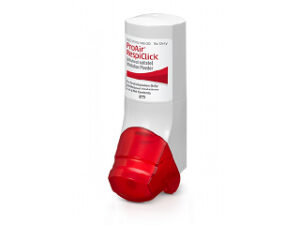
- Short-acting beta-2 agonist inhalers (often used as relievers in asthma)
- Long-acting beta-2 agonists (for maintenance in certain conditions)
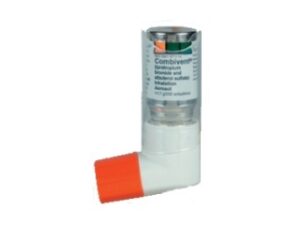
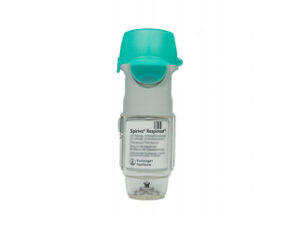
- Antimuscarinic bronchodilators for COPD
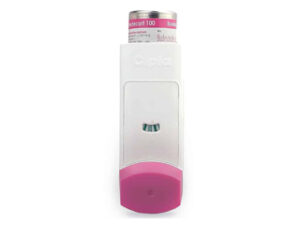
- Inhaled corticosteroids for inflammation control in asthma (and sometimes COPD)
- Combination inhalers tailored to COPD or asthma severity
Why alternatives matter: In many cases, inhaled options provide targeted delivery to the lungs, which can reduce systemic side effects compared with some oral approaches.
If your aim is performance or body composition, it’s important to know that non-medical use of clenbuterol can be risky and may conflict with sports regulations and local laws.
Market and legal context in the United Kingdom
In the UK, medicines must be appropriately regulated and authorised before being supplied for human use. Availability depends on whether a product is licensed by the relevant authorities or is supplied under specific frameworks. The UK has a robust medicines regulation environment designed to protect public health.
Key points to consider:
- Authorisation: A product may not be available as a standard, licensed medicine in the UK human medicines market.
- Quality and origin: Counterfeit or non-standard products may pose additional risks, including wrong strength or contamination.
- Animal/human differences: Clenbuterol is known in some regions for veterinary contexts. Human use products should be treated as distinct from animal products.
For up-to-date information on whether a specific clenbuterol product is authorised in the UK, check official guidance or consult your pharmacy.
Recent guidance and safety considerations
In the UK, clinical guidance for airway conditions (such as asthma and COPD) is regularly updated through reputable bodies and healthcare pathways. Generally, these guidelines emphasise:
- Evidence-based inhaled therapies for most patients
- Stepwise approaches based on symptoms and lung function
- Monitoring for side effects, especially with beta-agonists
- Medication safety, including avoiding unnecessary duplication of bronchodilators
Because individual circumstances differ, and because regulatory availability of clenbuterol may not mirror other beta-agonists, always follow UK-standard treatment pathways where applicable.
Delivery and availability
Availability of clenbuterol products in the UK may vary depending on the supplier and licensing status. If a product is offered through an online pharmacy, reputable services should provide clear details such as:
- Product name, strength, and pharmaceutical form
- Manufacturer and batch/expiry information
- Clear delivery estimates and shipping conditions
- Customer support details in the UK
- Compliance statements relating to lawful supply
Delivery expectations
- Dispatch times: Often provided at checkout.
- Shipping: Typically sent using secure postal or courier services.
- Storage: Keep medicines according to the label instructions (temperature, light protection, and moisture).
Tip: Check the packaging on arrival and confirm the strength matches what you ordered.
FAQ: Clenbuterol (United Kingdom)
1) What is clenbuterol used for?
Clenbuterol is a beta-2 adrenergic agonist. Where authorised, it may be used for conditions involving bronchospasm or airway narrowing. It is not an alternative to routine, UK-standard asthma/COPD maintenance plans without proper oversight.
2) How quickly does clenbuterol work?
Many beta-2 agonist medicines can begin to help within a period after dosing, but the exact timing depends on the formulation and individual response. If your breathing symptoms don’t improve as expected, seek advice rather than increasing the dose.
3) Can I take clenbuterol with food?
In many cases, beta-agonists can be taken with or without food. However, absorption and tolerability may differ. For best consistency, follow the instructions on your specific product label.
4) Does clenbuterol interact with alcohol?
Alcohol can make stimulant-like side effects such as dizziness or palpitations more noticeable. It’s generally advisable to limit alcohol and stop if you feel unwell.
5) What side effects are most common?
Common side effects include tremor, headache, palpitations, increased heart rate, nervousness, sweating, muscle cramps, and dry mouth.
6) Who should avoid or be extra cautious?
People with heart rhythm disorders, significant heart disease, uncontrolled high blood pressure, hyperthyroidism, and those taking medicines that affect electrolytes should use extra caution and discuss suitability with a professional.
7) Are there serious warning signs?
Yes. Seek urgent help for chest pain, fainting, severe dizziness, or symptoms that suggest an irregular heartbeat or severe worsening breathlessness.
8) Can I take other inhalers at the same time?
Some combinations may increase side effects. It depends on your prescribed regimen and what you’re taking. If you use multiple bronchodilators, confirm the plan with your pharmacy.
9) Is clenbuterol legal and available in the UK?
Authorisation and availability vary. Only use products that are lawfully supplied and clearly labelled for human use in the UK. Counterfeit or unverified products are unsafe.
10) What are good alternatives for breathing problems?
UK guidelines commonly use inhalers such as short-acting relievers, long-acting bronchodilators, inhaled corticosteroids, or combination inhalers—chosen based on diagnosis and severity.
Summary
Clenbuterol is a beta-2 adrenergic agonist that can relax airway smooth muscle and may help relieve bronchospasm. However, it may also cause stimulant-like side effects, including tremor and palpitations, and it can affect the body systemically. In the UK, availability and licensing can be limited, and patients are generally encouraged to rely on evidence-based, authorised treatments for airway conditions.
If you’re considering clenbuterol or you already use a clenbuterol-containing product, review your full medicine list, monitor side effects—especially heart-related symptoms—and follow product-specific instructions carefully.