Proventil (Salbutamol) – Patient Guide (UK)
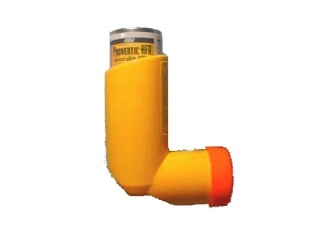
Proventil contains salbutamol and is a well-known “reliever” medicine used to open up the airways during breathing difficulty. In the UK, salbutamol is widely available for people with conditions such as asthma and some forms of chronic lung disease.
This guide explains how Proventil works, how it’s used, what to expect, and important safety information. Always follow the instructions provided with your medicine and your healthcare professional’s advice.
Basic product information
| Product name | Active ingredient | Typical form(s) in the UK | Role in treatment |
|---|---|---|---|
| Proventil | Salbutamol | Inhaler (e.g., metered-dose inhaler; available strengths may vary) | Reliever/bronchodilator |
What it’s for: Proventil helps quickly ease symptoms like wheezing, coughing, chest tightness, and shortness of breath by relaxing the muscles around the airways.
How it’s taken: It is designed to be breathed in (inhaled). Correct technique is essential to get the best benefit.
How Proventil works (mechanism of action)
Salbutamol is a medicine known as a short-acting beta2-adrenoceptor agonist. When inhaled, it targets receptors (beta2) located mainly in the smooth muscle of the airways.
- Relaxes airway smooth muscle, helping the air passages widen.
- Reduces bronchospasm (the tightening that narrows airways and makes breathing harder).
- Improves airflow, making it easier to breathe in and out.
Because it is short-acting, Proventil is typically used to relieve symptoms when they occur or before exercise or exposure to a known trigger, depending on your treatment plan.
Pharmacokinetics (how the body handles it)
Pharmacokinetics describes how the medicine is absorbed, distributed, metabolised, and eliminated.
- Absorption: With inhalation, much of the dose should reach the airways; a portion may deposit in the mouth or be swallowed.
- Onset: Effects usually begin within minutes after inhalation.
- Duration: Relief generally lasts several hours, though individual responses vary.
- Metabolism: Salbutamol is mainly metabolised in the body.
- Elimination: Metabolites and some unchanged drug are cleared primarily by the kidneys.
Important: A person’s symptom relief time can vary depending on inhaler technique, severity of airway narrowing, and other medications (such as inhaled corticosteroids used for long-term asthma control).
Typical uses in the UK
Proventil is used to relieve acute symptoms caused by reversible airway narrowing.
Common indications
- Asthma: relief of symptoms such as wheeze, breathlessness, chest tightness, and cough.
- Exercise-induced bronchoconstriction (depending on your plan): may be used shortly before exercise to prevent symptoms.
- COPD (chronic obstructive pulmonary disease): symptom relief in selected patients as part of their treatment regimen (often in combination with other long-term medicines).
Note: Proventil is generally not a substitute for controller treatment. Asthma, in particular, usually requires appropriate long-term anti-inflammatory therapy to reduce flare-ups.
Timing and when to take Proventil
The timing depends on why you’re using it:
- For sudden symptoms: use as soon as you experience wheezing or breathing difficulty.
- Before exercise (if advised): commonly taken shortly before activity—follow your personalised action plan.
- During flare-ups: follow the dosing instructions provided by your healthcare professional and the medicine label.
Tip: If symptoms don’t improve promptly, or you need your reliever much more often than usual, seek medical advice promptly. Frequent reliance on relievers can be a sign that underlying control is poor.
How to use Proventil (practical inhaler tips)
Correct inhaler technique is one of the most important factors in how well Proventil works.
General steps for a metered-dose inhaler
- Shake the inhaler if your device requires it.
- Remove the cap and check the mouthpiece.
- Breathe out fully away from the inhaler.
- Seal your lips around the mouthpiece.
- Press and breathe in slowly and deeply at the same time.
- Hold your breath for about 10 seconds (or as long as comfortable).
- Wait between puffs as instructed on the product information.
Common technique problems
- Not coordinating pressing the canister with inhaling.
- Inhaling too fast (can reduce medicine reaching the lungs).
- Not holding breath long enough after inhalation.
- Skipping a rinse if instructed, especially if using other inhaled medicines (ask your pharmacist if you’re unsure).
If you struggle with technique, ask a pharmacist or nurse to watch you use your inhaler. They can help you get the best results.
Dosing (typical regimens)
Dosing can vary by age, the specific formulation, and your personal action plan. Always use the dose stated on the pack or by your healthcare professional.
Typical adult and adolescent use (general guidance)
- For acute symptom relief, many salbutamol inhaler regimens involve 1–2 inhalations per dose.
- If needed, repeated doses may be taken at intervals according to your action plan and the product leaflet.
Typical use in children
- Children’s doses are usually smaller and may depend on age and device type.
- It’s especially important to ensure correct technique; spacer devices may be recommended for better delivery.
If you miss a dose
Proventil is usually used as required. If you were advised to take it regularly at set times (less common for relievers), follow your plan. Otherwise, use only when symptoms occur, as directed.
Seek urgent advice if you are repeatedly needing reliever doses, if your breathing is worsening, or if you’re struggling to speak in full sentences.
Food interactions
Salbutamol inhalers deliver medicine mainly to the lungs, so food interactions are not usually a major concern.
- If some medicine is swallowed, it may be broken down by the body; this generally does not require diet changes.
- Routine meals do not typically affect inhaled salbutamol effectiveness.
If you have swallowing difficulties, severe reflux, or other gastrointestinal issues, speak to a healthcare professional for tailored advice.
Alcohol interactions
There are no common direct interactions between alcohol and inhaled salbutamol that are typically highlighted for most people. However, there are important practical considerations:
- Alcohol may worsen symptoms in some people with asthma or COPD by affecting breathing patterns or sleep and by increasing the chance of trigger exposure.
- Some people may experience increased side effects such as palpitations or tremor if they drink alcohol, especially at higher amounts.
If you notice symptoms after drinking alcohol, consider reducing or avoiding alcohol and discuss your individual risk with a clinician or pharmacist.
Medicine interactions
Salbutamol can interact with other medicines. The biggest concerns are usually related to heart rhythm, blood potassium levels, and overall effect on the lungs.
Medicines that may increase risk of side effects or affect response
- Other beta2-agonists (e.g., other reliever inhalers): combined use can increase risk of side effects.
- Beta-blockers (particularly non-selective types): may reduce the effect of salbutamol or complicate asthma management. Some cardio-selective beta-blockers may be used with caution in specific cases, but this must be clinician-guided.
- Diuretics (“water tablets”) and medicines that lower potassium: high salbutamol doses can further lower potassium levels, which may affect heart rhythm in susceptible people.
- Other medicines affecting heart rhythm: combined effects may increase risk of abnormal rhythms.
Always check before combining medicines
- Tell your pharmacist or clinician about all medicines you take, including inhalers, tablets, herbal products, and over-the-counter remedies.
- If you’re on multiple breathing medicines, ask for a clear written plan of what to use and when.
Urgent warning: If you experience severe chest pain, fainting, or an irregular heartbeat, seek urgent medical help.
Safety profile and side effects
Like all medicines, Proventil (salbutamol) can cause side effects. Not everyone will experience them.
Common side effects
- Tremor
- Headache
- Feeling jittery or restless
- Fast heartbeat (palpitations)
Less common but important effects
- Muscle cramps (sometimes related to potassium changes, particularly with higher doses)
- Low potassium (more likely with frequent/high dosing)
- Temporary increases in breathing difficulty in rare cases (paradoxical bronchospasm)
Seek urgent help if
- Breathing worsens instead of improving after using your reliever
- You have severe chest tightness, blue lips, or cannot speak comfortably due to breathlessness
- You experience fainting, severe dizziness, or rapid/irregular heartbeat
Who should take extra care
Talk to a clinician/pharmacist before using if you have:
- Heart rhythm problems
- Heart disease
- Hyperthyroidism
- Low potassium levels
- Diabetes (bronchodilators may affect blood sugar in some people)
Safety in pregnancy and breastfeeding (general UK guidance)
Salbutamol is widely used and is commonly considered when needed. If you are pregnant, planning pregnancy, or breastfeeding, discuss risks and benefits with a healthcare professional. If you need a reliever to breathe comfortably, do not stop treatment without advice.
Practical use tips for best results
- Use your inhaler correctly: technique errors are a leading cause of poor response.
- Check the dose counter (if your inhaler has one) and keep track of remaining doses.
- Keep your inhaler accessible so you can use it quickly when symptoms start.
- Store properly as instructed on the pack (avoid excessive heat or freezing).
- Consider a spacer if recommended, especially for children or if coordination is difficult.
- Know your action plan: when to use your reliever and when to seek medical help.
- Don’t overuse: frequent reliever use often indicates inadequate control of the underlying condition.
Alternative options (relievers and controller strategies)
Depending on your diagnosis and severity, alternatives may include:
Other short-acting relievers
- Other salbutamol brands (same active ingredient; may differ in device).
- Short-acting antimuscarinic bronchodilators (used more commonly in COPD; specialist advice required).
Long-term controller medicines (important for asthma)
- Inhaled corticosteroids (ICS) to reduce airway inflammation.
- ICS/LABA combinations for some patients.
- Leukotriene receptor antagonists in select cases.
For many people with asthma, a reliever alone is not enough. If you’re using Proventil frequently, it may be time to review your long-term treatment with a clinician.
Market and legal context in the United Kingdom
In the UK, salbutamol inhalers are a longstanding part of respiratory care and are available through pharmacy supply routes depending on product classification and current policy. Availability may vary by formulation (for example, different inhaler types or strengths).
Local regulatory standards: Medicines sold in the UK must comply with UK medicines legislation and be manufactured and marketed under relevant regulatory frameworks. Pharmacists and online pharmacies are expected to support safe use by providing clear product information and relevant patient guidance.
Important: If you are unsure whether Proventil is appropriate for you, seek professional advice. Do not use another person’s medicine.
Recent guidance and UK respiratory care themes
UK respiratory guidance continually emphasises:
- Regular review of asthma control and inhaler technique.
- Appropriate controller therapy for asthma rather than relying solely on relievers.
- Action plans for flare-ups and when to seek urgent help.
- Awareness of increased symptom frequency as a warning sign.
If you’re finding your symptoms are increasing—such as needing your inhaler more often than usual—this should trigger a review of your asthma/COPD management plan.
Delivery and availability (online pharmacy)
Availability of Proventil and its specific inhaler formats may vary. Online pharmacies in the UK typically offer:
- Clear product details including strength and device type
- Delivery options depending on location and stock
- Packaging and handling designed to protect inhalers during transit
Delivery timing: Delivery times depend on the pharmacy’s logistics and current carrier schedules. For the most accurate estimate, check the delivery section on the specific product page at the time of order.
Stock updates: If the item is temporarily out of stock, you may be offered alternatives or restock notifications depending on the retailer.
FAQ
1) How quickly does Proventil work?
Most people feel an improvement within a few minutes after inhalation. If there’s little or no relief, or if symptoms worsen, seek medical advice promptly.
2) How long does the effect last?
Effects often last several hours, but duration varies by person and by how severe the airway narrowing is.
3) Can I use Proventil every day?
Proventil is usually a reliever used when symptoms occur. Some people may need it routinely if advised. If you’re using it frequently, it may indicate that your overall condition needs review.
4) What if I need my inhaler more often than usual?
Increased reliever use can be a sign of worsening asthma/COPD control. Contact a clinician for review and follow your action plan for flare-ups.
5) Should I rinse my mouth after using Proventil?
Proventil itself is not typically associated with oral fungal infections in the way that inhaled corticosteroids can be. However, if you use other inhalers—especially steroid inhalers—follow the specific instructions for those products. If unsure, ask your pharmacist.
6) Can I take Proventil with other inhalers?
Often yes, but it depends on what else you’re using. Many people use a combination of a reliever and a controller inhaler. Check your medication plan with a healthcare professional, and ensure you understand the correct order and timing.
7) Are there any foods I should avoid?
Food interactions are generally not significant with inhaled salbutamol. However, if you have other conditions (like reflux), eating habits may indirectly affect breathing—discuss personal strategies with a clinician.
8) Can I drink alcohol while using Proventil?
There’s usually no direct interaction, but alcohol may worsen breathing symptoms for some people or make side effects (like palpitations or tremor) more noticeable. Use caution and monitor how you feel.
9) Is Proventil suitable for children?
Salbutamol inhalers can be used in children, but dosing and delivery device technique matter. Ask a pharmacist/clinician for age-appropriate advice and whether a spacer is recommended.
10) What should I do in an emergency?
Seek urgent medical help if breathing rapidly worsens, you have severe chest tightness, lips/face look bluish, you cannot speak in full sentences, or your usual reliever does not provide adequate relief. If you’re at risk, follow your emergency plan.
Disclaimer: This information is provided for general guidance and does not replace personalised medical advice. If you have concerns about your condition, symptoms, or medicine use, consult a qualified healthcare professional or pharmacist.