Singulair (Montelukast) — Patient Guide (UK)
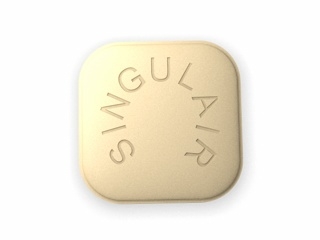
Singulair is a brand of montelukast, a medicine used to help control certain types of asthma and relieve allergy-related breathing problems. This page explains what it does, how to take it, common safety points, and how it compares with other treatment options—tailored for people in the United Kingdom.
Important: This information is for general guidance. If you have questions about your own treatment plan, speak to a healthcare professional or pharmacist.
1) Basic product information
- Active ingredient: Montelukast
- Brand name: Singulair
- Medicine type: Leukotriene receptor antagonist (LTRA)
- Common forms: Tablets (typically 10 mg for adults/older children), and oral granules for younger children (strength depends on age)
- Brand availability in the UK: Singulair and generic montelukast are available through UK pharmacies and online services, subject to local availability and stock
Note: Dosing and age bands differ between formulations. Always follow the dose your prescriber or healthcare professional advised.
2) How Singulair works (mechanism of action)
Montelukast blocks leukotriene receptors (specifically the CysLT1 receptor). Leukotrienes are chemical messengers released in the body—particularly in the lungs and airways—during inflammatory and allergic responses.
By blocking these receptors, montelukast can:
- Reduce airway inflammation
- Help prevent bronchoconstriction (narrowing of the airways)
- Reduce symptoms such as wheeze, coughing, and shortness of breath
- Improve asthma control in some people, especially those with allergy-related triggers
- Reduce symptoms of allergic rhinitis in certain patients (as advised by UK guidance and individual clinical assessment)
Singulair is not a “reliever” medicine. It does not work as quickly as inhaled bronchodilators used during sudden asthma attacks.
3) Pharmacokinetics (how the body processes it)
“Pharmacokinetics” describes how the medicine is absorbed, distributed, metabolised, and eliminated.
- Absorption: Montelukast is absorbed after oral dosing. Peak levels in the blood are typically reached within a few hours.
- Distribution: It binds moderately to blood proteins and distributes into tissues, including the lungs.
- Metabolism: The liver metabolises montelukast.
- Elimination: It is cleared from the body primarily through bile and the gut (with some renal contribution). The overall elimination half-life supports once-daily dosing for many patients.
Practical meaning for patients: Because it is designed for sustained daily control, it is usually taken consistently each day at a similar time.
4) Typical uses in the UK
In UK clinical practice, montelukast is used for:
Asthma (control and prevention)
- As an add-on controller in people whose asthma is not fully controlled with inhaled therapy alone, based on age and severity.
- In some patients where triggers include allergy or where an oral option is considered appropriate by a clinician.
Allergic rhinitis (hay fever) symptoms
- Relief of symptoms of allergic rhinitis (such as sneezing, runny nose, nasal itching, and congestion) in people who are suitable for LTRA therapy.
Important: For acute asthma symptoms or sudden attacks, montelukast is not intended to replace your usual reliever inhaler.
5) When and how to take Singulair (timing)
Montelukast is usually taken , often in the evening. Many people find evening dosing helps with symptoms that affect them at night.
- Typical timing: Once daily, preferably at the same time each day.
- With or without food: It can be taken with or without food.
- If you miss a dose: Take it when you remember unless it is close to the next scheduled dose. Do not take a double dose.
For oral granules (if prescribed): Follow the instructions provided with your specific product and the guidance from your pharmacist or healthcare professional.
6) Food interactions
Montelukast can generally be taken without regard to meals. For most patients, food does not cause clinically significant changes in effect.
- Take as directed: consistency matters more than meal timing.
- Granules: if you have oral granules, ensure they are prepared exactly as instructed (for example, mixed with a suitable spoonful of cold/room-temperature food, if that is how your product is to be used).
If you have a medical condition affecting swallowing or digestion, ask a pharmacist for practical advice on taking your formulation.
7) Alcohol and other medicine interactions
Alcohol
There is no universal requirement to avoid alcohol with montelukast for all patients. However, alcohol can worsen asthma control in some people and may trigger reflux or breathing symptoms.
- If you notice that alcohol makes your asthma or breathing symptoms worse, discuss this with your healthcare professional.
- For anyone with liver disease, it is especially important to seek medical advice, since montelukast is processed by the liver.
Interactions with other medicines
Montelukast has interactions that are generally not extensive, but it can still interact with certain medicines.
- Other asthma/allergy medicines: Montelukast is often used alongside inhalers or nasal treatments. It may allow improved overall control when used as directed.
- Enzyme-inducing medicines: Some medicines that affect liver enzymes may alter montelukast levels. Your pharmacist or clinician can check compatibility with your medication list.
- Regular review is important: Tell your healthcare professional about all current medicines, including over-the-counter treatments and herbal products.
Safety tip: If you are starting a new medicine (including antibiotics, antifungals, or treatments for epilepsy), ask a pharmacist whether any interaction is expected.
8) Indications (who should use Singulair)
Indications refer to the conditions for which montelukast may be used.
- Asthma: For prevention and control of asthma symptoms in appropriate patients (typically as add-on therapy where inhaled treatment alone is insufficient).
- Allergic rhinitis: For relief of symptoms in suitable patients as determined by a clinician.
Whether montelukast is a good choice depends on age, symptom pattern (including night-time symptoms), current inhaler use, triggers, and individual risk-benefit considerations.
9) Dosing information (UK general guidance)
Dose depends on age and the specific formulation (tablet strength vs oral granules). Use the product strength you have been given and follow the written instructions on your medicine label.
| Age group (typical) | Common montelukast dose (once daily) | Notes |
|---|---|---|
| Adults and adolescents | Usually 10 mg | Often taken in the evening; suitability depends on indication and clinician advice. |
| Children | Strength depends on age and formulation (oral granules are commonly used for younger children) | Granule dosing and mixing instructions vary by product—follow your pharmacist’s guidance. |
Do not change your dose without medical advice.
Asthma action plan reminder: If you have an asthma action plan, follow it for worsening symptoms. Montelukast is a controller medicine and typically is not used to treat sudden breathlessness.
10) Safety profile and key warnings
Most people tolerate montelukast well. However, like all medicines, it can cause side effects. Some reactions require prompt medical advice.
Common side effects
- Headache
- Abdominal pain or stomach upset
- Nausea
- Fatigue or drowsiness (varies by person)
Serious and important warning (mental health effects)
Montelukast is associated with rare but potentially serious neuropsychiatric events. Patients and carers should be aware of symptoms such as:
- Agitation or aggression
- Sleep disturbances (including nightmares)
- Depression or mood changes
- Anxiety
- Hallucinations
- Thoughts of self-harm
- Tremor or attention problems
Seek urgent medical advice if you or your child experiences behavioural or mood changes, sleep problems that are new or worsening, or any signs that feel concerning.
Practical note: Because these effects may develop after starting (or sometimes stopping) montelukast, monitoring is important throughout treatment.
Allergic reactions
Stop use and seek medical help urgently if you develop signs of allergy such as:
- Swelling of face, lips, tongue, or throat
- Severe rash or hives
- Difficulty breathing beyond expected asthma symptoms
Other safety considerations
- Asthma control: If asthma symptoms worsen, contact your clinician—do not rely on montelukast alone to fix sudden worsening.
- Driving and machinery: If you feel drowsy or unwell, be cautious until you know how the medicine affects you.
- Liver disease: Discuss with a healthcare professional if you have liver conditions.
11) Practical use tips for better results
- Take it regularly: Montelukast works best as a controller when taken daily, not only when symptoms flare.
- Keep using your inhalers as prescribed: Do not stop inhaled steroids or other preventers without clinician guidance.
- Track symptoms: Note night-time cough, wheeze, exercise-related symptoms, and missed days due to asthma.
- Use correct technique: If you use inhalers, check your inhaler technique with a pharmacist or clinician.
- Talk about mental health early: If you notice mood, sleep, or behaviour changes, contact your healthcare professional promptly.
- Store safely: Keep tablets/granules in a cool, dry place as directed on the packaging. Keep out of sight and reach of children.
12) Alternatives to Singulair (montelukast)
Alternative treatments depend on whether you are using montelukast for asthma, allergic rhinitis, or both.
Asthma alternatives/add-ons
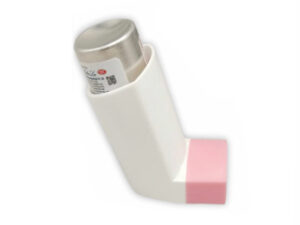
- Inhaled corticosteroids (ICS): often the cornerstone for persistent asthma control.
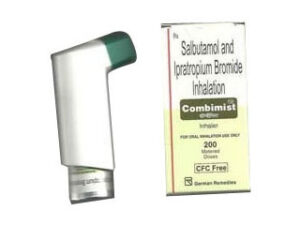
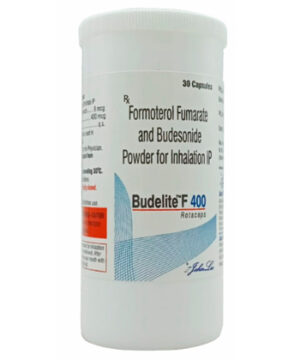
- ICS/LABA combination inhalers: for people who need additional control.
- Long-acting bronchodilators (where appropriate): used in combination regimens according to guidance.
- Biological therapies: for selected patients with severe asthma under specialist care.
Allergic rhinitis alternatives
- Intranasal corticosteroids: commonly first-line for moderate to severe symptoms.
- Antihistamines: non-drowsy options may be available as tablets.
- Non-medicinal options: allergen avoidance, saline rinses, and air filtration can help for some people.
Choosing an alternative: A pharmacist or clinician can help compare options based on your symptoms, age, comorbidities, and how well previous treatments worked.
13) UK market and legal context (what to expect)
In the United Kingdom, montelukast products are regulated and marketed in line with UK medicines legislation and safety requirements. Like many established medicines, Singulair and generic montelukast are available through authorised UK supply chains.
Key points for patients:
- Safety communications: Montelukast includes important safety warnings, including mental health effects, which are part of UK product information.
- Appropriate use: Selection for asthma or allergic rhinitis is based on clinical assessment and adherence to national guidance.
- Review of benefit vs risk: If symptoms are mild or easily managed with other medicines, a clinician may recommend alternative approaches.
14) Recent UK guidance and clinical approach (overview)
UK asthma and allergy management focuses on controlling inflammation and preventing flare-ups. Montelukast is generally considered when:
- Inhaled therapy or other treatments have not provided sufficient control, or
- There are specific symptom patterns (for example, certain allergy-associated asthma features) where it may help, and
- The patient understands benefits and potential risks (including neuropsychiatric effects).
For allergic rhinitis, many patients benefit from intranasal steroids and antihistamines; montelukast may be considered when those options are unsuitable or not sufficiently effective.
Medication reviews: It is common for clinicians to review asthma control periodically—often after a trial period—to decide whether to continue, adjust, or switch therapy.
15) Delivery and availability in the UK
Online pharmacies in the UK may offer delivery for eligible medicines, subject to:
- Availability in local or central stock
- Identification and verification requirements where applicable
- Geographic delivery coverage and carrier schedules
Typical delivery expectations:
- Orders may be dispatched within working days.
- Delivery times depend on your location and courier service.
- Cold-chain is generally not required for montelukast tablets/granules, but storage conditions should always be followed as on the pack.
If you need the medicine quickly (for example, you’re travelling), check the retailer’s dispatch/estimated delivery information before ordering.
16) FAQ — Frequently asked questions
1. Is Singulair used for an asthma attack?
No. Singulair (montelukast) is a controller medicine for prevention. For sudden asthma symptoms, use your reliever inhaler as instructed in your asthma action plan.
2. How long does it take to work?
Some people notice improvement within days, but controller benefits may take longer. If there is no meaningful improvement after a clinician-recommended trial period, treatment may need review.
3. Can I stop Singulair when I feel better?
Do not stop without clinical advice. Stopping may lead to worsening symptoms in some people. If you want to stop, discuss it with a healthcare professional, especially if you’re using it for asthma control.
4. What if my child gets nightmares or behaviour changes?
Contact a healthcare professional promptly. Neuropsychiatric symptoms can occur with montelukast. Seek urgent help if symptoms are severe, worsening, or include thoughts of self-harm.
5. Should I take it in the morning or evening?
Many regimens use once-daily evening dosing. You can follow the timing on your medicine label or clinician instructions. Keep dosing consistent.
6. Does montelukast interact with antihistamines?
In many cases, montelukast is prescribed alongside other allergy medicines. Always check your full list of medicines with a pharmacist, particularly when starting new treatments.
7. Can I drink alcohol?
Moderate alcohol is not automatically forbidden for everyone, but alcohol may worsen asthma symptoms in some people. If alcohol triggers your symptoms, discuss with your healthcare professional.
8. What should I do if I miss a dose?
Take the missed dose when you remember unless it is close to the next scheduled dose. Do not take a double dose to catch up.
9. Are there any special storage instructions?
Store tablets/granules as directed on the pack (typically in a cool, dry place, tightly closed, and out of reach of children).
10. Where can I find the official UK product information?
Your pharmacist can provide patient-facing information. The pack leaflet (Patient Information Leaflet) is also a key source of details about your exact product and strength.
Take care: If your asthma symptoms worsen, or you develop concerning side effects (particularly mental health or sleep changes), contact a healthcare professional for advice as soon as possible.