
Alesse (Levonorgestrel / Ethinyl estradiol) — Patient Information (UK)
This guide explains how Alesse works, when and how to take it, and what to expect. It is written for patients in the United Kingdom and uses clear, practical language. Always follow the specific instructions given to you by your healthcare professional and read the patient leaflet supplied with your medicine.
Basic product information
- Medicine: Alesse
- Active ingredients: Levonorgestrel / Ethinyl estradiol
- Medicine type: Combined oral contraceptive (COC)
- Hormones: A progestogen (levonorgestrel) + an oestrogen (ethinyl estradiol)
- Use in the UK: Prevention of pregnancy (contraception) and may be used for other gynaecological reasons as advised
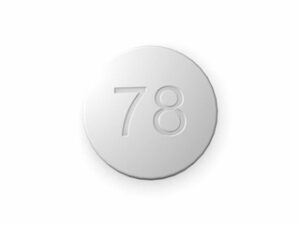
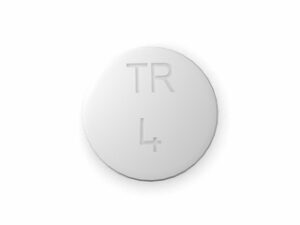
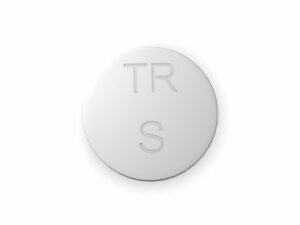
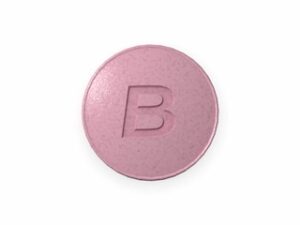
Alesse is taken as tablets over a cycle. Many packs contain hormone tablets and placebo (non-hormone) tablets to help you keep a regular routine; the exact number of active and placebo tablets can vary by pack.
How Alesse works (mechanism of action)
Alesse contains two hormones that work together to prevent pregnancy. The main actions are:
- Stops ovulation: It reduces the release of eggs from the ovaries (prevents ovulation in most users).
- Thickens cervical mucus: This makes it harder for sperm to pass through the cervix.
- Changes the uterine lining: The endometrium becomes less suitable for implantation.
Because it is a combined pill, it requires correct, consistent daily use to work reliably.
Pharmacokinetics (how the body processes it)
“Pharmacokinetics” describes how the hormones are absorbed, distributed, broken down, and eliminated. In general:
- Absorption: Both hormones are absorbed from the gut after oral administration. Peak levels generally occur within a few hours of taking a tablet.
- Distribution: The hormones bind to plasma proteins (especially sex hormone–binding globulin), which influences how much hormone remains free to act.
- Metabolism: They are metabolised mainly in the liver. Ethinyl estradiol undergoes significant first-pass metabolism.
- Elimination: Metabolites are excreted via bile and urine. Hormone levels fluctuate during the cycle due to daily dosing and natural metabolism.
Individual differences in metabolism, interacting medicines, and missed tablets can affect hormone levels and therefore contraceptive effectiveness.
Typical use and indications
Main indication
Contraception (prevention of pregnancy).
Other possible uses
In some cases, combined oral contraceptives like Alesse may also be used to help manage symptoms related to hormone balance (such as cycle regulation) when considered appropriate by a clinician. Use for non-contraceptive reasons should always follow professional advice.
Dosing: how to take Alesse
General dosing
- How many tablets: Usually one tablet daily.
- Timing: Take it at the same time each day if possible.
- Cycle: Many packs follow a schedule that includes active tablets and placebo tablets, leading to a withdrawal bleed during the placebo phase.
Important: Follow the tablet order printed on your pack. If you’re unsure which tablet to start with, check your leaflet or ask a pharmacist.
Starting Alesse (timing by scenario)
The start date affects how quickly you are protected. The timing guidance below is general and may be adapted to your situation:
- Start on day 1 of your period: Contraceptive protection is generally immediate.
- Start between day 2–5 of your period: You may have protection after a short period (often after 7 consecutive days of correct use), and you may be advised to use additional contraception briefly.
- Starting at other times: You may need to take it for a number of days before it is fully effective. Additional contraception is usually recommended until protection is established.
- After childbirth or miscarriage/abortion: Timing can vary significantly. Your clinician/pharmacist will advise based on when the event occurred and your breastfeeding status.
If you start outside the first days of bleeding and you had unprotected sex in the days before starting, you may need advice about emergency contraception.
When will it work? (effectiveness timeline)
Alesse works best when taken consistently. Effectiveness depends on how soon you start and whether you miss tablets.
- Most people: Full contraceptive protection typically requires 7 consecutive days of correct tablet-taking when starting from day 2–5 or from a non-period day.
- After 7 days: Contraceptive protection is generally established, provided you continue taking tablets correctly.
- Missed tablets: Protection can decrease, especially if you miss early in the pack or near the start of a new cycle.
If you miss tablets or start late, check the “missed pill” guidance in the leaflet. If you’re unsure, speak to a pharmacist for personal advice.
Food interactions
Food does not usually affect how Alesse works significantly. You can typically take it with or without food.
- Swallowing: Take the tablet with water.
- If vomiting occurs: If you vomit shortly after taking a tablet, the medicine may not have been fully absorbed. Follow the leaflet’s advice (often treating it similarly to a missed tablet).
- Diarrhoea: Severe or prolonged diarrhoea can reduce absorption; seek advice if diarrhoea lasts more than a day or is severe.
Alcohol and medicine interactions
Alcohol
Moderate alcohol intake does not normally make Alesse less effective. However, heavy drinking can indirectly increase risk by making it easier to miss tablets or to vomit.
- Best practice: Continue taking your tablet daily even if you drink alcohol.
- If vomiting: Treat as a possible missed dose and consult leaflet guidance.
Drug interactions (important)
Some medicines can reduce contraceptive effectiveness by increasing hormone breakdown (often via liver enzymes). Others may increase side effects or change bleeding patterns.
Seek advice before starting any new medicine**, including herbal products.
- Medicines that can reduce the effectiveness of combined pills: Some anti-epileptics (antiepileptics), certain antibiotics/rifamycins (e.g., rifampicin-like medicines), medicines for HIV (certain protease inhibitors/non-nucleoside reverse transcriptase inhibitors), and some antifungal treatments (e.g., griseofulvin) may reduce effectiveness.
- Herbal products: St John’s wort can reduce effectiveness.
- Always check: Your pharmacist can review your full list of medicines and advise whether additional contraception is needed.
If you use medicines known to interact, you may need an alternative or additional method (e.g., condoms) during use and for a period after stopping the interacting medicine, depending on the product.
Safety profile: who should be cautious?
Like all hormonal contraceptives, Alesse has benefits and potential risks. The most important safety issues relate to: blood clot risk (venous thromboembolism) and other contraindications (situations where the pill is not recommended).
Blood clot (VTE) risk — key points
- Combined oral contraceptives increase the risk of blood clots compared with not using them.
- The risk is highest when starting a combined pill or restarting after a break (often around the first few weeks).
- Your personal clot risk can be higher if you smoke, are overweight, have certain medical conditions, or have a strong family history.
Get urgent medical help if
Seek urgent care immediately (call NHS 111 if urgent, or emergency services if severe) if you develop symptoms that may suggest a clot:
- Chest pain or sudden shortness of breath
- Sudden severe headache, weakness, numbness, or trouble speaking
- Vision changes
- One-sided leg swelling, pain, or warmth
When Alesse may not be suitable
Alesse may be unsuitable if you have certain conditions. Common reasons combined pills may be contraindicated include:
- History of blood clots or certain clotting disorders
- Some heart or vascular conditions (e.g., stroke, angina)
- Uncontrolled high blood pressure
- Migraine with aura (in many guidelines)
- Serious liver disease
- Known or suspected pregnancy
- Known hormone-dependent cancers
- Unexplained vaginal bleeding that has not been assessed
This is not a complete list. Your clinician/pharmacist should check your medical history and any risk factors before you start.
Possible side effects
Many side effects improve after the first 2–3 cycles. Commonly reported effects include:
- Nausea
- Breast tenderness
- Headache
- Spotting or irregular bleeding (especially early on)
- Mood changes
- Changes in sexual desire or vaginal discharge
If side effects are severe, persistent, or you are worried, talk to a pharmacist or doctor.
Practical use tips (to get the best protection)
- Pick a routine time: e.g., after breakfast or before bed.
- Use reminders: smartphone alarms, calendar alerts, or pill boxes.
- Keep track of the pack: follow the marked order carefully.
- If you miss a tablet: refer to the leaflet’s “missed pill” section and consider using condoms until protection is restored.
- Don’t skip placebo tablets: depending on your pack, maintaining the schedule helps you avoid mistakes.
- Travel: bring enough tablets for the whole trip and carry them in your hand luggage.
If you have vomiting or significant diarrhoea, or you start medicines that interact with Alesse, you may need additional contraceptive measures.
Alternative options
If Alesse is not suitable or you want different options, there are several contraceptive choices. Alternatives include:
Other hormonal options
- Progestogen-only pill (POP)
- Contraceptive injection (e.g., depot medroxyprogesterone acetate)
- Contraceptive implant
- Hormonal intrauterine system (IUS)
Non-hormonal options
- Copper intrauterine device (IUD)
- Barrier methods such as condoms (also help protect against sexually transmitted infections)
Choice depends on your health, preferences, bleeding pattern tolerance, and whether you have risk factors for clotting. A pharmacist can help compare options and discuss suitability.
Market and legal context in the United Kingdom
In the UK, combined oral contraceptives are widely available through healthcare services. Medicines used for contraception are regulated by UK medicines law and are supplied with a patient leaflet containing information on use, safety, contraindications, and missed dose instructions.
Online pharmacies operating legally in the UK must comply with pharmaceutical regulations, follow professional standards, and ensure correct sourcing and dispensing practices. For your safety, reliable services provide clear product information, appropriate checks, and access to counselling support.
Recent guidance and clinical considerations (UK)
Guidance in the UK is continually updated by relevant bodies and clinical practice evolves as new safety data becomes available. Key themes commonly included in current contraceptive counselling include:
- Individual risk assessment: especially for blood clot risk, migraine history, smoking, and other cardiovascular risk factors.
- Timely advice on missed pills: to maintain contraceptive reliability.
- Interaction checks: including over-the-counter products, antibiotics with liver enzyme effects, anti-epileptic drugs, and herbal remedies such as St John’s wort.
- Clear “when to seek help” symptoms: especially signs suggestive of clots or severe adverse reactions.
If you have specific concerns (e.g., migraines, smoking, recent surgery, postpartum period, or starting interacting medicines), consult a pharmacist to discuss options and the safest plan.
Delivery and availability (UK online pharmacy)
Alesse may be available from online pharmacies and, depending on service policies, may be delivered to eligible addresses within the UK. Availability can vary by pack size and stock levels.
- Dispatch: Some services dispatch within 24–48 hours on working days.
- Delivery times: Often 1–3 working days depending on courier and location.
- Packaging: Medicines are typically shipped in protective packaging with product identification and patient information.
- Subscriptions / repeat supply: Some pharmacies offer repeat delivery options for ongoing contraception.
Check the product page for current stock status, estimated delivery times, and returns policy.
FAQ (Frequently asked questions)
1) How quickly does Alesse prevent pregnancy?
It depends on when you start and whether you miss tablets. If you start early in your cycle (e.g., day 1 of your period), protection is typically immediate. If you start later, you often need 7 consecutive days of correct tablet-taking before relying on it. Follow the pack leaflet for your exact situation and start date.
2) What should I do if I forget a tablet?
The correct action depends on how many tablets you missed, where you are in the pack, and when you took the missed dose. Use the “missed tablet” section in the Alesse leaflet and consider additional contraception (often condoms) until protection is restored. If unsure, speak to a pharmacist.
3) Can I take Alesse at the same time every day?
Yes—taking it at the same time each day can help you remember and may reduce breakthrough bleeding. Many patients do well with an evening or morning routine that fits their lifestyle.
4) Does alcohol reduce effectiveness?
Moderate alcohol usually does not directly reduce effectiveness. The main issue is forgetting tablets or vomiting. If you vomit shortly after taking a tablet, follow the leaflet’s advice for missed doses.
5) Will I still bleed each month?
Many people experience bleeding during the placebo or break part of the cycle. Some may have lighter bleeding or spotting, especially early on. If bleeding is very unusual or you miss withdrawal bleeding, check the leaflet and consider a pregnancy test if appropriate, particularly after missed tablets.
6) Can I use Alesse if I have heavy periods?
Alesse is sometimes used to help manage cycle-related symptoms, but heavy bleeding has many causes. If you have very heavy bleeding, bleeding between periods, or bleeding after sex, it should be assessed by a clinician.
7) Are there medicines I must avoid while taking Alesse?
Some medications can reduce contraceptive effectiveness (certain anti-epileptics, rifampicin-like antibiotics, HIV medicines, some antifungals) and some herbal products (like St John’s wort) may also interfere. Always ask a pharmacist or check your leaflet for interaction information when starting new medicines.
8) What if I vomit or have severe diarrhoea?
Vomiting shortly after a tablet may mean you haven’t absorbed it. Severe diarrhoea can also reduce absorption. Follow the leaflet’s guidance and consider extra contraception during and shortly after the illness.
9) When should I start a new pack?
Continue the cycle as instructed on the pack. If your pack includes placebo tablets, take them as directed so the next pack begins on schedule.
10) Does Alesse protect against sexually transmitted infections (STIs)?
No. Alesse protects only against pregnancy. Condoms can reduce the risk of STIs and may also be recommended when starting a new pill, missing tablets, or using interacting medicines.
Summary
Alesse (levonorgestrel/ethinyl estradiol) is a combined oral contraceptive used to prevent pregnancy. It works by suppressing ovulation, thickening cervical mucus, and changing the uterine lining. Correct daily use is essential for effectiveness. If you miss tablets, experience vomiting/diarrhoea, or take interacting medicines, protection may be reduced—so follow the leaflet guidance and seek advice when needed.
If you have concerns about side effects, clot risk, or suitability for your health profile, speak with a pharmacist for personalised guidance.