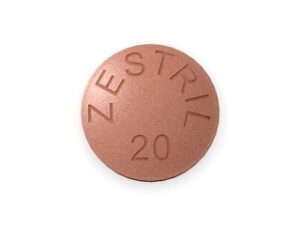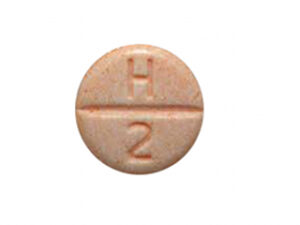


Chlorthalidone (Chlorthalidone) – Patient-Friendly Guide
Chlorthalidone is a prescription medicine used to treat a range of cardiovascular and fluid-balance conditions. This guide is designed to help you understand how it works, how it is typically used, and what to consider for safety in everyday life in the United Kingdom.
| Topic | Summary |
|---|---|
| Medicine name | Chlorthalidone |
| What it is | Thiazide-like diuretic (a “water tablet” that helps reduce fluid retention and lower blood pressure) |
| Common uses | High blood pressure; fluid retention (oedema), often in certain heart or kidney conditions |
| How it works | Helps your kidneys remove salt (sodium) and water, while changing how your body handles potassium and other electrolytes |
| How it’s usually taken | Once daily or as directed; often taken in the morning to reduce night-time urination |
| Key safety points | May lower potassium; can affect sodium, kidney function, uric acid, and blood sugar—monitoring is important |
Basic product information
Chlorthalidone belongs to the group of medicines known as diuretics. Specifically, it is a thiazide-like diuretic. Diuretics increase the production of urine, which helps reduce excess fluid in the body and can lower blood pressure.
In the UK, chlorthalidone may be available in different strengths depending on manufacturer and supply. Your pharmacist can confirm the exact tablet strength you are receiving.
Typical presentation
- Oral tablets (taken by mouth)
- Strengths vary by product
Mechanism of action (how chlorthalidone works)
Chlorthalidone acts mainly in the kidneys. It reduces the reabsorption of sodium and chloride in a part of the kidney called the distal convoluted tubule. By doing so:
- Your body removes more sodium and water through urine
- Fluid overload and oedema can improve
- Over time, it can also help lower blood pressure
Because sodium handling changes, chlorthalidone can also influence the levels of other substances in your blood, including:
- Potassium (often decreases)
- Sodium (may decrease
- Magnesium (may decrease)
- Uric acid (may increase, potentially triggering gout)
- Blood glucose (may slightly increase in some people)
Pharmacokinetics (what the body does to the medicine)
Pharmacokinetics describes how the body absorbs, distributes, metabolises, and eliminates chlorthalidone.
Absorption
Chlorthalidone is absorbed after you swallow a tablet. Food generally does not strongly prevent absorption, though taking it consistently in relation to meals can still help you maintain routine.
Onset and duration
- It typically starts to work within a few hours after a dose.
- Chlorthalidone has a relatively long duration compared with some other diuretics, which is why it is often taken .
Distribution and elimination
Chlorthalidone is processed by the body and ultimately cleared mainly through the kidneys. That is why kidney function matters when using this medicine and why your healthcare team may arrange blood tests.
Important: If you have impaired kidney function, the dose and monitoring plan may differ. Always follow the instructions given to you.
Typical uses and indications
Chlorthalidone is used to treat conditions where lowering blood pressure and/or reducing fluid retention is beneficial.
Common indications
- Hypertension (high blood pressure): often as part of a broader blood pressure management plan
- Oedema (fluid retention): in certain conditions where reducing swelling is important (for example, some heart-related or kidney-related fluid problems)
Your prescriber may consider chlorthalidone especially where a long-acting diuretic effect is useful. Sometimes it is used alongside other blood pressure medicines.
How to take chlorthalidone: timing and practical instructions
Correct timing can make a big difference to comfort and adherence.
When to take it
- Usually once daily, preferably in the morning.
- Taking it in the morning helps reduce the chance of needing the bathroom during the night.
How to take the tablet
- Swallow the tablet with water.
- Try to take it at the same time each day.
- Do not change the dose on your own.
If you miss a dose
Follow your medicine label or the advice you were given. In general:
- If you remember on the same day, take it as soon as you can.
- If it is close to the next dose, skip the missed dose and continue with your usual schedule.
- Do not double up unless advised.
Food interactions
Chlorthalidone can be taken with or without food. However, food and drink can still affect how well you tolerate the medicine and how stable your electrolyte levels are.
Salt (sodium) intake
Because chlorthalidone works by affecting sodium handling in the kidneys, your clinician may recommend dietary advice—such as moderating salt intake—to help control blood pressure or oedema. Try not to make abrupt large changes to salt intake without guidance.
Potassium-containing foods
Chlorthalidone can lower potassium in some people. You may be advised to maintain a balanced diet that includes potassium-containing foods (unless you have been told to restrict potassium due to kidney problems). Examples include:
- Bananas
- Oranges
- Potatoes
- Leafy greens
- Legumes
Important: If you have chronic kidney disease or high potassium in the past, ask your healthcare team for personalised advice before significantly increasing potassium foods.
Dietary supplements
Be cautious with potassium supplements or salt substitutes. Many “salt substitutes” contain potassium and can be risky for some patients. Always check with your pharmacist.
Alcohol and medicine interactions
Alcohol can affect blood pressure and hydration. While chlorthalidone does not have a single universal “fatal” alcohol interaction, combining them can sometimes increase side effects such as dizziness or light-headedness—particularly when starting treatment or after dose changes.
Practical alcohol tips
- Limit alcohol, especially early in treatment.
- Rise slowly from sitting or lying down to reduce dizziness.
- If you become faint, very dizzy, or dehydrated, seek medical advice promptly.
Medication combinations that may increase risk
Some medicines can interact with chlorthalidone by affecting blood pressure, kidney function, electrolyte levels, or fluid balance. Examples include:
- Non-steroidal anti-inflammatory drugs (NSAIDs) (e.g., ibuprofen, naproxen): may reduce diuretic effect and increase kidney strain in some people
- Other blood pressure medicines: can increase the chance of low blood pressure
- Digoxin: electrolyte changes (especially low potassium) can increase risk of rhythm problems
- Lithium: may have increased lithium levels and toxicity risk
- Diabetes medicines: blood glucose changes may require monitoring
- Corticosteroids (systemic): can further lower potassium
- Laxatives (in excess): may also contribute to low potassium
Always tell your pharmacist about all medicines, including herbal products and over-the-counter drugs.
Dosing: what is typical?
Dosing depends on the condition being treated, your kidney function, and your blood test results (including electrolytes).
General approach
- For many adults, chlorthalidone is started at a low dose and adjusted gradually.
- Monitoring guides whether the dose is increased or adjusted.
- Your healthcare team may also consider whether you’re taking other blood pressure medicines.
Example timing (not a substitute for your plan)
- Once daily in the morning is common.
- For some conditions, a clinician may choose a different schedule.
Do not use dosing information from general sources to make changes without confirming your personal regimen. Your tablet strength and dose instructions will be on your medicine label.
Safety profile: important side effects and when to seek help
Like all medicines, chlorthalidone can cause side effects. Many are mild and improve as your body adjusts, while others require prompt medical attention.
Common or expected effects
- Increased urination, especially after starting
- Thirst or slightly reduced energy (may relate to fluid/electrolyte changes)
- Muscle cramps or weakness (may reflect low potassium or magnesium)
Electrolyte-related effects (key monitoring area)
Chlorthalidone can change electrolyte levels, which may affect how you feel and how your heart and muscles function.
- Low potassium (hypokalaemia): muscle cramps, weakness, palpitations
- Low sodium (hyponatraemia): headache, confusion, unusual tiredness
- Low magnesium: cramps or twitching
Metabolic effects
- Uric acid increase: may trigger or worsen gout
- Blood sugar changes: may require closer monitoring in people with diabetes
Kidney function changes
Because chlorthalidone affects fluid and kidney handling of salts, it can sometimes alter kidney function—especially if you become dehydrated or are taking other medicines that affect the kidneys (e.g., NSAIDs).
Seek urgent medical advice if you have
- Fainting, severe dizziness, or symptoms of very low blood pressure
- Severe weakness, confusion, or persistent vomiting
- Severe palpitations or chest pain
- Signs of an allergic reaction (swollen lips/face, rash, breathing difficulty)
- Severe gout flare with intense pain and redness
If you are unsure whether symptoms are serious, contact a healthcare professional or NHS services promptly. In the UK, you can call 111 for urgent advice (or 999 for life-threatening symptoms).
Practical use tips (how to take it safely in daily life)
Stay hydrated—but follow your plan
Diuretics can increase fluid loss. While hydration is important, people with some heart or kidney conditions may have fluid restrictions. If you have been told to limit fluids, follow those instructions.
Blood tests and monitoring
Your clinician may arrange blood tests to check:
- Potassium and sodium levels
- Magnesium levels
- Kidney function (creatinine/eGFR)
- Uric acid and sometimes glucose
Monitoring is especially important after starting treatment, after dose changes, or if you become unwell.
Be cautious during illness or heat
- If you have vomiting or diarrhoea, you may become dehydrated more quickly.
- Discuss “sick day” advice with your healthcare team, particularly if you have diabetes or kidney disease.
Plan for bathroom access
In the first few days and weeks, urinary frequency may be higher. Taking your dose in the morning and planning your day can help.
Track symptoms
- Note any new muscle cramps, unusual tiredness, or dizziness.
- If you monitor blood pressure at home, keep a record (including the time of readings).
Alternative options (if chlorthalidone is not suitable)
Depending on your condition and medical history, clinicians may consider other medicines or strategies. Alternatives can include:
- Other thiazide or thiazide-like diuretics (e.g., bendroflumethiazide, indapamide)
- Loop diuretics (e.g., furosemide) for certain fluid-retention situations
- Blood pressure medicines from other classes (commonly: ACE inhibitors, ARBs, calcium-channel blockers, beta-blockers), often combined for better control
Choosing an alternative depends on your blood test results, kidney function, and the reason you’re taking the medicine. Your pharmacist can help explain the differences between options.
UK market and legal context (how chlorthalidone fits in)
In the UK, chlorthalidone is widely used in the management of hypertension and fluid retention. Medicines are regulated by the Medicines and Healthcare products Regulatory Agency (MHRA) and must meet strict standards for manufacture and quality.
Availability can vary by manufacturer and supply. Your local pharmacy will be able to confirm current availability and can advise on suitable arrangements if a specific brand is temporarily out of stock.
Prescriber-led and monitored care: In the UK, diuretics are generally monitored through blood tests because of their effects on electrolytes and kidney function. Your care team may also follow national guidance on blood pressure management.
Recent guidance and clinical considerations (UK-focused)
UK clinical practice commonly emphasises:
- Individualised blood pressure targets based on age and overall cardiovascular risk
- Regular monitoring for electrolyte and kidney changes when using diuretics
- Awareness of side effects such as low potassium and gout flares
- Lifestyle measures (e.g., reducing salt, maintaining a healthy weight, staying active) alongside medicines
Guidance is reviewed periodically, and your clinician may choose a specific regimen based on your circumstances and latest evidence. Always follow the advice you receive from your healthcare team.
Delivery, availability, and what to expect when ordering online
Availability of chlorthalidone can depend on the specific strength and brand. Online pharmacies typically process orders according to current stock levels and supplier schedules.
Delivery
- Delivery times vary by service provider and location within the UK.
- Most reputable online pharmacies provide tracking updates once dispatch is complete.
- Keep an eye on your delivery notifications to avoid missed deliveries.
What to check before ordering
- Confirm the tablet strength matches your current supply.
- Check the quantity you are ordering.
- Ensure your contact details are correct in case the pharmacy needs to clarify information.
If you have questions about substitution between equivalent brands or formulations, contact the online pharmacy customer service before ordering.
FAQ: Chlorthalidone
1) What is chlorthalidone used for?
Chlorthalidone is used to treat high blood pressure and fluid retention (oedema) in certain conditions. It helps the kidneys remove salt and water, improving blood pressure and reducing swelling.
2) How quickly does it start working?
It typically begins to work within a few hours of taking a dose, with a longer overall duration because of its pharmacologic profile. You may notice increased urination early on.
3) Should I take it with food?
Chlorthalidone can usually be taken with or without food. Taking it at the same time each day can help you remember and may reduce the chance of missed doses.
4) Why am I asked to have blood tests?
Chlorthalidone can lower or alter levels of electrolytes such as potassium and sodium, and it can affect kidney function. Blood tests help your healthcare team monitor safety and adjust the dose if needed.
5) What side effects are most important to watch for?
Pay particular attention to symptoms suggesting electrolyte imbalance or dehydration, such as severe weakness, dizziness/fainting, palpitations, confusion, persistent vomiting, or muscle cramps. Seek medical advice promptly if these occur.
6) Can chlorthalidone cause gout?
Chlorthalidone can increase uric acid in some people, which may trigger gout in those who are susceptible. Tell your clinician if you experience sudden, painful swelling in a joint.
7) Can I drink alcohol while taking it?
It’s generally best to keep alcohol to a minimum. Alcohol may worsen dizziness or dehydration. If you feel faint or very light-headed, avoid alcohol and seek advice.
8) Are there common medicines that should be used cautiously with chlorthalidone?
Yes. Medicines that affect kidney function or electrolyte levels may interact, including NSAIDs (such as ibuprofen), lithium, some medicines for diabetes or heart rhythm, and others. Always check with a pharmacist.
9) What should I do if I miss a dose?
Check your medicine instructions. Often, if you remember later the same day, take it then; if it is close to the next dose, skip the missed dose. Do not double up.
10) Can I stop taking chlorthalidone suddenly?
Do not stop without medical advice. Stopping may cause blood pressure or fluid problems to return. If you have side effects or concerns, speak to a healthcare professional to discuss options.
Summary
Chlorthalidone is a thiazide-like diuretic used in the UK to manage high blood pressure and fluid retention. It works by changing how your kidneys handle salt and water, leading to increased urine production and long-term improvements in cardiovascular and fluid balance. Because it can affect electrolytes and kidney function, careful dosing, routine monitoring, and attention to side effects are important for safe use.
If you have any questions about how chlorthalidone fits your personal health plan—especially regarding other medicines, diet, or test schedules—speak to your pharmacist or healthcare professional.