

Inderal (Propranolol) – Patient-Friendly Guide (UK)
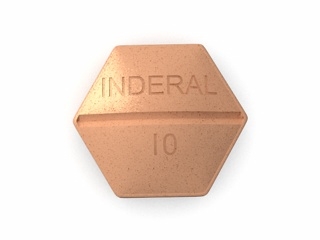
Inderal is a brand of propranolol, a medicine that belongs to a group called beta-blockers. It works by slowing down parts of your heart and reducing certain stress signals in the body. In the UK, propranolol products are used for a range of cardiovascular conditions and for specific conditions such as migraine prevention, certain tremor types, and some anxiety-related symptoms (depending on your clinician’s assessment).
This page explains what Inderal/propranolol does, how it works, how the body handles it, how it is commonly taken, important interactions (including with alcohol and other medicines), and key safety points. It is written to be easy to follow, but it cannot replace advice from a healthcare professional.
Basic product information
- Active ingredient: Propranolol
- Medicine class: Beta-blocker
- Brand: Inderal
- Common forms: Tablets and other licensed formulations depending on availability (strengths vary)
- Who it may suit: People who need treatment for specific heart rhythm problems, high blood pressure in selected cases, migraine prevention, or other approved indications
Important: Inderal is not suitable for everyone. Your suitability depends on your medical history (for example, asthma, certain heart conditions, or slow heart rate).
How Inderal works (mechanism of action)
Propranolol blocks beta-adrenergic receptors (especially beta-1 in the heart and beta-2 receptors in the lungs and other tissues). This reduces the effects of adrenaline and other stress hormones.
Depending on the dose and the condition being treated, propranolol can:
- Slow the heart rate and reduce the force of contraction
- Lower blood pressure by reducing cardiac output and other sympathetic effects
- Stabilise abnormal heart rhythms in some conditions
- Reduce tremor in certain causes (e.g., essential tremor)
- Help prevent migraine attacks in people with frequent or disabling migraine
- Reduce the physical symptoms of anxiety for some situations (such as physical tremor/palpitations), though it is not a treatment for the underlying cause of anxiety
Pharmacokinetics – how the body handles propranolol
Pharmacokinetics describes how a medicine is absorbed, distributed, metabolised, and eliminated.
Absorption and onset
- Propranolol is absorbed from the gut after taking a tablet.
- The speed and extent of absorption can vary between formulations (immediate-release vs modified-release) and between individuals.
Distribution
- Propranolol spreads through the body and can cross into the brain, which may contribute to some side effects such as fatigue or vivid dreams in some people.
Metabolism
- It is mainly processed by the liver (metabolised by enzymes).
- Many other medicines can affect these liver enzymes, which may change propranolol levels and side effect risk.
Elimination
- It is eliminated mainly via the kidneys as metabolites.
- Kidney function can influence the handling of breakdown products, so your prescriber may adjust dosing in specific situations.
What Inderal is commonly used for (indications)
In the UK, propranolol products may be used for several conditions depending on the specific formulation and patient factors. Common approved uses include:
- High blood pressure (in selected cases; often not first-line for everyone)
- Angina (to reduce symptoms and improve exercise tolerance)
- Heart rhythm problems (certain tachycardias and arrhythmias)
- Prevention of migraine in people who have frequent or troublesome attacks
- Essential tremor (to reduce shaking)
- Performance-related or physical symptoms of anxiety in some circumstances (for example, physical tremor and palpitations)
- Other uses may apply based on clinical judgement and current guidance
Note: The exact indications and dosing vary by product formulation and strength. Always follow the instructions given for your specific medicine.
How to take Inderal – timing and practical use
How you take Inderal depends on the formulation (for example, immediate-release vs slow/modified-release) and your condition. Always check the label and the specific patient instructions provided with your medicine.
Typical timing
- Immediate-release tablets are often taken several times a day to maintain effect (for example, morning, midday, evening; schedules vary).
- Modified/slow-release preparations may be taken once or fewer times daily, maintaining steadier levels.
Consistency matters
- Try to take doses at similar times each day.
- If you feel the medicine wears off before the next dose, speak to your clinician rather than changing the schedule yourself.
How to take
- Swallow tablets with water.
- If you miss a dose, do not double up. Take the next dose at the normal time and follow the instructions on your medicine packaging or advice provided.
Food interactions and absorption
Food can influence how propranolol is absorbed, depending on the product and the meal timing.
- General advice: Many people can take propranolol with or without food. However, if your prescriber/pharmacist recommends a particular routine, follow that.
- Consistency: Aim to take it the same way each day (always with food or always without) to keep effects more predictable.
If you notice changes in how you feel after altering meal timing (e.g., dizziness or unusual tiredness), discuss this with your pharmacist.
Alcohol interactions
Alcohol can affect blood pressure, heart rate, and dizziness risk. With propranolol, alcohol may increase the likelihood of:
- Dizziness or feeling faint, especially when standing
- Low blood pressure symptoms
- Sleepiness or reduced coordination
Practical tip: If you choose to drink alcohol, keep amounts modest at first and observe how you respond. Avoid binge drinking. If you regularly get light-headed, ask your clinician for personalised advice.
Medicine interactions – important combinations
Propranolol levels and effects can be influenced by other medicines. Some combinations may cause an excessive slowing of the heart, low blood pressure, or increased side effects.
Common interaction themes
- Other blood-pressure or heart medicines (e.g., certain calcium channel blockers) may further reduce heart rate or blood pressure.
- Medicines affecting liver enzymes can increase propranolol levels.
- Medicines that affect heart rhythm can increase the risk of rhythm problems.
- Diabetes medicines may interact in ways that affect awareness of low blood sugar symptoms.
- Asthma/COPD medicines may be less effective due to beta-blockade effects (particularly non-selective beta-blockers like propranolol).
Examples of medicine groups that require extra caution
- Other beta-blockers or related heart-rate lowering medicines
- Verapamil or diltiazem (certain calcium channel blockers)
- Antiarrhythmics (for rhythm control)
- Some antidepressants and other drugs that alter liver metabolism
- Medicines for diabetes (insulin and some tablets): propranolol can mask warning signs of hypoglycaemia.
- Medicines for asthma/wheeze: propranolol may worsen breathing problems.
Always check: Tell your pharmacist or prescriber about all medicines you take, including over-the-counter products, inhalers, and herbal remedies.
Dosing – general guidance and what to expect
Dose varies by indication, age, kidney and liver function, heart rate, blood pressure, and whether you have other conditions. Your clinician will choose a dose and adjust it gradually for safety and effectiveness.
Do not change your dose or stop suddenly without medical advice. Stopping propranolol abruptly can worsen angina or trigger a rise in heart rate and blood pressure.
How titration often works
- Many regimens start with a lower dose and increase slowly.
- Doctors typically aim for symptom control (e.g., fewer migraine attacks, fewer tremor episodes) while keeping heart rate and blood pressure within a safe range.
Example dosing patterns (illustrative only)
The table below provides a general idea of dosing frequency, not an individual prescription plan.
| Indication (examples) | Typical frequency | Notes |
|---|---|---|
| Migraine prevention | Often multiple times daily for immediate-release; once daily for modified-release (varies) | Dose is commonly increased gradually; improvement may take weeks. |
| Angina/heart rate control | Often multiple times daily depending on formulation | Heart rate and blood pressure are monitored. |
| Essential tremor | Often multiple times daily depending on formulation | Some people adjust timing to cover daily activities. |
| Performance-related physical anxiety symptoms | May be taken shortly before an event in some circumstances (clinician-led) | This is situation-dependent—seek personalised advice. |
Key point: The exact dose and schedule should be based on your personal situation. If you are unsure, check your packaging or ask a pharmacist.
Safety profile – who should be cautious
Like all medicines, Inderal/propranolol can cause side effects. Many are dose-related and improve as your body adjusts.
Common side effects
- Feeling tired, reduced energy
- Dizziness or light-headedness (especially when standing)
- Cold hands or feet
- Slow heart rate (bradycardia)
- Sleep disturbances (e.g., unusual dreams)
- Nausea or stomach upset
Serious side effects – seek urgent medical advice
Get urgent help if you experience:
- Fainting or severe dizziness
- Severe shortness of breath or wheezing (especially if you have asthma/COPD)
- Chest pain that is new or worsening
- Signs of very low blood pressure (confusion, collapse)
- Swelling of face/lips or allergic reaction symptoms
Who may need extra caution
- Asthma or bronchospasm: Propranolol is a non-selective beta-blocker and may worsen breathing.
- Very slow heart rate or certain heart conduction problems
- Heart failure (particularly if not stabilised)
- Diabetes: It can mask warning signs of low blood sugar (e.g., tremor, palpitations).
- Poor circulation (e.g., severe peripheral vascular disease)
- Thyroid disease: Propranolol can reduce some symptoms, potentially delaying recognition of worsening thyroid problems.
Practical use tips (daily living)
- Monitor your pulse if advised: If your heart rate becomes very slow or you feel unwell, contact your clinician.
- Stand up carefully: Dizziness can occur, particularly after starting or increasing dose.
- Keep hydrated: Dehydration can worsen low blood pressure symptoms.
- Check driving and alertness: Some people feel tired or dizzy—avoid driving or risky tasks if affected.
- Don’t stop suddenly: If you need to stop, it should usually be tapered under medical guidance.
- Be prepared for migraine timelines: Prevention can take several weeks. Keep a simple headache diary.
- In diabetes, test glucose more often: Beta-blockers may hide hypoglycaemia warning signs.
Alternative options
If Inderal (propranolol) is not suitable, there may be alternative medicines or treatment approaches depending on why it is being used. Your clinician may consider:
- Other beta-blockers (some are more beta-1 selective than propranolol, which may be relevant for breathing conditions)
- For migraine prevention: other preventive therapies such as certain antidepressants, anti-epileptic drugs, or newer migraine-specific treatments
- For tremor: other medications and, in some cases, referral to specialists for further options
- Non-drug approaches: lifestyle measures, stress reduction, sleep optimisation, and avoidance of migraine triggers (for migraine)
Important: Alternatives depend heavily on your diagnosis, medical history, and current medicines.
Market and legal context in the UK
In the UK, medicines like propranolol are regulated and authorised for specific indications and formulations by the relevant regulatory frameworks. Inderal is a well-established beta-blocker brand. Availability can vary based on supply, manufacturer, and local pharmacy stock. Pharmacies may also dispense generics where appropriate.
What this means for you:
- Your pharmacy may supply a generic propranolol version if it is licensed and suitable for your prescription/medicine plan.
- Packaging, strength, and dosing instructions can differ slightly between products, so check you have the right one for your dosing schedule.
- Follow the instructions on your dispensed label and the leaflet provided with your medicine.
Recent guidance and clinical considerations (UK context)
Clinical practice evolves as new evidence and safety information emerge. In recent years, guidance across the NHS and professional bodies has focused on:
- Individualising beta-blocker use—careful selection in patients with asthma/COPD or conduction disease
- Monitoring and dose adjustment—especially for heart rate and blood pressure, and for comorbidities like diabetes
- Migraine prevention timelines—using preventive medicines for an adequate trial period before deciding effectiveness
- Patient education—avoiding abrupt discontinuation and recognising warning symptoms
For the most accurate, up-to-date advice tailored to you, speak to your pharmacist or GP practice.
Delivery and availability (online pharmacy)
In the UK, many pharmacies offer delivery for prescription items and other medicines where permitted by regulations and individual product licensing. Availability of Inderal or propranolol products can vary by strength and formulation. Delivery timelines also vary depending on location and the pharmacy’s courier arrangements.
When ordering online, check:
- The exact product name (Inderal) and strength
- The formulation type (for example, immediate-release vs modified/slow-release)
- That it matches the dosing schedule you are expecting
- Delivery options, cut-off times, and tracking information if offered
If you are collecting in person, your pharmacy may provide a collection time slot and identification requirements where relevant.
Frequently Asked Questions (FAQ)
1) How long does Inderal take to work?
It depends on what you are treating. Some effects (like reduced heart rate) may be noticeable within hours. For migraine prevention, it can take several weeks to see full benefits. If you are using it for tremor or other symptoms, improvement may also be gradual.
2) Can I take Inderal with food?
Many people can take propranolol with or without food, but absorption can vary between products. The safest approach is to take it the same way each day. If your label gives instructions (e.g., take with meals), follow those.
3) What should I do if I miss a dose?
Check your product leaflet or label instructions. In general, do not take a double dose. Take your next dose at the normal time and contact your pharmacist if you’re unsure.
4) Is it safe to stop Inderal suddenly?
No. Stopping propranolol abruptly can be unsafe, especially if you use it for angina or heart-related conditions. Dose changes and stopping should be planned with clinician guidance, usually by tapering.
5) Does propranolol interact with asthma inhalers?
Propranolol can make breathing symptoms worse in some people because it blocks beta receptors involved in lung relaxation. If you have asthma or wheeze, discuss carefully with your clinician and pharmacist. Do not stop your inhalers.
6) Will propranolol affect my blood sugar?
If you have diabetes, propranolol can mask some warning signs of low blood sugar (like shaking and palpitations). You may still get other symptoms such as sweating or confusion. Monitor glucose as advised and ensure you recognise all signs of hypoglycaemia.
7) Can I drink alcohol while taking Inderal?
Alcohol may increase dizziness and low blood pressure effects. If you choose to drink, keep amounts moderate and see how you feel. Avoid if you regularly get light-headed, especially soon after taking your dose.
8) Are there alternatives if I can’t tolerate propranolol?
Yes. Alternatives depend on why you’re taking it. Options may include other beta-blockers or different medicines for your specific condition (e.g., migraine-specific preventive therapies).
9) What are signs that I should seek urgent help?
Seek urgent help for severe shortness of breath/wheezing, fainting, severe dizziness, chest pain, signs of very low blood pressure, or suspected allergic reactions.
10) Who should I contact for advice about my dose or side effects?
Your pharmacist is a good first step. For ongoing management or significant side effects, contact your GP or the prescribing clinician.
Summary
Inderal (propranolol) is a beta-blocker used in the UK for conditions such as heart-related symptoms, migraine prevention, essential tremor, and certain physical symptoms related to anxiety (depending on the clinical situation). It works by blocking adrenaline effects on the heart and other tissues.
Because it can affect heart rate, blood pressure, breathing, and awareness of low blood sugar, it requires careful patient selection and dose adjustment. Always take it consistently, avoid abrupt stopping, and be mindful of interactions—particularly with other medicines and alcohol.
If you have questions about your specific dosing schedule, formulation, or interactions, speak with a pharmacist for personalised guidance.