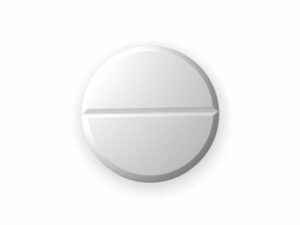



Irbesartan
Irbesartan is a medicine used to help control high blood pressure and, in certain people, to help protect the kidneys. In the UK it is available under various brand names and as generics, depending on the product you receive.
This guide is written to be patient-friendly and focuses on how irbesartan works, how it is taken, possible side effects, and key safety points for everyday use in the United Kingdom.
Basic product information
| Item | Details |
|---|---|
| Generic name | Irbesartan |
| Drug class | Angiotensin II receptor blocker (ARB) |
| Common uses | High blood pressure (hypertension); kidney protection in selected patients with diabetes and kidney disease |
| Typical forms | Tablets (strengths vary by product/brand) |
| How it’s taken | Once daily in most regimens |
| Key warnings | Not recommended during pregnancy; caution with dehydration and certain medicines that affect potassium or kidney function |
How irbesartan works (mechanism of action)
Irbesartan belongs to the group of medicines called angiotensin II receptor blockers (ARBs). In the body, a hormone called angiotensin II contributes to narrowing of blood vessels and increased blood pressure.
Irbesartan blocks the angiotensin II receptor (type AT1), helping blood vessels relax and reducing pressure in the arteries. This can lower blood pressure and may reduce strain on organs such as the heart and kidneys.
- Blood vessel relaxation → lower blood pressure
- Reduced aldosterone effects → often less tendency to raise potassium compared with some other blood pressure medicines
- Kidney protection in selected patients (especially in diabetes with kidney disease)
Pharmacokinetics (how the body handles irbesartan)
While individual responses vary, the following overview may help you understand how the medicine behaves in the body.
- Absorption: Irbesartan is absorbed after oral dosing; food does not usually require dose changes.
- Time to peak level: Blood levels typically peak a few hours after taking a dose.
- Half-life: The medicine has a relatively long duration of action, supporting once-daily dosing.
- Metabolism and elimination: It is metabolised mainly in the liver and eliminated via the bile and urine to a lesser extent.
- Steady effect: Blood pressure improvements build over days to weeks, with maximum benefit often seen after several weeks.
Typical uses (indications)
Irbesartan is used for:
- Hypertension (high blood pressure): To lower blood pressure and reduce the risk of cardiovascular complications.
- Kidney protection in selected patients: Particularly in people with type 2 diabetes, high blood pressure, and kidney disease characterised by albumin in the urine (for example, persistent microalbuminuria or proteinuria, depending on the clinical assessment).
Your clinician may choose an ARB like irbesartan when they want effective blood pressure control with the additional goal of kidney protection in appropriate patients.
When and how to take irbesartan (timing and dosing)
Irbesartan is usually taken . Many people find it easiest to take it at the same time each day. Follow the instructions given with your specific product.
Typical dosing approach (general)
Dosing can vary depending on your condition, kidney function, and how you respond to treatment. Common starting and target approaches include:
- High blood pressure: A standard starting dose is often used, with adjustments if needed based on blood pressure readings.
- Type 2 diabetes with kidney disease: Dose selection may differ and is tailored to your clinical status and tolerance.
Because strength and dosing schedules vary across brands and patient circumstances, it is important to use the dose specified for you.
If you miss a dose
- Take it when you remember, unless it is close to the time of your next dose.
- If it is near the next dose, skip the missed dose and continue as normal.
- Do not double up to make up for a missed tablet.
How long until it works?
- You may notice effects on blood pressure within the first days.
- More reliable long-term improvement often takes several weeks.
- Continue taking it even if you feel well—high blood pressure often has no symptoms.
Food interactions (does food change anything?)
Irbesartan can usually be taken with or without food. Food does not typically require special timing adjustments.
For best adherence, choose a routine that fits your day and stick with it. If you notice stomach upset or other symptoms after taking it, talk to your pharmacist or clinician for individual advice.
Alcohol and medicine interactions
Alcohol
Drinking alcohol can lower blood pressure further and may increase the chance of light-headedness or dizziness, especially when you first start irbesartan or if you drink more than usual.
- Start cautiously if you intend to drink.
- Seek advice if you experience fainting, severe dizziness, or falls.
Important medicine interactions
Some medicines can change how your body responds to irbesartan or increase the risk of side effects. It’s especially important to let your healthcare team know about the following:
- Potassium-raising medicines (risk: high potassium / hyperkalaemia), such as: potassium supplements, potassium-containing salt substitutes, and certain diuretics (e.g., potassium-sparing diuretics).
- Non-steroidal anti-inflammatory drugs (NSAIDs) (e.g., ibuprofen, naproxen): regular or high-dose NSAID use may affect kidney function and reduce blood pressure lowering in some people.
- Other blood pressure medicines: combining therapies may increase the likelihood of low blood pressure but may be beneficial under supervision.
- Medicines affecting kidney function and fluid balance: dehydration from illness (vomiting/diarrhoea), diuretics, or significant changes in fluid intake can increase risk.
- Lithium: in some cases, irbesartan may increase lithium levels and toxicity—this combination requires careful monitoring if used.
Always tell your pharmacist about all medicines you take, including over-the-counter products, herbal remedies, and supplements.
Safety profile (side effects and when to get help)
Like all medicines, irbesartan can cause side effects. Many people have no problems, but it’s important to know what to watch for.
Common side effects
- Dizziness, especially when standing up quickly
- Fatigue or tiredness
- Headache
- Nausea or stomach discomfort (less common)
Less common but important
- Changes in kidney function tests (often assessed through blood tests)
- Increased potassium (hyperkalaemia), which may not cause symptoms but can be detected via blood tests
- Allergic reactions (rare)
Seek urgent medical help if
- You develop swelling of the face, lips, tongue, or throat, or have difficulty breathing (possible allergic reaction)
- You feel faint, collapse, or have severe dizziness
- You develop muscle weakness, severe palpitations, or unusual symptoms suggestive of high potassium
- You become very unwell with vomiting/diarrhoea and feel significantly dehydrated
Who should take extra care?
Extra caution may be needed if you have:
- Kidney disease or reduced kidney function
- Dehydration (for example, after illness)
- Low blood pressure or tendency to dizziness
- High potassium in the past
- Diabetes with kidney involvement (monitoring is often planned)
Practical use tips (getting the best results safely)
- Check blood pressure regularly: Home readings help you see how well treatment is working. Keep a note of results.
- Do not stop suddenly: Stopping ARBs can lead to rising blood pressure. If you want to change treatment, discuss it with your clinician.
- Attend blood tests: Your clinician may monitor kidney function and potassium, especially after starting or changing dose.
- Stay hydrated: If you are unwell with vomiting/diarrhoea, you may need advice about temporarily holding some medicines to protect kidneys (ask your healthcare team for “sick day rules”).
- Be careful when getting up: If dizziness occurs, rise slowly from sitting or lying positions.
- Keep a medication list: Include all prescription medicines, over-the-counter medicines, and supplements for quick reference.
Alternative options (if irbesartan isn’t suitable)
Depending on your medical history, clinicians may consider other treatment options in the same overall therapeutic area. Alternatives typically include:
Other ARBs
- Losartan
- Valsartan
- Candesartan
- Telmisartan
Other blood pressure medicines
- ACE inhibitors (another class affecting the renin-angiotensin system) such as enalapril or lisinopril
- Calcium channel blockers such as amlodipine
- Thiazide-like diuretics such as indapamide
- Other diuretics depending on your needs
- Beta-blockers in selected situations
The best choice depends on factors like kidney function, potassium levels, diabetes status, heart history, and how your blood pressure responds. If irbesartan causes side effects, alternatives may be considered.
Market and legal context in the United Kingdom
In the UK, irbesartan products are regulated medicines and are marketed as part of standard hypertension care. Guidance on blood pressure management in the UK is influenced by national clinical practice and medicines safety information.
- Medicines safety and monitoring: ARBs may require periodic monitoring of kidney function and potassium, especially in higher-risk groups.
- Pregnancy precautions: ARBs are not recommended in pregnancy due to potential risks to the developing foetus.
- Appropriate use: ARBs are used to treat conditions where benefit is expected, alongside lifestyle measures.
Recent guidance (UK-focused)
UK blood pressure management commonly emphasises:
- Regular blood pressure review and appropriate monitoring
- Individualised treatment goals based on overall cardiovascular risk
- Safe prescribing with attention to kidney function and potassium (for agents affecting the renin–angiotensin system)
- Structured follow-up after starting or changing doses
Specific recommendations can evolve with updated national guidance and formulary practice. Always follow advice from your own healthcare professional.
Delivery and availability (UK)
Availability of irbesartan tablets can vary by brand and strength, and stock levels may change. When ordering from an online pharmacy, you may see:
- Different tablet strengths (for example, 75 mg, 150 mg, 300 mg, depending on product availability)
- Different brand names or generics
- Dispatch and delivery timelines that depend on the courier service and your location
To help ensure smooth supply, have the exact information from your packaging (strength and tablet form) available when placing your order. If you have specific preferences, contact the pharmacy’s support team before ordering.
FAQ: Common questions about irbesartan
1) Is irbesartan a beta-blocker?
No. Irbesartan is an ARB (angiotensin II receptor blocker). It works differently from beta-blockers.
2) Can I take irbesartan with other blood pressure medicines?
Often, yes. Many people need combination therapy to reach blood pressure targets. However, the combination should be chosen and monitored by a clinician due to the risk of low blood pressure, kidney effects, or potassium changes.
3) Will irbesartan make me pee more?
Irbesartan is not a diuretic in the same way as “water tablets”. Some people may notice changes in fluid balance indirectly, but it generally does not cause the same strong diuretic effect as certain other medicines.
4) Do I need blood tests?
You may. Clinicians commonly check kidney function and potassium before starting and after dose changes, especially if you have kidney disease, diabetes, are older, or are taking other medicines that affect potassium or kidney function.
5) What should I do if I feel dizzy after starting?
Dizziness can occur, particularly when beginning treatment or after a dose increase. Sit or lie down if you feel light-headed, rise slowly, and seek medical advice if symptoms persist or are severe.
6) Can I drink alcohol while taking irbesartan?
Light to moderate alcohol may be possible for some people, but alcohol can worsen dizziness or lower blood pressure. Use caution and avoid excessive drinking. If you notice dizziness or faintness, reduce alcohol and speak to your pharmacist or clinician.
7) Are there foods I must avoid?
No specific foods are usually restricted. Irbesartan can generally be taken with or without food. If you take supplements, especially potassium-containing products, ask a pharmacist first.
8) Can I take ibuprofen or other painkillers?
Occasional use may be acceptable for many people, but regular or high-dose NSAID use can affect kidney function and blood pressure control. If you need pain relief often, ask your pharmacist which options are safest for you.
9) Is irbesartan suitable during pregnancy?
Irbesartan is not recommended in pregnancy. If you are trying to conceive or become pregnant, contact your healthcare professional promptly for advice on safer alternatives.
10) What if my blood pressure is too low?
If you experience symptoms such as dizziness, fainting, or unusual weakness, check your blood pressure and seek medical advice. Your dose may need adjustment, but do not change or stop the medicine without guidance.
Summary
Irbesartan is an ARB used to treat high blood pressure and, for selected patients, to help protect the kidneys. It relaxes blood vessels by blocking angiotensin II, leading to more controlled blood pressure over time. It is usually taken once daily and can be taken with or without food.
For safe use, be mindful of possible dizziness, attend recommended blood tests, and discuss other medicines—especially NSAIDs and potassium-related products. If you have diabetes, kidney disease, or you’re unwell with dehydration, seek advice on what to do during that period.
Need personalised advice? If you are unsure how irbesartan fits with your current medicines or health conditions, contact your pharmacist or prescriber for guidance.