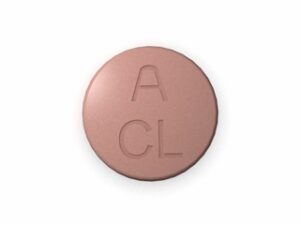
Altace (Ramipril) – Patient-Friendly Guide (UK)
Altace is a brand of ramipril, a medicine in the ACE inhibitor (angiotensin-converting enzyme inhibitor) group. It is used to treat certain heart and blood pressure conditions and to help protect the kidneys in some people at risk. This guide explains how Altace works, typical uses, how to take it, food and alcohol considerations, important safety points, and practical tips.
Note: Medicines can affect people differently. Always follow the advice given by your healthcare professional and read the patient information leaflet supplied with your medicine.
Basic product information
- Medicine name: Altace
- Active ingredient: Ramipril
- Medicine class: ACE inhibitor
- Used for: High blood pressure, heart failure, and reducing cardiovascular and kidney risk in selected patients
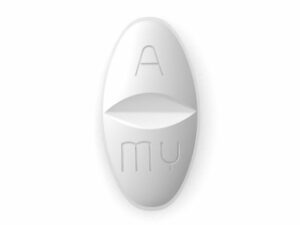
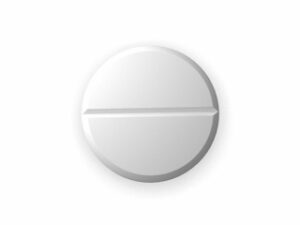
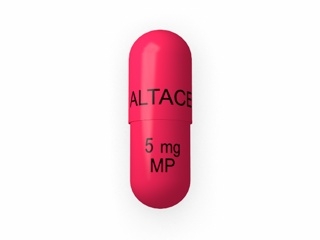
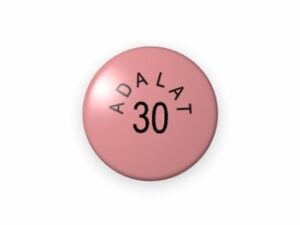
- Common strengths (may vary by product availability): Typically 1.25 mg, 2.5 mg, 5 mg, 10 mg tablets (strength options vary by UK supply)
- How it’s taken: Usually by mouth once or twice daily, depending on your condition and tolerance
How Altace works (mechanism of action)
Ramipril is an ACE inhibitor. It works by blocking the angiotensin-converting enzyme (ACE), which normally helps the body make angiotensin II—a substance that narrows blood vessels and raises blood pressure.
By inhibiting ACE, Altace:
- Helps blood vessels relax and widen, lowering blood pressure
- Reduces workload on the heart, which can improve symptoms in some people with heart failure
- May protect organs (including heart and kidneys) by lowering harmful strain from high blood pressure and certain vascular mechanisms
- Can increase levels of bradykinin, which contributes to vessel effects but may also be related to common side effects such as cough
Pharmacokinetics (how the body handles Altace)
Pharmacokinetics describes what the body does with a drug—how it’s absorbed, metabolised, distributed, and eliminated.
- Absorption: Ramipril is taken by mouth and is absorbed after dosing. Food may affect the timing of absorption but generally does not make the medicine unsafe with meals.
- Activation (metabolism): Ramipril is converted in the body to its active metabolite (ramiprilat), which drives much of the ACE inhibition.
- Peak effect: The timing of peak effects depends on the formulation and individual metabolism; ACE inhibition develops after dosing as ramiprilat forms.
- Distribution: The active form circulates in the bloodstream and acts on the ACE enzyme system-wide.
- Elimination: Ramipril and its metabolites are eliminated mainly through the kidneys. In people with kidney impairment, the dose often needs careful adjustment.
Why this matters for you: Dosing schedules are designed to provide steady ACE inhibition throughout the day. If you miss a dose, your healthcare team may recommend what to do—often it is not doubled.
Typical indications (what Altace is used for)
Altace is commonly used in the UK for several related cardiovascular and kidney protection indications, depending on a person’s medical history and risk profile. Indications may include:
- Hypertension (high blood pressure)
- Heart failure (symptomatic), often as part of a broader treatment plan
- Reducing cardiovascular events in people at high cardiovascular risk (for example after certain cardiovascular events or in established vascular disease), as determined by a clinician
- Renal protection in selected patients—particularly those with proteinuria or certain kidney/vascular risk profiles
Exact suitability depends on your overall health, kidney function, blood pressure, and other medications.
When and how to take Altace (timing)
Timing is important for consistent blood levels and tolerability. Many people take Altace:
- Once daily for some conditions and doses
- Twice daily in certain situations, such as specific dosing regimens or titration plans
Best time of day: Some people prefer taking it in the morning. Others may take it at night if they experience side effects such as dizziness, especially after the dose. Your healthcare professional may recommend the timing based on your symptoms and blood pressure pattern.
With or without food: You can typically take Altace with or without food. See the food section below for more detail.
Consistency matters: Try to take it at similar times each day. If you are titrating (increasing the dose gradually), follow the schedule provided.
Dosing and dose adjustment
Dose requirements vary widely. Altace is usually started at a lower dose and gradually increased (titrated) to improve tolerability and reach a target effect.
General approach (high-level)
- Start low: Especially in people who are older, have kidney impairment, low blood pressure, or are taking diuretics.
- Increase gradually: Often every 1–2 weeks depending on blood pressure, symptoms, and blood test results (especially kidney function and potassium).
- Adjust for kidney function: Kidney impairment may require lower starting doses and closer monitoring.
Common dosing patterns (illustrative)
Different regimens exist for different indications. Your clinician will select the right plan for you. As a patient-friendly reference, typical dosing regimens may include:
- Hypertension: often once daily; may be adjusted based on response
- Heart failure: commonly started at a low dose and increased slowly, with close monitoring
- High cardiovascular risk / post-event protection: commonly started at a low dose and titrated to a maintenance dose
- Renal protection: dose may be selected based on kidney function and risk factors
Important: Always follow the exact tablet strength and number of tablets prescribed for your situation. Do not change the dose yourself.
Food interactions
Most people can take Altace with or without food. However, food can influence the rate of absorption. In practical terms:
- With meals: taking with food may reduce the risk of stomach upset for some people.
- Consistency: choose a routine that suits you and keep it consistent.
What to avoid (food-related):
- High potassium diets may not be suitable for everyone on an ACE inhibitor. Whether you need to restrict potassium depends on your blood test results and kidney function.
Salt substitutes: Many contain potassium. If you are at risk of high potassium (hyperkalaemia), ask your clinician before using salt substitutes.
Alcohol and medicine interactions
Alcohol can lower blood pressure and may increase the likelihood of dizziness, faintness, or light-headedness—especially when you first start Altace or after a dose increase.
- Early in treatment: consider reducing alcohol intake until you know how your body responds.
- Stay alert: if you feel dizzy, avoid driving and be cautious with activities that require concentration.
General interaction principles: Altace interacts with several medicine groups. Some interactions can increase the risk of kidney problems or abnormal potassium levels. Always review all medicines you take with your pharmacist or clinician.
Medicine interactions (including common examples)
Interactions depend on your dose, kidney function, and other factors. The list below provides patient-friendly examples of what your clinician may consider:
- Potassium supplements or potassium-rich salt substitutes: may raise potassium too much
- Potassium-sparing diuretics (e.g., spironolactone, eplerenone, amiloride, triamterene): increase risk of high potassium
- Diuretics (especially loop/thiazide diuretics): may increase the chance of low blood pressure, dehydration, or changes in kidney function
- NSAIDs (painkillers like ibuprofen or naproxen): long-term or high-dose use may increase kidney strain and reduce blood pressure-lowering effect in some patients
- Other blood pressure medicines (e.g., ARBs, beta blockers, calcium channel blockers): may be used together but may increase low blood pressure risk
- Lithium: can have increased toxicity with ACE inhibitors
- Immunosuppressants or drugs affecting blood cells: may change risk profiles and require monitoring
- Allopurinol and some medicines for anaemia: may affect risk of blood disorders in combination with ACE inhibitors
- Diabetes medicines (insulin, sulfonylureas): ACE inhibitors can sometimes enhance blood sugar-lowering effects
Dual ACE/ARB therapy warning: In general, combining ACE inhibitors with ARBs is usually avoided unless specifically directed by a specialist, due to higher risks of kidney problems and high potassium.
Safety profile: who should take extra care?
Altace is generally well tolerated, but it can cause side effects. Some are more serious and require prompt action.
Common side effects
- Dry, persistent cough (a known ACE inhibitor effect)
- Dizziness or light-headedness, especially after starting or increasing dose
- Headache
- Fatigue
- Low blood pressure (hypotension)
- Changes in kidney function tests (often identified through blood tests)
- Raised potassium (detected through blood tests)
Serious side effects (seek medical advice urgently)
- Allergic reaction / angioedema: swelling of face, lips, tongue, throat, or difficulty breathing—this is an emergency
- Severe dizziness, fainting, or symptoms of very low blood pressure
- Yellowing of skin/eyes (jaundice) or severe abdominal pain—possible liver issues
- Signs of kidney problems: reduced urine output, sudden fluid retention, or severe weakness
- Severe rash or blistering skin reactions
- High potassium symptoms (in some cases): muscle weakness, abnormal heart rhythms—often identified via blood tests
Special caution groups
- Pregnancy: ACE inhibitors are generally not suitable during pregnancy.
- Breast-feeding: suitability depends on the situation and should be discussed with a clinician.
- Kidney impairment: may require dose adjustment and closer monitoring.
- History of angioedema (especially related to ACE inhibitors).
- Low blood pressure, dehydration, or low salt intake.
- People taking multiple medicines that affect kidney function or potassium.
Practical use tips for UK patients
- Plan for blood tests: Your clinician may monitor kidney function (creatinine/eGFR) and potassium, particularly after starting and after dose changes.
- Stand up slowly: If dizziness occurs, rise gradually from sitting or lying positions.
- Monitor symptoms: Keep note of persistent cough, dizziness, swelling, or unusual tiredness.
- Hydration matters: Dehydration (e.g., from vomiting/diarrhoea or heavy sweating) can increase the risk of kidney problems with ACE inhibitors. Seek advice if you become unwell.
- Don’t combine without advice: Avoid potassium supplements or salt substitutes unless you’ve been told they’re safe.
- Inform healthcare professionals: Tell your GP, dentist, and any hospital teams you take Altace, especially before procedures.
Recent guidance and monitoring (UK context)
In the UK, ACE inhibitors such as ramipril are widely used for cardiovascular disease prevention and management. Current clinical practice generally includes:
- Regular monitoring of kidney function and potassium after initiation and titration.
- Careful selection of patients and adjustment in those with renal impairment or elevated potassium risk.
- Attention to cough and angioedema risk, with prompt switching or specialist advice when needed.
- Cardiovascular risk optimisation alongside lifestyle measures and other standard therapies where appropriate.
Important: Guidance evolves. Your clinician will use the latest local and national recommendations relevant to your condition.
Alternative options to consider
Depending on why you’re taking Altace, alternatives may include other ACE inhibitors, ARBs (angiotensin receptor blockers), or additional medicines to control blood pressure or improve heart outcomes.
Possible alternative medicine classes
- ARBs (often used if an ACE inhibitor cough is troublesome), such as losartan, valsartan, or candesartan
- Other antihypertensives like calcium channel blockers (e.g., amlodipine) or thiazide-like diuretics
- Heart failure combinations may include beta blockers, mineralocorticoid receptor antagonists, and other therapies depending on your assessment
Your clinician can explain which alternatives suit your medical history, blood test results, and overall risk profile.
Delivery and availability in the UK
Altace (ramipril) is an established medicine and is typically available through pharmacy supply chains in the UK. Availability can vary depending on:
- Tablet strength (e.g., 1.25 mg, 2.5 mg, 5 mg, 10 mg)
- Current manufacturing and distribution schedules
- Local stock levels
When ordering through an online pharmacy, delivery times depend on the service level selected and local distribution capacity. Look for:
- Clear delivery estimates at checkout
- Tracking information where available
- Proper storage guidance and packaging
Storage: Keep tablets in their original packaging, protected from moisture and out of sight and reach of children. Follow any temperature/storage instructions on the label.
Market and legal context in the United Kingdom
Altace (ramipril) is regulated in the UK and supplied under medicines legislation. Pharmacy supply must follow applicable requirements for quality, patient safety, and controlled handling where relevant. UK medicine regulation and pharmacovigilance help ensure that:
- Manufacturers meet quality standards
- Medicines are authorised for use and monitored for safety
- Adverse reactions can be reported and investigated
Online pharmacies in the UK must meet legal requirements for sale, supply, and patient information. If you have concerns about legitimacy or product authenticity, choose an established, properly licensed pharmacy.
FAQ – Altace (Ramipril)
1) What is Altace used for?
Altace (ramipril) is used to treat high blood pressure and certain heart conditions, and to help reduce the risk of cardiovascular events in people at higher risk. It may also be used for kidney protection in selected patients, depending on the individual’s diagnosis and risk factors.
2) How long does Altace take to work?
Blood pressure may start to fall after the first dose, but noticeable improvement can take days to weeks. For heart and risk reduction benefits, effects are assessed over longer periods. Your clinician may adjust dose gradually based on your response.
3) Can I take Altace with food?
Yes, Altace can typically be taken with or without food. If food affects your comfort, taking it with a meal may help reduce stomach upset. Try to take it consistently each day.
4) What if I forget a dose?
If you miss a dose, follow the advice provided by your healthcare professional or the patient leaflet for missed doses. In many cases, you should not take a double dose to make up for a missed tablet. If you are unsure, ask a pharmacist.
5) Why do I have a cough after starting Altace?
A dry, persistent cough can occur with ACE inhibitors like ramipril. It is usually not harmful, but if it’s troublesome, discuss it with your clinician—an alternative may be considered.
6) Will Altace affect my kidney function or potassium?
ACE inhibitors can change kidney function and may raise potassium levels. This is why blood tests (kidney function and potassium) are often monitored, especially after starting or increasing the dose.
7) Can I drink alcohol while taking Altace?
Alcohol can increase the risk of dizziness or low blood pressure. If you choose to drink, consider keeping it moderate and be cautious—especially when starting the medicine or after a dose increase.
8) Are there foods I should avoid?
There are no specific foods universally prohibited, but avoid or be cautious with potassium-containing salt substitutes and high-potassium supplements unless your clinician says they are safe. Also ensure adequate hydration, particularly if you’re ill.
9) What medicines should I be careful with?
Some medicines require special caution with Altace, including NSAIDs (e.g., ibuprofen), potassium supplements, potassium-sparing diuretics, and lithium. Always provide your full medication list to your pharmacist or clinician.
10) Is Altace safe for everyone?
No. It may not be suitable for some people, including those with a history of angioedema related to ACE inhibitors, certain kidney conditions, or during pregnancy. Your clinician will assess suitability and monitoring needs.
Summary
Altace (ramipril) is an ACE inhibitor used in the UK to manage blood pressure and support heart and kidney protection in selected conditions. It works by relaxing blood vessels and reducing harmful strain on the cardiovascular system. Like all medicines, it has potential side effects, including cough and, less commonly, serious reactions such as angioedema. Careful dose titration and monitoring of kidney function and potassium are key parts of safe use.
If you would like, share your general situation (for example: high blood pressure vs heart failure vs kidney concerns, your age range, and whether you take diuretics or NSAIDs). I can help you understand which safety considerations typically matter most—without replacing medical advice.