Atacand (Candesartan) — Patient-Friendly Guide (UK)
Atacand is a medicine containing candesartan, used to treat several heart and blood pressure conditions. It belongs to a group of medicines called angiotensin II receptor blockers (ARBs). This page explains how Atacand works, how it is typically used, what to expect, and important safety information for people in the United Kingdom.
This information is for general guidance. Always read the patient information leaflet supplied with your medicine and follow your healthcare professional’s advice.
1. Basic product information
| Item | Details |
|---|---|
| Medicinal ingredient | Candesartan |
| Medicine group | ARB (Angiotensin II Receptor Blocker) |
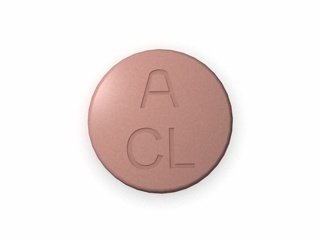
| Common form | Tablets (strengths may vary; commonly 4 mg, 8 mg, 16 mg, 32 mg) |
| Main uses | High blood pressure; heart failure; to reduce cardiovascular risk in selected patients |
| Typical dosing | Once daily is common; dose may be adjusted gradually |
| Brand name | Atacand (other brands/generics may exist depending on availability) |
2. How Atacand works (mechanism of action)
In the body, the hormone angiotensin II contributes to blood vessel tightening and can increase blood pressure. It can also affect the heart’s workload and fluid balance.
Candesartan blocks the action of angiotensin II at its receptor (AT1 receptors). This leads to:
- Relaxation of blood vessels, lowering blood pressure
- Reduced strain on the heart in conditions such as heart failure
- Improved circulation and reduced tendency for fluid to build up in some people
Atacand does not “make you pee” like some diuretics; however, it can still influence fluid and salt balance through its effects on the renin–angiotensin system.
3. Pharmacokinetics (how the body handles it)
Pharmacokinetics describes absorption, distribution, metabolism, and elimination.
- Absorption: Candesartan is absorbed after taking a tablet. It can be taken with or without food.
- Peak effect: Blood levels typically peak within a few hours after a dose.
- Half-life: It has a relatively long duration of action, supporting once-daily dosing for many patients.
- Metabolism: Only a small amount is broken down in the body; a major portion is eliminated unchanged.
- Excretion: It is eliminated through both kidneys and the bile/faecal route.
What this means for you: regular daily use helps maintain steady control. If you miss a dose, taking an extra dose to “catch up” is usually not advised—ask your clinician or pharmacist for personal guidance.
4. What Atacand is used for (indications)
In the UK, Atacand is used for:
- High blood pressure (hypertension): to reduce the risk of strokes, heart attacks, and kidney problems.
- Heart failure: typically in patients who may benefit from an ARB as part of a broader treatment plan.
- Reducing risk after heart failure: depending on clinical circumstances and tolerability of other therapies.
Doctors choose the right medicine based on your symptoms, medical history, kidney function, potassium levels, blood pressure readings, and other medications you may take.
5. Typical timing and how to take Atacand
Many people take Atacand , usually at the same time each day to help maintain consistent blood levels.
When to take your dose
- Morning or evening: Either is acceptable for most people. Choose what fits your routine.
- If you feel light-headed: discuss with your pharmacist or prescriber. Sometimes taking the dose at bedtime is considered.
- Consistency matters: taking it at a similar time each day helps with blood pressure stability.
How to take tablets
- Swallow tablets with water.
- Do not crush or split unless your particular tablet formulation allows it (check your leaflet).
- If you forget a dose, follow the guidance in your leaflet or ask a healthcare professional.
6. Food interactions (can you take Atacand with meals?)
In general, Atacand can be taken with or without food. Food does not typically require a special schedule.
- If you find taking it with food reduces stomach discomfort, you may choose to do so.
- Keep your diet and hydration consistent, especially when starting or increasing dose (this helps reduce blood pressure “drops”).
7. Alcohol interactions and practical guidance
Alcohol can lower blood pressure. Combined with an antihypertensive medicine like Atacand, it may increase the chance of:
- Dizziness
- Feeling faint
- Falls, particularly in older adults or when standing up quickly
Practical tip: If you drink alcohol, consider keeping intake moderate and avoid large amounts, particularly soon after starting treatment or after dose changes.
If you notice recurrent dizziness, tell your clinician. Your dose or timing might need adjustment.
8. Other medicine interactions (important)
Candesartan can interact with other medicines, mainly by affecting kidney function, potassium levels, or blood pressure. Not all interactions apply to every person, so check your current medicines with a pharmacist.
Medicines that may increase potassium levels
Atacand can raise potassium in some people. Extra caution is needed when combined with:
- Potassium supplements
- Salt substitutes containing potassium
- Potassium-sparing diuretics (for example, spironolactone, eplerenone)
- Trimethoprim (some antibiotic combinations)
Medicines affecting kidneys or blood pressure
- NSAIDs (for example, ibuprofen, naproxen, diclofenac) may reduce kidney function and can reduce antihypertensive effect, especially with long-term use or dehydration.
- Other blood pressure medicines can enhance blood pressure-lowering effects (sometimes beneficial, sometimes too strong).
Do not combine with another ARB
- Using two medicines from the same ARB/RAAS class together is usually not recommended unless a specialist specifically advises it.
RAAS combinations (ACE inhibitors + ARBs)
Sometimes clinicians avoid routine “double blockade” due to risk of kidney impairment and high potassium. Your pharmacist can check whether your current regimen is appropriate for you.
Herbal and non-prescription items
- Licorice (including herbal products with licorice) may influence blood pressure and potassium balance.
- Be cautious with “support” supplements that claim to affect blood pressure.
9. Dosing: what is typical?
Only your clinician can determine the correct dose for you. Dosing depends on the condition being treated, your kidney function, blood pressure, age, and other medicines.
For many people in clinical practice, dosing starts low and is adjusted gradually.
Common dosing approach (general)
- High blood pressure: dose may be started at a low strength and titrated based on response.
- Heart failure: dose is usually started low and gradually increased to a target dose if tolerated.
- Kidney or liver concerns: lower starting doses may be used and monitoring is usually more frequent.
Important: If you receive a different dose than shown in general summaries, follow your prescription instructions.
Monitoring that may be recommended
Because Atacand can affect kidney function and potassium, you may be asked for blood tests, especially after starting or increasing dose:
- Kidney function (creatinine/eGFR)
- Potassium levels
- Blood pressure readings at home (if advised)
10. Safety profile and side effects
Like all medicines, Atacand can cause side effects. Many people tolerate it well, but it’s important to recognise possible problems early.
Common or expected effects
- Dizziness or light-headedness (often related to blood pressure changes)
- Headache
- Fatigue
Less common but important
- High potassium (hyperkalaemia): may not cause obvious symptoms; blood tests help detect it.
- Kidney function changes: can occur, especially in people with dehydration, kidney artery issues, or those taking interacting medicines.
- Low blood pressure: more likely after starting, during dehydration, or with dose increases.
Seek urgent medical help if
- Severe dizziness, fainting, or signs of collapse
- Swelling of face/lips/throat or difficulty breathing (this is rare, but urgent)
- Severe muscle weakness or abnormal heart rhythm symptoms, which could relate to electrolyte disturbances
- Marked reduction in urine output or signs of severe dehydration
Who may need extra caution
- People with kidney problems
- People at risk of high potassium
- People who are dehydrated (for example, vomiting/diarrhoea)
- Older adults or those prone to low blood pressure
11. Practical use tips (how to get the best results)
- Take it daily: blood pressure benefits build over time.
- Monitor at home if advised: track blood pressure and symptoms such as dizziness.
- Stand up slowly: especially when starting treatment or after dose changes.
- Hydrate sensibly: avoid dehydration; ask your clinician about fluid guidance if you have heart failure.
- Keep a medication list: include prescription, over-the-counter and herbal products for interaction checks.
- Don’t stop suddenly without advice: do not discontinue unless instructed; sudden changes can affect blood pressure and heart condition control.
- Use consistent salt intake: especially if you are managing kidney issues or advised to limit salt; avoid potassium salt substitutes unless told.
12. Alternative options (if Atacand isn’t suitable)
If Atacand is not appropriate due to side effects, interactions, or individual clinical factors, clinicians may consider alternatives. Options depend on why it’s being used.
Medicines in related classes
- Other ARBs: for example, losartan, valsartan, irbesartan (may have different dosing and tolerability)
- ACE inhibitors: for example, ramipril, lisinopril (work differently; sometimes used if ARBs aren’t suitable)
- Other blood pressure medicines: calcium channel blockers (e.g., amlodipine), thiazide-like diuretics, beta blockers (depending on your condition)
Non-medicine measures
- Reducing salt intake
- Maintaining a healthy weight
- Regular physical activity (as advised)
- Limiting alcohol
- Smoking cessation
Your pharmacist can explain potential alternatives and what you might need to monitor when switching.
13. Market and legal context in the United Kingdom
Atacand (candesartan) is an established cardiovascular medicine available in the UK market. Availability may include branded products and generic candesartan tablets depending on manufacturer and supply.
Regulated supply: As with other prescription-only medicines in the UK, supply is governed by medicines legislation and pharmacy regulations. Pharmacies must follow UK rules for sourcing, dispensing, and patient counselling.
Quality assurance: medicines sold in the UK are expected to meet regulatory standards. If you are ordering online, ensure the pharmacy site is reputable, UK-registered, and provides clear information about sourcing and delivery.
14. Recent guidance and clinical updates (what to know)
In the UK, antihypertensive and heart failure treatment is guided by evidence-based national guidance and updates from professional bodies. Recent years have continued to emphasise:
- Individualised dose titration based on blood pressure response and tolerance
- Monitoring kidney function and potassium when using medicines that affect the renin–angiotensin system
- Careful use in dehydration or acute illness (for example, vomiting/diarrhoea) where kidney function may worsen
- Avoiding unnecessary “double blockade” of the RAAS system in many routine scenarios
If you are unsure how these principles apply to you, ask your pharmacist or GP practice about your monitoring plan, especially after dose changes or during illness.
15. Delivery and availability (UK)
Availability of Atacand depends on pharmacy stock and supplier lines. Many UK pharmacies can supply ARB tablets quickly, particularly when the correct strength and quantity are available.
- Typical availability: Atacand strengths may vary by supplier; generics may be available depending on brand and market supply.
- Dispatch times: vary by pharmacy and stock status.
- Packaging: medicines are usually supplied in secure packaging suitable for safe transport.
Storage: store tablets as directed on the package (usually at room temperature away from moisture). Keep out of reach of children.
16. FAQ
How quickly does Atacand start to work?
Blood pressure lowering can begin within the first hours after a dose, but the full benefit may take several weeks as your body adjusts and the dose is optimised.
Is Atacand safe for long-term use?
For many people, Atacand is used long term for blood pressure control or heart conditions. Ongoing safety relies on periodic monitoring of blood pressure, kidney function, and potassium as advised.
What if I miss a dose?
If you miss a dose, take it as soon as you remember unless it is close to the next dose. Do not take double the amount. Check your leaflet or ask your pharmacy for advice tailored to your schedule.
Can I take Atacand with other blood pressure medicines?
Often, yes—combining medicines can improve control. However, it should be done with guidance because it may increase the risk of low blood pressure, kidney effects, or high potassium. Your pharmacist can check interactions with your specific regimen.
Does Atacand affect kidney function?
It can in some people, which is why blood tests are often recommended after starting or changing dose. This is particularly important if you have pre-existing kidney disease, dehydration, or other interacting medicines.
Can I drink alcohol while taking Atacand?
Moderate alcohol may be tolerated, but alcohol can increase the risk of dizziness or low blood pressure. If you experience light-headedness, consider reducing alcohol and speak to a healthcare professional.
Are there any food restrictions?
Generally, no specific food restrictions are required. Atacand can be taken with or without meals.
Who should not take Atacand?
Atacand may be unsuitable in certain situations, including during pregnancy. If you are pregnant, planning pregnancy, or breastfeeding, seek medical advice promptly. Your pharmacist can also help you identify any personal contraindications based on your medical history.
What side effects should I watch for?
Common issues include dizziness, headache, or tiredness. Seek urgent advice if you develop severe dizziness/fainting, swelling of the face or throat, or other serious symptoms.
What are good alternatives if Atacand isn’t right for me?
Alternatives may include other ARBs, ACE inhibitors, or medicines from different classes such as calcium channel blockers or diuretics—depending on your condition and tolerance.
Need more help?
If you have questions about how to take Atacand, how it fits with your current medicines, or what monitoring you might need, speak with a pharmacist or healthcare professional. They can provide advice tailored to your individual health needs.