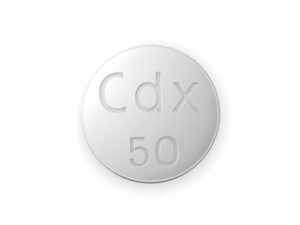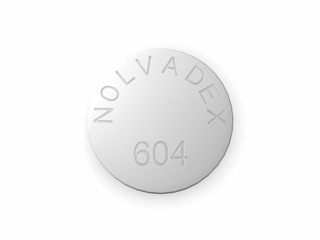

Nolvadex (Tamoxifen) — Patient Information (UK)
Nolvadex is a well-known medicine containing tamoxifen. In the UK, it is used to treat and help prevent certain hormone-dependent breast cancers. This guide explains how Nolvadex works, how it is usually taken, common safety considerations, and what to expect in everyday life.
Always follow the instructions given by your healthcare professional and read the information leaflet that comes with your medicine. If you are unsure about dosing, timing, or interactions, contact your pharmacist for advice.
Basic product information
| Item | Details |
|---|---|
| Active ingredient | Tamoxifen (as tamoxifen citrate) |
| Brand name | Nolvadex |
| Common strengths | 10 mg and 20 mg tablets (strength varies by product) |
| Medicinal type | Selective Estrogen Receptor Modulator (SERM) |
| How it is taken | Usually by mouth, once or twice daily depending on the intended use |
| Typical duration | Often long-term (months to years) depending on the situation |
How Nolvadex works (mechanism of action)
Nolvadex is a Selective Estrogen Receptor Modulator (SERM). It affects how the body responds to the hormone oestrogen by binding to oestrogen receptors.
- In breast tissue: Nolvadex blocks oestrogen’s growth signals, which can help slow or stop the growth of oestrogen-receptor positive breast cancer.
- In other tissues: its effects can differ. For example, it can behave like an oestrogen-like agent in some areas, which is one reason it has both benefits and specific risks (such as effects on the uterus).
Nolvadex may also reduce recurrence risk in certain settings by interfering with tumour growth signals driven by oestrogen.
Pharmacokinetics (what the body does to tamoxifen)
“Pharmacokinetics” describes how the body absorbs, distributes, metabolises, and eliminates a drug. With tamoxifen, a key point is that it is converted in the liver into active forms.
- Absorption: Tamoxifen is taken by mouth and is absorbed after swallowing the tablet. Food does not usually prevent absorption, but it may affect how quickly peak levels are reached.
- Metabolism: Tamoxifen is extensively metabolised in the liver. One important metabolite is endoxifen, which contributes significantly to tamoxifen’s clinical effect.
- Time to effect: Improvements and protective benefits are often seen over time. Because cancer-related outcomes can take months, regular follow-up is essential.
- Half-life: Tamoxifen and its metabolites can remain in the body for extended periods. This is why missing doses consistently (rather than occasional missed tablets) is more likely to affect effectiveness.
- Elimination: The medicine and metabolites are eliminated mainly through the liver and then via the digestive system, with some excretion in urine.
What Nolvadex is used for (indications)
Nolvadex is used in several breast cancer situations, particularly where the tumour is oestrogen-receptor positive (ER+), and in some cases where ovarian hormone changes play a role.
Common UK indications include:
- Treatment of certain types of breast cancer, including early and advanced (metastatic) disease, when the cancer is hormone-sensitive.
- Adjuvant treatment to reduce the risk of recurrence in appropriate patients after surgery.
- Prevention of recurrence in selected patient groups, depending on cancer type and risk factors.
- Management of ductal carcinoma in situ (DCIS) in appropriate cases, as advised in clinical guidance.
The exact choice to use Nolvadex, and the duration, depends on factors such as age, menopausal status, tumour receptor status, previous treatments, and overall health.
Timing and how to take Nolvadex
Taking tamoxifen consistently is important. Your schedule may vary depending on your intended course. Below are general patient-friendly guidelines.
Typical dosing schedule (general guidance)
- Many regimens use a dosing schedule of once daily (commonly 20 mg/day) or twice daily in some situations.
- Follow your local instructions regarding strength (e.g., 10 mg vs 20 mg) and total daily dose. Tablets are sometimes adjusted based on clinical goals.
Best time to take it
- Choose a time you can keep consistently (morning or evening).
- If taking twice daily, space doses roughly evenly (for example, morning and evening).
- Try to take it at the same time each day to maintain steady exposure.
How to swallow
Swallow the tablet with water. You can take it with or without food unless your healthcare professional advises otherwise. If you have difficulty swallowing tablets, ask your pharmacist about suitable options.
If you miss a dose
- If you miss a dose, take it as soon as you remember on the same day.
- If it is already close to the next scheduled dose, skip the missed dose and resume your normal schedule.
- Do not take a double dose to make up for a missed one.
- If you miss several doses or are unsure, contact your healthcare professional or pharmacist for advice.
Food interactions
Food is not usually a major issue for tamoxifen. In most patients, taking Nolvadex with meals does not significantly change effectiveness. However, because individual tolerability varies, taking it with food may help reduce nausea or indigestion.
Practical tips:
- Take with a meal if you notice stomach upset.
- Stay hydrated (especially if you experience hot flushes or sweating).
- Maintain a balanced diet; treatment can affect appetite and energy levels.
Alcohol and medicine interactions
Alcohol can affect your health in general and may worsen certain side effects such as nausea, fatigue, hot flushes, or mood changes. There are no universally mandatory alcohol restrictions for tamoxifen, but moderation is sensible.
Key points:
- Moderate alcohol is usually preferable to heavy drinking.
- Avoid alcohol if it triggers side effects or interacts with other medicines you are taking.
- If you drink alcohol regularly, discuss it with your pharmacist or prescriber, particularly if you take other cancer-related medicines.
Important medicine interactions (especially antidepressants)
Tamoxifen’s effectiveness depends partly on liver enzymes that convert it into active metabolites. Some medicines can interfere with this process.
Tell your healthcare team about all medicines, including:
- Prescription medicines
- Over-the-counter products
- Herbal supplements (particularly those affecting the liver enzymes)
- Hormonal products
In the UK, one of the most discussed interaction groups is certain antidepressants. Some SSRIs/SNRIs can inhibit enzymes involved in tamoxifen metabolism. If you take an antidepressant, your pharmacist can check which options are safest with tamoxifen.
Do not stop or start antidepressants without medical advice. Sudden changes can cause withdrawal effects and may affect mood.
Other possible interactions to review
- Enzyme inducers (some medicines used for seizures or tuberculosis) may affect tamoxifen levels.
- Hormonal therapies should be discussed carefully, as combining hormonal treatments can conflict with tamoxifen’s purpose.
- Anticoagulants (blood thinners) may require closer monitoring because changes in clot risk or other factors may occur.
Your pharmacist can provide a personalised interaction check if you share a list of your current medicines and supplements.
Dosing (what patients should know)
Dosing depends on the type stage of breast cancer, intended benefit, menopausal status, and whether other treatments are involved. The information below is general.
Common dosing patterns
- Typically 20 mg once daily is a common regimen in many settings.
- Some regimens may involve 10 mg twice daily or other total daily doses.
- Treatment duration can be several years in adjuvant settings, or shorter in some other indications.
Always confirm your prescribed strength and dose. If you have questions about whether you should take 10 mg or 20 mg tablets, check the label and seek advice from your pharmacist.
Missed doses and dose changes
- Do not change your dose without instruction.
- If side effects occur, your healthcare professional may recommend supportive treatment or an adjusted plan.
- If you stop early, discuss this promptly—stopping can reduce benefits.
Safety profile: common and serious side effects
Like all medicines, Nolvadex can cause side effects. Many are manageable, but some require urgent attention.
Common side effects
- Hot flushes and sweating
- Vaginal dryness or changes in vaginal discharge
- Menstrual changes (may be irregular, depending on menopausal status)
- Nausea or stomach discomfort
- Fatigue
- Headache
- Skin rash (occasionally)
- Swelling or fluid retention
Less common but important risks
Some risks are uncommon but significant. It’s essential to know the warning signs and to seek medical help promptly if they occur.
- Blood clots (thromboembolism): may include deep vein thrombosis (DVT) or pulmonary embolism (PE). Watch for one-sided leg swelling, pain, sudden breathlessness, chest pain, or coughing blood.
- Endometrial (uterine) changes: increased risk of thickening or other uterine effects in some patients. Report any unusual vaginal bleeding, spotting after menopause, or unusual pelvic pain.
- Eye problems: report new vision changes. Tamoxifen can rarely be associated with ocular effects.
- Stroke (rare): seek urgent medical attention for facial drooping, weakness on one side, trouble speaking, or sudden severe headache.
When to seek urgent help
Contact emergency services or urgent medical care immediately if you develop symptoms suggestive of a serious clot or stroke.
- Sudden shortness of breath, chest pain, or coughing blood
- One leg becomes swollen, painful, warm, or red
- Signs of stroke (face drooping, arm weakness, speech difficulty)
- Unexplained heavy or persistent vaginal bleeding
- Sudden vision loss or severe eye pain
Practical use tips for everyday life
Nolvadex treatment can be long-term, so it helps to plan for side-effect management and medication adherence.
Managing hot flushes
- Dress in layers and use a fan if needed.
- Avoid overheating (hot baths, direct sunlight, heavy bedding).
- Reduce triggers such as spicy foods, alcohol, and caffeine if they worsen symptoms.
- Discuss treatment options for hot flushes with your healthcare team.
Vaginal and sexual health
- Consider lubricants or moisturisers for dryness (ask a pharmacist for suitable options).
- Report persistent discomfort or bleeding promptly.
- Do not use hormonal vaginal products without advice, as they may interact with your overall cancer treatment plan.
Medication adherence
- Set a daily reminder on your phone or watch.
- Keep tablets in a consistent place (not in the bathroom if humidity is high).
- Use a pill organiser if it helps you stay on track.
- Refill on time to avoid running out.
Monitoring and follow-up
Regular follow-up appointments and recommended monitoring (including any scans, blood tests, or check-ups) are an important part of safe, effective use.
- Attend scheduled reviews for cancer surveillance.
- If you are post-menopausal, report any vaginal bleeding even if it seems minor.
- Seek advice for any new symptoms that concern you.
Alternative options
Depending on the individual case (cancer stage, hormone receptor status, previous treatments, and menopausal status), healthcare professionals may consider alternative endocrine therapies or treatment combinations.
Examples of alternatives may include:
- Other SERMs in specific circumstances
- Aromatase inhibitors (commonly used in post-menopausal hormone receptor-positive breast cancer)
- Ovarian suppression or other strategies to reduce oestrogen production
- Targeted therapies or chemotherapy in combination with endocrine treatment, depending on tumour characteristics
Your care team will choose the most suitable option based on your diagnosis and treatment history. Do not switch treatments without professional guidance.
Market and legal context in the United Kingdom
In the UK, medicines such as Nolvadex are authorised for use under national regulatory processes and are supplied through licensed channels. Tamoxifen is widely used and is supported by established clinical evidence and guideline recommendations.
UK healthcare guidance and cancer pathways are produced and updated by bodies including the National Institute for Health and Care Excellence (NICE) and clinical practice networks. Treatment decisions also take into account local commissioning and service availability.
Patient access to medicines is supported through NHS services and community pharmacies, with additional options including pharmacy-led advice and medication reviews.
Recent guidance and clinical considerations
Treatment recommendations may evolve as new evidence emerges, including the optimal duration of endocrine therapy, approaches to managing side effects, and selection of patients based on tumour biology.
- Duration and sequencing: many patients receive endocrine therapy for extended periods in adjuvant settings. Your plan may vary based on your risk profile and response.
- Menopausal status matters: in some settings, aromatase inhibitors or combined strategies may be preferred for certain patients.
- Drug interaction awareness: clinicians increasingly review potential interactions, especially with other medicines that affect liver enzymes.
- Monitoring safety: follow-up focuses on clot symptoms, uterine health (where relevant), and general tolerability.
For the most up-to-date information, speak with your oncologist, breast care nurse, or pharmacist.
Delivery and availability (UK)
Nolvadex is commonly stocked by UK pharmacies and may be available as branded tablets. Stock availability can vary by strength (e.g., 10 mg vs 20 mg) and tablet pack size.
What to expect from an online pharmacy:
- Availability checks: items may be confirmed quickly after you place an order.
- Delivery: delivery times depend on your location and the pharmacy’s dispatch schedule.
- Packaging: medicines are typically dispatched in secure packaging to protect tablets and labels.
- Tracking: many services provide tracking details.
If you need Nolvadex urgently or require a specific strength, contact the pharmacy’s customer service so they can advise on stock and delivery options.
FAQ — Frequently asked questions
1) Is Nolvadex the same as tamoxifen?
Yes. Nolvadex is a brand name that contains the active substance tamoxifen.
2) How long will I need to take tamoxifen?
Duration depends on the reason you are taking it (adjuvant prevention, treatment of established disease, or other indications) and your individual clinical situation. Some regimens can last for years—follow your personalised plan.
3) What should I do if I feel unwell after taking it?
Mild nausea, fatigue, or hot flushes are common. Try taking it with food and keep hydrated. If symptoms are severe, persistent, or worsening—especially if you notice signs of clot or heavy vaginal bleeding—seek prompt medical advice.
4) Can I take Nolvadex with food?
Usually yes. Many people find taking it with a meal helps reduce stomach upset. If your doctor or pharmacist advises a specific approach, follow that instruction.
5) Can I drink alcohol while on tamoxifen?
Moderation is generally advisable. Alcohol can worsen side effects such as nausea, fatigue, and hot flushes. If you’re unsure, ask your pharmacist—especially if you take other medicines.
6) Are there any medicine interactions I should know about?
Yes. Tell your healthcare team about all medicines and supplements. Some antidepressants and other drugs can affect how tamoxifen is metabolised. Your pharmacist can perform an interaction check.
7) Does Nolvadex affect driving or operating machinery?
Most people can drive safely while taking Nolvadex, but side effects such as dizziness, fatigue, or vision changes can occur. If you feel unwell or notice vision problems, avoid driving and seek advice.
8) What symptoms mean I should contact my doctor urgently?
Seek urgent help for signs of a blood clot (one-sided leg swelling or pain; sudden breathlessness or chest pain), symptoms of stroke (face droop, arm weakness, speech difficulty), or unusual persistent vaginal bleeding—particularly after menopause.
9) Will Nolvadex stop my periods?
It can affect menstrual patterns, particularly depending on menopausal status and overall treatment plan. If you are pre-menopausal, periods may become irregular; report unexpected or heavy bleeding to your healthcare team.
10) Can I stop taking Nolvadex if I feel better?
Do not stop early without speaking to your healthcare professional. Tamoxifen’s benefits—especially for reducing recurrence—depend on taking it as planned.
Summary
Nolvadex (tamoxifen) is a SERM medicine used in the management of hormone-receptor-positive breast cancer and to reduce the risk of recurrence in selected patients. It works by blocking oestrogen receptors in breast tissue. Because it is metabolised in the liver and can interact with other medicines, it’s important to review your full medication list with your pharmacist.
If you experience concerning symptoms such as signs of blood clots, stroke, new vision problems, or unusual vaginal bleeding, seek urgent medical advice. With consistent daily use and appropriate monitoring, many people continue treatment safely and effectively as part of their cancer care plan.