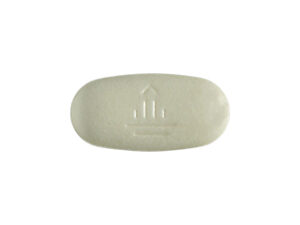

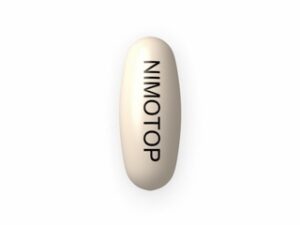
Adalat (Nifedipine) – Patient-Friendly Guide (UK)
Adalat is a brand of nifedipine, a medicine used to treat certain heart and blood pressure conditions. This page explains what Adalat is used for, how it works, how it’s usually taken, key safety information, and practical tips for everyday use in the United Kingdom.
Important: The exact instructions for you may differ depending on the specific Adalat strength and formulation (for example, immediate-release vs. modified-release). Always check the label on your package and follow advice from a healthcare professional.
1. Basic product information
- Medicine: Adalat (brand name)
- Active ingredient: Nifedipine
- What it belongs to: Calcium channel blocker (dihydropyridine class)
- Common formulations: Depending on supply, Adalat may be available as modified-release tablets (often used for long-lasting effect).
- Why it’s used: To lower blood pressure and help relieve certain chest pain conditions.
In the UK: Nifedipine products are used widely in primary and specialist care. Availability and brand presentation can vary.
2. How nifedipine works (mechanism of action)
Nifedipine blocks L-type calcium channels in the walls of blood vessels and (to a lesser extent) the heart. By reducing calcium entry into vascular smooth muscle, it causes the blood vessels to relax and widen—this reduces resistance in the arteries.
- Blood pressure lowering: Wider arteries reduce overall vascular resistance, helping to lower blood pressure.
- Relief of angina: Improved blood flow and reduced cardiac workload can help prevent or reduce episodes of angina.
Because nifedipine mainly affects blood vessels, it is classified as a dihydropyridine calcium channel blocker.
3. Pharmacokinetics (how the body handles it)
“Pharmacokinetics” describes absorption, distribution, metabolism, and excretion.
- Absorption: Nifedipine is absorbed from the gastrointestinal tract after oral dosing. The speed and duration of effect depend on the formulation.
- Peak levels: Modified-release forms are designed to release medicine gradually and maintain steadier levels over time.
- Distribution: It circulates in the bloodstream and reaches target tissues including vascular smooth muscle.
- Metabolism: Nifedipine is extensively metabolised in the liver (largely via CYP3A4).
- Elimination: Metabolites are mainly excreted via the kidneys and bile.
Clinical relevance: Medicines that strongly affect CYP3A4 (some antibiotics/antifungals, HIV medicines, and grapefruit-related products) can change nifedipine levels.
4. Typical uses in the UK
Nifedipine is used for conditions where widening blood vessels can help improve symptoms and reduce cardiovascular strain.
Common indications include:
- Hypertension (high blood pressure): To help reduce blood pressure and lower long-term cardiovascular risk.
- Angina pectoris (chest pain due to reduced blood supply to the heart): Often as part of prevention/management of stable angina.
- Other specialist uses: Depending on individual circumstances and local prescribing practices, nifedipine may be used for additional vascular conditions (your prescriber will confirm the intended purpose for you).
Always refer to your product packaging and any advice you have been given about why you personally are taking Adalat.
5. Indications vs. what it treats (practical overview)
| Condition | How Adalat may help | Typical patient experience |
|---|---|---|
| High blood pressure | Lowers arterial pressure by relaxing blood vessels | Often no immediate symptom change; long-term benefit |
| Stable angina | Improves vessel calibre and reduces cardiac workload | Fewer or less severe chest pain episodes |
| Vascular spasm (where appropriate) | Helps reduce vessel constriction | May reduce symptom frequency/intensity in selected patients |
6. How to take Adalat: timing and dosing
Always follow the instructions on your label. The dose varies by condition, response, and formulation.
General dosing principles (typical guidance)
- Start low, adjust as needed: Many patients begin with a lower dose to reduce side effects, then may adjust gradually.
- Consistency matters: Taking your dose at the same times each day can help maintain steady benefit.
- Do not stop suddenly: If you stop abruptly, symptoms may worsen in some conditions. Seek advice before changing or stopping.
Timing
- Many modified-release nifedipine products are taken once daily.
- Some regimens may be twice daily depending on the product.
- Try to take it at roughly the same time(s) every day.
Swallowing and formulation tips
- Modified-release tablets: Do not crush, chew, or split unless your product specifically instructs otherwise. Crushing can release medicine too quickly.
- Water with the tablet: Swallow with a full glass of water.
Missed dose: If you miss a dose, take it when you remember unless it is close to the time for the next dose. Do not take a double dose to make up for a missed one. If you are unsure, ask a pharmacist.
7. Food interactions
Nifedipine can interact with certain foods, and the type of formulation may influence tolerability.
- Grapefruit and grapefruit juice: Grapefruit can increase nifedipine levels by affecting metabolism (CYP3A4). It’s generally recommended to avoid grapefruit while taking nifedipine.
- Taking with food: Many people can take nifedipine with or without food, but follow the instructions on your product and packaging.
- General stomach comfort: If you experience nausea or dizziness, taking with a light meal may help some people (confirm with your pharmacist if you have concerns).
Key takeaway: Avoid grapefruit products. Otherwise, many patients can take nifedipine with or without food—check your specific Adalat instructions.
8. Alcohol and medicine interactions
Alcohol
- Alcohol can increase the risk of dizziness or low blood pressure, especially when starting treatment or when doses are changed.
- To stay safe, limit alcohol and avoid drinking if you feel light-headed.
Medicine interactions (important)
Nifedipine is metabolised mainly by CYP3A4, so medicines that inhibit or induce this pathway can raise or lower nifedipine levels.
Medicines that may increase nifedipine levels
- Some antifungals (e.g., azole antifungals)
- Some antibiotics (e.g., macrolides such as clarithromycin/erythromycin)
- Some HIV medicines
- Cimetidine (for stomach acid in some cases)
- Grapefruit products (food-related interaction)
Medicines that may reduce nifedipine levels
- Rifampicin and other strong enzyme inducers
- Some anti-epileptics (enzyme-inducing medicines)
Medicines that can affect blood pressure or heart rate
- Other blood pressure medicines may add to the blood pressure-lowering effect.
- Nitrates may combine to relieve angina but can also increase dizziness/low blood pressure in some people.
- Beta-blockers may be used together in angina/hypertension under clinician guidance.
What to do
- Tell your pharmacist or doctor about all medicines you take, including over-the-counter products and herbal supplements.
- Be especially careful if you start or stop a medicine that could affect CYP3A4.
9. Safety profile: common, serious, and when to seek help
Like all medicines, nifedipine can cause side effects. Many are mild and improve as your body adjusts.
Common side effects
- Headache
- Flushing or feeling warm
- Dizziness, especially after starting or increasing dose
- Swelling (oedema), often around the ankles
- Palpitations or awareness of heartbeat
- Fatigue
- Constipation or mild stomach upset
Less common but important
- Low blood pressure (symptoms may include fainting, severe dizziness)
- Worsening chest pain in rare situations, particularly if angina is not well controlled
- Gum overgrowth (rare and usually with long-term exposure; good oral hygiene helps)
Seek urgent medical advice if you have
- Severe dizziness, fainting, or signs of shock
- Chest pain that is severe, new, or not responding as expected
- Allergic reaction such as swelling of the face/lips, wheezing, or rash with breathing difficulty
- Breathlessness that is sudden or worsening
If you are unsure whether symptoms are serious, contact NHS 111 (non-emergency) or seek emergency help if symptoms are severe.
10. Practical use tips (day-to-day guidance)
- Monitor how you feel: Dizziness can occur when starting. Be cautious when standing up quickly.
- Check your blood pressure: If you have a home monitor, it may help you understand response to treatment. Keep a note of readings.
- Take note of swollen ankles: Mild ankle swelling can be a side effect. Contact a clinician if it is significant, painful, or worsening.
- Stay hydrated: Dehydration can worsen dizziness and low blood pressure.
- Avoid grapefruit: This is one of the most relevant food interactions.
- Use a simple routine: Keeping a consistent dosing time supports stable effect (especially with modified-release tablets).
- Driving and machinery: If you feel dizzy, avoid driving or operating machinery until you know how the medicine affects you.
- Oral care: Maintain good dental hygiene and have regular dental checks.
11. Alternative options (what else might be used)
There are other treatment choices depending on your condition, medical history, and tolerability. Your prescriber will decide what is appropriate for you.
Other calcium channel blockers
- Amlodipine (dihydropyridine): Often used for hypertension and angina.
- Verapamil or diltiazem (non-dihydropyridines): May be considered in some heart-rate-related conditions (with different side-effect profiles and interactions).
Other blood pressure medicines
- ACE inhibitors (e.g., lisinopril/ramipril)
- Angiotensin II receptor blockers (ARBs) (e.g., losartan)
- Beta-blockers (e.g., bisoprolol)
- Thiazide-like diuretics (e.g., indapamide)
Angina-related options
- Beta-blockers, nitrates, and other anti-anginal medicines may be used depending on your plan.
Note: Alternatives may not be suitable for everyone. If side effects become troublesome, discuss switching options with a healthcare professional.
12. UK market and legal context (overview)
In the United Kingdom, medicines are regulated by the Medicines and Healthcare products Regulatory Agency (MHRA). Pharmacy supply and availability also follow UK medicines legislation, including rules on safe handling and dispensing.
- Prescribing and supply: Many medicines for cardiovascular conditions require professional assessment for safe use.
- Brand vs. generic: Adalat is a brand; nifedipine is also available as generics depending on availability and market supply.
- Packaging and labelling: UK packs include dosage instructions and patient information leaflets to support safe use.
For online pharmacy purchases, ensure you buy from a reputable supplier and check product details, batch/expiry information, and delivery estimates.
13. Recent guidance and safety considerations
Recommendations for calcium channel blockers may evolve as new safety information and prescribing guidance is reviewed. In the UK, clinicians consider:
- Individual cardiovascular risk when selecting and adjusting antihypertensive therapy.
- Interaction risk for medicines that affect CYP3A4 metabolism.
- Appropriate formulation use (especially modified-release products) to avoid dose-dumping.
- Monitoring such as blood pressure, symptom control, and side effects.
Practical patient advice: If you start another medicine (including antibiotics or antifungals), check with a pharmacist to confirm it is safe with nifedipine.
14. Delivery, availability, and what to expect (UK)
Availability of Adalat (and specific strengths/formulations) can vary by supplier and time of year. A reputable UK online pharmacy will typically show:
- Strength and formulation: e.g., modified-release or immediate-release.
- Pack size: number of tablets.
- Delivery options: standard and faster services where available.
- Order processing time: before dispatch.
Delivery tips:
- Store tablets as directed on the pack (usually at room temperature, away from moisture and heat).
- Keep medicines out of reach of children.
- Check the expiry date upon delivery.
15. FAQ
What is Adalat used for?
Adalat (nifedipine) is used to treat high blood pressure and angina (chest pain due to reduced blood flow to the heart). Your specific use depends on your diagnosis and the product you have been given.
How quickly does Adalat work?
Some effects can be felt within hours (such as changes in blood vessel tone). For high blood pressure, benefits build over time. If you’re taking it for angina prevention, symptom improvement may be noticed over days to weeks, depending on the regimen.
Can I take Adalat with food?
Many nifedipine formulations can be taken with or without food, but follow the instructions on your package. Avoid grapefruit and grapefruit juice.
Should I avoid grapefruit?
Yes. Grapefruit can increase nifedipine levels and raise the chance of side effects. It’s generally advised to avoid grapefruit products while taking nifedipine.
Can I drink alcohol while taking Adalat?
Alcohol may increase dizziness or lower blood pressure. If you drink, do so cautiously and avoid alcohol if you feel light-headed. Ask a pharmacist if you’re unsure for your situation.
What are the most common side effects?
Common side effects include headache, flushing, dizziness, ankle swelling, and palpitations.
Why do my ankles swell on nifedipine?
Swollen ankles (oedema) are a known side effect because nifedipine relaxes blood vessels. If swelling is severe, sudden, painful, or worsening, seek medical advice.
Is there a risk of interactions with antibiotics or antifungals?
Yes. Some antibiotics and antifungals can change nifedipine levels by affecting CYP3A4. Always tell your pharmacist about any new medicines, including short courses.
What should I do if I miss a dose?
Take it when you remember unless it’s close to the next dose. Don’t take a double dose. If uncertain, ask a pharmacist for advice.
Can I stop Adalat suddenly?
Do not stop abruptly without medical advice. If you need to change treatment, a healthcare professional can advise the safest approach.
Are there alternatives if I can’t tolerate nifedipine?
Yes. Alternatives may include other calcium channel blockers or different antihypertensive/anti-anginal medicines, depending on your condition. Discuss options with a clinician or pharmacist.
Where can I learn more about my specific product?
Check the patient information leaflet included with your medication and the product details on the pack. If you have questions, your pharmacist can explain how to take your specific strength and formulation safely.
Disclaimer: This information is intended to support understanding and safe use of Adalat (nifedipine). It does not replace personalised medical advice. If you have concerns about side effects, interactions, pregnancy/breastfeeding, or suitability for your medical history, speak to a healthcare professional.