
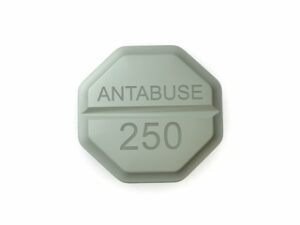
Campral (Acamprosate) – Patient Information (UK)
Campral contains the active ingredient acamprosate. It is used to help people maintain abstinence from alcohol after stopping alcohol use. This page explains how Campral works, how it is taken, what to expect, and important safety information for use in the United Kingdom.
If you have any concerns or you are unsure whether Campral is suitable for you, speak to a healthcare professional. Everyone’s situation is different, and treatment plans should be individualised.
Basic product information
| Feature | Details |
|---|---|
| Medicine | Campral |
| Active ingredient | Acamprosate |
| Use | Helps maintain alcohol abstinence |
| How it works | Helps rebalance brain pathways affected by alcohol dependence |
| Typical dosing pattern | Usually three times daily |
| Key consideration | Most important dosing adjustment is for kidney function |
What Campral is used for (indications)
Campral is indicated for the treatment of alcohol dependence in people who are already abstinent from alcohol. It is intended to support continued abstinence and reduce the risk of relapse.
Important: Campral is not designed as a “deterrent” for drinking (unlike some medicines that cause unpleasant effects if alcohol is consumed). Instead, it supports abstinence by acting on brain systems involved in alcohol-related withdrawal and relapse.
How Campral works (mechanism of action)
Long-term heavy alcohol use affects chemical messengers in the brain, especially those involved in balance between inhibitory and excitatory signalling. After stopping alcohol, the brain can remain out of balance, which may contribute to cravings, relapse risk, and symptoms of protracted withdrawal.
Acamprosate is thought to help restore this balance. It primarily:
- Modulates glutamatergic signalling (glutamate is an important excitatory messenger)
- Supports GABA-related inhibitory balance (GABA is an inhibitory messenger)
- Helps reduce the neurochemical “drive” toward relapse
Overall, Campral helps the brain recover by supporting stabilisation during the period after stopping alcohol.
Pharmacokinetics: how the body handles Campral
Pharmacokinetics describes what the body does to a medicine—absorption, distribution, metabolism, and elimination. This helps explain onset, duration, and why kidney function matters.
Absorption
- Acamprosate is absorbed after oral dosing.
- Food can affect the extent of absorption (see Food interactions below).
Distribution
- Acamprosate distributes into body tissues, including the central nervous system.
Metabolism
- Acamprosate is not extensively metabolised by the liver.
- This is one reason it generally has fewer liver-drug interaction concerns than medicines that are heavily metabolised by the liver.
Elimination
- Acamprosate is mainly eliminated via the kidneys.
- Therefore, kidney impairment can increase drug levels and require dose adjustment or avoidance, depending on severity.
Typical timing and when to start
Campral is intended to be used after alcohol has already been stopped. Many treatment programmes start acamprosate soon after abstinence is established, then continue it for an extended period while relapse risk is highest.
Typical course length: Treatment is often continued for several months, depending on your response and guidance from a healthcare professional.
How quickly it helps: Campral is not an “instant” relief for acute cravings in the way some people expect from short-term medications. It works by supporting longer-term brain stabilisation. You may notice the benefits more gradually over time.
Dosing (adult use)
Adult dosing is commonly 666 mg three times daily (often provided as two 333 mg tablets or equivalent dosing depending on product form). Doses are typically spaced throughout the day.
Because dosing can depend on kidney function: follow the dose instructions given for you by a healthcare professional. If you have reduced kidney function, you may need a lower dose or may be advised not to use Campral.
How to take it
- Take doses at regular intervals across the day.
- Try to keep a consistent routine.
- Do not skip doses without advice—regular dosing helps maintain steady levels.
Missed dose
If you miss a dose, take it when you remember unless it’s close to your next dose. Do not take a double dose to make up for a missed one. If you’re unsure, check with a healthcare professional or pharmacist.
Food interactions and taking with meals
Food can influence how much acamprosate is absorbed. To reduce variability and make dosing easier, many patients are advised to take Campral in a consistent way relative to meals.
- General guidance: take Campral consistently with or without food, following the instructions provided.
- If your usual routine includes meals, keeping dosing timed around meals can help you remember.
Practical tip: linking each dose to a daily routine (e.g., morning, midday, evening) often improves adherence.
Alcohol and medicine interactions
Campral is used for alcohol dependence in people aiming for abstinence. Using Campral while still drinking alcohol may reduce the treatment’s benefits because the medicine is designed to support abstinence, not counter effects of drinking.
Campral and alcohol
- Campral does not work like an alcohol “deterrent” medicine.
- Continuing to drink may worsen overall health, increase relapse risk, and complicate withdrawal and recovery.
Interactions with other medicines
Acamprosate has fewer metabolism-related interactions because it is not extensively broken down by the liver. However, interactions can still occur depending on the medicines you take and your health conditions—especially if kidney function is reduced.
- Kidney-related medicines: because acamprosate is eliminated by the kidneys, medicines that affect kidney function may require caution.
- Other treatments for alcohol dependence: combinations may be used in specialist care; follow your treatment plan.
- General medication checks: always tell your pharmacist or healthcare professional about all medicines and supplements you use.
If you have liver disease, kidney disease, or take multiple medicines, ask a healthcare professional to review suitability and monitoring.
Safety profile and side effects
Like all medicines, Campral can cause side effects. Many people experience mild effects, particularly during the early phase of treatment. If you experience severe symptoms, seek medical advice promptly.
Common side effects
- Diarrhoea
- Nausea
- Abdominal discomfort
- Headache
- Dizziness or feeling light-headed (in some people)
Less common but important effects
- Allergic reactions (e.g., rash, itching, swelling, breathing difficulties) are uncommon but can be serious.
When to get urgent help
Contact emergency services or seek urgent medical help if you have signs of a serious allergic reaction, such as:
- swelling of the face/lips/tongue
- trouble breathing
- severe rash or blistering
Special safety considerations
- Kidney impairment: because acamprosate is cleared by the kidneys, dose adjustments may be required. Use caution and follow prescribed guidance.
- Underlying conditions: discuss any ongoing digestive problems, kidney problems, or other medical conditions.
- Pregnancy and breastfeeding: suitability should be discussed with a healthcare professional.
Practical use tips (to improve success)
Campral works best as part of a broader plan for recovery. Medicines can support abstinence, but relapse prevention usually also includes psychological and practical support.
Adherence strategies
- Use reminders: phone alarms, pill organiser boxes, or pharmacy blister packs can help.
- Create a daily routine: link doses to consistent times (e.g., after waking, lunch, evening).
- Plan for travel: keep a spare supply and take doses according to local time.
Reduce early side effects
- If you develop diarrhoea, speak to a healthcare professional. Staying hydrated is important.
- Take Campral in the same way each day regarding meals, as advised.
Relapse prevention support
- Consider counselling or structured support services available in the UK.
- Identify triggers (certain people/places/times), and plan alternatives.
- Build replacement activities that support wellbeing.
Alternative options for alcohol dependence (UK)
Depending on your circumstances, healthcare professionals may consider other treatments alongside or instead of Campral. Options can include:
- Psychosocial support (e.g., counselling, relapse prevention programmes, support groups)
- Other medicines used in alcohol dependence (selection depends on your goals and health profile)
- Naltrexone (for reducing the rewarding effects of alcohol in some people)
- Disulfiram (aimed at deterring drinking by causing unpleasant effects if alcohol is consumed)
Choice of treatment depends on factors such as kidney function, liver health, current drinking status (abstinent vs. still drinking), and individual goals. Discuss options with a healthcare professional.
Market and legal context in the United Kingdom
In the UK, Campral is supplied under the national medicines framework and pharmacy regulations. Medicines containing acamprosate are managed through standard UK medicines governance and patient safety processes.
Key points for the UK context include:
- Quality and regulation: medicines supplied through legitimate channels must meet UK and EU-derived standards and distribution requirements.
- Patient safety: pharmacists and healthcare services may conduct checks relevant to suitability (e.g., kidney function, other medicines, allergies).
- Continuity of care: treatment for alcohol dependence is commonly supported by ongoing clinical follow-up.
Pharmacy practice: Legitimate online pharmacies will usually provide information, guidance, and may require a clinical review to ensure safe and appropriate use.
Recent guidance and clinical approach
UK guidance on alcohol dependence and relapse prevention generally emphasises a combination of:
- support to achieve and maintain abstinence (or reduce drinking where abstinence is not the initial goal)
- psychosocial interventions and structured follow-up
- careful selection of medication based on medical suitability and patient circumstances
While the details of individual guidelines can evolve, the general principle remains: use of anti-craving or abstinence-support medicines should be matched to the person’s clinical needs, and safety monitoring should include relevant organ function (particularly the kidneys for acamprosate).
If you would like, you can ask a healthcare professional about local alcohol services and how medication fits with behavioural support.
Delivery and availability (UK)
Campral availability can vary by formulation and local supply. When ordering from a UK online pharmacy:
- Check stock status on the product page.
- Delivery times depend on supplier dispatch and local courier options.
- Packaging should be secure and discreet.
What you can do before ordering:
- Have your usual dose instructions available.
- Check whether you need any dose adjustment due to kidney function (ask a healthcare professional if unsure).
- Confirm the strength and formulation you intend to receive.
Frequently asked questions (FAQ)
1) Is Campral the same as disulfiram or “deterrent” medicines?
No. Campral helps support abstinence by acting on brain signalling involved in relapse risk. Disulfiram is used differently and works by causing unpleasant reactions if alcohol is consumed. Campral is not intended as an alcohol deterrent.
2) When should I start taking Campral?
Campral is intended for people who have already stopped drinking and are maintaining abstinence. Many plans start after abstinence is established and continue for a period recommended by your clinician.
3) What if I drink alcohol while taking Campral?
Campral may not prevent relapse-related consequences. Continuing to drink can undermine the goals of treatment and complicate recovery. If you have any slip or concern, seek advice promptly—support is available.
4) Does Campral need to be taken with food?
Food can affect absorption. A practical approach is to take Campral consistently in the same way each day—either with meals or without—according to the instructions you are given.
5) Can I take Campral if I have kidney problems?
Because acamprosate is cleared by the kidneys, kidney impairment can require dose adjustment or may make it unsuitable in certain cases. This is an important check before starting and during treatment.
6) What side effects are most common?
The most commonly reported side effects include diarrhoea, nausea, abdominal discomfort, and headache. If side effects are persistent, severe, or you develop signs of allergy, contact a healthcare professional.
7) How long will it take to work?
Campral supports longer-term abstinence by helping stabilise brain pathways. Benefits are typically not immediate; they build over time as part of the overall recovery plan.
8) Can I stop Campral once I feel better?
Do not stop or change treatment without discussing it with a healthcare professional. Stopping too early can increase relapse risk. A clinician can advise on the best duration for your situation.
9) Are there interactions with other medicines?
Campral generally has fewer metabolism-related interactions, but interactions can still occur based on your health and other medicines, particularly those affecting kidney function. Tell your pharmacist about all medicines and supplements you take.
10) What should I do if I miss a dose?
Take the missed dose when you remember unless it is close to the next dose. Do not take a double dose. If you’re unsure, ask your pharmacist for advice.
Summary
Campral (acamprosate) is used to help people maintain abstinence from alcohol after stopping. It works by supporting the brain’s balance of signalling systems disrupted by long-term alcohol dependence. It is typically taken three times daily, and kidney function is a key factor for safe use.
- Designed for ongoing abstinence support
- Most effects develop as part of a longer-term recovery plan
- Consistency with dosing and meal timing can help
- Discuss suitability—especially if you have kidney disease
If you would like help understanding how Campral may fit your recovery plan, speak with a healthcare professional or pharmacist.