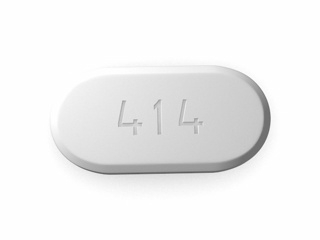
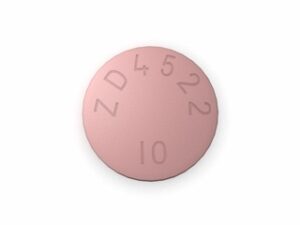
Ezetimibe (UK): Patient-Friendly Guide
Ezetimibe is a cholesterol-lowering medicine used to help reduce levels of “bad” cholesterol (LDL cholesterol) and, in some cases, other blood fats. It is commonly prescribed in the UK for people who need additional cholesterol control—either on its own or together with a statin.
This guide explains how ezetimibe works, how it’s taken, what to expect, and key safety and interaction information in a way that’s suitable for patients.
Quick product information
| Topic | Details |
|---|---|
| Medicinal name | Ezetimibe |
| How it works | Reduces cholesterol absorption in the small intestine |
| Common use | High LDL cholesterol (hypercholesterolaemia); often with diet changes and/or statins |
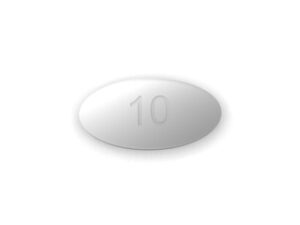
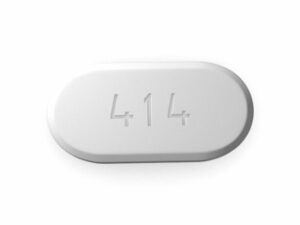
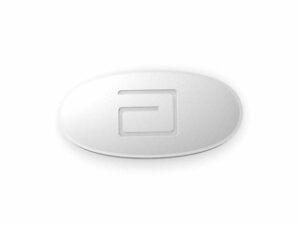
| Typical form | Tablets (strengths vary by brand) |
| How often | Usually once daily |
| Key considerations | Tell your healthcare professional about liver conditions, other medicines, and any side effects |
What is ezetimibe?
Ezetimibe is a medicine that lowers cholesterol by targeting cholesterol uptake from the gut. Unlike statins (which reduce cholesterol production in the liver), ezetimibe works at the level of the intestine. This makes it useful as either:
- Monotherapy (on its own) when statins are not suitable, or
- Combination therapy with a statin to achieve greater LDL cholesterol reduction.
In the UK, ezetimibe is widely used as part of cholesterol management alongside lifestyle measures such as diet, exercise, weight management, and not smoking.
How ezetimibe works (mechanism of action)
Cholesterol is absorbed in the small intestine. Ezetimibe blocks a specific transporter protein called NPC1L1 (Niemann-Pick C1-like 1), which is responsible for cholesterol absorption from the gut.
- Reduced absorption of dietary cholesterol from the intestine
- Reduced uptake of cholesterol from bile (bile cholesterol returning to the intestine)
- As less cholesterol enters the bloodstream, the liver responds by increasing clearance of LDL cholesterol from blood
This dual effect helps lower LDL cholesterol and can improve cholesterol profiles overall, especially when combined with other lipid-lowering treatments.
Pharmacokinetics: how the body handles ezetimibe
“Pharmacokinetics” describes how a medicine is absorbed, distributed, metabolised, and eliminated.
- Absorption: Ezetimibe is absorbed from the small intestine. After absorption, it is extensively converted in the liver to its main active metabolite (ezetimibe-glucuronide).
- Peak levels: Blood concentrations typically reach their peak within a few hours after a dose (for the active metabolite, peaks are often later than for the parent drug).
- Distribution: It is present in the body mainly as the parent drug and its glucuronide metabolite.
- Metabolism: The major metabolic pathway is glucuronidation (adding a sugar group) rather than extensive breakdown by the typical “CYP” enzyme system.
- Elimination: Excretion occurs mainly through the faeces after biliary secretion, with a smaller portion eliminated via the urine.
- Half-life: The effective elimination half-life is consistent with once-daily use.
In practical terms for most people, ezetimibe is taken daily and does not usually require frequent dose changes solely based on age, unless advised by a healthcare professional.
Typical use in the UK
Ezetimibe is used to treat:
- Primary hypercholesterolaemia (high LDL cholesterol)
- Mixed dyslipidaemia (elevated cholesterol and/or triglycerides)
- Homozygous familial hypercholesterolaemia (a rare inherited condition), usually as part of specialist care
It is often used with:
- Statins (to lower LDL cholesterol further)
- Other lipid-lowering therapies where appropriate (depending on your lipid profile and clinical history)
Your clinician will decide the best regimen based on your cholesterol levels and overall cardiovascular risk.
Indications and who may benefit
In the UK, ezetimibe may be considered for individuals who need LDL cholesterol reduction, including those with:
- Insufficient LDL lowering despite appropriate statin therapy and lifestyle measures
- Statin intolerance or where statins cannot be used (as determined clinically)
- Genetic lipid disorders requiring combination or specialist management
Because cholesterol is a long-term risk factor, treatment decisions typically consider:
- your LDL cholesterol level
- your overall cardiovascular risk (for example, diabetes, smoking history, blood pressure, family history)
- other medications and liver health
How and when to take ezetimibe
Timing: Ezetimibe is usually taken once daily, at any time of day. Many people find it easiest to take it at the same time each day to help remember.
With or without food: Ezetimibe can generally be taken with or without meals. Your medicine leaflet or prescription label will confirm the exact instructions for your product.
If you miss a dose: Take it when you remember, unless it’s close to the time of your next dose. Do not take a double dose to make up for a missed tablet.
Keep taking it: Cholesterol treatment works over time. Even if you feel well, continuing ezetimibe helps maintain lower LDL cholesterol.
Food interactions
Ezetimibe itself is not known for major interactions with specific foods for most people. However, there are some practical considerations:
- General meal timing: You do not usually need to avoid particular foods.
- Consistency: Maintaining a consistent diet pattern (as advised by your healthcare team) supports cholesterol management.
- Cholestyramine/other bile acid sequestrants: These agents can bind bile acids in the gut and may reduce the absorption of some medicines. Clinicians sometimes adjust spacing between doses if a bile acid sequestrant is used.
If you take other cholesterol medicines, it’s worth checking dose timing so that absorption is not unnecessarily reduced.
Alcohol and medicine interactions
Alcohol: Ezetimibe is not typically associated with a direct alcohol interaction in the way that some medicines are. However, alcohol can affect overall cardiovascular health and may influence liver function in some people.
Important liver considerations: If you also take a statin, alcohol intake may be relevant because statins and liver health are often discussed together. Excessive alcohol use can increase the risk of liver problems.
- If you drink alcohol, keep it within recommended limits for the UK population and your clinician’s advice.
- If you have a liver condition, ask your healthcare professional for personalised guidance.
- Seek medical help promptly if you notice symptoms such as unusual tiredness, yellowing of the skin/eyes (jaundice), dark urine, or persistent abdominal pain.
Other medicines: Always inform your healthcare professional about all medicines, including over-the-counter products and herbal supplements.
Alcohol and ezetimibe combined with statins
Many patients take ezetimibe with a statin. With combination therapy, it’s especially important to follow advice about:
- regular blood tests if they are recommended (for example, liver function tests when indicated)
- reporting muscle pain, weakness, or dark urine (rare but important)
- keeping alcohol intake moderate
Dosing: typical regimens
Dose depends on your diagnosis, the products available, and your overall treatment plan. For many people, the standard adult dose is:
- 10 mg once daily (typical ezetimibe tablet strength), often with diet and other therapies as needed.
Combination with a statin: Your clinician may prescribe ezetimibe alongside a statin to reach treatment goals. The statin dose is determined separately.
Homozygous familial hypercholesterolaemia: Specialist management is often required, and dosing may still be 10 mg daily, but the overall approach may involve other therapies.
Kidney impairment: Ezetimibe dosing usually does not require adjustment for mild to moderate kidney problems, but your clinician will decide based on your situation.
Children and adolescents: Use in younger patients depends on the condition and local clinical guidance. Your healthcare professional will confirm suitability and dose.
Always follow the instructions on your medicine label or from your healthcare professional.
Practical use tips for best results
- Build a routine: Take ezetimibe at the same time each day.
- Don’t stop when you feel better: Cholesterol targets are long-term.
- Pair with lifestyle changes: Even with medicine, diet and activity make a big difference.
- Keep follow-up appointments: Cholesterol levels are usually rechecked periodically to confirm response.
- Know your symptoms: Report unusual muscle pain, weakness, or signs of liver trouble promptly.
- Check your other medicines: If you start or stop any treatment (including supplements), ask whether a change could affect your cholesterol plan.
Safety profile: common and serious side effects
Most people tolerate ezetimibe well. Side effects are usually mild and temporary, but you should be aware of what to watch for.
Common side effects (may include)
- Headache
- Abdominal discomfort, stomach pain, or bloating
- Nausea
- Diarrhoea
- Fatigue
Not everyone experiences these effects. If side effects become bothersome or persistent, talk to a clinician.
Rare but important side effects
- Muscle problems (more relevant when combined with statins). Report promptly if you have unexplained muscle pain, tenderness, weakness, or dark urine.
- Liver enzyme elevations, particularly when combined with statins. Seek medical advice if you notice symptoms suggesting liver issues.
- Allergic reactions (rare): swelling of the face/lips, trouble breathing, or widespread rash require urgent medical attention.
Who needs extra caution?
- People with known liver disease
- People taking statins or other lipid-lowering medicines (because risks and monitoring may be linked)
- Those who have experienced medication-related muscle symptoms before
Monitoring: Your healthcare team may recommend blood tests (for example, liver function) before or during therapy, especially with combination treatment.
Medicine interactions: important considerations
Interactions can affect how well ezetimibe works or change side effect risk. Always provide a full list of your medicines and supplements to your healthcare professional.
Bile acid sequestrants
- Medicines that bind bile acids (for example, cholestyramine or colestipol) may reduce ezetimibe absorption.
- Clinicians may recommend separating doses by a few hours.
Certain lipid-lowering or anti-cholesterol treatments
- When used with other cholesterol medicines, your treatment plan should be monitored to ensure goals are reached and tolerability is good.
Statins
- Combination therapy is common and generally effective.
- However, since both medicines can relate to liver enzymes and, rarely, muscle symptoms, healthcare professionals may monitor you more closely.
Other commonly used medicines and supplements
Ezetimibe has fewer interactions than some other cholesterol medicines, but interactions can still occur. For example, some medicines may influence absorption or overall metabolism. This is why a medication review is valuable.
Indications and treatment goals
Cholesterol management aims to reduce the likelihood of cardiovascular events (such as heart attack and stroke). Ezetimibe contributes by lowering LDL cholesterol, which is a key marker for cardiovascular risk.
In the UK, treatment decisions are often aligned with clinical guidance and risk assessment. The choice to use ezetimibe may be influenced by:
- baseline cholesterol levels and degree of LDL reduction needed
- treatment tolerance (for example, if statin doses cannot be used)
- the presence of additional risk factors
- response to previous therapy
Alternative options (if ezetimibe isn’t suitable)
There are several alternative or additional treatments for high cholesterol. Your clinician may suggest one based on your specific lipid profile, tolerance, and cardiovascular risk.
Other medication options
- Statins (e.g., atorvastatin, rosuvastatin, simvastatin) – reduce cholesterol production.
- Bile acid sequestrants – bind bile acids in the gut.
- Fibrates – mainly help lower triglycerides.
- Omega-3 fatty acids (where appropriate) – may help triglycerides.
- PCSK9 inhibitors (specialist use) – for specific high-risk groups needing further LDL lowering.
- Other advanced therapies may be considered in specialist care depending on eligibility and guidance.
Lifestyle measures that complement any cholesterol medicine
- Reducing saturated fat and replacing it with unsaturated fats
- Increasing fibre (for example, oats, beans, lentils)
- Maintaining a healthy weight
- Regular physical activity
- Stopping smoking
Do not change or stop ezetimibe without medical advice, especially if you’re at higher cardiovascular risk.
UK market and legal context (how ezetimibe is used)
In the UK, cholesterol-lowering medicines form part of routine cardiovascular prevention and treatment. Ezetimibe is an established therapy, used by both primary care and specialist services.
- Regulation: Medicines in the UK are regulated and authorised for use, with patient information provided via official product leaflets.
- Clinical practice: Treatment is typically guided by national recommendations and local formularies, with emphasis on appropriate risk assessment and monitoring.
- Pharmacy dispensing: Availability and pack sizes may vary by supplier and brand.
Recent guidance (general theme): Over recent years, UK and European clinical practice has increasingly focused on achieving individualised LDL targets, using combination therapy when needed, and ensuring safe prescribing through attention to side effects and monitoring—particularly liver-related and muscle-related symptoms when medicines are combined.
For the most current guidance, always refer to your healthcare professional and official UK health sources.
Delivery and availability in the UK
Availability depends on stock levels and the specific product strength/brand. Many pharmacies in the UK can supply ezetimibe tablets for eligible customers through established distribution channels.
- Stock status: Delivery time may vary if the item needs to be sourced.
- Packaging: Tablets are supplied in original packaging with leaflets and labels as required.
- Cold chain: Ezetimibe does not generally require refrigeration.
Where you are: Delivery schedules may differ between regions within the UK. If you have a deadline for starting medication, contact customer support so the pharmacy can advise the best option.
How to store ezetimibe
- Store at room temperature, away from excessive heat and moisture.
- Keep the tablets in their original packaging until you use them.
- Keep out of sight and reach of children.
- Check the leaflet for expiry date and any special storage instructions.
FAQ about ezetimibe
1) What is ezetimibe used for?
Ezetimibe is used to lower LDL cholesterol and help improve lipid levels. It may be used alone or, commonly, in combination with a statin when further LDL reduction is needed.
2) How quickly will ezetimibe lower cholesterol?
Cholesterol-lowering effects can be seen within a few weeks. Your clinician may arrange follow-up blood tests after starting (or changing dose) to check how well treatment is working.
3) Can I take ezetimibe with food?
Yes. Ezetimibe can generally be taken with or without food. Choose a time that helps you remember daily.
4) Should I avoid alcohol while taking ezetimibe?
There isn’t usually a direct ezetimibe–alcohol interaction, but it’s wise to keep alcohol within UK recommended limits—especially if you take a statin or have any liver-related concerns.
5) Are there any common side effects?
Some people experience headache, abdominal discomfort, nausea, diarrhoea, or fatigue. If side effects are severe or persistent, seek medical advice.
6) What should I do if I miss a dose?
Take it when you remember unless it’s nearly time for your next dose. Do not take a double dose to catch up.
7) Can ezetimibe be taken with a statin?
Yes. Combination therapy is commonly used and can be effective. Your healthcare professional may recommend monitoring for liver-related effects and to report any muscle symptoms promptly.
8) What are the warning signs I should watch for?
Get medical advice urgently if you develop symptoms suggesting an allergic reaction (such as swelling or trouble breathing), significant unexplained muscle pain/weakness (particularly with statins), or possible liver problems (such as yellow skin/eyes or dark urine).
9) Does ezetimibe interact with other cholesterol medicines?
Some medicines used for cholesterol (such as bile acid sequestrants) may affect absorption. Your clinician or pharmacist may recommend separating doses if needed.
10) What if ezetimibe doesn’t lower my cholesterol enough?
Your healthcare team may review adherence, diet and lifestyle measures, and whether additional or alternative lipid-lowering therapies are appropriate based on your risk profile.
Summary
Ezetimibe is a cholesterol-lowering medicine that helps reduce LDL cholesterol by blocking cholesterol absorption in the intestine. It’s often used on its own or, more commonly, with a statin to help reach cholesterol targets that reduce cardiovascular risk. Most people tolerate it well, but it’s important to be alert to possible side effects—especially muscle or liver-related symptoms when used in combination—and to keep follow-up appointments for monitoring.
If you have questions about whether ezetimibe is suitable for you, or about interactions with your current medicines, speak to a qualified healthcare professional or pharmacist.