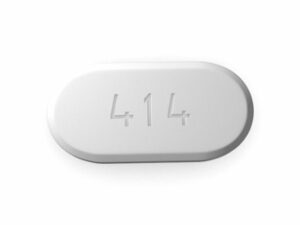
Crestor (Rosuvastatin) — Patient Information (UK)
Crestor contains rosuvastatin, a medicine used to lower cholesterol and reduce the risk of cardiovascular events such as heart attack and stroke. This page explains how Crestor works, how it’s taken, important safety considerations, and practical tips for getting the most benefit while minimising risks.
Note: Always follow the advice of a healthcare professional. Individual dose, monitoring, and suitability vary depending on your health history and risk factors.
Quick Facts
- Active ingredient: Rosuvastatin
- Medicine type: Statin (cholesterol-lowering)
- Common purposes: Lower LDL (“bad”) cholesterol; reduce cardiovascular risk
- How it’s taken: Usually once daily
- Monitoring: Cholesterol levels; may include blood tests for liver and muscle safety
- Key safety points: Rare muscle problems; liver enzyme changes; pregnancy contraindication
Basic Product Information
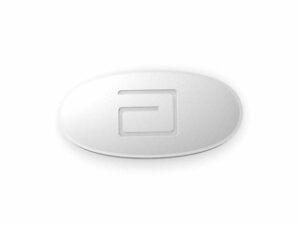
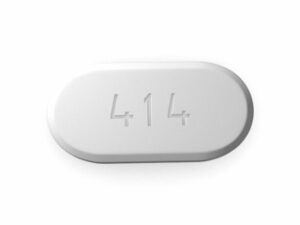
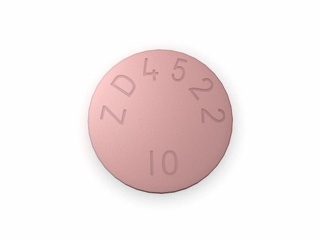
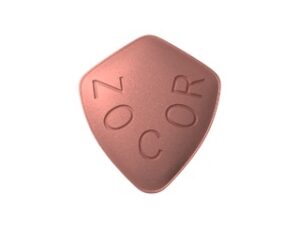
Crestor is available in several tablet strengths (commonly 5 mg, 10 mg, 20 mg, and 40 mg). The exact strength you use depends on your treatment goal, cholesterol level, and overall cardiovascular risk.
Rosuvastatin works best as part of an overall plan that may also include:
- Heart-healthy diet
- Regular physical activity
- Weight management if appropriate
- Stopping smoking (if relevant)
- Managing blood pressure, diabetes, and other risk factors
What Crestor Does (Indications and Typical Use)
Statins like rosuvastatin are used to:
- Lower LDL cholesterol and other atherogenic lipids
- Reduce triglycerides (in some people)
- Help raise HDL cholesterol modestly
- Reduce risk of heart attack and stroke in people with elevated cardiovascular risk
Depending on your situation, Crestor may be used for:
- Primary prevention in people at increased risk of cardiovascular disease (e.g., due to high cholesterol and other risk factors)
- Secondary prevention in people who already have cardiovascular disease (to reduce the chance of further events)
- Hypercholesterolaemia (high cholesterol) including mixed dyslipidaemia
- Familial hypercholesterolaemia (sometimes at specialist-recommended doses and schedules)
In many patients, lifestyle changes alone are not enough; rosuvastatin provides additional LDL reduction and proven cardiovascular benefit.
How Crestor Works (Mechanism of Action)
Rosuvastatin belongs to the statin class of medicines. It reduces cholesterol production in the liver and increases the liver’s ability to remove LDL cholesterol from the blood.
- Inhibition of HMG-CoA reductase: Rosuvastatin blocks an enzyme (HMG-CoA reductase) involved in cholesterol synthesis.
- Upregulation of LDL receptors: With less cholesterol being made, liver cells pull more LDL cholesterol out of the bloodstream.
- Lower lipid levels: The result is a reduction in LDL cholesterol (often the main target), and also changes in other lipid fractions.
This combination helps slow the progression of atherosclerosis (plaque buildup) and reduces cardiovascular risk over time.
Pharmacokinetics (How the Body Handles Rosuvastatin)
Understanding pharmacokinetics can help you appreciate why timing and interactions matter.
- Absorption: Rosuvastatin is absorbed after taking a tablet. Blood levels rise to a peak within a few hours (typical peak occurs around 3–5 hours after dosing, though individual variation can occur).
- Protein binding: Rosuvastatin is highly bound to blood proteins.
- Distribution: It mainly acts in the liver, where it affects cholesterol metabolism and LDL receptor activity.
- Metabolism: Rosuvastatin is not extensively metabolised by the liver enzyme CYP system compared with some other statins, but it is still subject to transport proteins and hepatic handling.
- Elimination: It is cleared from the body via liver/bile pathways and to a lesser extent through the kidneys.
- Half-life: The effective duration is long enough to support once-daily dosing in most cases.
Clinical relevance: Interactions that affect transport or liver handling can increase rosuvastatin levels, potentially raising the risk of side effects (especially muscle-related effects).
When and How to Take Crestor (Timing and Dosing)
Typical dosing approach
Dosing is individualised. Healthcare professionals choose a starting dose based on your cholesterol level, cardiovascular risk, response to therapy, kidney and liver function, and potential drug interactions.
- Common schedule: Once daily
- Time of day: You can usually take it at any time of day, but try to take it consistently at the same time.
- Titration: Dose may be increased gradually to reach cholesterol targets.
Typical adult dose ranges
The most commonly used strengths include 5 mg, 10 mg, 20 mg and 40 mg. Some patients may start lower, particularly if there is increased risk of side effects, advanced age, kidney impairment, or drug interaction concerns.
Important: The 40 mg strength has special considerations and may be limited to specific patients under careful monitoring due to higher risk of adverse effects at this dose.
How to take the tablet
- Swallow with water.
- You can take it with or without food in most circumstances.
- If you miss a dose, take it when you remember unless it is close to the next scheduled dose. Do not take a double dose.
Food Interactions (Including Grapefruit and Dietary Factors)
For most people, food does not significantly affect the overall effectiveness of rosuvastatin.
- Grapefruit / citrus juices: Unlike some other statins, grapefruit is not typically the key concern with rosuvastatin. However, it’s still wise to avoid excessive intake of grapefruit products and follow your clinician’s advice.
- General diet: Continue a heart-healthy diet. Statins work best alongside dietary changes.
Practical tip: If you find taking medication easier with breakfast or dinner, pick the routine you will maintain consistently.
Alcohol and Medicine Interactions
Alcohol
Alcohol does not directly “cancel out” rosuvastatin, but it can affect the liver and may increase the chance of liver-related side effects in some people.
- If you drink alcohol regularly or heavily, discuss this with a healthcare professional.
- Avoid binge drinking, particularly around times when you may be starting or increasing a statin dose.
- If you have known liver disease, you may need extra caution or different treatment.
Medicine interactions (important)
Some medicines can increase rosuvastatin blood levels by affecting transporters or liver clearance. This can raise the risk of side effects, including muscle problems. Tell your healthcare professional about:
- Other cholesterol medicines (especially fibrates such as fenofibrate or gemfibrozil)
- Immunosuppressants (e.g., ciclosporin)
- Antivirals (e.g., some HIV medicines)
- Antifungals (some azole antifungals)
- Antibiotics (some medicines may interact; examples depend on class and regimen)
- Antacids containing aluminium and magnesium (may affect absorption if taken at the same time—spacing may be advised)
- Warfarin and other anticoagulants (statins can affect INR in some situations)
Key interaction principle: Always check interactions before starting, stopping, or switching medicines—including over-the-counter products and supplements.
Safety Profile (What to Watch For)
Most people tolerate rosuvastatin well. However, like all medicines, it can cause side effects. The main safety issues to understand are muscle symptoms and liver-related effects.
Common side effects
Many side effects are mild or temporary. Commonly reported effects may include:
- Headache
- Nausea or stomach discomfort
- Constipation or diarrhoea
- Muscle aches (mild)
Serious but uncommon risks
-
Muscle-related problems (myopathy/rhabdomyolysis):
- Watch for unexplained muscle pain, tenderness, weakness, or dark/brown urine.
- Seek urgent medical advice if severe symptoms occur.
-
Liver enzyme changes:
- Statins can cause increases in liver enzymes on blood tests.
- Contact a healthcare professional if you develop symptoms such as unusual fatigue, yellowing of the skin/eyes (jaundice), or persistent upper abdominal pain.
-
Allergic reactions (rare):
- Seek urgent care for rash, swelling, breathing difficulties, or other signs of allergy.
Who should use extra caution?
- People with kidney problems
- Those with liver disease or persistent abnormal liver tests
- Older adults or those with frailty
- People taking multiple interacting medicines
- People with a history of statin intolerance or muscle problems
Pregnancy and breastfeeding
Statins are generally not recommended during pregnancy. If pregnancy is possible, discuss contraceptive planning and risks before using rosuvastatin. Breastfeeding may also require caution and professional guidance.
If you become pregnant or are trying to conceive, contact a healthcare professional promptly.
Practical Use Tips (Getting the Best Results)
- Keep taking it: Cholesterol lowering and cardiovascular risk reduction depend on regular use.
- Don’t stop suddenly: If you experience side effects, seek advice rather than stopping on your own—dose adjustment or a different statin may be possible.
-
Know the “muscle symptom” checklist:
- New muscle pain or cramps that don’t feel like normal activity discomfort
- Weakness that makes daily tasks harder
- Dark urine
- Blood tests: Many patients have lipid monitoring to confirm response and may have periodic checks of liver function and other tests based on risk.
- Consistency matters: Try to take Crestor at the same time each day and avoid skipping doses.
Pharmacy and Monitoring Considerations
When starting or changing statin dose, clinicians may consider baseline measurements such as:
- Lipid profile (cholesterol levels)
- Liver enzymes (if clinically indicated)
- Kidney function
- Review of drug interactions and personal risk factors
If you’re taking other lipid-lowering medicines (e.g., ezetimibe or fibrates), the plan should be clear on which effect is expected and how safety will be monitored.
Alternative Options (If Crestor Is Not Suitable)
If rosuvastatin isn’t suitable (for example due to intolerance, interactions, or insufficient response), options may include:
- Another statin: Switching to a different statin (e.g., atorvastatin or simvastatin) at an appropriate dose may improve tolerance for some people.
- Ezetimibe: Often used in combination with a statin to further reduce LDL cholesterol.
- Bile acid sequestrants: Can lower LDL cholesterol but may have gastrointestinal side effects and require careful timing with other medicines.
- PCSK9 inhibitors: Injectable medicines for selected patients with high cardiovascular risk or familial hypercholesterolaemia.
- Bempedoic acid (where appropriate): A non-statin LDL-lowering option used in certain cases.
- Fibrates or omega-3 (for triglycerides): May be considered for high triglycerides depending on the clinical context.
Choice of alternative depends on your lipid pattern, overall risk, current medications, and what benefit is targeted.
Dosing Summary Table
| Patient group / goal | Typical starting approach | How it’s adjusted | Key caution points |
|---|---|---|---|
| High LDL cholesterol / cardiovascular risk | Once daily at a dose chosen by your clinician | Dose may be increased if LDL goals are not met | Review kidney/liver function and drug interactions; monitor for symptoms |
| People at higher risk of side effects | Often a lower starting dose | Slower titration may be used | Extra attention to muscle symptom reporting; avoid interacting medicines where possible |
| Combination therapy (e.g., with ezetimibe) | Rosuvastatin dose may be adjusted to fit combination plan | Based on lipid response and tolerability | Ensure the overall plan and monitoring schedule are understood |
Reminder: This is general information. Your personal dose must come from a clinician’s plan based on your circumstances.
Recent Guidance and UK Context (Market/Legal Considerations)
In the United Kingdom, statins including rosuvastatin are widely used for cholesterol management and cardiovascular risk reduction. Treatment decisions are typically guided by evidence-based approaches and national recommendations, which may be updated periodically.
In general, UK practice focuses on:
- Risk assessment: estimating cardiovascular risk to determine who benefits most
- Lipid targets and intensity: selecting a statin and dose that align with risk and response
- Safety monitoring: checking for potential adverse effects and interactions
- Shared decision-making: discussing benefits and side effects with the patient
Regulatory and market notes (UK): Crestor is an established brand product. Rosuvastatin is also available as generic medicines in many markets. Availability can vary by strength, supply chain, and pharmacy stock.
If you need help deciding between brand and generic, ask your pharmacist—different excipients in some tablets can rarely affect tolerance, but the active ingredient is the same.
Delivery and Availability (UK Online Pharmacy Considerations)
Availability may depend on tablet strength and current stock levels. When ordering online, you may see:
- Estimated delivery times at checkout
- Packaging details and tamper-evident seals where provided
- Storage instructions printed on the packaging
Practical advice for home storage:
- Store tablets according to the instructions on the outer carton.
- Keep out of sight and reach of children.
- Store in a dry place at the recommended temperature.
FAQ: Crestor (Rosuvastatin)
1) What is Crestor used for?
Crestor is used to lower cholesterol—particularly LDL (“bad” cholesterol)—and to reduce the risk of heart attack and stroke in people with increased cardiovascular risk, as well as for certain cholesterol disorders.
2) How quickly will it start working?
Cholesterol levels typically begin to improve within days, with more noticeable changes over a few weeks. Your clinician may check lipid levels after starting or changing dose to assess response.
3) Should I take it in the morning or at night?
Most people can take rosuvastatin once daily at any time of day. Choose a time you can stick to every day. Consistency is more important than morning vs evening.
4) Can I take Crestor with food?
Yes. Rosuvastatin can generally be taken with or without food.
5) What should I do if I miss a dose?
Take it when you remember unless it’s close to the time for your next dose. Do not take a double dose.
6) Are there any drinks or foods I should avoid?
There are no major dietary restrictions for most people. Extremely high intakes of grapefruit products are usually not necessary to avoid with rosuvastatin, but follow your healthcare professional’s advice. Maintain a heart-healthy diet and avoid excess alcohol.
7) How much alcohol is safe?
If you drink alcohol, keep it moderate and discuss your situation with a clinician—especially if you have liver conditions or heavy alcohol use. Avoid binge drinking.
8) What medicines interact with Crestor?
Several medicines can interact, mainly those that affect transport or liver clearance. Examples include some fibrates, immunosuppressants (e.g., ciclosporin), certain antivirals/antifungals/antibiotics, and anticoagulants such as warfarin. Always check before starting new medicines or supplements.
9) What muscle symptoms should worry me?
Seek urgent medical advice if you develop severe or persistent muscle pain, weakness, or dark urine—especially if accompanied by fever or feeling very unwell.
10) Is Crestor safe for everyone?
Not everyone can use statins safely. Extra caution may be needed for people with kidney or liver problems, those at higher risk of side effects, and during pregnancy. A healthcare professional can assess suitability.
11) Can I stop taking Crestor once my cholesterol improves?
Cholesterol improvement usually depends on ongoing treatment. Stopping can allow cholesterol levels to rise again. Decisions to stop should be made with medical guidance.
12) Are there alternatives if I can’t tolerate it?
Yes. Options may include switching to a different statin, lowering the dose, or adding other lipid-lowering medicines (such as ezetimibe). In selected cases, other advanced therapies may be considered.
When to Seek Medical Help
Contact a healthcare professional promptly if you experience:
- Unexplained muscle pain, tenderness, or weakness
- Dark urine or symptoms suggesting severe muscle injury
- Yellowing of the skin/eyes or severe persistent abdominal pain
- Signs of allergy (swelling of the face/lips, rash, breathing difficulties)
- Any unexpected side effects that concern you
Summary: Crestor (rosuvastatin) is a widely used statin that lowers LDL cholesterol and helps reduce cardiovascular risk. Taking it consistently, understanding potential interactions, and promptly reporting muscle or liver-related symptoms are key to safe and effective use.