Atorvastatin (for UK patients): Uses, Benefits, and Important Safety Information
Atorvastatin is a widely used medicine that helps lower cholesterol levels in the blood. It belongs to a group of medicines called statins. In addition to improving blood lipid levels, atorvastatin can help reduce the risk of heart attack and stroke in people at higher cardiovascular risk.
This guide is written for patients in the United Kingdom and explains how atorvastatin works, how it’s taken, what interactions to watch for, and practical tips to help you get the most from your treatment.
Basic Product Information
- Active ingredient: Atorvastatin
- Class: Statin (HMG‑CoA reductase inhibitor)
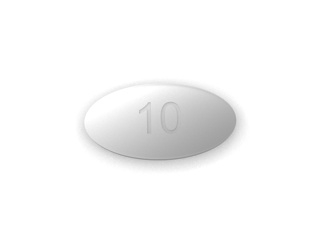
- Common strengths (may vary): 10 mg, 20 mg, 40 mg, 80 mg tablets
- How it’s taken: Usually once daily by mouth
- Who it’s for: People who need cholesterol lowering and/or cardiovascular risk reduction
- Brand examples: Atorvastatin may be available as generic medicine and under various brand names
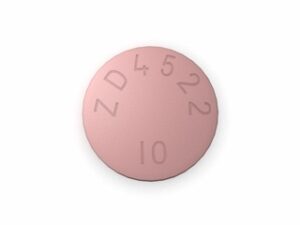
Please note: exact availability and formulations can vary between manufacturers and suppliers. Always check the packaging for your specific strength and tablet form.
How Atorvastatin Works (Mechanism of Action)
Atorvastatin lowers cholesterol mainly by reducing the liver’s production of cholesterol. It works by blocking an enzyme called HMG‑CoA reductase—an important step in cholesterol synthesis.
By lowering cholesterol production, the liver increases the number of LDL (“bad”) cholesterol receptors on its surface. This helps remove LDL cholesterol from the blood.
Atorvastatin may also:
- Lower triglycerides
- Increase HDL (“good”) cholesterol to a modest degree
Pharmacokinetics (What the Body Does to the Medicine)
Pharmacokinetics describes how the body absorbs, distributes, metabolises, and eliminates a medicine. Understanding these points can help explain timing and interactions.
- Absorption: Atorvastatin is absorbed after oral dosing. The level in the blood can vary between individuals.
- Protein binding: It is significantly bound to plasma proteins.
- Metabolism: Mainly processed in the liver by enzymes including CYP3A4.
- Active metabolites: Some metabolites contribute to the medicine’s cholesterol-lowering effect.
- Elimination: Excreted mainly via bile into the faeces. A smaller portion is eliminated via urine.
Practical implication: Because metabolism involves liver pathways (notably CYP3A4), medicines that inhibit or induce these pathways can affect atorvastatin levels and muscle risk.
Typical Use in the UK
In the UK, statins—including atorvastatin—are commonly used to:
- Lower LDL cholesterol and reduce triglycerides
- Reduce the risk of major cardiovascular events (such as heart attack and stroke) in eligible patients
- Treat certain lipid disorders where lifestyle measures alone are insufficient
Atorvastatin is used alongside healthy lifestyle measures such as a balanced diet, weight management, regular physical activity, and not smoking.
Indications (When Atorvastatin Is Used)
Atorvastatin is used for cholesterol management in a range of situations, including:
- Primary hypercholesterolaemia (including familial forms) or mixed dyslipidaemia
- To reduce cardiovascular risk in people at increased risk
- Hypertriglyceridaemia (as part of lipid management, depending on the clinical scenario)
The exact reasons for starting atorvastatin depend on your lipid results, medical history, age, and overall cardiovascular risk profile.
Dosing and How to Take It
Dosing depends on your cholesterol levels, cardiovascular risk, and how you respond to treatment. Typical dosing regimens use once-daily dosing.
Typical starting and maintenance approach
- Common starting doses: often 10 mg or 20 mg once daily
- Adjustment: Your prescriber may increase or decrease the dose based on blood test results and tolerability
- Higher doses: 40 mg or 80 mg may be used in appropriate circumstances
Important: Always follow the instructions on your medicine label and the advice provided by a healthcare professional. Do not change the dose without guidance.
Timing: Morning or evening?
Many statins are traditionally taken in the evening, but atorvastatin is not strictly dependent on the time of day. It’s generally taken once daily at the same time each day, which improves adherence.
- If you’re used to taking it in the evening, you can usually continue.
- If your routine suits morning dosing, that can also work—consistency is key.
If you miss a dose
- Take it as soon as you remember on the same day.
- If you only remember the next day, skip the missed dose and continue with your usual schedule.
- Do not take a double dose to make up for a missed tablet.
Food Interactions and What to Avoid
Atorvastatin can be taken with or without food. Food does not typically prevent it from working.
However, grapefruit and grapefruit juice are important:
- Grapefruit can increase atorvastatin levels in the body because of effects on drug metabolism.
- This may increase the chance of side effects, including muscle-related problems.
Recommendation: Avoid grapefruit products unless your healthcare professional has advised otherwise.
Alcohol and Medicine Interactions
Alcohol
Alcohol can affect the liver. Because statins are metabolised in the liver, heavy or regular alcohol intake may increase the likelihood of liver-related side effects.
- If you drink alcohol, do so in moderation.
- If you have liver disease or have been told you have raised liver enzymes, discuss alcohol intake with a clinician.
- Seek advice if you develop symptoms that may indicate liver problems (e.g., unusual tiredness, dark urine, yellowing of the skin/eyes).
Medicine interactions (particularly important)
The risk of certain side effects—especially muscle injury—can increase when atorvastatin is combined with medicines that increase statin blood levels. Atorvastatin is metabolised mainly by CYP3A4.
Examples of medicines to be cautious with (not exhaustive):
- Some antibiotics/antifungals (for example, certain macrolides or azole antifungals) may raise atorvastatin levels.
- HIV medicines may interact through liver enzyme effects.
- Some heart medicines can interact depending on the specific drug.
- Other lipid-lowering therapies (e.g., certain fibrates or high-dose niacin) may increase muscle risk when combined.
- Cyclosporine and some other immunosuppressants can increase exposure to atorvastatin.
- Grapefruit-containing products should be avoided.
Always tell a healthcare professional (or pharmacist) about all medicines you take, including over-the-counter products, herbal supplements, and recreational substances. Many interactions depend on dose and individual factors.
Safety Profile: What to Know Before and While Taking Atorvastatin
Like all medicines, atorvastatin can cause side effects. Many people have no significant problems, but it’s important to know what to look for.
Common side effects
- Mild digestive symptoms (e.g., nausea, constipation, or abdominal discomfort)
- Headache
- Muscle aches or mild muscle tenderness (may occur, especially soon after starting or changing dose)
Serious side effects (seek urgent advice if these occur)
- Muscle injury: severe muscle pain, weakness, or cramps, especially with fever or feeling unwell
- Rhabdomyolysis (rare but serious): muscle breakdown can lead to kidney problems
- Liver problems: yellowing of the skin or eyes, dark urine, severe fatigue, or persistent abdominal pain
- Allergic reactions: swelling of face/lips, rash, or breathing difficulties
If you experience severe muscle symptoms, stop and seek medical advice promptly (do not “wait it out” if symptoms are intense).
Who may be at higher risk of side effects?
- Older age
- Low body weight or frailty
- Kidney problems
- Uncontrolled hypothyroidism
- High statin doses
- Use of interacting medicines (especially certain inhibitors of statin metabolism)
Practical Use Tips (Getting the Best Results Safely)
1) Keep consistent with daily dosing
Statins work best when taken regularly. Choose a time you can remember and stick with it.
2) Understand muscle symptoms
- Some mild muscle discomfort can happen. Track symptoms and report persistent or worsening pain.
- Contact medical advice if pain is severe, weakness develops, or you feel generally unwell.
- A “new” pattern of symptoms after dose increases or interacting medicines should be taken seriously.
3) Attend monitoring and follow-up blood tests
You may have blood tests to check cholesterol response and, in some situations, liver function or other parameters. Monitoring frequency depends on your risk profile and local practice.
4) Combine with lifestyle changes
- Eat a heart-healthy diet (e.g., more fibre, less saturated fat)
- Reduce alcohol if it affects your overall health or liver risk
- Stay active (aim for regular aerobic activity if appropriate)
5) Be cautious with supplements
Herbal products can interact with medicines. If you take supplements (including “cholesterol support” products), discuss them with a pharmacist.
Recent Guidance in the UK (High-level overview)
In the UK, statin use is supported by cardiovascular prevention guidance issued by major bodies, with emphasis on assessing overall cardiovascular risk, using shared decision-making, and monitoring safety.
- Statins are recommended as part of prevention strategies for people at increased risk of cardiovascular disease.
- Dosing is typically guided by lipid levels, risk, and treatment goals.
- Ongoing review helps ensure appropriate intensity and tolerability.
Guidance evolves; your local clinician can advise based on current practice and your personal situation.
Delivery and Availability in the United Kingdom
Atorvastatin is commonly available in the UK through pharmacies and online pharmacy services. Availability can vary by tablet strength and manufacturer.
- Typical availability: Often available as a generic medicine
- Delivery: Online pharmacy services may offer standard or express delivery options (depending on location and stock)
- Packaging: Usually supplied in manufacturer packaging with patient information leaflet
Delivery times depend on supplier dispatch schedules, stock levels, and your postcode area. If you have a time-sensitive need, check delivery options and estimated dispatch times on the website before ordering.
Alternative Options (Other Treatments for Cholesterol and Risk Reduction)
Depending on your cholesterol levels, side-effect history, and overall risk, alternatives may include:
- Other statins (e.g., simvastatin, rosuvastatin, pravastatin) if atorvastatin isn’t suitable
- Ezetimibe (often used alone or in combination)
- Bile acid sequestrants (less commonly used due to tolerability and interactions)
- PCSK9 inhibitors (for specific high-risk groups under specialist care)
- Specialist treatments for rare lipid disorders
Your healthcare professional may choose an alternative if you experience intolerable side effects, insufficient response, or specific interaction concerns.
Market and Legal Context in the UK
Medicines like atorvastatin are regulated in the UK and are available through authorised supply channels. In the UK, statins are widely used for cardiovascular risk reduction, and their use typically involves assessment of risk, monitoring, and advice to ensure safe long-term use.
When ordering online, reputable services should provide clear information about:
- Product strength and form
- Delivery times and shipping terms
- Return policies and how to report issues
- Correct patient-facing information leaflets
Always purchase from a trusted pharmacy or online pharmacy service that is authorised to supply medicines in the UK.
Atorvastatin: Interactions Summary Table
| Interaction Type | What Can Happen | What You Should Do |
|---|---|---|
| Grapefruit / grapefruit juice | May increase atorvastatin levels | Avoid grapefruit products unless your clinician advises otherwise |
| Strong CYP3A4 inhibitors (some antibiotics, antifungals, antivirals) | May raise atorvastatin levels and muscle risk | Inform your clinician/pharmacist; your dose may need adjustment or monitoring |
| Fibrates / niacin (lipid-lowering combinations) | May increase risk of muscle-related side effects | Use only under clinical guidance; report muscle symptoms promptly |
| Cyclosporine and some immunosuppressants | May increase atorvastatin exposure | Discuss with a clinician; closer monitoring may be needed |
| Alcohol (particularly heavy use) | May increase liver-related risk | Keep alcohol moderate and seek advice if you have liver issues |
FAQ: Atorvastatin (UK)
1) Is atorvastatin safe to take long-term?
For many people, atorvastatin is used long-term to reduce cardiovascular risk. Safety depends on your health, other medicines, and how you respond. Regular review and promptly reporting symptoms help keep treatment safe.
2) Do I need cholesterol blood tests while taking atorvastatin?
Blood tests are often used to check how well your cholesterol levels are responding and to guide dose adjustments. Monitoring frequency varies by individual risk and local clinical practice.
3) What should I do if I get muscle pain?
Mild aches may occur, but severe pain, weakness, or muscle symptoms that are worsening—especially if you feel unwell or develop fever—should be assessed promptly. Contact medical advice as soon as possible.
4) Can I take atorvastatin with food?
Yes. Atorvastatin can usually be taken with or without food. If it upsets your stomach, taking it with a meal may help.
5) Does atorvastatin affect the liver?
Statins can affect liver enzymes in some people. Many people have no issues, but persistent or severe symptoms suggesting liver problems should be reported. Your clinician may monitor liver-related blood tests as needed.
6) Can I drink alcohol while on atorvastatin?
Moderate alcohol intake is generally acceptable for many people, but heavy drinking may increase liver risk. If you have liver disease or raised liver enzymes, ask a clinician for personalised advice.
7) Are there medicines I should not combine with atorvastatin?
Certain medicines can increase atorvastatin levels and raise the risk of side effects. Tell your pharmacist about all your medicines, including over-the-counter products and supplements, so interactions can be checked.
8) What if I forget to take a dose?
Take it when you remember on the same day. If you remember the next day, skip the missed dose and continue as normal. Do not take an extra dose to catch up.
9) Will atorvastatin work if I improve my diet?
Lifestyle changes can improve cholesterol too. Atorvastatin and lifestyle work together. If your lifestyle improves significantly, your clinician may review your overall plan and target levels.
10) What are signs that I should seek urgent help?
Seek urgent medical advice if you have severe muscle pain or weakness, dark urine, yellowing of the skin/eyes, severe allergic reactions (such as swelling or breathing difficulties), or you feel seriously unwell.
Important Reminder
This information is designed to help you understand atorvastatin. It does not replace personalised medical advice. If you have questions about your specific situation—such as dosing decisions, cholesterol targets, or interactions—speak to a qualified healthcare professional or pharmacist.