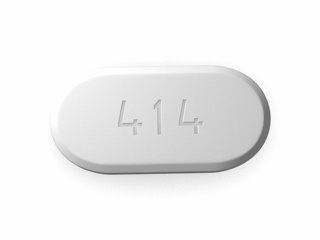
Zetia (Ezetimibe) – Patient-Friendly Guide (UK)
This page explains Zetia (ezetimibe) in clear, practical terms for people in the United Kingdom. It covers what the medicine does, how it works in the body, typical uses, dosing, timing, food and alcohol considerations, safety information, and common questions. Always follow the instructions given by your healthcare professional and read the patient information leaflet supplied with your medicine.
1. Basic product information
| Item | Details |
|---|---|
| Medicine name | Zetia |
| Active ingredient | Ezetimibe |
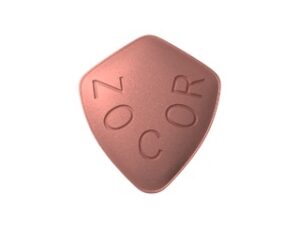
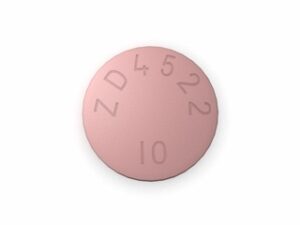
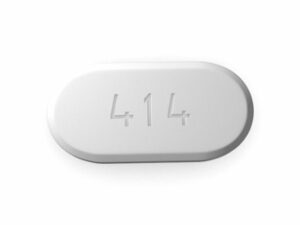
| Common strength | 10 mg tablets |
| Medicine type | Cholesterol absorption inhibitor |
| How it’s taken | By mouth, as tablets |
| Typical storage | Store at room temperature, away from moisture and heat (follow the leaflet) |
2. What Zetia is used for
Zetia helps lower certain types of cholesterol in the blood. It is most commonly used to reduce LDL cholesterol (often called “bad cholesterol”). High LDL cholesterol is linked with an increased risk of cardiovascular disease, including heart attack and stroke.
Zetia is used in several situations, such as:
- As part of cholesterol-lowering therapy, often alongside a statin (another common cholesterol medicine).
- When statins aren’t suitable or are not tolerated, to help manage LDL cholesterol.
- In familial or inherited high cholesterol conditions (for example, some patients with genetic forms that lead to very high LDL levels), depending on clinical assessment.
Your exact plan may vary depending on your cholesterol results, other medicines, and your overall cardiovascular risk.
3. Indications (when it may be recommended)
In the UK, ezetimibe is indicated to treat high blood cholesterol. In clinical practice, the medicine is used for:
- Primary hypercholesterolaemia (high cholesterol without an underlying cause), either alone or with a statin.
- Mixed hyperlipidaemia (high cholesterol along with other lipid abnormalities), often as combination therapy.
- Homozygous familial sitosterolaemia (a rare inherited condition) in specialist care, where doctors aim to reduce plant sterols and cholesterol-related risks.
Your healthcare professional will determine whether Zetia is appropriate for you based on your diagnosis, cholesterol levels, and current treatments.
4. Mechanism of action (how Zetia works)
Zetia works differently from statins. It is a cholesterol absorption inhibitor.
- It blocks a key transporter in the intestine called NPC1L1 (Niemann–Pick C1-like 1).
- By inhibiting this transporter, ezetimibe reduces the amount of cholesterol absorbed from the gut.
- With less cholesterol entering the bloodstream from the intestines, the liver can more effectively remove cholesterol already circulating, which helps reduce LDL cholesterol levels.
Zetia tends to have modest LDL-lowering effects when used alone, and it can provide a stronger LDL reduction when combined with a statin.
5. Pharmacokinetics (what the body does to Zetia)
“Pharmacokinetics” describes how a medicine is absorbed, distributed, metabolised, and eliminated.
- Absorption: After taking a dose by mouth, ezetimibe is absorbed and converted mainly to its active metabolite, ezetimibe-glucuronide.
- Metabolism: Ezetimibe is metabolised in the liver and intestines, primarily through glucuronidation.
- Elimination: The medicine and its metabolites are excreted largely via the bile into the faeces, with a smaller amount excreted through the urine.
- Half-life: The active metabolite has a half-life that supports once-daily dosing in many patients.
Practical takeaway: because of its predictable effects and once-daily dosing, Zetia is typically taken on a regular schedule to maintain cholesterol-lowering benefits.
6. Typical use and expected benefit
Zetia is used as a long-term cholesterol management approach. Cholesterol medicine is designed to lower cardiovascular risk over time rather than provide immediate symptom relief.
When you might notice results: LDL levels may begin to improve within weeks, but the most useful assessment is through blood tests arranged by your healthcare team. Many people have a cholesterol check after starting or adjusting therapy.
- Continue even if you feel well: high cholesterol often causes no symptoms.
- Combine with lifestyle measures: diet, weight management, exercise, and stopping smoking (if applicable) support results.
7. Dosing (how to take Zetia)
Zetia tablets are commonly dosed at:
- 10 mg once daily (typical adult dosing).
Some people may be prescribed different dosing strategies depending on age, co-medications, and specific clinical circumstances—especially in specialist settings.
How to take the tablet:
- Swallow the tablet with water.
- You can take it with or without food (see food section below).
- Try to take it at the same time each day to help you remember.
If you miss a dose:
- Take it as soon as you remember on the same day.
- If it’s close to the time of your next dose, skip the missed dose and continue with your usual schedule.
- Do not take a double dose to make up for a missed tablet.
8. Timing: morning or evening?
Zetia is usually taken once daily, and many patients take it at a convenient time such as morning or evening.
- Choose a time you can keep consistently.
- Consistency matters more than the exact time for most patients.
If you take multiple medicines for cholesterol, blood pressure, diabetes, or other conditions, your healthcare professional may recommend specific scheduling to make the overall regimen easier and safer.
9. Food interactions (what to know about meals)
One advantage of ezetimibe is that it can generally be taken with or without food.
- With food: You can take Zetia during or after a meal if that suits you.
- Without food: Taking it on an empty stomach is also usually acceptable.
While food itself typically doesn’t prevent Zetia from working, it’s still important to follow your healthcare professional’s advice, especially if you are taking other medicines with known meal-related effects.
10. Alcohol and medicine interactions
Alcohol
Zetia itself is not typically associated with the same level of alcohol-related concern as some other cholesterol medicines. However:
- Moderation is recommended—excess alcohol can affect liver health and overall cardiovascular risk.
- If you drink heavily or have liver disease, discuss with your clinician before continuing cholesterol treatment.
Interactions with other medicines
It’s important to consider potential drug–drug interactions. Zetia may interact with some cholesterol medicines and, in some cases, other therapies.
- Statins: Zetia is often used with a statin. The combination is a common strategy to improve LDL cholesterol reduction.
- Cholesterol absorption resins (bile acid sequestrants): Some medicines used for cholesterol can reduce ezetimibe absorption if taken at the same time. Your clinician may recommend a schedule to separate doses.
- Other lipid-lowering medicines: Depending on your regimen, your healthcare professional may monitor for effects on cholesterol levels and overall tolerability.
Always provide a full list of medicines, including over-the-counter products and supplements, to your healthcare team. If you’re unsure whether something interacts with Zetia, check with your pharmacist.
11. Safety profile (side effects and when to seek help)
Common side effects
Most people tolerate Zetia well. However, like all medicines, it can cause side effects.
- Headache
- Gastrointestinal symptoms (such as abdominal discomfort or diarrhoea)
- Muscle-related symptoms may occur, particularly when Zetia is combined with a statin
- Fatigue in some individuals
Serious side effects (seek medical advice promptly)
Contact urgent medical help or seek prompt advice if you experience:
- Signs of allergy: swelling of the face/lips, trouble breathing, widespread rash, or severe itching.
- Severe or persistent muscle pain, weakness, or dark urine (especially if you also take a statin).
- Potential liver problems: unusual tiredness, loss of appetite, upper abdominal pain, dark urine, or yellowing of the skin/eyes.
Monitoring
When using Zetia, your clinician may check:
- Lipid profile (cholesterol levels) at intervals
- Liver function tests especially if Zetia is taken with a statin or if you have risk factors for liver problems
12. Practical use tips
- Build a routine: take your tablet at the same time each day (for example after breakfast).
- Use reminders: phone alarms or medication organisers can help reduce missed doses.
- Keep your blood test appointments: cholesterol medicines work through long-term risk reduction.
- Pair with lifestyle measures: aim for heart-healthy eating (e.g., reducing saturated fats), regular physical activity, and weight management where appropriate.
- Check your other medicines: always tell your pharmacist about new prescriptions, over-the-counter products, or herbal supplements.
If Zetia is being used together with another cholesterol medicine (such as a statin), it’s helpful to understand your full regimen so that you take each medicine at the intended time.
13. Alternative options
Depending on your cholesterol pattern and clinical situation, clinicians may consider other treatments. Alternatives may include:
- Statins (e.g., simvastatin, atorvastatin, rosuvastatin) – often first-line for many patients.
- Other cholesterol absorption inhibitors (ezetimibe is one of them; options may vary by country and clinical guidance).
- Bile acid sequestrants – bind bile acids in the gut; may require dosing separation from ezetimibe.
- PCSK9 inhibitors – injectable medicines used in certain high-risk patients, typically under specialist care.
- Fibrates and omega-3 fatty acids – mainly used for triglyceride management, not necessarily LDL.
- Specialist therapies for inherited lipid disorders.
The best option depends on your LDL levels, overall cardiovascular risk, tolerance, and whether you take other medicines.
14. Market and legal context (United Kingdom)
In the UK, medicines are supplied through regulated pharmacies and must meet legal and safety requirements. Zetia contains ezetimibe 10 mg tablets and is available via the National Health Service (NHS) and private prescription channels, depending on your situation.
Online pharmacy availability can vary. Reputable UK online pharmacies follow strict standards for:
- Verification of medicine supply and documentation
- Quality and authenticity of medicines supplied
- Safe storage and delivery practices
- Clear patient information, including how to take and safety precautions
If you are unsure about product authenticity or safety, choose a trusted pharmacy and check that medicines are sourced through legitimate supply chains.
15. Recent guidance and practical clinical notes
Cholesterol management guidance in the UK emphasises:
- Assessing overall cardiovascular risk rather than focusing on cholesterol numbers alone.
- Using effective lipid-lowering strategies, often starting with lifestyle measures and statins where appropriate.
- Adding add-on therapy (such as ezetimibe) when targets are not met or when statins are not tolerated.
Clinicians may adjust treatment based on updated risk assessment tools, local formularies, and individual patient factors. Zetia is commonly used when additional LDL reduction is required or when combination therapy offers benefit.
16. Delivery and availability (UK online pharmacy)
Availability of Zetia can vary depending on stock levels and supplier networks. Many UK online pharmacies offer delivery options that may include standard and faster services.
- Check current stock status: listings typically indicate whether Zetia is available.
- Delivery times: estimated dispatch and delivery dates are usually shown at checkout.
- Packaging: medicines are typically sent in protective packaging to reduce damage in transit.
- Follow storage instructions: store tablets as directed, keep them dry and out of direct sunlight.
If you have questions about availability or delivery for your area (post code/region), contact the pharmacy’s customer support.
17. Frequently asked questions (FAQ)
Is Zetia suitable for everyone?
Zetia may not be suitable for all individuals. Your suitability depends on your medical history, current medications, liver function, and the reason you’re taking it. If you have liver problems or are taking other lipid-lowering medicines, it’s particularly important to discuss your situation with a healthcare professional.
Can I take Zetia with a statin?
Yes. Zetia is frequently used in combination with a statin when additional LDL cholesterol reduction is needed. Your clinician may monitor your response and tolerability.
How long does Zetia take to work?
Many people see improvements in cholesterol levels within a few weeks. The exact timing varies, and your clinician may schedule blood tests after starting therapy or adjusting it.
Does Zetia affect my ability to drive or operate machinery?
Zetia is not generally known to cause significant effects on alertness. If you experience dizziness, severe fatigue, or other symptoms that affect you, avoid driving or dangerous activities and seek medical advice.
What if I take antacids or other digestive medicines?
Antacid use does not usually prevent Zetia from working, but interactions can depend on the specific product. If you’re taking multiple digestive medicines (including bile acid binders), ask your pharmacist for advice about scheduling and suitability.
Will Zetia cause weight gain?
Weight gain is not a common direct effect of Zetia. Any weight changes are more likely related to diet, activity, or other conditions/medicines.
Can I drink alcohol while taking Zetia?
Moderate alcohol is usually acceptable for many people. However, excessive alcohol can affect liver health and overall cardiovascular risk. If you have liver disease or drink heavily, discuss with your clinician.
Are there dietary restrictions while taking Zetia?
There are no specific dietary restrictions required specifically because of Zetia. However, a heart-healthy diet can enhance cholesterol-lowering benefits. Follow dietary advice provided by your healthcare team.
What should I do if I get side effects?
Mild symptoms like headache or stomach discomfort may improve as your body adjusts. If side effects are persistent, severe, or concerning—especially muscle pain/weakness or symptoms suggesting liver problems—seek medical advice promptly.
Is Zetia safe for long-term use?
Zetia is intended for long-term cholesterol management. Long-term safety is supported by clinical use, but individual suitability depends on your health and concurrent medicines. Your healthcare team will monitor you and adjust treatment as needed.
18. Key takeaways
- Zetia (ezetimibe) lowers cholesterol by reducing absorption of cholesterol in the intestine.
- It is often used alone or alongside a statin to achieve LDL cholesterol targets.
- Typical dose is 10 mg once daily, with or without food.
- Food doesn’t usually restrict taking Zetia, and alcohol guidance is mainly based on overall health—especially liver health.
- Report concerning symptoms promptly, particularly signs of allergy, severe muscle symptoms, or possible liver issues.
If you have any concerns about starting, continuing, or combining Zetia with other treatments, speak to a healthcare professional or pharmacist.