
Urso (Ursodiol / Ursodeoxycholic acid) — Patient Guide (UK)
Urso, also known by its active ingredient ursodeoxycholic acid (often written as ursodiol), is used to treat certain bile-related conditions. This guide explains what Urso does, how it works, how to take it, important safety information, and what to expect in the United Kingdom. Always follow the instructions provided with your medicine and ask a healthcare professional if you are unsure.
Quick overview
| What it is | Urso (ursodeoxycholic acid) |
|---|---|
| Common uses | Primary biliary cholangitis (PBC), certain cholesterol gallstones, and some other bile-duct related conditions (as advised by a clinician) |
| How it works | Makes bile less “toxic”, supports bile flow, and helps dissolve certain types of gallstones |
| Typical dosing | Varies by condition and weight; often taken once or twice daily with food |
| Common side effects | Loose stools/diarrhoea, abdominal discomfort (usually mild) |
| Key cautions | Seek advice if you have severe liver disease, bile duct blockage, or inflammatory bowel conditions |
Basic product information
Urso contains ursodeoxycholic acid, a naturally occurring bile acid found in smaller amounts in human bile. In medicine, it is used in specific liver and gallbladder conditions where bile composition and flow are important.
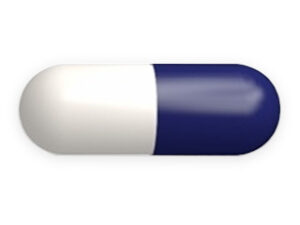
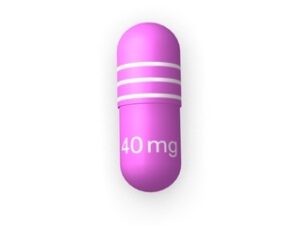
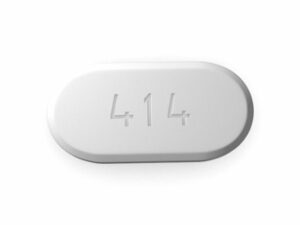
Availability may vary between strengths and formulations. In the UK, ursodeoxycholic acid products may be supplied by pharmacies and healthcare services in line with local prescribing and dispensing practices. If you need help confirming the product strength and form, check the label or ask your pharmacist.
How Urso works (mechanism of action)
Urso helps by changing the way bile behaves in the body. It primarily:
- Reduces damage from bile acids: In conditions such as PBC, levels of certain bile acids can contribute to inflammation and damage to bile ducts. Ursodeoxycholic acid is less irritating and can replace more harmful bile acids.
- Supports bile flow (choleresis): It can promote more favourable bile composition and help bile move through bile ducts more effectively.
- Dissolves cholesterol gallstones: In some people, it can gradually dissolve cholesterol-based gallstones by reducing the cholesterol content of bile.
The exact effect depends on the condition being treated. For gallstones, changes happen slowly; for long-term liver conditions, regular use and monitoring are important.
Pharmacokinetics (what the body does with it)
Pharmacokinetics describes how the medicine is absorbed, processed, and eliminated. Key points include:
- Absorption: Ursodeoxycholic acid is absorbed from the small intestine. Absorption may be enhanced when taken with food.
- Distribution: It circulates and integrates into the body’s bile acid pool.
- Metabolism: It undergoes liver-related processing and may be transformed into related bile acids.
- Elimination: It is mainly excreted via bile and eventually leaves the body through the digestive tract.
Because Urso is a bile acid, the liver and bile flow play an important role in how the treatment behaves. People with severe bile flow impairment may require closer medical supervision.
Typical uses of Urso
Urso is used for bile-related conditions where improving bile composition and flow is beneficial. Common indications include:
- Primary biliary cholangitis (PBC): To improve liver biochemistry and slow progression in appropriate patients.
- Cholesterol gallstones: For selected gallstones that are suitable for non-surgical treatment (based on scan characteristics).
- Other bile duct disorders: Sometimes used when bile acid balance needs to be improved, depending on specialist assessment.
Suitability depends on diagnosis, stone characteristics, liver status, and overall health. For gallstones, not all stones dissolve with ursodeoxycholic acid.
When to take Urso (timing and routine)
A common approach is to take Urso with meals or after meals, as food can help absorption and reduce gastrointestinal side effects. Your exact schedule should follow the dosing instructions provided for your condition.
Practical timing guidance
- If prescribed once daily: take it at the same time each day, ideally with the largest meal.
- If prescribed twice daily: take one dose with morning food and one with evening food.
- Consistency matters: Try not to skip days. Set a reminder if you tend to forget doses.
- Use a routine: Keep the medicine in a visible place where you store your daily medications.
How to take Urso (dosing overview)
Dosing depends on the condition and, in some cases, body weight, liver tests, and response to therapy. Your clinician’s instructions are the key source of truth for your personal plan.
Typical dosing patterns (general information)
- Primary biliary cholangitis (PBC): Doses are commonly weight-based and divided to support steady daily exposure.
- Gallstone dissolution: Usually taken daily for months or longer, with periodic imaging to assess stone changes.
Because published dosing regimens may vary by product strength and local guidance, always follow the instructions on your label. If you are unsure, contact your pharmacy. Never change your dose without professional advice.
Food interactions and absorption
Urso is a bile acid; food can influence how well it is absorbed and how comfortable it is on the stomach. In general:
- Take with food if advised: many people tolerate it better with meals.
- Try to avoid missed meals: irregular eating patterns may affect tolerability and absorption.
- General diet: follow the dietary advice given for your condition (e.g., for cholestasis or liver health).
Alcohol and medicine interactions
If you take Urso for a liver condition such as PBC, it is sensible to discuss alcohol with your healthcare professional. While ursodeoxycholic acid does not directly “react” with alcohol in the way some medicines do, alcohol can:
- Increase strain on the liver
- Worsen underlying liver inflammation or fatigue
- Interact indirectly by affecting medication adherence and overall health
As a general safety approach, consider avoiding alcohol or keeping it minimal until you have personalised advice. If you are unsure, ask your GP, hepatology team, or pharmacist for guidance.
Medicine interactions (important)
Certain medicines can reduce or alter the effect of ursodeoxycholic acid, or ursodeoxycholic acid can affect the handling of other drugs. Share a full list of medicines—including over-the-counter products and herbal supplements—with your pharmacist.
Notable interaction categories
- Bile acid sequestrants / anion exchange resins: medicines like cholestyramine or colestipol may bind bile acids and reduce ursodeoxycholic acid effectiveness. Your clinician may advise spacing doses several hours apart.
- Cholesterol-lowering medicines: certain lipid treatments may influence bile composition; confirm your plan with a pharmacist.
- Some antacids: products affecting bile acid absorption may reduce effectiveness in some situations; ask for advice if you use them.
- Immunosuppressants and other liver medicines: usually managed under specialist care with monitoring of liver tests.
This is not a complete interaction list. If you start a new medicine while taking Urso, check with your pharmacist or prescribing clinician.
Safety profile: who should take extra care?
Many people tolerate Urso well, but like all medicines it can cause side effects. The safety profile includes:
Common side effects
- Diarrhoea or loose stools
- Abdominal discomfort, nausea, or bloating
- Occasional changes in stool frequency
These are often mild and may improve if the dose timing is adjusted with meals.
Less common but important risks
- Worsening liver/bile symptoms in certain circumstances (for example, if bile flow is significantly obstructed)
- Allergic reactions are rare, but seek urgent help if you develop rash, swelling, breathing difficulties, or severe dizziness.
When to contact a clinician urgently
- Severe or persistent diarrhoea leading to dehydration
- Yellowing of skin/eyes that is new or rapidly worsening
- Severe abdominal pain, fever, or chills
- Signs of an allergic reaction (swelling of face/lips, wheezing, widespread rash)
Practical use tips (making treatment easier)
- Keep track of doses: use a medication organiser or phone reminder.
- Take with meals: helps absorption and may reduce stomach upset.
- Plan for monitoring: for liver conditions, clinicians commonly monitor liver blood tests periodically.
- For gallstones: note that dissolution can take months. Imaging follow-up may be arranged.
- Hydration: if you experience loose stools, stay well hydrated and seek advice if it persists.
- Don’t stop suddenly: ursodeoxycholic acid is usually continued long-term for some conditions; stopping may reduce benefit. Always discuss changes with your healthcare team.
Missed dose advice
If you miss a dose, take it as soon as you remember if it is reasonably close to the time you normally take it. If it is nearly time for the next dose, skip the missed dose and continue your schedule.
Do not double up to make up for a missed dose unless your pharmacist or clinician advises otherwise.
Alternative options to Urso (what else may be used?)
Alternatives depend strongly on the diagnosis:
- For primary biliary cholangitis (PBC): another bile acid may be considered in some settings, but ursodeoxycholic acid is the standard foundational therapy. Some patients may need additional treatments under specialist care if response is incomplete.
- For gallstones: options may include surgery (e.g., cholecystectomy) or other non-surgical approaches depending on stone type, size, and symptoms.
- For supportive symptom relief: clinicians may prescribe treatments to manage itching (pruritus) or other cholestatic symptoms.
If you are considering alternatives due to side effects or lack of effectiveness, speak with your pharmacist or clinician before switching.
UK market and legal context (availability and regulation)
In the United Kingdom, medicines are regulated to ensure quality, safety, and standards of supply. Urso (ursodeoxycholic acid) may be supplied through pharmacy services in accordance with UK medicines legislation and clinical requirements. Availability can vary by strength, form, and manufacturer.
For guidance on whether a product is available over the counter or supplied via healthcare pathways, check the product listing and your local pharmacy advice. Your pharmacist can also confirm the correct item number/strength you need.
Recent guidance and monitoring (what to expect)
For long-term bile duct conditions, current clinical practice places emphasis on:
- Baseline and ongoing liver blood tests (for example, to assess cholestasis and inflammation markers)
- Checking response over time and considering additional treatments if goals are not met
- Regular follow-up based on disease severity and symptoms
- Imaging follow-up where appropriate (particularly for gallstones)
If you are taking Urso, your clinician may set a schedule for laboratory monitoring and review. Keep appointments and report any new symptoms.
Delivery and availability in the UK
Online pharmacies in the UK typically aim to provide timely delivery of prescription and non-prescription medicines where permitted by UK regulations. Stock can vary by strength and brand/formulation, so ordering earlier can help reduce delays.
- Availability: dependent on manufacturer supply and demand.
- Delivery: delivery times vary by service level and distance; delivery tracking may be offered.
- Packaging: medicines are normally supplied in secure, tamper-evident packaging.
- Storage: store at room temperature unless the label says otherwise, keep out of sight of children, and protect from excess moisture.
Always check the packaging and label on arrival for the correct strength and dosage instructions.
FAQ
1) What is Urso used for?
Urso (ursodeoxycholic acid) is used for bile-related conditions such as primary biliary cholangitis and, in selected cases, to dissolve certain cholesterol gallstones. Your diagnosis determines whether it is appropriate.
2) How long does it take to work?
It depends on the condition. For liver conditions, improvements in blood tests and symptoms may take weeks to months. For gallstones, stone dissolution can take months and requires follow-up imaging.
3) Should I take Urso with food?
Many people are advised to take it with meals to improve absorption and reduce gastrointestinal discomfort. Follow your label or clinician’s advice.
4) Can I drink alcohol while taking Urso?
If you have liver disease, alcohol may worsen liver strain. It’s best to ask your healthcare professional what level (if any) is safe for you. In many cases, minimising or avoiding alcohol is recommended until you receive personalised advice.
5) What are the most common side effects?
The most common are diarrhoea, loose stools, and mild abdominal discomfort. Contact a clinician if symptoms are severe, persistent, or associated with dehydration.
6) What should I do if I forget a dose?
Take it when you remember if it’s close to the scheduled time. If it’s almost time for the next dose, skip the missed dose. Do not double up.
7) Are there medicines that should not be taken with Urso?
Some medicines that bind bile acids (for example, certain bile acid sequestrants) may reduce Urso’s effectiveness. Always tell your pharmacist about all medicines you take, including over-the-counter products and herbal supplements.
8) Can Urso be stopped once I feel better?
Do not stop suddenly without medical advice. Many bile conditions are chronic, and stopping treatment may reduce long-term benefit.
9) Is Urso suitable for everyone?
Not always. Suitability depends on your diagnosis, liver and bile duct status, other conditions, and other medicines. Your healthcare team can assess your specific situation.
10) How should Urso be stored?
Store according to the label instructions, typically at room temperature, and keep out of reach of children. Protect from excess moisture.