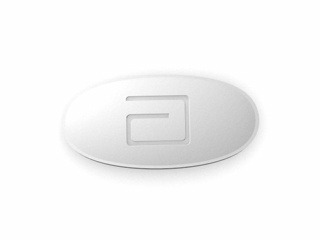
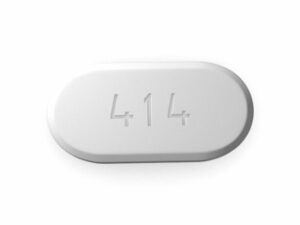
Tricor (Fenofibrate) — Patient Guide (UK)
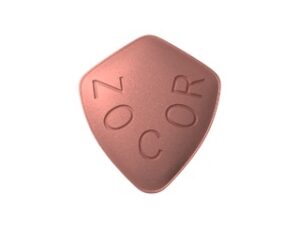
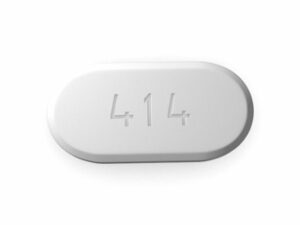
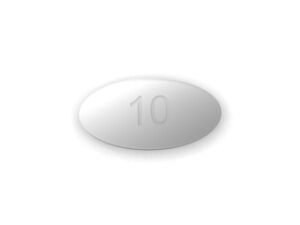
Tricor is a brand of fenofibrate, a medicine used to help improve certain blood fat levels. It is commonly prescribed in adults as part of a broader approach that includes diet changes, weight management and regular exercise. This page explains how Tricor works, how it’s typically used, and important safety information for people in the United Kingdom.
| Topic | Key information |
|---|---|
| Medicine | Tricor (fenofibrate) |
| What it helps with | High triglycerides (and sometimes mixed dyslipidaemia) |
| How it works | Activates PPAR-α to reduce triglycerides and improve lipid profile |
| Typical dosing | Often once daily (product strength may vary) |
| Common safety themes | Monitor liver function and kidney function; watch for muscle-related symptoms |
| UK availability | Available via pharmacy supply; may be brand-specific depending on local stock |
Basic product information
- Active ingredient: fenofibrate
- Brand name: Tricor
- Medicinal class: fibrates
- Used for: improving abnormal blood lipids, especially triglycerides
Tricor is intended to be used alongside lifestyle changes. Your clinician may also recommend cholesterol-lowering or other lipid treatments depending on your individual results.
How Tricor works (mechanism of action)
Fenofibrate belongs to the fibrate family. Its main action is through a receptor called PPAR-α (peroxisome proliferator-activated receptor alpha). When activated, PPAR-α helps regulate genes involved in lipid metabolism. In practical terms, this leads to:
- Lowering triglycerides: fenofibrate increases breakdown and clearance of triglyceride-rich particles from the bloodstream.
- Modest effects on cholesterol fractions: it may reduce certain lipoproteins and increase HDL (often called “good cholesterol”).
- Improving “atherogenic” profiles: in mixed dyslipidaemia, it can improve the balance of blood fats that contribute to cardiovascular risk.
Pharmacokinetics: what the body does to the medicine
Understanding how fenofibrate behaves in the body can help explain timing and monitoring. Key points include:
- Absorption: after taking a dose, fenofibrate is absorbed through the gastrointestinal tract. Absorption can vary between individuals.
- Conversion to active form: fenofibrate is metabolised, and the body’s active effects are primarily associated with its active metabolites.
- Distribution: the active components distribute into tissues and act on lipid metabolism pathways.
- Elimination: metabolites are cleared mostly by the kidneys. This is why kidney function can affect safety and may influence dose choices.
- Half-life (general concept): the medicine’s effect persists for long enough to support once-daily regimens for many formulations, but exact duration depends on the specific product strength and your metabolism.
If you have reduced kidney function, clinicians typically take extra care, may adjust the dose, and will monitor you more closely.
Typical use in the UK: what it’s for
Tricor is used to treat abnormal blood lipids, particularly where triglycerides are elevated. It may be considered for conditions such as:
- High triglycerides (hypertriglyceridaemia)
- Mixed dyslipidaemia where triglycerides are raised and other lipid targets are not fully achieved
- Reducing risk of complications associated with very high triglyceride levels
Your lipid results (and your overall cardiovascular risk) guide whether fenofibrate is appropriate, and whether other treatments (such as statins or omega-3 fatty acids) should be used instead or in addition.
When to take Tricor and how to time doses
Many fenofibrate products are taken once daily, often with the aim of maintaining steady drug levels. The best timing for you depends on the specific strength and formulation you have.
General timing guidance
- Take at the same time each day to help your routine and support consistent absorption.
- Follow your local product instructions and the advice provided by your healthcare professional or pharmacist.
If you miss a dose
If you forget a dose, take it when you remember unless it is close to the time of your next dose. Do not take a double dose to make up for the missed one. If you are unsure, ask your pharmacist.
Food interactions: should you take it with meals?
Fenofibrate may be affected by food intake for absorption. Many prescribing practices advise taking it with food to support more consistent uptake. However, the exact instruction can vary with the specific Tricor formulation.
- Take with a meal if your packaging or clinician has instructed this.
- If you usually eat at a certain time, try to align your dose with that routine.
Alcohol and medicine interactions
Alcohol can affect triglyceride levels and the health of the liver and pancreas. Because fenofibrate is also associated with liver monitoring, it’s sensible to be cautious with alcohol.
Alcohol considerations
- High alcohol intake can raise triglycerides and may worsen underlying lipid problems.
- Moderate intake may be acceptable for some people, but this depends on your medical history and liver health.
- If you’ve had pancreatitis related to high triglycerides or you have known liver disease, discuss alcohol use with your clinician promptly.
Important interaction theme
Avoid binge drinking and seek medical advice if you notice symptoms such as persistent abdominal pain, yellowing of the skin/eyes, dark urine, or unusual tiredness.
Interactions with other medicines
Drug interactions are important with fenofibrate, particularly where there is a risk of muscle symptoms, kidney strain or changes in blood clotting. Always tell your pharmacist or clinician about all medicines and supplements you take.
Common interaction themes
- Statins (cholesterol-lowering medicines): taking fenofibrate with a statin can increase the chance of muscle-related side effects in some people. This combination may still be used when benefits outweigh risks, with careful monitoring.
- Warfarin (blood thinner): fenofibrate can increase the effect of warfarin, potentially raising bleeding risk. If used together, INR monitoring is often needed.
- Other lipid-lowering agents: discuss combinations such as bile acid sequestrants or omega-3 preparations, as the overall plan may affect timing and monitoring.
- Immunosuppressants or certain prescription medicines affecting metabolism: interaction potential may exist; your healthcare team will review this.
If you start or stop any medication (including “over-the-counter” products and herbal supplements), ask whether it affects your lipid treatment.
Indications: when Tricor may be considered
In clinical practice, fenofibrate is considered when a person has lipid abnormalities that need targeted treatment, especially where triglycerides are significantly raised. Decisions are influenced by:
- Your lipid blood test results
- Your overall cardiovascular risk
- Whether triglycerides are moderately or very highly elevated
- Your kidney and liver function
- Existing medications, such as statins or warfarin
In the UK, lipid management is typically guided by national and local clinical pathways and patient-specific risk assessment. Your treatment may also include other lipid therapies depending on your needs.
Dosing: usual approaches
Tricor comes in different strengths and formulations. Your effective dose depends on the specific product and your health profile, particularly your kidney function. Always follow the dosing instructions on your medicine label or those provided by your healthcare professional.
General dosing principles
- Adults: commonly once daily regimens (exact mg strength varies by product).
- Kidney impairment: dose adjustments or alternative strategies may be necessary because elimination is largely renal.
- Regular blood tests: clinicians often monitor lipid response and safety parameters such as liver enzymes and kidney function.
Practical example (illustrative)
Many people are advised to take their daily dose at the same time each day with food. Exact instructions differ by formulation, so check the instructions that came with your specific Tricor pack.
Safety profile: what to watch for
Like all medicines, Tricor can cause side effects. Many people tolerate fenofibrate well when taken correctly and monitored appropriately. However, certain risks require attention, particularly muscle symptoms and liver or kidney changes.
Common or expected side effects
- Digestive upset (e.g., nausea or stomach discomfort)
- Headache
- Changes in blood test results (liver enzymes, kidney markers)
Serious side effects — seek urgent medical advice
- Muscle problems: unexplained muscle pain, tenderness, weakness, or dark urine (could indicate muscle injury). This is especially important if you also take a statin.
- Liver problems: yellowing of the skin/eyes, dark urine, severe fatigue, persistent itching.
- Pancreatitis symptoms: severe upper abdominal pain, with or without vomiting, particularly if triglycerides are very high.
- Allergic reactions: swelling of the face/lips, difficulty breathing, or widespread rash.
Risk factors to discuss with your clinician
- Previous muscle side effects on lipid medicines
- Kidney disease or reduced kidney function
- History of liver disease
- Uncontrolled hypothyroidism (underactive thyroid)
- Heavy alcohol use
- Concurrent use of interacting medicines (e.g., statins, warfarin)
Practical use tips for best results
- Keep your lifestyle plan consistent: fenofibrate works best alongside diet and lifestyle measures designed to reduce triglycerides and cardiovascular risk.
- Track your progress: ask when your next blood tests will be scheduled to check lipid response and safety.
- Be alert to symptoms: if you develop new muscle pain or weakness, don’t “push through”—contact your clinician promptly.
- Stay hydrated and follow health checks: kidney-related monitoring is important, especially if you become unwell with vomiting or dehydration.
- Don’t stop or change doses suddenly without advice, unless you experience serious side effects.
Recent guidance and UK context
In the UK, lipid management guidance is continually updated based on emerging evidence and safety considerations. Current practice generally emphasises:
- Assessing overall cardiovascular risk rather than treating numbers in isolation.
- Optimising lifestyle interventions (diet, activity, smoking cessation, alcohol moderation where relevant).
- Using lipid-lowering treatments appropriately for the specific lipid pattern and risk profile, including careful consideration of combinations to minimise adverse effects.
- Monitoring safety parameters where medicines require it (e.g., kidney/liver function in appropriate circumstances).
Your clinician may also follow local protocols and national recommendations for monitoring and combination therapy decisions.
Alternative options to Tricor
Depending on your blood fat pattern and risk, alternatives may include:
Lifestyle-focused measures (often essential)
- Reducing foods that increase triglycerides (particularly refined carbohydrates and excess alcohol)
- Improving overall dietary pattern (e.g., Mediterranean-style eating)
- Regular physical activity and weight management
- Managing diabetes and thyroid conditions if present
Medicines that may be considered (depending on circumstances)
- Statins: primarily lower LDL cholesterol and reduce cardiovascular risk
- Omega-3 fatty acids (prescribed or advised formulations): may help lower triglycerides
- Other fibrates or lipid-targeted medicines: selection depends on the specific lipid goal and your health profile
- Combination therapy: may be considered with careful monitoring when both LDL and triglycerides are raised
Your clinician can suggest the most suitable option based on your blood tests, existing medicines and any medical conditions such as kidney disease.
Delivery and availability in the United Kingdom
Availability can vary by strength, formulation, and local supply. Online pharmacies typically aim to provide reliable ordering and delivery options. Delivery times depend on stock status and chosen delivery method.
- Check product availability before confirming an order.
- Allow time for dispatch if the item is not currently in immediate stock.
- Cold or special storage is usually not required for fenofibrate tablets, but always follow the storage instructions on your packaging.
If you need to switch between brands or strengths, discuss this with your pharmacist to ensure the dose remains consistent.
How to store Tricor
- Store at room temperature as stated on the pack.
- Keep away from heat and moisture.
- Keep medicine out of sight and reach of children.
- Do not use after the expiry date shown on the pack.
FAQ
1) What does Tricor do to my cholesterol?
Tricor (fenofibrate) mainly targets triglycerides. It can also produce modest improvements to other blood fat measures, such as raising HDL in some people. Whether LDL (“bad cholesterol”) changes meaningfully depends on your individual lipid pattern.
2) How long does it take to work?
Lipid levels can start to improve within days to weeks, but your clinician will typically review results using blood tests after a set period (often several weeks) to judge the response and safety.
3) Can I take Tricor with a statin?
Sometimes fenofibrate and statins are used together when benefits outweigh risks. However, the combination can increase the chance of muscle-related side effects. If you are on both, you should report any new muscle pain, tenderness, weakness or dark urine promptly.
4) Is it safe to drink alcohol while taking Tricor?
Alcohol can raise triglycerides and may affect the liver and pancreas. Moderate intake may be acceptable for some people, but the safest approach depends on your health history. If you have liver problems, pancreatitis history, or significantly raised triglycerides, discuss alcohol use with your healthcare professional.
5) What blood tests are monitored?
Clinicians may monitor lipid profile, plus safety-related measures such as liver function and kidney function. If you take interacting medicines (for example warfarin), additional monitoring (like INR) may be required.
6) What if I feel muscle pain or weakness?
Stop exercising and contact a healthcare professional promptly for advice, especially if symptoms are unexplained or severe. Seek urgent help if you also have dark urine or feel unwell.
7) Can Tricor be taken with food?
Many fenofibrate instructions recommend taking it with food to support absorption. Follow the exact advice from your pack or pharmacist for your specific Tricor product.
8) Are there people who should be extra careful?
Yes. Extra caution is often needed for people with kidney impairment, liver disease, a history of muscle problems, uncontrolled thyroid disease, or those taking medicines that interact (such as statins or warfarin).
9) Are there any supplements I should avoid?
Some supplements can affect bleeding risk or interact with lipid-lowering medicines. Tell your pharmacist about all supplements you take, including “natural” products.
10) Can I switch from Tricor to another fenofibrate product?
Sometimes people switch between brands or strengths depending on availability and prescribing decisions. Dose consistency matters, so if a switch is suggested, confirm the dose with your pharmacist.
Important notice
This guide is for general information and does not replace personalised medical advice. Always follow the instructions supplied with your medicine and consult a healthcare professional if you have concerns, questions about interactions, or symptoms that worry you.