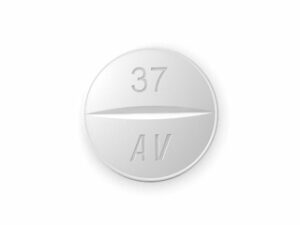
Actos (pioglitazone) – Patient Information (UK)
Actos is a prescription medicine containing pioglitazone, used to treat certain forms of type 2 diabetes. It belongs to a group of medicines called thiazolidinediones (also known as PPAR-γ activators). This guide explains how Actos works, when it is usually taken, important safety information, interactions, and practical tips.
Always follow the advice of your healthcare professional. If you have any questions about your individual situation, ask your doctor, diabetes nurse, or pharmacist.
1. Basic product information
- Brand name: Actos
- Active ingredient: Pioglitazone
- Medicine type: Oral antidiabetic (thiazolidinedione)
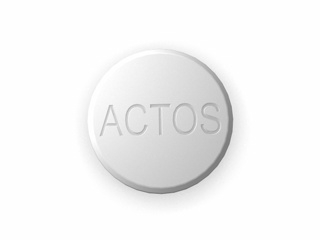
- How it comes: Tablets in different strengths (commonly 15 mg, 30 mg, 45 mg)
- What it helps: Improves blood glucose control in people with type 2 diabetes
2. What type of diabetes is Actos for?
Actos is used in type 2 diabetes when blood sugar control needs improvement. It may be used:
- When diet, exercise, and other medicines are not enough
- As an add-on to metformin or other diabetes medicines in some situations
- In certain adults who cannot take some other treatments (your clinician will advise)
3. Mechanism of action (how Actos works)
Pioglitazone acts mainly by improving how your body uses insulin:
- Targets insulin resistance: It activates PPAR-γ (a nuclear receptor) which helps increase insulin sensitivity, particularly in fat and muscle tissues.
- Reduces glucose levels: When tissues respond better to insulin, the liver produces less glucose and overall blood sugar improves.
- Improves HbA1c: Over time, better insulin sensitivity can lower long-term blood glucose (HbA1c).
Actos does not stimulate the pancreas to release extra insulin directly. The glucose-lowering effect builds gradually.
4. Pharmacokinetics (what the body does to the medicine)
Pharmacokinetics describes how the body absorbs, distributes, metabolises, and eliminates pioglitazone. This may help you understand timing and persistence of effects.
Absorption
Pioglitazone is absorbed after oral dosing. It reaches peak levels within a few hours (commonly around 2–3 hours) after taking a tablet.
Distribution
Pioglitazone is extensively bound to plasma proteins, meaning it circulates strongly in the bloodstream.
Metabolism
Pioglitazone is metabolised mainly in the liver (primarily via CYP enzymes). It is converted into multiple metabolites that also contribute to overall activity.
Elimination
Pioglitazone and its metabolites are eliminated mostly via the faeces. The medicine has a long duration of action.
5. Typical use and when it starts working
Actos is used as part of a longer-term diabetes management plan. Many people notice some improvement in blood sugar, but it usually takes time.
Timing of effect
- Early changes: Some improvement may be noticed after several days to weeks.
- Full effect: It can take several weeks to see the full glucose-lowering benefit.
- HbA1c response: HbA1c reflects roughly 2–3 months of average glucose, so changes may be evaluated at follow-up intervals.
6. How to take Actos (dosing and administration)
The exact dose should be determined by your clinician based on your current diabetes treatment, overall health, and response to therapy.
Typical dosing approach (general guidance)
Common starting and adjustment strategies include:
- Starting at a lower dose, then increasing if needed to achieve better control.
- Using the lowest effective dose that provides appropriate glucose improvement.
When and how to take
- Once daily dosing is typical.
- Try to take it at the same time each day to make it easier to remember.
- Swallow the tablet with water. You can take it with or without food (see food section below).
If you miss a dose
- If you miss a dose, take it when you remember unless it is close to the next dose.
- Do not take a double dose to make up for a missed tablet.
Important: Always follow the instructions on your medicine label and the plan agreed with your healthcare professional.
7. Food interactions and taking with meals
Pioglitazone can generally be taken with or without food. Food may not significantly change the medicine’s overall effect for most people, though individual absorption patterns can vary.
If you experience stomach upset, taking Actos with a meal may help. Discuss persistent or severe side effects with a clinician.
8. Alcohol and medicine interactions
Alcohol
Alcohol can affect blood glucose control and may increase strain on the liver in some situations. For people with diabetes, alcohol may also worsen hypoglycaemia risk when combined with certain diabetes medicines (for example, insulin or sulfonylureas).
With Actos specifically, the risk of hypoglycaemia is generally lower when used alone, but alcohol can still make diabetes harder to manage. Consider:
- Checking your blood glucose more frequently after drinking.
- Keeping alcohol intake within safe limits advised for you.
- Seeking advice if you drink regularly or heavily, especially if you have liver problems.
Other medicines (key interaction concepts)
Pioglitazone can interact with other medicines, mainly through how your body metabolises drugs and how medicines affect heart, fluid balance, and liver function.
Tell your healthcare professional about all medicines you take, including:
- Diabetes medicines (metformin, insulin, sulfonylureas, etc.)
- Medicines for cholesterol or blood pressure
- Antibiotics, antifungals, and other long-term medicines
- Herbal products and supplements
Examples of interaction themes to discuss
- Enzyme inducers or inhibitors: Some medicines can alter pioglitazone levels by affecting liver enzymes.
- Heart failure / fluid-retaining medicines: Because pioglitazone can cause fluid retention, combining with medicines that also affect fluid balance or the heart may increase risk.
- Medicines affecting liver: Medicines that strain the liver may raise the risk of liver-related side effects.
Your pharmacist can check interactions for your specific regimen and provide tailored advice.
9. Indications (when Actos is used)
Actos is indicated for the treatment of type 2 diabetes mellitus in adults, usually when:
- It is not possible to achieve adequate glycaemic control with diet and exercise alone, and/or
- It is used as part of combination therapy with other diabetes medicines in line with current clinical guidance.
Your clinician will choose the most appropriate treatment based on your diabetes stage, kidney function, heart health, weight goals, and other medical conditions.
10. Safety profile (important risks and what to watch for)
Most people tolerate Actos well, but there are important potential side effects and precautions. The key safety points include fluid retention, effects on heart health, weight changes, and rare liver or blood-related effects.
Common or expected effects
- Weight gain: Pioglitazone can cause weight gain, partly related to fluid retention and changes in fat distribution.
- Fluid retention (oedema): Swelling in ankles/feet can occur.
- Changes in blood parameters: Haemoglobin may decrease in some people.
Serious risks (seek medical advice urgently)
-
Signs of worsening heart failure or fluid overload:
shortness of breath, rapid weight gain, swollen legs/ankles, waking at night breathless, or reduced ability to exercise.
Seek urgent medical help if symptoms are significant. - Liver problems (rare): yellowing of the skin or eyes (jaundice), dark urine, severe fatigue, or unexplained nausea/vomiting.
- Allergic reactions (rare): rash, itching, swelling of face/lips, or breathing difficulties.
Who needs extra caution?
Your clinician may use extra caution or choose a different treatment if you have:
- Heart failure or a history of significant heart failure
- Fluid retention or conditions that predispose to oedema
- Liver disease or a history of liver problems
- Significant risk factors affecting bladder health (discuss your history openly)
Monitoring (typical practice)
- Diabetes monitoring: HbA1c, fasting glucose, or home blood glucose readings as advised.
- Weight and swelling: periodic review for sudden weight gain or oedema.
- Heart symptoms: report breathlessness or swelling promptly.
- Blood tests: sometimes include liver-related tests and other parameters based on clinical judgement.
11. Practical use tips for better results
- Keep consistent: take Actos at the same time each day.
- Track your blood sugar: follow the monitoring plan provided (especially when adjusting doses or adding medicines).
- Watch your weight and swelling: weigh yourself if advised and contact your clinician if you gain weight quickly or notice swelling.
- Stay active: exercise and lifestyle measures help improve insulin sensitivity and overall diabetes control.
- Know your “red flags”: breathlessness, rapid weight gain, or jaundice should be treated seriously.
12. Alternative options (discuss with your clinician)
Depending on your health profile and treatment history, alternatives may include other classes of glucose-lowering medicines. Common options in the UK may include:
Other oral medicines
- Metformin (often first-line unless not suitable)
- Sulfonylureas (e.g., gliclazide) – may carry a higher risk of hypoglycaemia
- DPP-4 inhibitors (e.g., sitagliptin, saxagliptin)
- SGLT2 inhibitors (e.g., dapagliflozin, empagliflozin) – may offer benefits for some patients and have specific safety considerations
Injectable medicines
- GLP-1 receptor agonists
- Insulin for more advanced diabetes or when glucose levels require it
Which option is best depends on your HbA1c target, kidney function, cardiovascular history, weight considerations, and side-effect tolerance.
13. UK market and legal context (overview)
In the United Kingdom, diabetes medicines are regulated and must meet strict standards of quality, safety, and efficacy. Actos (pioglitazone) is available through legal supply channels and is used within UK clinical practice guidelines.
Availability can vary by supplier and strength, and some brands or strengths may change over time due to manufacturing or procurement decisions. Your pharmacist can confirm what’s available for your preferred strength.
Recent guidance (general)
UK diabetes care is guided by evidence-based recommendations from professional bodies and updates based on ongoing clinical research. Treatment choice often takes into account individual risk factors, particularly:
- Cardiovascular and heart failure risk
- Weight changes
- Kidney function
- Hypoglycaemia risk with combination therapy
Clinical teams may review and adjust therapy over time as guidance and patient circumstances evolve.
14. Delivery and availability (UK online pharmacy information)
Availability of Actos can vary depending on tablet strength and local stock levels. When ordering online, your order may be delivered to your address within the timeframe offered at checkout.
Typical points to expect from an online pharmacy service in the UK:
- Stock checks: medicines are typically reserved or dispatched once stock is confirmed.
- Packaging: tablets are dispatched in appropriate pharmacy packaging for safe transport.
- Delivery times: vary by location and courier service; check the estimate shown during checkout.
- Substitutions: if a specific strength is not available, the pharmacy may provide an alternative only if allowed and appropriate under UK medicines supply regulations.
If you have a tight schedule (e.g., running out soon), consider ordering early and allow time for delivery.
15. Frequently Asked Questions (FAQ)
Is Actos suitable for everyone with type 2 diabetes?
Not necessarily. Suitability depends on your medical history (especially heart health, fluid retention, and liver function), current medicines, and your diabetes control goals. Your clinician will assess the benefits and risks for you.
How quickly will Actos lower my blood sugar?
Actos builds effect gradually. Some improvement may occur within weeks, but full glucose-lowering benefit may take longer. HbA1c changes are typically assessed over about 2–3 months.
Can I take Actos with food?
Yes. Actos can usually be taken with or without food. Choose what works best for your routine and comfort.
What should I do if I miss a tablet?
Take it when you remember unless it is close to the next dose. Do not take a double dose to make up for the missed one.
Will Actos cause weight gain?
Weight gain can occur. This may be due to fluid retention and other changes. If you notice rapid weight gain or new swelling, contact your healthcare professional promptly.
What are the warning signs of a serious problem?
Seek urgent advice if you develop symptoms suggestive of worsening heart failure (e.g., shortness of breath, swelling, rapid weight gain), jaundice or liver-related symptoms, or signs of allergy.
Does Actos cause hypos (low blood sugar)?
Pioglitazone alone has a relatively low risk of causing hypoglycaemia. However, risk can increase when Actos is used with medicines that lower glucose more strongly (such as insulin or sulfonylureas). Your clinician may adjust doses and advise on monitoring.
Can I drink alcohol while taking Actos?
Alcohol can affect blood glucose control and may increase strain on the liver. If you choose to drink, do so carefully, monitor your blood sugar as advised, and follow safe limits. Discuss your situation with your healthcare professional, especially if you drink regularly.
Are there interactions with other medicines?
Yes. Interactions can occur through liver metabolism or effects on the heart, fluid balance, and liver function. Tell your pharmacist about all medicines and supplements you take so they can check for interactions.
What monitoring might be needed?
Monitoring often includes blood glucose and HbA1c, plus checks for weight changes and swelling. Blood tests may be used to monitor liver-related measures and other parameters depending on clinical judgement.
What if I have heart problems?
Because pioglitazone can cause fluid retention, extra caution is needed in people with heart failure or at risk of fluid overload. Always follow clinician instructions and report symptoms like breathlessness or swelling immediately.
What are common alternatives to Actos?
Alternatives include medicines from other diabetes classes (e.g., metformin, DPP-4 inhibitors, SGLT2 inhibitors, GLP-1 receptor agonists, and insulin). The best choice depends on your individual risks and treatment goals.