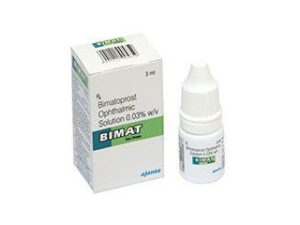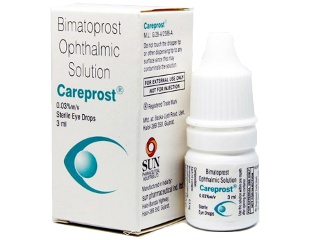
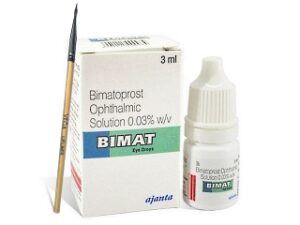
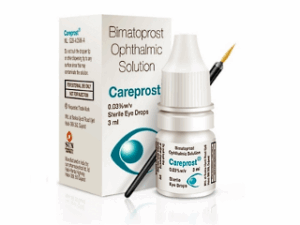
Careprost (Bimatoprost) Eye Drops – Patient Information (UK)
Careprost is a brand of bimatoprost, a medicine used to lower eye pressure in certain eye conditions and/or to enhance eyelash appearance in appropriate circumstances. This page explains what Careprost is, how it works, how it’s used, and what to consider for safety and everyday use in the United Kingdom.
Important: Always follow the advice given by your clinician and the instructions that come with your product. If you are unsure how to use your drops, ask a healthcare professional or pharmacist.
Basic product information
| Category | Details |
|---|---|
| Medicine name | Careprost |
| Active ingredient | Bimatoprost |
| Medicinal form | Ophthalmic solution (eye drops) |
| Typical strengths (commonly supplied) | Often available as 0.03% bimatoprost (check your specific pack) |
| Common directions | Usually once daily in the evening/at night (as advised) |
| Who it may be for | Adults with appropriate eye conditions; may be used for eyelash appearance where licensed and suitable |
Brand note (UK): In the UK, eye pressure medicines are often authorised under specific brand/strength and intended for glaucoma or ocular hypertension. Some eyelash/appearance products are licensed separately and are subject to UK regulation. Confirm the intended use and licensed indication shown on your packaging.
How Careprost works (mechanism of action)
Bimatoprost belongs to a group of medicines that work on the eye’s drainage and fluid balance. It is a prostaglandin analogue-like agent.
- Reduces eye pressure: It helps increase outflow of aqueous humour (the fluid inside the eye), lowering intraocular pressure (IOP).
- Improves fluid drainage: Over time, better fluid clearance helps protect the optic nerve in glaucoma and ocular hypertension.
- Eyelash effects (appearance indication): In some licensed uses, bimatoprost can increase eyelash length, thickness, and darkness by promoting follicle activity.
Why consistency matters: Eye pressure control depends on regular use. Missing doses can reduce the benefit.
Pharmacokinetics (how the body handles it)
After use of bimatoprost eye drops, only a small amount is absorbed through the eye. The medicine primarily acts locally in the eye.
- Absorption: Bimatoprost penetrates ocular tissues and reaches receptors involved in fluid regulation.
- Distribution: Systemic absorption is generally low.
- Metabolism: The compound is metabolised in the body, including conversion to various metabolites.
- Elimination: Metabolites are cleared mainly by the kidneys and partly via other routes.
Practical meaning for patients: Because systemic absorption is typically limited, most side effects are local to the eye. However, rare systemic effects can occur with any medicine.
What Careprost is used for (indications)
Careprost (bimatoprost) may be used for:
- Glaucoma and ocular hypertension to help lower elevated intraocular pressure (IOP), depending on the product’s UK licence and your clinician’s assessment.
- Eyelash hypotrichosis (reduced eyelash growth) in adults, where the relevant product is licensed for that indication in the UK.
Check your pack: The exact indication and strength depend on the authorised product you have. If your packaging doesn’t clearly state the intended use, speak with a pharmacist.
How to take Careprost (dosing and timing)
Usual dosing (for many bimatoprost products):
- One drop to the affected eye(s) once daily.
- Timing: often recommended in the evening or at night. This helps match the natural fluctuations of eye pressure.
Example schedule:
- Put the drop in at a consistent time each night (e.g., 8–10 pm), unless your prescriber/pharmacist instructs otherwise.
How to use eye drops safely (step-by-step)
- Wash your hands.
- Check the drop tip. Ensure it is not damaged and not contaminated.
- Tilt your head back and look up.
- Gently pull down the lower eyelid to make a small pocket.
- Hold the bottle above the eye and place one drop into the pocket.
- Close your eye gently for 1–2 minutes.
- Press lightly at the inner corner of the eye (near the nose) for about 1 minute if you can. This may reduce drainage into the rest of the body.
- Wipe away excess liquid with a clean tissue.
- Replace the cap and store as directed.
If you miss a dose
- Use the drop as soon as you remember if it is still the same day.
- If it is close to the next scheduled dose, skip
- Do not use double the amount to make up for the missed dose.
Do not change your dose: Using more frequently than directed does not reliably improve results and may increase side effects.
Food interactions
Because Careprost is used as an eye drop and acts primarily locally, food interactions are not expected.
- You can usually take and eat normally.
- If you experience nausea, dizziness, or other unusual symptoms, seek advice from a clinician.
Alcohol and medicine interactions
Alcohol
Direct alcohol interactions are unlikely with eye drops like bimatoprost. However, alcohol may worsen dry eye symptoms or irritation in some people.
- If you notice eye discomfort after drinking, consider limiting alcohol and discussing symptoms with a pharmacist.
Other medicines (important interactions)
Potential interactions are mainly considered when medicines are taken together, or when the drops affect the same eye surface.
- Other eye drops: If you use more than one eye medicine, separate them by at least 5–10 minutes unless instructed otherwise.
- Glaucoma medicines: Some combinations may be used in practice, but your clinician should guide selection and timing.
- Contact with the eye surface: If you use eye creams/ointments, these are usually applied after drops (or as advised) to avoid dilution of the drop.
Tell your pharmacist or clinician about all medicines you use, including over-the-counter eye drops, lubricants, and any treatment for dry eye or allergy.
Safety profile and potential side effects
Most people tolerate bimatoprost well. Side effects are typically local to the eye and often mild. Some effects may be more likely with frequent or incorrect use.
Common side effects
- Redness of the eye
- Itching, mild burning, or irritation
- Dry eye or a gritty feeling
- Watery eyes
- Temporary blurred vision shortly after instillation (allow time before driving)
- Darkening of the eyelid skin (more likely with eyelash-growth use)
- Increased eyelash growth or eyelash changes (for the eyelash appearance indication)
Less common but important effects
- Swelling around the eye
- Changes in iris colour (usually gradual; may be permanent in some cases)
- Increased pigmentation of the eye tissues in certain people
- Headache or general discomfort (uncommon)
Seek urgent medical advice if you develop
- Severe eye pain
- Marked swelling, discharge, or worsening redness
- Significant light sensitivity
- Sudden vision changes
- Symptoms of an allergic reaction (e.g., widespread rash, breathing difficulty)
Special considerations
- Contact lenses: If you wear contact lenses, remove them before instilling drops (follow product instructions). You can usually wait at least 15 minutes before reinserting unless advised otherwise.
- Eye inflammation: Use caution if you have uveitis or other inflammatory eye conditions; discuss with your clinician.
- Previous eye surgery: Tell your clinician if you’ve had eye surgery or laser treatment.
Practical use tips (to get the best results and reduce irritation)
- Use at the same time each day: Consistency supports stable eye pressure control.
- Don’t touch the eye: The nozzle should not contact the eyelid/eye to prevent contamination.
- Press at the inner corner: Gentle pressure for about a minute may reduce drainage and side effects.
- Remove excess: Wipe away overflow gently to reduce skin irritation.
- Be careful with eye makeup: Avoid applying makeup immediately after using drops; consider using it later in the evening if it suits you.
- Use lubricating drops if needed: Ask a pharmacist which lubricants are compatible. Separate them from Careprost by 5–10 minutes.
- Expect temporary changes: Mild redness or watering may occur, especially when starting treatment.
Alternative options
If Careprost isn’t suitable (for example, because of side effects, availability, or a different treatment plan), there may be alternatives for glaucoma/ocular hypertension and, separately, alternatives for eyelash appearance depending on licensing in the UK.
For glaucoma or ocular hypertension (IOP lowering)
- Prostaglandin analogues: Other medicines in this class may be considered.
- Beta-blockers (e.g., timolol-containing drops, where appropriate)
- Alpha-agonists
- Carbonic anhydrase inhibitors
- Combination eye drops (when clinically indicated)
For eyelash appearance (licensed indications)
- Other licensed lash-growth options may be available, subject to UK approval and availability.
- Some people consider non-medicinal cosmetic alternatives, though results vary.
Best approach: Your clinician/pharmacist can explain which options fit your eye condition, medical history, and tolerability.
Market and legal context in the United Kingdom
Medicines in the UK are regulated to ensure quality, safety, and effectiveness. In practice, availability can differ depending on:
- Authorisation and licensing: The exact indication (glaucoma/ocular hypertension versus eyelash appearance) depends on how the product is licensed in the UK.
- Strength and formulation: Packs and concentrations may differ.
- Regulatory classification: Some eye drops may be available only through prescription routes, while others may be supplied through other lawful supply pathways depending on the product and patient category.
Recent guidance and monitoring (general): UK health professionals continue to emphasise appropriate selection of IOP-lowering therapy, adherence to dosing schedules, and monitoring for ocular side effects such as pigmentation changes and ocular surface irritation. It is also common guidance to review response at follow-up appointments and adjust therapy if needed.
Always use an authorised product: Choose products supplied by reputable UK-regulated channels to reduce the risk of counterfeit or incorrectly labelled medicines.
Delivery and availability (UK)
Availability varies by stock levels and the specific product/strength. When ordering online from a UK pharmacy:
- Check pack size and strength before ordering.
- Confirm intended use (IOP lowering vs eyelash appearance) based on your needs and the product label.
- Delivery times: Typically depend on your location within the UK and the courier service used by the pharmacy.
- Storage: Keep the bottle at the temperature stated on the pack and protect it from contamination.
Packaging: Eye drop bottles should be kept tightly closed when not in use. If the bottle tip becomes contaminated or the solution looks cloudy/discoloured, do not use it—ask a pharmacist for advice.
Recent guidance and follow-up (what to expect)
If Careprost is used for glaucoma or ocular hypertension, monitoring usually focuses on:
- Intraocular pressure checks at scheduled visits
- Optic nerve assessment and/or visual field tests as appropriate
- Ocular surface and side effect review (dry eye, redness, pigmentation changes)
If you use it for eyelash appearance, follow-up commonly involves:
- Assessing tolerability (irritation, dryness)
- Ensuring the treated area remains healthy and free from infection
- Notifying a clinician if pigmentation changes become noticeable or uncomfortable
Contact your clinician promptly if symptoms worsen or you notice unexpected changes.
FAQ about Careprost (Bimatoprost)
1. Is Careprost the same as bimatoprost?
Yes. Careprost is a brand name that contains bimatoprost as the active ingredient. Always verify the exact strength and indication on your specific pack.
2. How long does it take to lower eye pressure?
Many people see pressure-lowering effects within days, but full benefit can take longer. Your clinician will schedule monitoring to confirm response. Continue using it consistently even if you don’t feel an immediate difference.
3. Why is it taken in the evening?
Eye pressure can fluctuate over the day. Taking bimatoprost in the evening is commonly recommended to align treatment timing with these natural variations. Use the time stated on your label or as advised.
4. Can I wear contact lenses?
Often, it’s recommended to remove lenses before using the drops and wait before reinserting. Some people find drops worsen dryness. Check your product instructions and ask a pharmacist for personalised advice.
5. Will it change my eye colour?
Possible but uncommon: Gradual iris pigmentation changes have been reported. This is more likely in people with mixed-colour irises. If you notice significant changes, discuss them with your clinician.
6. Will my eyelashes grow?
For eyelash-growth indications, increased eyelash length, thickness, and darkness can occur. However, eyelash appearance changes can vary between individuals and require ongoing evaluation of comfort and safety.
7. What if I get redness or irritation?
Mild redness or irritation can occur, particularly at the start. Avoid touching the eye, ensure correct technique, and consider lubricating drops if suitable. Seek medical advice if redness is severe, persistent, or accompanied by pain or discharge.
8. Can I use other eye drops at the same time?
Yes, but separate different drops by at least 5–10 minutes unless you’ve been told otherwise. Ointments are usually applied after drops.
9. Is there a food or alcohol interaction?
Food interactions are not expected. Direct alcohol interactions are unlikely, though alcohol may worsen dry eye symptoms. If you experience discomfort, consider reducing alcohol and speaking with a pharmacist.
10. How should I store Careprost?
Store according to the instructions on your pack. Keep the bottle closed, avoid contamination of the nozzle, and protect from inappropriate temperatures and moisture.
Summary
Careprost (bimatoprost) is an eye drop used to help lower elevated eye pressure and, depending on the licensed indication, may also improve eyelash appearance. It works by supporting fluid drainage in the eye. Most side effects are mild and local—such as redness or irritation—while more significant effects (like persistent pain, marked swelling, or sudden vision changes) require urgent medical attention. Use it at the same time each day, follow correct drop technique, and attend scheduled follow-ups to ensure it’s working safely for your needs.