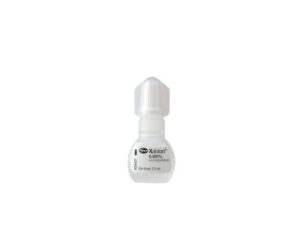
Timoptic (Timolol Maleate) – Patient Guide (UK)
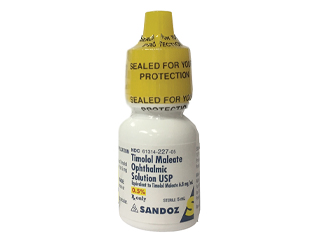
Timoptic is a medicine used to treat conditions where lowering pressure inside the eye is important. It contains timolol maleate, a beta-blocker that helps reduce the production of fluid in the eye. This guide explains what Timoptic is, how it works, how it is used, safety information, interactions, and practical tips.
1. Basic product information
| Item | Details |
|---|---|
| Medicine name | Timoptic (timolol maleate) |
| Medicine type | Ophthalmic solution (eye drops) |
| Active ingredient | Timolol maleate |
| Pharmacological group | Beta-adrenoceptor blocker (topical ophthalmic) |
| Main purpose | Reduces intraocular pressure (IOP) |
| Where it is used | Eye/eyes (topical use) |
Timoptic comes in different strengths and formulations depending on availability. Always check the pack for the exact strength and dosing instructions provided for your product.
2. How Timoptic works (mechanism of action)
The pressure inside the eye (intraocular pressure, or IOP) depends partly on the balance between production and drainage of the eye’s fluid (aqueous humour).
Timolol is a beta-blocker. In the eye, it reduces aqueous humour production, which leads to:
- Lowering of intraocular pressure
- Helping to protect the optic nerve from pressure-related damage
Timoptic does not “cure” eye conditions such as glaucoma, but it can help control them and slow progression.
3. Pharmacokinetics (how the body handles it)
Timolol is applied directly to the eye, but some of it can still enter the bloodstream. This matters because side effects can sometimes be systemic (whole-body) even when drops are used.
Absorption
- After instillation, timolol can be absorbed through the eye tissues and via the nasolacrimal duct (the drainage pathway into the nose).
- Absorption is influenced by the drop technique and whether you block drainage with punctal occlusion (see practical tips).
Distribution
- Small amounts may reach the bloodstream and be distributed to tissues, which is one reason asthma or certain heart conditions can be affected.
Metabolism and elimination
- Timolol is metabolised (broken down) by the liver and eliminated, largely via the kidneys.
- The exact timing varies between individuals and depends on systemic absorption.
Key patient point: Because some drug can get into the bloodstream, it’s important to tell your healthcare professional about any heart, circulation, or breathing problems.
4. What Timoptic is used for (indications)
Timoptic is used to lower eye pressure in adults (and, in some cases, children where specifically advised by a specialist). Typical indications include:
- Open-angle glaucoma (including ocular hypertension in some treatment plans)
- Ocular hypertension when elevated intraocular pressure needs lowering to reduce risk
- Other forms of glaucoma or raised IOP may be treated depending on local clinical judgement and product suitability
Your eye care professional will decide if Timoptic is appropriate for your specific condition and will monitor your eye pressure and optic nerve status.
5. How and when to use Timoptic (timing and routine)
Follow the dosing schedule you have been given. Many patients use timolol-based drops , but the correct frequency depends on the product strength and your treatment plan.
Typical timing (general guidance)
- Common regimens may involve one dose in the morning and/or one dose in the evening.
- Use at similar times each day to maintain consistent effect.
- If you miss a dose, use it when you remember unless it is close to the next scheduled dose. Do not use a double dose.
How to apply eye drops safely
- Wash and dry your hands.
- If you wear contact lenses, remove them before applying drops (check your product advice) and wait before reinserting.
- Tilt your head back, pull down the lower eyelid to make a small pocket.
- Place the prescribed number of drops into the eye. Avoid touching the bottle tip to the eye.
- Close your eye gently and keep it closed for about 1–2 minutes.
- Press lightly on the inner corner of the eye (near the nose) for 1 minute to reduce drainage and systemic absorption (see practical tips).
- Replace the cap and wipe any excess from the skin with a clean tissue.
6. Dosing information (what patients commonly do)
Dosing varies by formulation and clinical circumstances. Always refer to your medicine label and the instructions provided with your specific product.
Common dosing patterns (illustrative)
- Many timolol formulations are used as 1 drop in the affected eye(s) once daily or twice daily.
- Some patients may be switched between different strengths based on response and tolerance.
If you use other eye medicines
If Timoptic is used with other eye drops (for example, prostaglandin analogues, carbonic anhydrase inhibitors, or antibiotic drops), the timing between medicines matters. A common rule is:
- Wait at least 5 minutes between different eye drops (or follow your clinician’s advice).
- Use eye ointments last, as they can slow absorption of drops.
If you are unsure, ask your pharmacist or optometrist for a specific schedule.
7. Food interactions
Because Timoptic is an eye drop and the systemic dose absorbed is usually low, food interactions are not commonly expected.
- You can typically take meals as normal.
- The main “interaction risk” is usually from other medicines rather than food.
If you have a sensitive medical condition (for example, diabetes, heart rhythm issues), it is still wise to inform your healthcare professional about your full medication list.
8. Alcohol and medicine interactions
Alcohol
There is no specific food-based or alcohol-based interaction that is well established for timolol eye drops. However, as timolol can occasionally cause systemic effects (such as lowering heart rate), alcohol may indirectly worsen dizziness or faintness in some people.
- Keep alcohol moderate if you notice light-headedness, fatigue, or reduced exercise tolerance.
- Seek advice if you experience palpitations, fainting, or worsening breathing symptoms.
Medicine interactions
Tell your healthcare professional about all medicines you use, including over-the-counter products and inhalers. Important interaction considerations include:
- Other beta-blockers (including tablets, patches, or eye drops): may increase the chance of side effects like slow heart rate.
- Medicines that affect heart rhythm (e.g., certain anti-arrhythmics): can increase the risk of bradycardia or conduction problems.
- Calcium channel blockers (some types used for blood pressure/heart conditions): may add to blood pressure or heart rate lowering effects.
- Digoxin: timolol could potentially influence heart rate control.
- Diabetes medicines: beta-blockers can mask warning signs of low blood sugar (such as fast heartbeat).
- Other medicines for asthma/COPD: timolol can potentially worsen bronchospasm in susceptible individuals.
- Clonidine (stopping suddenly): if clonidine is stopped, rebound effects can be affected by overall beta-blocker activity.
This is not a complete list. If you are unsure whether a medication is relevant, consult your pharmacist.
9. Safety profile: common and serious side effects
Timoptic is generally well tolerated. However, all medicines can cause side effects. Some side effects relate to the eye, while others (less commonly) may occur throughout the body due to systemic absorption.
Common eye-related effects
- Mild stinging or burning on application
- Dry eyes or a gritty feeling
- Temporary blurred vision shortly after drops
- Redness or irritation
- Watery eyes or itching (occasionally)
Less common but important systemic effects
- Slow heart rate (bradycardia)
- Low blood pressure, dizziness, or faintness
- Breathing difficulties, wheezing, or worsening asthma/COPD (risk is higher in people with reactive airway disease)
- Fatigue or reduced exercise tolerance
Seek urgent medical advice if you experience
- Severe breathing problems, wheezing, or swelling of the face/lips (possible allergic reaction)
- Fainting, chest pain, or a very slow or irregular heartbeat
- Sudden severe eye pain or marked vision changes
Who should be extra cautious
- People with asthma or chronic obstructive pulmonary disease (COPD)
- People with slow heart rate or certain heart conduction problems
- People with heart failure or borderline blood pressure
- People with a history of severe allergic reactions
10. Practical use tips (to improve comfort and reduce side effects)
- Use punctal occlusion: After applying the drop, press gently on the inner corner of the eye near the nose for about 1 minute. This can reduce the amount of medicine draining into the nose (and therefore into the bloodstream).
- Avoid touching: Keep the bottle tip away from the eye to reduce contamination risk.
- Be consistent: Try to apply at the same times each day.
- Expect short-term effects: Blurred vision can occur briefly—avoid driving until your vision is clear.
- Manage irritation: If eyes feel dry or irritated, ask your pharmacist about preservative-free options or soothing strategies. Do not stop treatment without advice, especially for glaucoma/IOP control.
- Contact lenses: If your eye drops contain preservatives, lenses may be affected. Remove contacts before instillation and follow the product’s guidance on when to reinsert.
- Keep a checklist: Use a reminder on your phone to reduce missed doses.
11. If you stop or miss Timoptic
Eye pressure can rise again if treatment is stopped or doses are missed. This may increase the risk of progression of glaucoma or optic nerve damage. If you forget a dose, apply it when you remember unless it is almost time for the next dose. Do not use extra drops to “catch up.”
If you want to stop treatment due to side effects or difficulty using drops, contact your eye care professional for alternatives.
12. Alternative options (other medicines for eye pressure)
Treatment of glaucoma or ocular hypertension may involve different drug classes. Your clinician may choose one based on your eye condition, response, and tolerability. Alternatives to timolol-based therapy may include:
- Prostaglandin analogues (often once daily): e.g., latanoprost, travoprost, bimatoprost, depending on local availability
- Carbonic anhydrase inhibitors (drops/tablets in some cases): e.g., dorzolamide or brinzolamide
- Alpha-agonists: e.g., brimonidine (may have different side effect patterns such as dry mouth or fatigue)
- Other beta-blockers: such as betaxolol (may be considered for different tolerability)
- Combination eye drops: where two medicines lower IOP through different mechanisms
- Laser or surgical options: used when medicines are insufficient or not tolerated
The best alternative depends on your IOP readings, optic nerve findings, existing health conditions, and medication history. If you are concerned about side effects, ask your pharmacist or optometrist about suitable options.
13. UK market and legal/regulatory context (patient-friendly)
In the United Kingdom, eye drops for glaucoma and ocular hypertension are regulated medicines. Availability can vary by formulation, strength, and the current prescribing and dispensing requirements used by healthcare providers.
- Medicines are supplied under UK medicines regulation and pharmacy standards.
- The exact way Timoptic is supplied (including whether it is dispensed through NHS/community pharmacy routes or other channels) can depend on your local system and product availability.
- Always use medicines only as directed by your healthcare professional and follow the instructions on the packaging.
If you are shopping online, check that the pharmacy provides medicines sourced appropriately and includes clear information about the exact product being supplied.
14. Recent guidance and monitoring (what clinicians commonly focus on)
Clinical practice for glaucoma management typically includes ongoing monitoring rather than one-off treatment. While specific guidance documents can change, key themes in recent UK eye care practice include:
- Regular measurement of intraocular pressure (IOP)
- Assessment of optic nerve health (e.g., visual field testing and retinal imaging)
- Medication adherence—checking for missed doses and drop technique
- Review of tolerability and side effects, including respiratory and cardiovascular symptoms for beta-blockers
- Individualised target pressure based on glaucoma severity and progression risk
If you have been asked to attend follow-up appointments, keeping them helps ensure your treatment plan is still appropriate.
15. Delivery and availability (online pharmacy)
Availability of Timoptic can vary depending on the specific strength and presentation. An online pharmacy in the UK will typically:
- Display the exact product strength and form
- Provide delivery information at checkout
- Supply medicines with appropriate packaging to protect the product during transit
- Offer estimated dispatch times based on stock status
Storage during delivery and at home: Store eye drops according to the instructions on the pack. Keep out of sight and reach of children. Do not use after the expiry date.
If a product is temporarily unavailable, the pharmacy may offer a suitable equivalent—always confirm the exact active ingredient and strength.
16. FAQ about Timoptic (Timolol Maleate)
Is Timoptic suitable for everyone?
Not necessarily. People with asthma, COPD, certain heart rhythm problems, or significant cardiovascular conditions may need extra caution. Your eye care professional will weigh benefits and risks based on your health history.
How quickly does Timoptic lower eye pressure?
Many patients notice pressure-lowering effects within hours of dosing, with benefits developing over the dosing period. Your clinician will measure your IOP to confirm the response.
What if I experience stinging or burning when I use the drops?
Mild, short-lasting stinging can occur. If irritation persists, worsens, or you develop significant redness or eye pain, contact your pharmacist or eye care professional. Do not stop abruptly without advice.
Can I use Timoptic if I wear contact lenses?
Often, contact lenses need to be removed before instilling eye drops, especially if the product contains preservatives. Follow the product instructions for when lenses can be reinserted.
Will Timoptic affect my heart or breathing?
While most effects are local to the eye, some timolol can enter the bloodstream. Rarely, it may cause systemic effects such as a slower pulse or breathing issues. Seek medical advice promptly if you notice wheezing, fainting, chest pain, or marked fatigue.
Do I need to avoid sunlight or driving?
Timoptic may cause temporary blur after application for some people. Avoid driving or operating machinery until your vision is clear. Sun/UV exposure isn’t typically restricted, but follow general eye-care advice.
How do I use Timoptic with other eye drops?
Use drops at least 5 minutes apart unless your clinician says otherwise. Ointments are usually applied last. If you’re unsure about the schedule, ask your pharmacist for a personalised timetable.
Can I drink alcohol while using Timoptic?
There isn’t a specific direct interaction, but alcohol may worsen dizziness or faintness in susceptible people. If you notice side effects after alcohol, reduce intake and seek advice.
What should I do if I forget a dose?
Use it when you remember unless it’s close to the next dose. Do not use double doses to make up for a missed one.
How long will I need to use Timoptic?
Glaucoma and ocular hypertension usually require long-term management. Timoptic may be continued for months or years depending on your condition and response. Do not stop without professional advice.
Are there alternatives if Timoptic doesn’t suit me?
Yes. Options can include other glaucoma medicines (such as prostaglandin analogues or carbonic anhydrase inhibitors), different beta-blockers, combination drops, or non-drug treatments like laser where appropriate.
17. Summary
Timoptic (timolol maleate) is an eye drop used to lower intraocular pressure in glaucoma and ocular hypertension. It works by reducing aqueous humour production. While primarily acting in the eye, some timolol can be absorbed into the bloodstream, so it’s important to be cautious if you have breathing or heart conditions.
- Use at the prescribed frequency and keep a consistent routine.
- Consider punctal occlusion to reduce systemic absorption and improve tolerability.
- Seek urgent help for significant breathing problems, fainting, chest pain, or severe eye symptoms.
- Keep follow-up appointments for monitoring of eye pressure and optic nerve health.
If you have questions about how to use Timoptic correctly or whether it is safe with your other medicines, speak to a qualified healthcare professional.