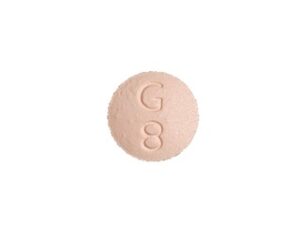


Hyplon (Zaleplon) — Patient Information (UK)
Hyplon contains zaleplon, a medicine used for short-term treatment of sleep problems. This guide explains what Hyplon is, how it works, how to take it safely, and what to consider regarding food, alcohol, other medicines, and practical sleep habits.
This information is written for people in the United Kingdom and is intended to be helpful and patient-friendly. It does not replace advice from a healthcare professional. If you are unsure about any aspect of your treatment, speak to a doctor, pharmacist, or other qualified healthcare professional.
1) Basic product information
| Item | Details |
|---|---|
| Medicine name | Hyplon |
| Active ingredient | Zaleplon |
| Medicinal class | Hypnotic/sleep medicine (a “Z-drug”) |
| Common formulation | Oral capsules (strengths may vary by product pack) |
| Typical goal | Helps you fall asleep more quickly |
| Typical duration | Short-term use, usually for difficulty getting to sleep |
2) How Hyplon works (mechanism of action)
Zaleplon is part of the “Z-drug” group of medicines used for insomnia. It works by acting on the brain’s GABA-A receptor system. Specifically, zaleplon binds to sites associated with the receptor’s action and helps to reduce brain activity that contributes to wakefulness.
This promotes sleep onset and a calming effect, making it easier for some people to fall asleep.
3) Pharmacokinetics (how the body handles it)
Pharmacokinetics describes how the medicine is absorbed, distributed, processed, and eliminated.
- Absorption: Zaleplon is absorbed after oral dosing. How fast it reaches peak levels can be affected by food.
- Peak effect timing: The medicine is designed to help with sleep initiation. Peak blood levels are reached relatively quickly in most people.
- Metabolism: Zaleplon is metabolised mainly in the liver (with metabolism pathways involving enzymes such as CYP3A4 and others).
- Elimination: Metabolites are removed via the kidneys and partly via bile/feces depending on metabolism.
- Half-life: Zaleplon is typically considered a relatively short-acting option compared with some other sleep medicines, which can influence its use for getting to sleep and sometimes for brief awakenings.
If you have liver or kidney problems, the medicine may be handled differently in your body. A healthcare professional may advise a cautious approach or adjusted dosing.
4) Typical use in insomnia
Hyplon is used to help treat insomnia, commonly where there is difficulty falling asleep. Some sleep medicines can also be used when waking during the night, but suitability depends on the individual product, your sleep pattern, and safety considerations.
In the UK, clinical practice generally encourages that hypnotic medicines:
- are used for the shortest possible time,
- are reviewed regularly,
- are combined with appropriate sleep advice (for example, sleep hygiene and, when needed, therapies such as CBT-I).
5) When to take Hyplon (timing guidance)
For best effect, timing is important. In general:
- Take Hyplon immediately before going to bed, or when you are sure you will be able to sleep for long enough.
- Do not take it if you expect to be awake for a period soon after taking it.
- Ensure you have a suitable opportunity for uninterrupted sleep.
Important: If you wake up and must stay alert (e.g., to drive or operate machinery), be careful—sleep medicines can impair reaction time even after you feel awake.
6) Food interactions
Food can affect how quickly zaleplon works. Taking it with or after a meal may slow the onset of action, which can reduce its effectiveness for helping you fall asleep quickly.
- To support faster sleep onset, many people are advised to take it when the stomach is not fully full (for example, just before bedtime rather than after a large meal).
- If you notice that Hyplon does not work as well for you, discuss timing and meals with a pharmacist or doctor.
7) Alcohol and other medicine interactions
Alcohol
Combining Hyplon with alcohol can significantly increase the risk of:
- excess sedation and impaired breathing
- falls and accidents
- amnesia (memory gaps)
- unusual behaviours during sleep
It is strongly recommended that you avoid alcohol while taking Hyplon.
Other medicines that may interact
Some medicines can increase sedation, alter zaleplon levels, or affect your alertness. Always check with a pharmacist before combining Hyplon with other medicines.
Particular care is needed with:
- Opioid pain medicines (e.g., morphine, oxycodone) and other medicines that depress the central nervous system
- Other sedatives, including some antihistamines that cause drowsiness
- Antipsychotics, some antidepressants, and other psychiatric medicines (depending on the individual)
- Medicines that affect liver enzymes that may change zaleplon blood levels
Do not start, stop, or adjust doses of other medicines without advice, as interactions can be complex.
8) Indications (what Hyplon is used for)
Hyplon (zaleplon) is indicated for the treatment of insomnia in adults, particularly where difficulty arises in sleep initiation.
It is not intended as a long-term daily solution. If insomnia persists beyond the planned short course, you should seek medical review to address underlying causes and to reduce dependency and side effects.
9) Dosing: how much to take
Dose can vary based on age, other medical conditions, and how you respond to treatment. A clinician may recommend one of the authorised strengths and a dosing schedule.
General principles:
- Use the lowest effective dose.
- Do not take more than prescribed.
- Take it once in the evening when preparing for sleep, rather than multiple doses.
Special populations:
- Elderly people: are often more sensitive to sedation; dosing may be lower.
- Liver impairment: may require a reduced dose or a different approach.
- Concomitant sedating medicines: may require extra caution.
If you miss a dose, typically do not take an extra dose to compensate. Take advice from a pharmacist or healthcare professional for your situation.
10) Safety profile: side effects and risks
Like all medicines, Hyplon can cause side effects. Many people experience mild effects, but some risks require careful attention—especially because zaleplon is designed to affect sleep and brain activity.
Common side effects
- Daytime drowsiness or tiredness
- Headache
- Dizziness
- Nausea or stomach upset
Less common but important effects
- Memory problems (amnesia), particularly if taken and you do not get full sleep
- Unusual behaviours during sleep (see “sleep-related complex behaviours” below)
- Rebound insomnia (symptoms may feel worse after stopping)
Serious warning signs—seek urgent help
Contact urgent medical services or seek immediate advice if you experience:
- trouble breathing, severe excessive sleepiness, or inability to wake
- severe confusion
- dangerous behaviours or severe agitation
- signs of an allergic reaction such as swelling of the face/lips, rash, or difficulty breathing
Sleep-related complex behaviours (important)
As with other hypnotic medicines, some people have reported sleep-related complex behaviours such as:
- sleepwalking
- sleep-driving
- preparing/consuming food while not fully awake
- making phone calls or other activities without later memory
The risk may be higher if you combine Hyplon with alcohol or other sedating medicines, or if you take it when you cannot get a full night’s sleep.
Stop taking Hyplon and seek urgent medical advice if you (or someone else) notice these behaviours.
Dependence and withdrawal considerations
Sleep medicines can potentially lead to tolerance (needing higher doses for the same effect) and dependence. Using the medicine for short periods and regularly reviewing treatment helps reduce these risks.
Do not abruptly stop if you’ve taken it regularly for more than a short course—ask a pharmacist or doctor for guidance on safe discontinuation.
11) Practical tips for safer, more effective use
- Plan your sleep window: ensure you can go to bed and get enough uninterrupted sleep.
- Avoid “double dosing”: do not combine multiple sleep medicines unless advised.
- Do not drive after taking Hyplon if you feel drowsy or not fully alert. Even if you think you are awake, reaction time may be impaired.
- Create a wind-down routine: dim lights, reduce screen time, keep the bedroom cool and quiet.
- Limit caffeine: especially in the afternoon and evening.
- Keep alcohol out: avoid alcohol on nights you take Hyplon.
- Track results: note when you took it, bedtime, and whether you fall asleep easily. This can help your clinician adjust timing.
12) Alternative options for insomnia in the UK
Depending on the cause of insomnia, options may include:
- Non-medicine approaches (often first-line): cognitive behavioural therapy for insomnia (CBT-I) and sleep hygiene strategies.
- Other sleep medicines: there are different classes (some with longer action, some shorter). Choice depends on symptoms (trouble falling asleep vs. staying asleep) and risk profile.
- Treatment of underlying causes: pain, anxiety, depression, restless legs, sleep apnoea, or medication side effects may contribute to insomnia.
- Review of bedtime habits: late meals, caffeine, irregular schedules, and naps can all worsen sleep.
A pharmacist can also advise on suitable over-the-counter approaches (where appropriate). However, remember that some antihistamines can cause next-day drowsiness and may not be suitable for everyone.
13) UK market and legal context (patient-friendly overview)
In the UK, prescription-only and controlled access medicines are regulated to ensure safe use. Hyplon is an authorised medicine and is supplied through appropriate channels.
UK prescribing and supply practices typically follow guidance that includes:
- Assessing the cause of insomnia before starting medication
- Using the lowest effective dose for the shortest duration
- Regular review of benefits and harms
- Special caution in older adults, those with breathing disorders, and those using other sedatives
Patients are encouraged to seek medical review if insomnia persists, worsens, or changes character (for example, nightmares, behavioural changes, or daytime impairment).
14) Recent guidance and safety updates (general themes)
Across Europe and the UK, guidance and safety communications for hypnotic medicines commonly emphasise:
- Risk of impaired coordination and next-day effects
- Risk with alcohol and opioids (increased sedation and respiratory risk)
- Sleep-related complex behaviours
- Dependence potential and the importance of short-term use
- Consideration of non-drug therapies for longer-term improvement
If you have been taking Hyplon, it is reasonable to ask a pharmacist or doctor whether your current plan still matches the latest best practice for your circumstances.
15) Delivery and availability in the United Kingdom
Hyplon availability depends on supply routes and local regulations. Online pharmacies may provide delivery to UK addresses where permitted. Delivery options typically include:
- Standard delivery (next available working days, depending on location)
- Tracked delivery for added security
- Discreet packaging to protect privacy
Important: Availability and dispatch times can vary by strength, pack size, and stock levels. Check the product listing for current expected dispatch and delivery estimates.
16) Hyplon FAQ
Can I take Hyplon every night?
Hyplon is generally intended for short-term insomnia treatment. Nightly long-term use can increase risks such as dependence and rebound insomnia. If you feel you need it for longer, you should seek review to confirm the best strategy for your situation.
How quickly does Hyplon work?
Zaleplon is designed to help with sleep onset. The speed and strength of effect can vary, and food can slow onset. For best results, follow the timing advice provided with your treatment plan.
What if I wake up during the night?
Whether and how to take additional doses for night-time waking depends on your specific dosing plan and your risk factors. Do not take extra doses without advice. Talk to a pharmacist if you have recurring night awakenings.
Is it safe to drive after taking Hyplon?
If you have taken Hyplon, you should not drive if you feel drowsy, slowed, dizzy, or not fully alert. Sleep medicines can affect reaction time. When in doubt, do not drive and seek advice.
Can I take Hyplon with painkillers?
Some painkillers—especially opioids—can increase sedation and respiratory risks when combined with hypnotic medicines. Always check with a pharmacist, and be especially cautious with opioid medicines.
Can I drink alcohol while taking Hyplon?
No. Avoid alcohol because it can greatly increase side effects such as drowsiness, impaired breathing, and unusual sleep behaviours.
What are signs I should stop and get urgent help?
Get urgent help if you experience severe breathing problems, inability to wake, serious confusion, or dangerous sleep behaviours (such as sleepwalking or sleep-driving). Also seek urgent advice for allergic reactions.
Will Hyplon cure insomnia permanently?
Hyplon can help with symptoms in the short term, but lasting improvement usually involves identifying and addressing underlying causes and using evidence-based sleep strategies. Consider asking about CBT-I and managing contributing factors.
Are there alternatives if Hyplon doesn’t suit me?
Yes. Options may include other sleep medicines with different profiles, as well as non-medicine treatments like CBT-I and sleep hygiene measures. Your pharmacist or doctor can help you choose the most suitable option.
Does Hyplon interact with antidepressants or antipsychotics?
Some psychotropic medicines can increase sedation or affect brain activity. Interactions are not the same for every combination. A pharmacist can review your specific medicines and advise on safety.
How should Hyplon be stored?
Follow the storage instructions on the pack. Generally, medicines should be stored as directed on the label and kept out of sight and reach of children.
Need advice? If you have questions about Hyplon’s suitability, side effects, or how it fits with your other medicines, speak to a pharmacist. They can help you make a safer plan for sleep.