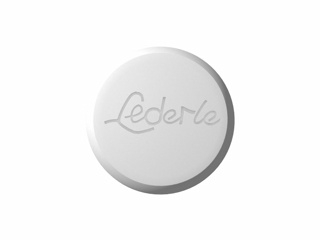
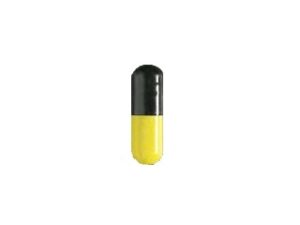

Artane (Trihexyphenidyl) – Patient-Friendly Guide (UK)
Artane is a medicine containing trihexyphenidyl, an antimuscarinic drug used to help control certain movement problems. It works by restoring balance in brain signals that affect muscle control. This guide explains what Artane is used for, how it works, how it behaves in the body, how to take it safely, and what to consider with food, alcohol and other medicines.
This information is designed for patients and carers in the United Kingdom. It does not replace advice from your healthcare professional.
1. Basic product information
| Item | Details |
|---|---|
| Medicine name | Artane |
| Active ingredient | Trihexyphenidyl |
| Medicine type | Antimuscarinic / anticholinergic (for movement disorders) |
| Common formulation | Tablets (strengths may vary by product packaging) |
| Use in the UK | Movement-related symptoms in Parkinsonism and certain drug-induced movement disorders |
2. How Artane works (mechanism of action)
Movement is regulated by chemical messengers in the brain, including acetylcholine and dopamine. In conditions such as Parkinson’s disease and drug-induced parkinsonism, the balance between these signals may be disturbed.
Trihexyphenidyl works as an antimuscarinic medicine. It blocks muscarinic (acetylcholine) signals. By reducing “overactivity” of acetylcholine relative to dopamine, it may:
- reduce muscle stiffness (rigidity)
- help with tremor (shaking) in some people
- reduce abnormal movements and spasms related to drug-induced movement disorders
- improve overall control of certain Parkinsonian symptoms
Not everyone responds in the same way. Some people notice the greatest benefit in tremor or stiffness; others may see less effect.
3. Pharmacokinetics (what the body does to the medicine)
Pharmacokinetics describes absorption, distribution, metabolism, and elimination. While exact figures can vary by individual, the key points below help you understand general behaviour.
Absorption
Trihexyphenidyl is taken by mouth and is absorbed from the gastrointestinal tract. Taking it with or without food may influence how quickly effects begin for some individuals (see Food interactions below).
Distribution
The medicine can cross into the central nervous system, which is important for its effects on movement symptoms.
Metabolism
Trihexyphenidyl is metabolised mainly in the liver. Liver impairment may increase exposure in some people, increasing the chance of side effects.
Elimination
Metabolites are eliminated largely via the kidneys. Kidney disease may affect clearance in certain cases, so your clinician may adjust your dose.
Onset and duration of action
Some people notice benefit within hours after a dose, but full effects can take days to weeks as dose adjustments are made. The total duration of effect depends on the prescribed dosing schedule.
4. Typical use and indications (what Artane is for)
Artane is used to treat symptoms related to impaired movement control. In the UK, its use includes:
Common indications
- Parkinson’s disease and Parkinsonism symptoms such as tremor and stiffness.
- Drug-induced parkinsonism caused by antipsychotic or other medicines that affect dopamine pathways.
- Drug-induced extrapyramidal symptoms such as certain movement abnormalities (as advised by your healthcare professional).
- Sometimes used for specific movement disorders where antimuscarinic treatment is appropriate.
Your healthcare professional will decide whether Artane is suitable based on your symptoms, age, other health conditions, and other medicines you take.
5. Timing: how and when to take Artane
Take Artane exactly as directed on your label. Doses are often started low and increased gradually to reduce side effects.
Practical timing guidance
- Try to take doses at consistent times each day.
- If you experience drowsiness or dizziness, consider timing doses to reduce daytime impact (discuss with your clinician).
- If you miss a dose, follow the instructions on your dispensing label or ask your pharmacist for advice.
- Do not suddenly stop without advice. Stopping abruptly may worsen symptoms.
For many people, the dosing schedule may involve multiple doses throughout the day. Your clinician will tailor the plan to your symptom control and tolerability.
6. Dosing (general principles)
Dosing varies by patient and condition, and should be individualised. Some people may start at a low dose and gradually increase until symptoms are controlled.
Important dosing principles
- Start low, go slow: early side effects (such as dry mouth, blurred vision, constipation) are more likely when doses are increased too quickly.
- Follow titration guidance from your prescriber or pharmacist.
- Check dose changes whenever you add, stop or change other medicines.
Because dosing schedules differ, always rely on your labelled instructions. If you are unsure about how much to take or when, speak to a pharmacist before adjusting your dose.
7. Food interactions
Food can influence comfort and tolerability for some people. While trihexyphenidyl can usually be taken with or without food, the key considerations are:
- Swallowing comfort: take with water and consider taking with a snack if you experience stomach upset.
- Consistency matters: if you notice effects change with meals, keep the same routine day-to-day.
- Gastrointestinal effects: Artane can cause constipation and reduced gut motility. Staying hydrated and including fibre may help.
If you are using a specific meal schedule (e.g., for diabetes), check with your pharmacist whether any adjustments are recommended.
8. Alcohol and medicine interactions
Alcohol
Alcohol may increase the risk of side effects such as drowsiness, dizziness, confusion or blurred vision when combined with antimuscarinic medicines. It may also worsen dehydration and constipation.
If you drink alcohol, do so cautiously and avoid driving or operating machinery until you know how Artane affects you.
Other medicines: important interaction themes
Trihexyphenidyl can interact with other medicines in two broad ways:
- Additive anticholinergic effects (e.g., worsening dry mouth, constipation, urinary retention, blurred vision, confusion).
- Effects on movement control depending on how other medicines act on the brain.
Examples of medicines that may increase side-effect risk
- Other anticholinergic medicines (some allergy medicines, overactive bladder treatments, certain antidepressants, antipsychotics with anticholinergic properties).
- Medicines that affect the central nervous system and may cause drowsiness.
- Some treatments for nausea, travel sickness or stomach cramps that have antimuscarinic actions.
- Medicines that can cause urinary retention or constipation.
Always tell your pharmacist
Provide a list of all medicines you take, including over-the-counter products and supplements. This helps your pharmacist check for interactions and advise on safe timing where needed.
9. Safety profile: common and serious side effects
Like all medicines, Artane can cause side effects. Many are dose-related and may improve if your dose is reduced or increased more slowly.
Common side effects
- Dry mouth
- Constipation
- Blurred vision
- Dizziness
- Nausea or mild stomach discomfort
- Reduced sweating (heat intolerance)
- Urinary difficulty (especially in men with prostate enlargement)
- Confusion or trouble concentrating (more likely in older adults)
Serious side effects (seek urgent medical advice)
Contact urgent medical help or seek immediate advice if you experience:
- Severe confusion, agitation, hallucinations, or rapid worsening mental state
- Severe constipation, abdominal swelling, or inability to pass wind
- Signs of heat illness (very hot skin, high temperature, fainting) especially in hot weather
- Difficulty urinating or painful urinary retention
- Eye pain or sudden change in vision (possible acute eye problems requiring prompt treatment)
Risk groups where extra caution is needed
- Older adults (higher likelihood of confusion and constipation)
- People with glaucoma or at risk of narrow-angle glaucoma
- People with enlarged prostate or urinary retention history
- People with bowel obstruction or severe constipation
- People with cognitive impairment or delirium risk
If you have any of the conditions above, your clinician will weigh benefits and risks and may choose an alternative.
10. Practical use tips (help reduce side effects)
Dry mouth
- Keep water nearby and sip regularly.
- Consider sugar-free chewing gum or lozenges.
- Maintain good oral hygiene.
Constipation
- Increase fluid intake where appropriate.
- Add fibre gradually (e.g., fruit, vegetables, whole grains).
- Regular gentle activity can help bowel movement.
- If you become constipated, speak to your pharmacist early for appropriate treatment advice.
Blurred vision and dizziness
- Be careful with driving, cycling and using tools until you know how you respond.
- If vision blurs, avoid tasks needing sharp focus.
Heat intolerance
- Avoid overheating and prolonged hot baths or saunas.
- Use cooling measures in hot weather and wear breathable clothing.
- Stay hydrated.
Urinary problems
- Report difficulty passing urine early.
- Seek urgent advice if you cannot pass urine.
Consistency and recording
- Keep a simple diary of symptom control and side effects, especially during dose changes.
- Bring it to reviews so your clinician can fine-tune treatment.
11. Alternative options
The most suitable option depends on the underlying cause of your movement symptoms and your medical history. If Artane isn’t tolerated or isn’t effective enough, clinicians may consider alternatives such as:
For Parkinson’s-related symptoms
- Other Parkinson’s medicines that target dopamine pathways and related mechanisms (e.g., levodopa-based treatments, dopamine agonists, MAO-B inhibitors, and others—depending on your situation).
- Adjustment of current Parkinson’s therapy to improve tremor control or stiffness.
For drug-induced movement disorders
- Reviewing and adjusting the trigger medicine where possible with the prescriber.
- Other treatments used for extrapyramidal symptoms depending on severity and diagnosis.
- Supportive therapies and dose changes to reduce side effects.
Discuss alternatives with your healthcare professional. Switching medicines without guidance can worsen symptoms or increase side effects.
12. UK market and legal context (what to expect)
In the United Kingdom, medicines like Artane are regulated under the UK medicines framework. Availability, prescribing requirements and pharmacy supply practices depend on the specific product, strength and local regulations.
For online pharmacy orders, you may be asked to verify details to ensure safe supply, such as confirming your medicine, dosage instructions and medical history. A pharmacist may also contact you if there are safety concerns or missing information.
Recent guidance and clinical practice notes
Movement disorder care in the UK follows specialist guidance and evidence-based practice. Antimuscarinic medicines like trihexyphenidyl are used selectively, particularly when tremor or certain extrapyramidal symptoms respond to anticholinergic treatment. In older adults, clinicians often balance symptom benefit against the increased risk of cognitive effects and constipation.
If you are being treated for Parkinson’s disease or drug-induced movement disorders, your care team may periodically review your regimen to ensure the lowest effective dose and to reassess side effects.
13. Delivery and availability in the UK
Artane (trihexyphenidyl) may be available through UK pharmacies and online pharmacy services, subject to stock levels and supply arrangements. Availability can change due to manufacturing schedules, packaging updates, or medicine supply issues.
- Stock status may be displayed at checkout.
- Delivery times depend on your location and the delivery service selected.
- In some situations, your order may be split or delayed if stock is temporarily unavailable—your pharmacy should keep you informed.
If you need urgent continuity of medication, contact the pharmacy support team before ordering.
14. Frequently Asked Questions (FAQ)
How long does it take for Artane to work?
Some people notice symptom changes after starting, but effective control often requires gradual dose adjustments. Speak with your clinician if you don’t notice improvement after the planned titration period.
Can I take Artane with food?
Yes, it can usually be taken with or without food. If you notice stomach upset, taking it with a small snack may help. Try to keep your routine consistent.
What should I do if I miss a dose?
Follow the instructions on your dispensing label. If you are unsure, ask your pharmacist. In general, do not take a double dose to make up for a missed one.
Will Artane make me sleepy?
Some people feel dizzy or less alert. Others feel fine. Until you know how it affects you, take extra care with driving and other tasks.
What are the most common side effects?
Dry mouth, constipation, blurred vision and dizziness are among the more common effects, reflecting its antimuscarinic action.
Can I drink alcohol while taking Artane?
Alcohol can increase the risk of side effects like dizziness and confusion. If you choose to drink, do so cautiously and avoid driving until you know how you respond.
Does Artane affect constipation or urination?
Yes. Artane can slow bowel activity and may contribute to constipation. It can also make it harder to urinate, particularly if you have prostate enlargement. Report severe symptoms promptly.
Is Artane safe for older adults?
Older adults may be more sensitive to antimuscarinic side effects such as confusion and constipation. Clinicians may start with a lower dose and monitor closely.
What if I experience blurred vision or eye pain?
Seek urgent medical advice if you develop significant eye pain or sudden changes in vision. Do not ignore these symptoms.
What medicines should I avoid or be careful with?
Tell your pharmacist about all medicines you take, including over-the-counter products. Extra caution is needed with other anticholinergic medicines and medicines that cause drowsiness, as combined effects can increase side-effect risk.
Are there alternatives to Artane?
Depending on why you’re taking it, alternatives may include other Parkinson’s medicines or different approaches for drug-induced movement disorders. Discuss options with your healthcare professional.
15. Key takeaways
- Artane (trihexyphenidyl) is an antimuscarinic medicine used to treat specific movement symptoms.
- It can help with tremor and stiffness for some people, and with certain drug-induced movement problems.
- Common side effects include dry mouth, constipation and blurred vision.
- Extra caution is needed for older adults and people with glaucoma, urinary retention, or significant constipation.
- Keep your dosing schedule consistent, and contact a pharmacist if side effects become troublesome.
If you have any questions about taking Artane, side effects, or interactions with your current medicines, a UK pharmacist can help you find the safest way to use your treatment.