

Celebrex (Celecoxib) — Patient-Friendly Guide (UK)
Celebrex is the brand name for celecoxib, a medicine from the NSAID (non-steroidal anti-inflammatory drug) family. It is used to reduce pain and inflammation, particularly for certain long-term joint conditions and for short-term pain due to flare-ups or injuries.
This guide explains how Celebrex works, how it is used, what to expect, and key safety information. It is written for patients in the United Kingdom.
Basic product information
| Feature | Details |
|---|---|
| Medicine name | Celebrex (celecoxib) |
| Medicinal type | NSAID (COX-2 selective) |
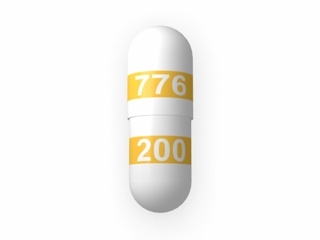
| Available strengths | Commonly 100 mg and 200 mg capsules (availability can vary by supplier) |
| How it is taken | By mouth, usually 1–2 times daily depending on indication |
| What it helps with | Pain and inflammation, mainly in arthritis and other musculoskeletal conditions |
Important: Medicines affect people differently. Always follow the directions given for your specific situation and read the patient information leaflet supplied with your product.
How Celebrex works (mechanism of action)
Inflammation and pain signals in the body involve enzymes called COX enzymes (cyclo-oxygenases), which help produce prostaglandins. Prostaglandins contribute to:
- Pain
- Swelling and inflammation
- Fever
- In the stomach and gut, protection of the lining
Celecoxib is relatively selective for COX-2, a key enzyme in inflammation-related prostaglandin production. By reducing COX-2 activity, Celebrex:
- Reduces inflammation
- Helps relieve pain
- May cause less stomach irritation than non-selective NSAIDs (though stomach and gut risks still exist)
Pharmacokinetics (how the body handles it)
Understanding timing and metabolism may help you use Celebrex more effectively.
Absorption
- Celecoxib is absorbed after oral dosing.
- Food can affect the speed of absorption, which may influence how quickly you feel relief.
Distribution
- It distributes through the body and binds to plasma proteins.
Metabolism
- Celecoxib is primarily metabolised in the liver, mainly by CYP2C9.
- Medicines that inhibit or induce CYP2C9 may change celecoxib levels.
Elimination
- It is eliminated mainly via the kidneys and bile as metabolites.
- Age, liver function, and kidney function can affect exposure.
Practical meaning: People with certain liver or kidney problems may need dose adjustments and closer monitoring.
Typical use in the UK
Celebrex is generally used for conditions where inflammation and pain are central. Common therapeutic uses (depending on your clinician’s assessment and your specific product pack) include:
- Osteoarthritis (painful degeneration of joint cartilage and underlying bone)
- Rheumatoid arthritis (inflammatory autoimmune arthritis)
- Ankylosing spondylitis (inflammatory spine condition)
- Acute pain conditions such as short-term flare-ups, as clinically appropriate
Note: Indications can vary by country, product authorisation, and individual patient circumstances. Your local pharmacist can help confirm what your specific Celebrex pack is intended for.
When to take Celebrex (timing & daily routine)
Timing depends on the prescribed schedule (for example, once daily or twice daily). The goal is to maintain consistent relief without exceeding safe dosing.
General timing principles
- Try to take it at the same times each day to keep steadier drug levels.
- If you take it twice daily, try to space the doses roughly evenly (e.g., morning and evening).
- If you miss a dose, take it when you remember unless it is close to the next dose. Avoid doubling.
How soon it may work
- Some people feel pain relief within hours, but optimal benefit may take days depending on the condition.
- For chronic arthritis, improvement often builds over time.
Food interactions (what to eat and when)
Food can influence absorption speed—it doesn’t necessarily remove the benefit, but it can affect how quickly you feel effects.
- If you take Celebrex with food, it may be absorbed slightly more slowly but usually tolerated well.
- If you take it on an empty stomach, some people may notice effects sooner, but gastrointestinal tolerability may be less predictable.
Practical tip: If you experience stomach discomfort, consider taking Celebrex with food or after a meal (unless your healthcare professional advises otherwise).
Alcohol interactions (and why moderation matters)
Alcohol can increase the risk of stomach irritation and contribute to bleeding risk when combined with NSAIDs. It can also affect the liver, and celecoxib is metabolised in the liver.
- It is generally safest to limit alcohol while taking Celebrex.
- If you drink alcohol regularly or heavily, discuss risk factors with a healthcare professional.
- Avoid binge drinking, especially during the early days of treatment.
Seek urgent medical help if you develop vomiting blood, black tarry stools, or severe stomach pain after alcohol combined with an NSAID.
Medicine interactions (important combinations)
Some medicines can raise celecoxib levels or increase bleeding, kidney, or cardiovascular risk. Always tell your pharmacist about all medicines you take, including over-the-counter products.
Common interaction categories
- Other NSAIDs (e.g., ibuprofen, naproxen, diclofenac): increased GI and kidney risk. Avoid unless specifically advised.
- Aspirin in higher doses: may increase bleeding and stomach risks.
- Blood thinning medicines (e.g., warfarin): increased bleeding risk; monitoring may be needed.
- Antiplatelet agents (e.g., clopidogrel): increased bleeding risk.
- Selective serotonin reuptake inhibitors (SSRIs) (e.g., sertraline, citalopram): may increase bleeding risk.
- SNRIs (e.g., venlafaxine): similar bleeding risk concerns.
- Diuretics (water tablets) and blood pressure medicines: NSAIDs can sometimes reduce effectiveness and affect kidney function—particularly in older adults or those with dehydration.
- CYP2C9 inhibitors (e.g., some antifungals and other medicines): may raise celecoxib levels.
- CYP2C9 inducers: may reduce effect.
“Look-alike” medicines to double-check
- Cold and flu remedies may contain additional NSAIDs or aspirin.
- Combination painkillers may include paracetamol plus other ingredients—check labels carefully.
Dosing (how much and how often)
Dosing varies by age, diagnosis, severity of symptoms, and risk factors. Follow your prescriber’s directions and the product label.
General principles
- Use the lowest effective dose for the shortest duration needed to control symptoms.
- Do not exceed the maximum daily dose listed for your pack.
- If you have cardiovascular risk or kidney concerns, your clinician may aim for the lowest effective dose.
Typical adult schedules (examples)
Many adults are prescribed regimens such as:
- Osteoarthritis: often 200 mg daily (may be adjusted)
- Rheumatoid arthritis / Ankylosing spondylitis: often 200 mg twice daily (may be adjusted)
- Some acute pain situations: dosing can differ; follow your specific instructions
Because dosing is individual: your safest reference is the dose on your own pack and the instructions you were given.
Safety profile (what to watch for)
Like all NSAIDs, celecoxib can cause side effects. Some are more serious and require prompt attention.
Common side effects
- Indigestion, heartburn
- Nausea
- Abdominal discomfort
- Headache
- Dizziness (in some people)
- Swelling of feet/ankles may occur (fluid retention)
Serious risks (important)
NSAIDs—including COX-2 selective agents—may increase risk of:
- Cardiovascular events (e.g., heart attack, stroke), particularly with higher doses or longer use, and in people with existing risk factors.
- Gastrointestinal bleeding or ulcers (stomach or bowel). Risk is higher with a history of ulcer/bleeding, older age, and use of other medicines that increase bleeding.
- Kidney problems, especially if dehydrated or if you already have kidney disease, heart failure, or are taking certain blood pressure medicines/diuretics.
- Allergic reactions (rash, swelling, wheezing) — seek urgent help for signs of severe allergy.
- Serious skin reactions (rare): blistering rash, skin peeling, mouth sores.
- Liver issues (rare): yellowing of eyes/skin, dark urine, severe fatigue.
Red-flag symptoms — get urgent medical help
- Chest pain, sudden shortness of breath, weakness on one side of the body, or trouble speaking
- Black tarry stools, vomiting blood, or severe persistent stomach pain
- Marked reduction in urine, severe swelling, or sudden weight gain
- Swelling of face/lips, difficulty breathing, or widespread rash
- Yellow eyes/skin or dark urine
Do not wait if you experience symptoms like these.
Practical tips for using Celebrex safely
- Review your full list of medicines: include supplements and over-the-counter products.
- Avoid “double NSAIDs”: don’t take ibuprofen/naproxen/diclofenac together with celecoxib unless explicitly advised.
- Stay hydrated, especially during hot weather, illness, or if you have reduced appetite.
- Take with food if you get indigestion.
- Monitor your blood pressure if you have hypertension, as NSAIDs can affect fluid balance and blood pressure in some people.
- Watch for bleeding risk if you take anticoagulants, antiplatelets, or antidepressants that affect bleeding.
- Inform your dentist/clinician if you have a procedure planned—NSAIDs can affect bleeding and healing considerations.
Alternative options
If Celebrex is not suitable or doesn’t give enough relief, several alternatives may be considered depending on your condition and medical history:
Other NSAIDs
- Non-selective NSAIDs (e.g., ibuprofen, naproxen): may be effective but can increase gastrointestinal risk.
- Topical NSAIDs (e.g., diclofenac gel): useful for some localised joint pain with less systemic exposure.
Non-NSAID pain relief
- Paracetamol (acetaminophen): may help pain, though it generally provides less anti-inflammatory effect.
- Joint-support measures: physiotherapy, exercise programmes, heat/cold, weight management.
Disease-modifying options (for inflammatory arthritis)
- Conditions such as rheumatoid arthritis typically involve specialist long-term treatment. Anti-inflammatory medicines may be symptom relief while disease-modifying therapy is used to control the underlying condition.
Discuss with a healthcare professional to choose the safest option based on your heart, stomach, kidney, and medicine history.
Market and legal context in the UK
In the UK, NSAIDs and similar medicines are regulated under UK medicines law. For online pharmacy orders, suppliers must follow applicable rules on:
- Customer eligibility checks and safety screening
- Correct product identification and packaging
- Proper supply chain and quality standards
- Clear information on how to use and warnings
Product authorisations and availability can vary over time. Your online pharmacy should provide accurate pack details (strength, formulation, and expiry information) and guidance on safe use.
Recent guidance and safety updates (UK context)
UK healthcare organisations regularly review evidence on the safety of NSAIDs, especially around:
- Cardiovascular risk (heart attack and stroke) related to dose and duration
- Gastrointestinal bleeding, particularly in older adults or those with ulcer history
- Kidney risks in vulnerable groups
- Appropriate prescribing and monitoring for patients with complex medical backgrounds
Key practical takeaways commonly reinforced in UK safety advice include: use the lowest effective dose, avoid unnecessary prolonged use, and consider stomach and heart/kidney risk factors before starting or continuing therapy.
Delivery and availability
Availability of Celebrex depends on supplier stock, strength, and formulation. Many online pharmacies in the UK offer:
- Home delivery via tracked services where available
- Estimated delivery dates at checkout
- Options to check stock for the specific strength (e.g., 100 mg or 200 mg)
Tips for ordering:
- Confirm the strength matches what you intend to take.
- Check the pack size (number of capsules) to align with your schedule.
- Store medicines as directed on the pack (usually at room temperature away from moisture).
FAQ — Celebrex (Celecoxib)
1) Is Celebrex a steroid?
No. Celebrex contains celecoxib, an NSAID. It is not a corticosteroid.
2) How long does it take to start working?
Some people notice pain relief within hours, but for many conditions, the best effect may take several days. If you feel no benefit after an appropriate trial, speak to a healthcare professional.
3) Can I take Celebrex with food?
Yes, taking Celebrex with food is often well tolerated and may reduce stomach discomfort. Food may affect how quickly it is absorbed.
4) Can I take ibuprofen or naproxen at the same time?
In general, it’s best to avoid combining NSAIDs (such as ibuprofen or naproxen) with celecoxib unless your healthcare professional has specifically instructed you to do so.
5) Can I drink alcohol while taking Celebrex?
Moderation is recommended. Alcohol may increase risk of stomach irritation and bleeding and can add stress to the liver. If you plan to drink, keep amounts small and avoid binge drinking.
6) What should I do if I miss a dose?
Take it as soon as you remember unless it is close to the next dose. Do not double up to make up for a missed capsule.
7) What are the warning signs of stomach bleeding?
Watch for black tarry stools, vomiting blood, or severe persistent stomach pain. If these occur, seek urgent medical help.
8) Who should be extra careful with Celebrex?
Extra caution is needed if you have a history of stomach ulcer/bleeding, heart disease or stroke, high blood pressure, kidney problems, dehydration, liver disease, or if you take anticoagulants/antiplatelets or certain antidepressants.
9) Can Celebrex affect my blood pressure?
It can in some people. If you monitor blood pressure, keep an eye on readings, particularly after starting treatment or changing dose.
10) Are there alternatives if Celebrex isn’t suitable?
Yes. Options may include other NSAIDs (with different risk profiles), topical treatments, paracetamol, and non-drug strategies. For inflammatory arthritis, symptom relief and disease-targeted therapies can be different.
Final reminder: This page is for general information. If you are unsure whether Celebrex is right for you—especially if you have heart, stomach, kidney, liver problems, or take multiple medicines—please discuss your situation with a healthcare professional.