Aczone (Diaminodiphenyl sulfone) – Patient Information (UK)
Aczone contains diaminodiphenyl sulfone (commonly known as dapsone). It is a medicine used in the treatment of certain inflammatory skin conditions. This page explains what Aczone is, how it works, how to use it safely, and what to expect.
Please note: product availability and exact strength may vary. Always follow the instructions provided with your product and consult a healthcare professional if you are unsure.
Quick overview
- Medicine: Aczone (diaminodiphenyl sulfone / dapsone)
- Common use: Treatment of inflammatory acne (and sometimes other specific inflammatory skin conditions as advised)
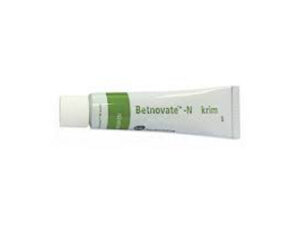
- Form: Usually applied to the skin as a topical gel (typical strengths exist; check your pack)
- Onset: Improvement may take weeks; early changes can be subtle
- Safety highlights: Local skin irritation is common; systemic side effects are less likely with topical use, but uncommon risks still exist
What is Aczone?
Aczone is a topical medicine containing diaminodiphenyl sulfone (dapsone). It is designed to reduce inflammation and help control certain skin eruptions. Aczone is typically used when acne is characterised by inflamed spots (papules and pustules) and where other approaches may not be sufficient.
How does Aczone work? (Mechanism of action)
The exact mechanism in acne is complex, but Aczone’s activity is largely related to its effects on inflammatory processes. Dapsone has anti-inflammatory and anti-microbial properties:
- Anti-inflammatory action: Helps reduce chemical signals that contribute to inflammation, leading to fewer red, sore lesions.
- Effects on immune cell activity: May reduce the recruitment and activity of inflammatory cells in the skin.
- Support against bacterial involvement: While acne involves multiple factors, Aczone can reduce the impact of organisms linked to inflammation.
Overall, this translates into a gradual decrease in inflamed acne lesions over time.
Pharmacokinetics (how the body handles it)
Because Aczone is applied to the skin, only a small amount is typically absorbed into the bloodstream. How much enters the body can depend on factors such as the area of skin treated, skin condition (e.g. broken or irritated skin), and whether occlusive dressings are used.
- Absorption: Usually limited for topical use; absorption may increase if applied to damaged skin or large areas.
- Distribution: Any absorbed amount distributes through the bloodstream.
- Metabolism and elimination: The absorbed fraction is processed by the body and cleared over time via normal pathways.
For most people using Aczone as directed, systemic exposure is low. If you have liver or blood disorders, or you notice unusual symptoms (such as significant fatigue, shortness of breath, or unusual bruising), seek medical advice promptly.
Typical uses in the UK
Aczone is most commonly used for acne vulgaris—particularly inflammatory acne—when appropriate based on clinician assessment. It may also be considered for other inflammatory or specialised dermatological conditions depending on local guidance and individual suitability.
Your product label and your healthcare professional’s advice should clarify the intended use for your specific situation.
When to apply (timing and routine)
A practical routine helps you use the medicine consistently and minimise irritation. Always check the directions supplied with your pack. If your clinician provided different instructions, follow those.
- Start gradually: Many people benefit from beginning once daily or every other day for the first 1–2 weeks if skin is sensitive.
- Typical schedule: Often applied once or twice daily depending on the product and prescriber instructions.
- Consistency matters: Continue daily use even if improvement is not immediate.
- Allow drying time: Apply to clean, dry skin and let it absorb before applying other products.
How to fit it into your routine: For many people, applying after washing and before moisturiser helps reduce dryness. If your skin is very dry or irritated, you may need a moisturiser-compatible routine (discuss if unsure).
How to use Aczone (practical steps)
- Wash hands before and after application.
- Cleanse gently with a mild cleanser and pat skin dry (avoid scrubbing).
- Apply a thin layer to affected areas and the surrounding skin where acne tends to occur. Do not over-apply—more medicine is not necessarily better and may worsen irritation.
- Avoid sensitive areas: Keep away from eyes, lips, corners of the nose, and any broken skin unless directed.
- Use with moisturiser: If dryness occurs, a non-comedogenic moisturiser can help.
If you miss a dose, apply it when you remember unless it is close to the next dose. Do not apply double.
Food interactions
For topical Aczone, food interactions are generally not expected because the medicine is applied to the skin and systemic exposure is limited. That said:
- If you are taking other medicines that affect blood or liver function, discuss them with a clinician.
- If you have significant absorption due to extensive application or irritated skin, seek advice about any potential interaction concerns.
There are no typical diet restrictions specifically required for topical use. Maintain a balanced diet and stay hydrated to support skin health.
Alcohol interactions
With topical Aczone, alcohol interactions are unlikely. However, alcohol may worsen some skin conditions indirectly by increasing dehydration or triggering inflammation in some individuals.
- If you experience dizziness, unusual breathlessness, or significant fatigue, stop use and seek medical advice.
- If you also take other medicines that have known alcohol interactions, follow the safety advice for those medicines.
Medicine interactions (general considerations)
Because Aczone is applied to the skin, drug–drug interactions are typically less likely than with oral medicines. Nonetheless, interaction risks may increase if you absorb more medicine than usual (for example, large areas treated, broken skin, or occlusion).
Tell your healthcare professional about all medicines you use, including:
- Other acne treatments (e.g. topical retinoids, benzoyl peroxide, topical antibiotics)
- Medicines that affect blood cells or haemoglobin
- Medicines that affect liver function
- Supplements or herbal products
In practice, combining multiple acne actives can increase irritation. A staged introduction of products often helps. Ask a pharmacist if you plan to use Aczone alongside other strong topical products.
Indications: who Aczone is for
Aczone is used for inflammatory acne as part of a broader acne management plan. It may be recommended when:
- Acne has a significant inflammatory component (red, tender bumps or pustules)
- You need an option that can be used alongside a routine that includes moisturisers and gentle cleansing
- Other therapies have not been sufficient or are not suitable for you
Your clinician will determine the most appropriate treatment based on acne severity, skin type, past treatments, and your overall health.
Dosing information (how much to use)
Dosing can vary by product strength and individual circumstances. Always use the dose stated on your packaging or advised by your healthcare professional. The information below describes common approaches to topical dosing.
| Use | Typical dosing approach | Notes |
|---|---|---|
| Inflammatory acne (topical) | Apply a thin layer to affected areas once daily or twice daily (as instructed) | Start gently if skin is sensitive; avoid eyes and broken skin. |
| Maintenance/continuation | Continue as directed even if improvement is gradual | Stop or adjust only with medical advice if severe irritation occurs. |
Do not increase frequency to speed results. Overuse can cause redness, peeling, or worsening irritation.
When you should start seeing results (timing expectations)
Acne treatments work gradually. While some people notice changes early, a typical pattern is:
- First few weeks: Less soreness and fewer new inflamed spots may appear gradually.
- 4–8 weeks: More noticeable improvement often becomes clearer.
- Up to 12 weeks: Best results may take longer; persistence is important.
If your skin becomes significantly irritated, speak to a clinician or pharmacist about adjusting how you use the product (e.g. reducing frequency or changing the overall routine).
Safety profile and side effects
Like all medicines, Aczone can cause side effects. Many people experience local skin reactions, particularly in the first days or weeks.
Common side effects (topical)
- Dryness
- Redness
- Itching or mild irritation
- Peeling or a tight feeling
- Burning/stinging (often temporary)
Less common or serious concerns
Although systemic side effects are less likely with topical use, it is important to be aware of possible warning signs. Contact a healthcare professional urgently if you develop:
- Severe skin rash, blistering, or swelling
- Signs of allergy (e.g. facial swelling, wheezing, widespread hives)
- Unusual breathlessness, marked fatigue, pale skin, or symptoms suggesting blood changes
- Yellowing of the skin/eyes (jaundice) or severe unusual bruising
Who should be extra cautious?
- People with a history of blood disorders
- People with liver disease
- People who develop significant irritation or intolerance
- Pregnant or breastfeeding individuals should seek clinician advice to confirm suitability
Practical use tips to improve tolerance
- Moisturise: Use a gentle moisturiser to reduce dryness and irritation.
- Introduce gradually: Consider starting once daily, then increasing if tolerated.
- Be careful with other actives: If you use benzoyl peroxide, retinoids, or strong exfoliants, introduce them slowly to avoid “too much at once”.
- Gentle cleansing only: Avoid harsh scrubs and alcohol-based toners.
- Sun protection: Many acne routines increase sensitivity. Use a broad-spectrum sunscreen.
- Check for product stinging: If it stings intensely, reduce frequency and ensure skin is not broken.
If you experience ongoing severe irritation, stop and seek advice rather than continuing to “push through”.
Alternative options for acne (and similar conditions)
Acne management often uses a combination approach. Depending on your acne type and severity, alternatives may include:
- Benzoyl peroxide (helps reduce inflammatory acne and bacteria)
- Topical retinoids (unclog pores and improve turnover)
- Topical antibiotics (commonly used for limited periods with other agents)
- Oral treatments for moderate–severe acne (used when appropriate and under clinician guidance)
- Hormonal options for eligible individuals when acne is hormone-driven
- Skin-care and lifestyle measures such as gentle cleansing, non-comedogenic moisturisers, and sun protection
A pharmacist or dermatologist can help you choose an approach based on the pattern of your acne and your skin tolerance.
UK market and legal context (high-level)
In the United Kingdom, medicines may be classified for supply based on safety requirements. Availability may be limited depending on local regulatory status, strength, and intended use. Online pharmacy listings typically follow applicable UK regulations regarding medicine classification, customer eligibility checks, and safe supply processes.
For the most up-to-date information on whether Aczone is available online for your area and the exact product strength, check the specific listing on this website or contact customer support.
Recent guidance (general acne management direction)
UK acne management continues to emphasise:
- Early, consistent treatment to prevent worsening and scarring
- Use of evidence-based topical treatments as first-line options for many people
- Combination strategies for inflammatory acne where appropriate
- Minimising unnecessary antibiotics and avoiding prolonged monotherapy
- Managing side effects to improve adherence
Local prescribing and guidance can vary; always follow professional advice tailored to your skin.
Delivery and availability (UK online pharmacy)
Availability can depend on stock levels and product format/strength. When ordering online, you typically receive:
- Carefully packaged delivery to help protect the product during transit
- Clear product labelling with usage instructions and storage advice
- Help from a trained pharmacy team if you have questions about how to use the product
Delivery times vary by supplier and courier. If you need your medicine by a particular date, check the estimated delivery window shown at checkout.
Storage and handling
- Store at room temperature unless your specific product label says otherwise.
- Keep the container tightly closed when not in use.
- Keep out of sight and reach of children.
- Do not use after the expiry date shown on the pack.
FAQ
1) How long does it take for Aczone to work?
Many people notice gradual improvement over 4–8 weeks. For best results, continue using as directed for up to 12 weeks (unless side effects are troublesome).
2) Can I use Aczone with other acne treatments?
Often yes, but combining strong acne actives can increase irritation. If you use benzoyl peroxide, retinoids, salicylic acid, or topical antibiotics, introduce products gradually and consider spacing applications (e.g. separate times of day) if advised by a pharmacist or clinician.
3) Will Aczone stain clothes or bedding?
Most topical acne gels do not commonly stain, but formulation and personal factors vary. Let the gel dry fully before getting into bedding or tight clothing, and check how it behaves on your skin first.
4) What if my skin becomes very red or sore?
Reduce frequency (if appropriate), use a moisturiser, and stop if irritation is severe or worsening. Seek advice promptly if you develop swelling, blistering, or signs of allergy.
5) Is it safe to use during pregnancy or breastfeeding?
Safety can depend on the individual situation and product specifics. It’s important to seek clinician advice before using Aczone in pregnancy or while breastfeeding.
6) Do I need to avoid sun?
While Aczone may not be the only cause of sensitivity, many acne routines can increase sun sensitivity or cause irritation. Use broad-spectrum sunscreen and protective clothing, especially during treatment.
7) Can I drink alcohol while using Aczone?
With topical use, a direct interaction with alcohol is unlikely. Still, avoid excessive alcohol if it worsens your skin or health, and seek advice if you experience unusual symptoms.
8) What should I do if I miss a dose?
Apply it when you remember unless it is close to the next dose. Do not apply extra to make up for a missed dose.
9) What are the signs I should get urgent help?
Contact urgent medical help if you develop severe allergic reactions (swelling, wheeze, widespread hives) or severe skin reactions (blistering, widespread rash). Also seek urgent advice for concerning breathlessness, marked tiredness, or yellowing of the skin/eyes.
10) Are there alternatives if I can’t tolerate Aczone?
Yes. Your pharmacist or clinician can suggest other acne treatments such as benzoyl peroxide, topical retinoids, or other options depending on your acne type and severity.
Important: This information is intended to help you understand Aczone. It does not replace advice from a healthcare professional. If you have questions about suitability, side effects, or how to combine products, speak to a pharmacist.