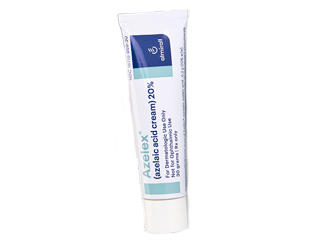
Azelex (Azelaic Acid) — Patient-Friendly Guide (UK)
Azelex contains azelaic acid, a naturally occurring dicarboxylic acid used to treat skin conditions such as acne and certain forms of pigment changes. This guide explains how it works, how to use it safely, what to expect, and key interactions and safety considerations—written for people in the United Kingdom.
If you have sensitive skin, are pregnant or breastfeeding, or have a history of allergies, it’s especially helpful to read the tips and safety sections below carefully. Always follow the instructions supplied with your product and seek medical advice if you are unsure.
Basic product information
| Feature | Typical information |
|---|---|
| Active ingredient | Azelaic acid |
| Brand name | Azelex |
| How it is used | Topical (applied to the skin) |
| Common strengths available | Often supplied as 20% cream (formulations may vary by product) |
| Where it is applied | Generally to affected areas on the face or other areas as advised |
| Common conditions | Acne (including inflammatory lesions), and pigment-related conditions such as melasma/PIH depending on local guidance |
Note: Product strength and presentation can vary. Always check your carton/leaflet for the exact concentration and instructions for your specific Azelex product.
How azelaic acid works (mechanism of action)
Azelaic acid helps skin in several complementary ways. It is not a simple “one-target” medicine—rather, it supports multiple steps involved in acne and uneven pigmentation:
- Anti-bacterial activity: It can reduce the growth of bacteria associated with acne (commonly Cutibacterium acnes).
- Anti-inflammatory effects: It can help calm inflammatory processes that contribute to redness and swelling.
- Helps normalise follicle behaviour: It may reduce abnormal keratinisation, helping unblock pores and reduce new spots.
- Skin-lightening (for pigment concerns): It may reduce the formation of pigments (melanin) and help fade dark marks over time.
- Antioxidant properties: It supports skin’s natural defences against oxidative stress, which can contribute to visible ageing and uneven tone.
Because these effects take time, improvements are usually gradual. Many people notice changes in the first few weeks, while the best results often require continued use.
Pharmacokinetics (what happens in the body)
Azelaic acid is applied to the skin, so most activity is local. When used topically:
- Absorption: Only a small amount is absorbed through the skin in typical use.
- Distribution: Absorbed azelaic acid is distributed throughout the body in limited amounts.
- Metabolism: A portion is broken down into shorter-chain substances (including dicarboxylic acids).
- Elimination: It is largely cleared from the body via the kidneys.
In practice, topical use generally results in low systemic exposure for most people, which supports its role as a well-established skin treatment. However, if you use it over large areas, on broken skin, or under occlusion, absorption may increase and side effects such as irritation may be more likely.
Typical uses in the UK
Azelex (azelaic acid) may be used for:
- Acne: Particularly for inflammatory acne lesions, and to help reduce clogged pores and new breakouts.
- Pigmentation problems: Including dark marks after acne (post-inflammatory hyperpigmentation) and other melanin-related concerns depending on your diagnosis.
Your healthcare professional may choose azelaic acid when you want an option that can address both blemishes and uneven tone, and when you need a medication that is generally suitable for longer-term maintenance for some people.
When to apply it (timing and routine)
Azelaic acid can be used once or twice daily depending on product strength and the condition being treated. Many people start with a gentler schedule and build up based on tolerance.
- Start slowly: Many users begin once daily (often at night) for 1–2 weeks, then increase to twice daily if the skin tolerates it.
- Even application: Apply a thin layer to the affected areas.
- Clean, dry skin: Apply after washing and completely drying the skin.
- Moisturiser compatibility: Using a bland moisturiser can reduce irritation. Apply moisturiser after the azelaic acid (or use the product “sandwich” method—see tips below).
Expected timeline:
- Some improvement may be seen after 4 weeks.
- More noticeable results often take 8–12 weeks of consistent use.
- For pigment concerns, fading can take several months.
If you stop early, benefits may lessen. If irritation forces you to stop, consider restarting at a lower frequency.
Dosing: how much and how often
Common directions for topical azelaic acid depend on the condition and the product strength. As a general patient guide:
- Acne: Often applied twice daily to the affected areas (or once daily initially to reduce irritation).
- Pigmentation concerns: Often applied once or twice daily depending on tolerance and the clinician’s plan.
How much to apply: Use a thin layer—just enough to cover the treatment area lightly. A “thicker layer” does not necessarily work faster and may increase irritation.
Avoid: eyes, lips, inside the nostrils, and any cuts or eczema patches unless specifically advised.
How to use Azelex in practice (step-by-step)
- Wash your skin with a gentle cleanser and pat dry (don’t rub).
- Wait for skin to be fully dry before applying the cream.
- Apply a thin layer of Azelex to the affected areas. If your acne is spreading, you may apply to the areas at risk rather than only to individual spots.
- Wash your hands after application (unless treating your hands).
- Moisturise if needed to improve comfort. If irritation occurs, moisturiser use is often beneficial.
- Use daily sun protection if you are treating pigmentation or visible marks. Sunscreen helps prevent further darkening.
Food interactions
Azelaic acid is a topical medicine. It is not known to have meaningful interactions with food because it is largely used on the skin and only small amounts enter the bloodstream. Therefore, there are no specific food interaction restrictions expected with Azelex.
However, if you notice that certain dietary factors worsen your acne for you personally (for example, some people find high-glycaemic diets can affect acne), you may choose to discuss diet changes with a clinician. This is individual and not required for the safe use of the medicine.
Alcohol and medicine interactions
With topical azelaic acid, direct interaction with alcohol is not typically expected at clinically relevant levels. Still, it’s helpful to consider practical comfort factors:
- Skin irritation: Alcohol-based products (including some toners or aftershaves) can irritate skin already sensitive from treatment.
- Other topicals: Combining with other acne/pigmentation actives can increase irritation. Be cautious with products that may be drying or sensitising.
If you use other medicines on the skin, consider the following:
- Other acne treatments: benzoyl peroxide, topical antibiotics, retinoids, or salicylic acid may increase irritation when used together. Many people manage this by alternating nights or introducing one product at a time.
- Exfoliating products: scrubs, strong chemical peels, or aggressive cleansing brushes may worsen redness and peeling.
- Moisturisers: bland moisturisers reduce dryness and improve tolerability.
Systemic medicines: There are no well-known major systemic interactions for topical azelaic acid in routine use. If you are using multiple treatments for acne or pigmentation, a healthcare professional or pharmacist can help you build a safe routine.
Indications (what it is used to treat)
Indications can vary slightly by local availability and product licensing, but azelaic acid is commonly used for:
- Acne vulgaris (including inflammatory acne).
-
Pigmentation conditions, such as:
- Post-inflammatory hyperpigmentation (dark marks after acne)
- Melasma and other hyperpigmentation concerns, depending on clinical assessment
If you are using Azelex for pigment changes, consistent sun protection is usually a key part of successful treatment.
Safety profile: side effects and what to expect
Most people tolerate topical azelaic acid reasonably well, especially with gradual introduction and moisturising support. Like many acne and pigment treatments, it can cause local skin reactions.
Common side effects
- Skin irritation (burning, stinging, or redness)
- Dryness and peeling
- Itching or mild discomfort
- Flaking near the application area
Less common but important effects
- Worsening redness or swelling
- Severe irritation that does not settle when reducing frequency
- Allergic-type reactions (rare), such as widespread rash, significant swelling, or breathing difficulties
Seek urgent medical help if you develop signs of a serious allergic reaction (for example, swelling of the face/lips, hives over large areas, or breathing problems).
How to manage irritation
- Use a smaller amount and apply less frequently.
- Introduce treatment every other night, then build up.
- Use moisturiser regularly and consider the “sandwich” method (see tips).
- Pause treatment and seek advice if symptoms are severe or persistent.
Practical use tips for better results
- Don’t combine too much at once: If you are also using retinoids, benzoyl peroxide, exfoliating acids, or strong cleansers, consider introducing azelaic acid first and adding other actives later.
- Sun protection is essential for pigmentation: Use a broad-spectrum sunscreen (SPF 30 or higher is commonly recommended in the UK) and reapply when needed. Pigment can worsen with UV exposure even while you are treating it.
- Be consistent: Azelaic acid works gradually. Skipping days can reduce effectiveness.
- Expect “trial of tolerance”: Mild stinging at first can occur. If stinging is intense or lasting, reduce frequency and moisturise.
- Use on whole affected areas if advised: Treating the zone where spots tend to appear can be more effective than targeting only existing lesions.
- Avoid occlusion: Covering with tight dressings or plastic can increase irritation and absorption.
Special considerations (pregnancy, breastfeeding, and skin sensitivity)
Pregnancy and breastfeeding
Many people ask about safety during pregnancy and breastfeeding. Because azelaic acid is applied to skin with limited systemic absorption, it is often considered a reasonable topical option for some skin concerns. However, individual advice is important.
- If you are pregnant or breastfeeding, discuss your plan with a pharmacist or healthcare professional.
- Avoid applying to large areas or broken skin unless advised.
- If treating the chest/area near the nipples, use care to avoid transfer to the baby.
Sensitive skin or eczema
- Introduce gradually (once daily or every other day).
- Avoid applying directly on eczema patches unless advised.
- Moisturise before and after treatment to reduce barrier disruption.
Alcohol and skincare products: what to watch for
While drinking alcohol is not known to directly interact with topical azelaic acid, some skincare products may contain alcohol (ethanol or denatured alcohol) and can increase dryness and irritation. If your skin becomes red or stingy, consider switching to alcohol-free cleansers and moisturisers temporarily.
Alternative options (if you can’t tolerate Azelex or need a different approach)
Depending on your condition (acne versus pigment), alternatives may include:
- Benzoyl peroxide: Effective for acne inflammation; can bleach fabrics and may be drying.
- Topical retinoids (e.g., adapalene, tretinoin where available): Helps prevent clogged pores; may cause initial dryness.
- Salicylic acid (beta-hydroxy acid): Helps exfoliate within pores; can suit mild acne.
- Azelaic acid alternatives: In some cases, other topical products targeting pigmentation or acne may be used (your pharmacist can guide selection).
- For persistent pigment concerns: strict sun protection plus clinician-led options such as prescription-strength depigmenting treatments may be considered.
If you are unsure which alternative fits your skin type, consider discussing with a pharmacist—especially if you’re combining multiple actives.
Market and legal context in the United Kingdom
In the UK, medicines and access routes are regulated through agencies such as the Medicines and Healthcare products Regulatory Agency (MHRA). Whether a product is available over the counter, through pharmacies, or through prescribing arrangements depends on its licensing, formulation, and intended use.
Azelex (azelaic acid) is widely known as a treatment for acne and pigment-related skin issues. Availability for online purchase may differ based on:
- Product strength and formulation
- Local supply and pharmacy stock
- Category of supply determined under UK medicines regulations
For the most accurate details about what is available to order online, check the product page for your selected strength and packaging.
Recent guidance and practical updates (UK-focused)
Acne and hyperpigmentation guidance in the UK commonly emphasises:
- Gradual introduction of actives to reduce irritation.
- Moisturising and barrier support as routine skin care.
- Sun protection for pigmentation—especially for melasma and post-inflammatory marks.
- Using one new active at a time when possible, to identify what suits your skin.
While specific recommendations can vary by clinical situation, these principles align with how azelaic acid is used in routine practice to improve tolerability and reduce treatment drop-off.
Delivery and availability (UK)
Online pharmacy availability can vary by stock levels and chosen product strength. Delivery timelines in the UK typically depend on:
- Your postcode and delivery service option
- Warehouse dispatch times
- Current demand for skincare products
When you order, you may receive confirmation by email and tracking details (where available). To avoid missed deliveries, consider selecting a delivery method that fits your schedule.
Storage: Keep the cream tightly closed and store at room temperature, away from heat and direct sunlight. Keep out of reach of children.
FAQ
How long does Azelex take to work?
Many people notice early improvement in acne after around 4 weeks. For better results, continue for 8–12 weeks. Pigment fading can take several months and requires consistent sun protection.
Can I use Azelex every day?
It can be used daily, often once daily at the start to improve tolerance. Some regimens use twice daily. If you experience significant irritation, reduce the frequency and moisturise, then consider gradually increasing again.
What if my skin burns or stings?
Mild stinging may occur, particularly early in treatment. If burning is strong or lasts long, stop temporarily, moisturise, and restart less frequently (for example, every other night). Seek advice if irritation is severe or worsening.
Should I stop if I get peeling?
Mild peeling can be part of adjustment. However, if peeling is excessive or your skin becomes very red, reduce frequency, use a moisturiser, and pause if needed. A pharmacist can help tailor a routine.
Can I use moisturiser with Azelex?
Yes. In fact, moisturiser often improves comfort. Many people apply Azelex first and moisturise after, or use a “sandwich” method (moisturiser → Azelex → moisturiser) during the adjustment period.
Can I use Azelex with sunscreen?
Yes—and for pigment concerns, it’s strongly recommended. Apply sunscreen in the morning after your skincare routine. For acne, sunscreen is still beneficial for skin health.
Will Azelex bleach clothing like benzoyl peroxide?
Azelaic acid is not known for the same fabric-bleaching effects as benzoyl peroxide. Still, avoid getting product on fabrics and wash hands after application.
Is Azelex suitable for sensitive skin?
Many people with sensitive skin can use azelaic acid, but tolerance varies. Start slowly, use moisturiser, and avoid combining with multiple irritants initially.
Can I use it with other acne treatments?
You can, but combinations may increase irritation. Consider adding products one at a time, and consider alternating days or nights. If you are using retinoids, strong acids, or benzoyl peroxide, ask a pharmacist for practical guidance.
Are there any food interactions?
No specific food interactions are expected for topical azelaic acid. It mainly acts on the skin.
Does alcohol affect Azelex?
Direct interactions between alcohol and topical azelaic acid are not generally expected. However, alcohol-containing skincare can worsen dryness and irritation—consider avoiding it if your skin reacts.
What should I do if I accidentally get it in my eyes?
Rinse carefully with plenty of water immediately. If irritation continues, seek medical advice.
How do I know if I should change treatment?
If you have no improvement after a reasonable trial (often 8–12 weeks for acne), or you experience persistent severe irritation, speak to a pharmacist or healthcare professional to review your regimen and options.
Always read the patient information leaflet supplied with your Azelex product for the exact instructions relevant to your strength and formulation. If you have questions about suitability for your skin condition, your pharmacist can help you choose the safest and most effective routine.