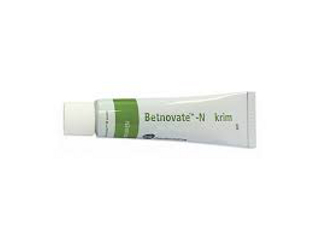
Betamethasone Valerate – Cream & Ointment (Topical Corticosteroid)
Betamethasone valerate is a corticosteroid medicine used on the skin to reduce inflammation, redness, itching and swelling. It belongs to the steroid family and is available in several topical forms, commonly as a cream or ointment. In the UK, it may be supplied in different strengths depending on the product brand and formulation.
This guide is written to help you understand how betamethasone valerate works, when it is typically used, what to expect, and how to use it safely and effectively.
Basic Product Information
| Category | Information |
|---|---|
| Active ingredient | Betamethasone valerate (topical corticosteroid) |
| Forms commonly available | Cream, ointment (and sometimes other topical presentations) |
| Strength | Varies by product (check your pack for the exact strength) |
| How it works | Reduces inflammation and immune responses in the skin |
| Typical use | Short-term treatment of certain inflammatory skin conditions |
| Where to apply | On affected skin only (avoid eyes and mucous membranes) |
Important: Always follow the directions on your product label or the advice provided by a healthcare professional. If you are unsure about how to use your specific product, check the packaging strength and instructions.
How Betamethasone Valerate Works (Mechanism of Action)
Betamethasone valerate is a topical corticosteroid. After application to the skin, it helps to:
- Reduce inflammation by suppressing inflammatory signalling in the skin.
- Decrease redness and swelling associated with flare-ups of inflammatory conditions.
- Relieve itching by calming immune activity and inflammatory chemicals in the affected area.
- Slow down abnormal skin cell activity that can occur in certain steroid-responsive conditions.
Because it acts locally, the medicine works mainly in the skin where it is applied. However, some absorption can occur—especially when used on larger areas or under occlusion (covered) conditions.
Pharmacokinetics (Absorption, Distribution, Metabolism and Excretion)
Absorption: When applied to intact skin, systemic absorption is generally low. Absorption increases if:
- you apply it to large areas,
- use it for longer periods,
- apply to damaged skin,
- use it on thin skin areas (e.g., face, groin, armpits),
- apply under occlusion (e.g., covered with dressings not advised by a clinician),
- use heat or tight coverings that increase penetration.
Metabolism and elimination: Like other corticosteroids, absorbed betamethasone is metabolised primarily in the liver and eliminated by the kidneys. The extent of systemic exposure from topical use is usually small, but it can become clinically relevant in certain circumstances.
Skin effects and local tolerance: Even when systemic absorption is limited, topical steroids can still cause local side effects—particularly with prolonged use, high potency, or frequent application.
Typical Uses in the UK
Betamethasone valerate is used to treat steroid-responsive inflammatory skin conditions. Indications vary depending on the product strength and formulation, but it is commonly associated with conditions such as:
- Eczema/dermatitis (including inflammatory forms that respond to topical corticosteroids)
- Psoriasis (in selected forms and areas, as advised by local guidance)
- Inflammatory skin rashes where a clinician judges a corticosteroid is appropriate
- Red, itchy flare-ups where reducing inflammation brings relief
Not for every rash: Topical steroids are not suitable for all skin problems. Some conditions can worsen with steroid use (for example, certain viral, fungal or bacterial skin infections). Always ensure the diagnosis is appropriate for steroid treatment.
When to Expect Results (Timing)
Many people notice symptom relief within a few days. Typical expectations:
- First signs of improvement: often within 2–3 days.
- More noticeable improvement: within 7–14 days for many inflammatory conditions.
- If there is no improvement: re-check the diagnosis and treatment plan—do not continue indefinitely without review.
Use as directed for the shortest time needed to control symptoms. If symptoms persist, worsen, or keep recurring, seek medical advice for a review.
Indications & Appropriate Application Areas
Betamethasone valerate is indicated for inflammatory dermatoses responsive to topical corticosteroids. In practice, that means it is often used for flare-ups on affected areas where steroid therapy is suitable.
Areas to be cautious with:
- Face (risk of irritation and potential side effects)
- Groin and armpits (skin is thinner)
- Children (higher risk of absorption relative to body size)
- Large body surface areas
If you are using it on sensitive areas, use extra care and follow professional guidance. In many cases, clinicians may recommend specific steroid strengths and treatment schedules for these regions.
Dosing: How Much and How Often
Dosing depends on the product strength and the size and location of the affected area. For topical steroids, a common approach is thin layer application.
General dosing principles
- Apply a thin film to the affected skin.
- Use once or twice daily depending on severity and product instructions.
- Stop when symptoms settle, and do not use longer than necessary.
- Wash hands after application unless your hands are the treatment area.
How much to use (the fingertip unit concept)
A commonly used practical measure is the fingertip unit (FTU). One FTU is the amount of ointment/cream squeezed along the length of an adult fingertip (about 0.5 g) and can cover roughly:
- Two adult palm-sized areas (approximate guidance)
You may adjust based on body area and response. If you struggle to estimate the amount, consult a pharmacist for guidance using your product and the area affected.
Duration
Many topical steroid treatments are used for a limited course. If you need to continue beyond the advised timeframe, or if the condition returns quickly, you should get advice to confirm the diagnosis and consider alternative management strategies.
Practical Use Tips (Getting the Best Results)
- Apply to clean, dry skin unless your clinician advises otherwise.
- Use a thin layer—more is not necessarily better and may increase side effects.
- Choose the right base:
- Cream is often preferred for weepy areas and is less greasy.
- Ointment is usually more occlusive and may suit drier, thicker lesions.
- Avoid eyes, lips, and inside the nose.
- Do not bandage tightly or occlude unless specifically instructed.
- Keep using until the course is complete (if a course is advised), then stop—do not automatically restart when symptoms fade.
- Moisturise regularly. Emollients can improve skin barrier function and may reduce how often steroid treatment is needed.
Food Interactions
Betamethasone valerate is applied to the skin, so it is not expected to have significant interactions with food. There are no known meaningful food interactions for topical betamethasone preparations in typical use.
However, if you are using other treatments alongside (e.g., oral medicines or other topical agents), those products may have interaction considerations independent of food.
Alcohol and Medicine Interactions
Alcohol: Topical betamethasone valerate is unlikely to interact with alcohol in a clinically significant way due to low systemic exposure when used correctly. If systemic absorption is higher (for example, large-area use, prolonged treatment, occlusion), it is still generally less likely to cause direct alcohol-related issues than oral steroids, but caution is sensible in such scenarios.
Other medicines: There are no widely expected direct drug–drug interactions from topical betamethasone valerate. That said, it’s important to consider:
- Other topical medicines: Using multiple products on the same area may irritate skin or alter absorption. If applying emollients, consider applying the steroid after the moisturiser has absorbed (or vice versa depending on your regimen).
- Infection treatments: If an infection is present (or suspected), steroid alone may worsen it. In some cases clinicians may use combination therapy if appropriate.
- Systemic corticosteroids or other immunosuppressants: If you are already using systemic treatments, monitor for side effects and discuss with a healthcare professional.
Tell your pharmacist about all medicines and topical products you use, including over-the-counter items and herbal preparations.
Safety Profile: Side Effects and What to Watch For
Most people tolerate betamethasone valerate well when used correctly for short periods. Side effects are more likely with:
- high frequency or large amounts
- longer duration
- use on sensitive areas (face, groin)
- children
- occlusion (covered use)
Common or local side effects
- Skin irritation, burning, or stinging at application
- Dryness or change in skin feel
- Itch or redness may temporarily increase in some people
Less common but important local effects
- Thinning of the skin (atrophy)
- Stretch marks (striae)
- Visible blood vessels (telangiectasia)
- Skin discolouration (lightening or darkening)
- Perioral dermatitis or acne-like eruptions (especially on the face)
Possible systemic effects
Systemic effects are uncommon when used appropriately. However, with extensive or prolonged use, it may rarely lead to suppression of the body’s natural steroid production or other corticosteroid-related effects.
Stop and seek advice urgently if
- you develop signs of skin infection such as spreading redness, pus, severe pain, fever, or rapidly worsening rash
- your skin becomes significantly worse rather than better
- you experience eye symptoms (pain, blurred vision) if the medicine has been near the eye
Special Warnings and Who Should Be Extra Careful
- Infections: Avoid using corticosteroids on untreated fungal, viral, or bacterial infections unless specifically advised. Steroids can mask symptoms and worsen infections.
- Pregnancy and breastfeeding: Topical steroids may be used if needed, but use the lowest effective strength for the shortest time. Avoid large areas and do not apply to areas where a baby might contact it during breastfeeding (e.g., breast skin) without professional advice.
- Children: Children can absorb more per body weight. Use only as directed, at the lowest strength needed, and for the shortest duration.
- Ulcers and broken skin: Apply cautiously and seek advice. Absorption can be higher on compromised skin.
- Long-term continuous use: Prolonged regular use increases the risk of skin thinning and other effects.
Alternative Options (Depending on Condition and Severity)
The best alternative depends on the diagnosis and the severity of the condition. Common alternatives include:
- Emollients/moisturisers to support the skin barrier and reduce dryness and irritation.
- Non-steroidal anti-inflammatory topicals such as topical calcineurin inhibitors (often used for sensitive areas or longer-term control in appropriate patients).
- Other topical corticosteroids of different strengths or formulations (a clinician may switch potency based on location and response).
- Antifungal or antibacterial treatments if the rash is due to infection.
- Phototherapy or systemic treatments in more severe cases of conditions such as psoriasis, under specialist care.
If you find the rash repeatedly returns soon after stopping betamethasone valerate, consider discussing a long-term plan—this may involve moisturisers, trigger management, and steroid-sparing options.
United Kingdom Market & Legal/Regulatory Context (Overview)
In the UK, topical corticosteroids are widely available. Whether a specific brand is available over the counter or requires prescription-like arrangements depends on the strength, formulation, and current regulatory status at the time of supply. Always check the product details in your chosen pharmacy listing.
UK safety monitoring and prescribing/dispensing practices follow relevant guidance from regulatory and clinical bodies. For inflammatory skin conditions, clinicians often balance effectiveness with the need to minimise risks such as skin thinning and infection masking.
Recent guidance and trends: UK clinical practice increasingly emphasises:
- Using the lowest effective potency
- Short courses when possible
- Structured skin care (emollients and trigger avoidance)
- Steroid-sparing strategies for longer-term or sensitive-area disease
Delivery and Availability in the UK
Betamethasone valerate is typically available via UK pharmacies (both online and in-store). Online availability depends on stock levels and the specific product strength and presentation.
Delivery options: Most online pharmacies offer standard and express delivery, and some provide next-day options depending on location and cut-off times. Delivery speed may vary during public holidays and peak periods.
Packaging: Medicines are normally dispatched in protective packaging to reduce damage in transit. Keep the medicine in the original container to ensure the strength and instructions are easily accessible.
If the exact product strength you need is unavailable, the pharmacy may offer alternatives or advise on the next best option—always check the active ingredient and strength match your intended use.
Important Instructions: Missed Doses, Overuse and Stopping
Missed dose: If you miss an application, apply it when you remember unless it’s close to the next dose. Do not double up.
Overuse: Using more frequently or on larger areas than directed can increase risk of skin thinning and systemic side effects. If you suspect overuse (especially in children or over large areas), speak to a pharmacist or clinician for advice.
Stopping treatment: Many skin conditions improve quickly with a short course. Stop when symptoms settle. If the condition keeps recurring, discuss a long-term management plan rather than repeatedly restarting high-potency treatment.
FAQ (Frequently Asked Questions)
1) What is betamethasone valerate used for?
It is used on the skin to treat inflammatory, itchy, red flare-ups that are responsive to topical corticosteroids. Common examples include certain types of eczema/dermatitis and some psoriasis presentations, depending on where the patches are and how severe they are.
2) How quickly should it work?
Many people see improvement within a couple of days. Full control may take up to one or two weeks for some conditions. If there’s no improvement after this period, you should seek advice to confirm the diagnosis and treatment approach.
3) Can I use it every day?
It may be used once or twice daily as directed on your product label. However, continuous daily use for long periods increases the risk of side effects. Follow the shortest effective course and consider a review if symptoms persist or frequently return.
4) Is it safe to use on the face?
Use on the face should be cautious. The face is sensitive and steroids can cause side effects more easily there. If your clinician has advised it, use the lowest effective strength and follow a limited timeframe.
5) Can I apply moisturiser as well?
Yes. Moisturising can reduce dryness and help prevent flare-ups. You can apply emollients regularly and apply betamethasone valerate as a separate step. Allow the moisturiser to absorb first where possible, unless your pharmacist advises otherwise.
6) Should I cover the treated skin?
Do not bandage or cover tightly unless a healthcare professional advises it. Occlusion can increase absorption and raise the risk of side effects.
7) What if my rash looks infected?
If the rash is rapidly worsening, very painful, oozing pus, or accompanied by fever, seek medical advice promptly. Steroids can mask infection and may worsen some infectious conditions if used alone.
8) Are there any food or alcohol interactions?
Food interactions are not expected for a topical medicine. Alcohol interactions are also unlikely in typical use. The most important interaction considerations are other medicines and topical products you apply to the skin.
9) Can I use it during pregnancy or breastfeeding?
Topical corticosteroids may be used when necessary, but you should use the lowest effective strength for the shortest duration and avoid large-area application. If breastfeeding, avoid applying to areas where the baby may come into contact with the product, unless advised by a clinician.
10) What should I do if I’m using it but symptoms keep coming back?
Frequent recurrence may mean the diagnosis needs review, the regimen needs adjustment, or an alternative/steroid-sparing approach may be more suitable. Consider speaking to a pharmacist or clinician about a long-term plan.
Summary
Betamethasone valerate is a topical corticosteroid used to reduce inflammation and relieve symptoms such as redness, itching and swelling in steroid-responsive skin conditions. When applied correctly—using a thin layer, the right strength, and for the shortest effective period—it can be highly effective. Always avoid use on unsuitable rashes (particularly infections), be cautious on sensitive areas and in children, and seek advice if symptoms worsen or fail to improve.