Advair Diskus (Salmeterol + Fluticasone) — Patient Guide (UK)
Advair Diskus is a combination inhaler used to manage long-term breathing problems. It contains two medicines:
- Salmeterol (a long-acting beta2-agonist, LABA)
- Fluticasone (an inhaled corticosteroid, ICS)
This guide explains how Advair Diskus works, what it’s used for, how to use it correctly, key safety information, and what to consider with other medicines and alcohol—tailored for people in the United Kingdom.
Basic product information
| Feature | Details |
|---|---|
| Brand name | Advair Diskus |
| Active ingredients | Salmeterol + Fluticasone |
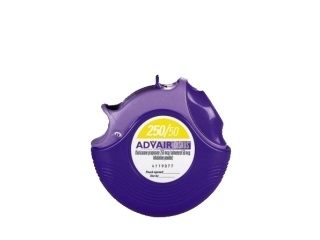
| Medicinal form | Breath-actuated dry powder inhaler (DPI), “Diskus” device |
| How it works | Long-acting bronchodilation + anti-inflammatory steroid effect |
| Common uses | Long-term control of asthma and/or COPD (depending on local prescribing information and strength) |
Important: Advair Diskus is intended for regular use to help prevent symptoms. It is generally not meant as a fast “reliever” for sudden breathing difficulties. Always have appropriate rescue medication available as instructed by your healthcare team.
How Advair Diskus works (mechanism of action)
Advair Diskus combines two complementary medicines:
-
Salmeterol (LABA):
- Relaxes airway muscles to help keep airways open.
- Works over a long period, which supports symptom control throughout the day and night.
- Helps reduce breathlessness, wheeze, and shortness of breath when used regularly.
-
Fluticasone (ICS):
- Reduces inflammation in the airways.
- Helps decrease swelling and mucus, improving long-term control.
- Over time, it can reduce the frequency and severity of asthma symptoms and exacerbations.
Why combination therapy matters: Asthma and COPD often involve both airway inflammation and airway narrowing. Using an ICS plus a LABA helps target both processes.
Pharmacokinetics (how the body handles it)
Because Advair Diskus is inhaled, most of the medicine deposits in the lungs and acts locally. However, a small amount may still be absorbed into the bloodstream.
Absorption
- Inhaled delivery: The dose reaches the lungs where fluticasone reduces inflammation and salmeterol improves bronchodilation.
- Systemic absorption: Some salmeterol and fluticasone can enter the bloodstream, but levels are generally lower than with tablets.
Distribution
- Fluticasone: In the bloodstream, it binds to plasma proteins.
- Salmeterol: Also distributes into tissues and may persist for a prolonged period due to its formulation and receptor binding characteristics.
Metabolism
- CYP450 involvement: Fluticasone is mainly metabolised by CYP3A4. Medicines that inhibit CYP3A4 can increase fluticasone exposure.
- Salmeterol: is also metabolised primarily via liver pathways.
Elimination
- Excretion: Metabolites are eliminated mainly via the bile and faeces; minor contributions may occur via the kidneys.
- Timing: Effects last well beyond each dose, which is why Advair Diskus is typically used twice daily.
Practical implication: Although the medicine is inhaled, drug interactions—especially those affecting CYP3A4—can increase steroid exposure and raise the risk of side effects.
Typical uses in the UK
Advair Diskus is used for long-term control of airway disease.
Asthma
- Used as controller therapy in appropriate people whose asthma is not adequately controlled on inhaled corticosteroid alone.
- Helps reduce symptoms and help prevent flare-ups.
COPD (chronic obstructive pulmonary disease)
- In some patients with COPD, combination therapy with an ICS plus a LABA can improve symptoms and reduce exacerbations.
- Suitability depends on individual factors such as exacerbation history and current treatment regimen.
Note: The exact indication and available strengths can vary depending on UK availability and clinical assessment. Your healthcare professional will choose the most appropriate formulation for you.
When and how to take it (timing and routine)
Advair Diskus is usually taken twice daily, approximately 12 hours apart (for example, morning and evening).
Timing tips
- Choose times that fit your routine (e.g., 08:00 and 20:00).
- If you miss a dose, take it as soon as you remember unless it is close to the time of the next dose.
- Do not take extra doses to make up for a missed one.
Is it affected by food?
Food interaction: Because it is inhaled and acts locally in the lungs, Advair Diskus is generally not affected by food. You can usually take it with or without meals.
How to use the Diskus device correctly (practical use tips)
Correct inhaler technique is essential for the medicine to reach your lungs effectively.
Before you start
- Check the dose strength prescribed (there are different strengths available).
- Keep the device dry.
- Use it only as directed for your specific condition.
Step-by-step guidance (general)
-
Prepare: Hold the Diskus in the correct orientation.
- Open the mouthpiece until it “clicks” into position.
- Do not press the mouthpiece more than necessary.
- Load the dose: The Diskus mechanism typically loads a dose when you open it (you may hear a click).
- Breathe out away from the device: Breathe out gently before inhaling to help the powder disperse properly.
- Inhale once (quickly and deeply): Close your lips around the mouthpiece and inhale steadily and forcefully.
- Hold your breath: Hold your breath for as long as comfortable (commonly around 5–10 seconds).
- Close and check: Close the device. If you’re unsure whether the powder was inhaled correctly, do not take extra doses—contact your healthcare provider if problems persist.
After your dose (important for fluticasone)
- Rinse your mouth and spit: This helps reduce the risk of mouth/throat irritation and oral thrush.
- Brush your teeth or rinse with water can help.
Common technique problems
- Not breathing out fully before inhaling
- Inhaling too gently (for dry powder inhalers, force matters)
- Not holding breath long enough
- Not rinsing the mouth after use
Food interactions
Advair Diskus is not known for clinically significant food interactions. Because it is administered by inhalation and not dependent on stomach absorption, eating is unlikely to change how it works.
However: If you are taking other medicines (especially those affecting liver enzymes), food supplements or diets may influence medication metabolism. If you are on multiple treatments, it’s worth discussing your overall regimen with a clinician or pharmacist.
Alcohol interactions
Direct alcohol interaction: There is typically no specific, well-established direct interaction between alcohol and the inhaled medicines in Advair Diskus.
Still consider:
- Alcohol can worsen breathing for some people (e.g., by increasing sedation or triggering reflux).
- Heavy alcohol use may affect liver function, which could indirectly affect metabolism of medications.
- Systemic effects are more likely when alcohol contributes to poor sleep, dehydration, or missed doses.
If you plan to drink alcohol, keep your dosing routine steady and avoid missing doses.
Medicine interactions (including key warnings)
Drug interactions can affect how quickly your body clears medicines or can increase side effects. The most important interactions relate to the CYP3A4 enzyme and certain heart rhythm effects.
CYP3A4 inhibitors (may increase steroid exposure)
Medicines that inhibit CYP3A4 can increase fluticasone levels, raising the risk of steroid-related side effects such as adrenal suppression and Cushing’s syndrome (rare but important).
- Examples: some antifungals (e.g., ketoconazole, itraconazole), certain HIV treatments (protease inhibitors like ritonavir-containing regimens), and some antibiotics or macrolides (the exact risk depends on the specific drug).
Action: If you take any long-term medicines for infection or HIV, ask your pharmacist or doctor to check interaction risk with fluticasone.
Other beta-agonists
Using multiple bronchodilators that stimulate beta receptors may increase side effects (e.g., tremor, palpitations, low potassium).
- Usually: your rescue inhaler is different (often a short-acting beta-agonist). Follow your asthma/COPD action plan.
- Do not start extra LABAs or high-dose beta-agonists without advice.
Low potassium risk (important with diuretics)
Salmeterol can, in some circumstances, lower blood potassium. This risk can increase when combined with:
- Diuretics (especially loop or thiazide diuretics)
- Other medicines that can reduce potassium
Non-selective beta blockers
Beta blockers may reduce the effect of salmeterol or worsen breathing in susceptible people.
- Examples: non-selective beta blockers such as propranolol (and other similar agents).
Tricyclic antidepressants or monoamine oxidase inhibitors (MAOIs)
These can sometimes increase cardiovascular side effects with sympathomimetics.
Always check for interactions
Bring a list of all your medicines and supplements to your pharmacist or GP, especially if you take:
- Antifungals
- Antibiotics
- HIV medicines
- Heart medicines (beta blockers, arrhythmia treatments)
- Diuretics
- Other inhalers
Indications (what Advair Diskus is prescribed to treat)
In UK practice, combination inhaled therapy with a LABA + ICS is used to:
- Improve long-term control of asthma in people whose symptoms are not controlled on an ICS alone or who need additional controller therapy.
- Improve symptoms and reduce exacerbations in COPD for selected patients based on clinical features and current guideline recommendations.
Your clinician will match the dose strength and device to your needs, considering symptom severity, exacerbation risk, inhaler technique, and other health conditions.
Dosing (how much to use)
Dosing depends on the condition being treated and the specific inhaler strength. Advair Diskus products are available in different strengths of fluticasone and salmeterol.
Common dosing pattern
- Adults and adolescents: typically one inhalation twice daily (morning and evening), unless your healthcare professional instructs otherwise.
Do not change your dose without guidance
- If symptoms worsen, do not simply increase doses on your own.
- Use your rescue inhaler as advised and seek medical advice when needed.
When stepping up or stepping down might be considered
If your breathing is stable for a sustained period, clinicians may consider reviewing whether your treatment can be reduced (to the lowest effective dose). This should be done under professional supervision.
Safety profile and possible side effects
Like all medicines, Advair Diskus can cause side effects. Many people tolerate it well, especially with correct technique and mouth rinsing. However, it’s important to know what to watch for.
Common side effects
- Hoarseness or voice changes
- Throat irritation
- Oral thrush (white patches in the mouth or sore mouth)
- Headache
- Tremor or shakiness (more typical of LABA effect)
- Muscle cramps (sometimes related to potassium changes or other factors)
Less common but important risks
- Infections: Inhaled steroids can slightly increase the risk of infections in the mouth/throat and, in some COPD patients, may influence pneumonia risk.
- Cardiovascular effects: palpitations or increased heart rate may occur.
- Low potassium: may rarely occur, especially with certain other medicines.
- Adrenal suppression: rare, but risk increases with higher doses or strong interacting medicines.
- Allergic reactions: rash, swelling, or breathing difficulty (seek urgent help if severe).
Seek urgent medical help if
- Your breathing suddenly worsens despite using your rescue inhaler
- You experience severe chest tightness, fainting, or significant palpitations
- Signs of severe allergic reaction occur (e.g., swelling of face/lips, severe rash)
- Symptoms suggest serious infection or high fever
Practical use tips for better control
- Use daily: Advair Diskus works best when taken consistently, even when you feel well.
- Keep technique under review: If your symptoms aren’t improving, check inhaler technique with a pharmacist or clinician.
- Rinse after use: reduces thrush risk.
- Have a symptom plan: know what to do if symptoms flare (rescue inhaler use, when to seek help).
- Store correctly: keep the Diskus dry and away from heat/sunlight.
- Track your inhaler: use the counter (if present) so you don’t run out.
Alternatives to Advair Diskus
Depending on your condition and previous response, your healthcare professional may consider alternatives, for example:
- Other ICS + LABA combinations delivered via different inhaler devices (metered dose inhalers or other DPIs)
- Different steroid/LABA dose strengths to match symptom severity
- ICS alone for some asthma patients (when a LABA is not appropriate)
- Non-steroid options in selected COPD cases (based on exacerbation profile and guideline recommendations)
- Triple therapy (ICS + LABA + LAMA) for some COPD patients, if indicated
The best alternative depends on your diagnosis (asthma vs COPD), symptom control, inhaler preference, and side-effect history.
Market and legal context in the UK
In the United Kingdom, medicines such as Advair Diskus are regulated and monitored through the relevant medicines framework. Inhaled medicines are commonly supplied through community pharmacies and distributed to ensure availability for patients.
Clinical use is typically aligned with UK guidance for asthma and COPD management, including:
- Asthma guidance (e.g., National Institute for Health and Care Excellence and other UK clinical pathways)
- COPD guidance (e.g., NICE COPD recommendations)
Important note: Decisions about which inhaler is most suitable depend on individual assessment and current UK clinical recommendations.
Recent guidance and clinical considerations
UK clinical practice continues to emphasise:
- Regular review of inhaler technique and adherence
- Using the lowest effective dose of inhaled corticosteroid once control is stable (where clinically appropriate)
- Monitoring exacerbations and adjusting controller therapy accordingly
- Awareness of steroid-related risks and drug interactions (especially with CYP3A4 inhibitors)
- Vaccination and infection prevention advice for at-risk COPD patients
If you have had recent flare-ups, pneumonia, or trouble with side effects, it’s a good idea to discuss whether your current regimen remains optimal.
Delivery and availability (UK)
Availability can vary by strength and local supply. Many UK pharmacies can supply inhalers via standard pharmacy ordering processes. If Advair Diskus is temporarily unavailable, a pharmacist may suggest an alternative equivalent inhaler or a suitable substitution where permitted.
Delivery considerations
- Inhalers are typically shipped in protective packaging.
- Keep devices dry on arrival and store as instructed.
- Check the inhaler strength and expiry date when received.
If you need help choosing a product strength or want to confirm what you have been prescribed, contact your pharmacy team.
FAQ — Frequently asked questions
1) Is Advair Diskus a reliever inhaler?
No. Advair Diskus is a controller inhaler used regularly to prevent symptoms. A separate reliever inhaler is usually needed for sudden symptoms.
2) How long does it take to work?
Some symptom relief may be noticed soon after starting, but the full benefit—especially from the anti-inflammatory steroid—can take several days and sometimes longer. If you feel worse, seek advice promptly.
3) What if I still feel short of breath?
Use your rescue medication as part of your action plan. If symptoms are not improving, or you’re needing reliever treatment more often than usual, contact a healthcare professional.
4) Can I stop Advair Diskus once I’m better?
Do not stop suddenly unless advised. In asthma, stopping controller therapy can increase the risk of flare-ups. If step-down is considered, it should be planned and supervised.
5) Do I need to rinse my mouth?
Yes. Rinsing and spitting after each dose helps reduce the risk of oral thrush and hoarseness.
6) Does Advair Diskus interact with other medicines?
Yes, interactions can occur. The most important to mention are medicines that affect CYP3A4 metabolism (which can increase fluticasone exposure), and certain heart medicines. Always tell your pharmacist about all medicines you use.
7) Can I drink alcohol while using Advair Diskus?
There’s typically no direct interaction, but alcohol can worsen breathing for some people or affect overall health. Drink in moderation and keep your inhaler routine consistent.
8) Is it safe for children?
Use in children and adolescents depends on product strength and clinical assessment. If you’re using it for a child, confirm the correct dose and device technique with a healthcare professional.
9) What should I do if I miss a dose?
Take it when you remember unless it’s close to your next dose. Do not double up.
10) I used my inhaler but I didn’t feel anything—does that mean it didn’t work?
It’s common not to feel an immediate “sensation.” What matters is consistent use and symptom control. If you suspect poor technique or your symptoms are uncontrolled, get your inhaler technique checked.
Summary
Advair Diskus combines salmeterol and fluticasone to deliver long-term control for airway disease such as asthma and, in selected patients, COPD. It helps by keeping airways open and reducing airway inflammation. Use it consistently, twice daily (about 12 hours apart), rinse your mouth after each dose, and keep your reliever medication available for sudden symptoms.
If you have questions about side effects, inhaler technique, or interactions with other medicines—including antifungals, HIV treatments, or heart medicines—speak to a pharmacist or clinician.