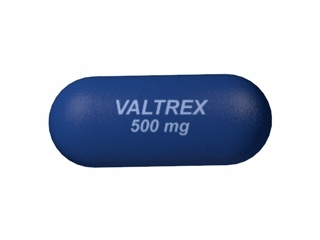


Valtrex (Valacyclovir) – Patient-Friendly Guide (United Kingdom)
Valtrex contains valacyclovir, an antiviral medicine used to treat and prevent certain viral infections, most notably herpes viruses such as genital herpes and herpes zoster (shingles). This page is designed to help you understand what the medicine is, how it works, how it is typically taken, and what to consider for safe and effective use in the UK.
Always follow the instructions provided with your medicine. If you have questions about dosing, side effects, or suitability, speak with a healthcare professional.
Basic product information
| Item | Details |
|---|---|
| Brand name | Valtrex |
| Active ingredient | Valacyclovir (as valacyclovir hydrochloride) |
| Medicine type | Antiviral (nucleoside analogue; converted to acyclovir) |
| Common uses | Cold sores, genital herpes, shingles (herpes zoster), suppression of recurrences in some patients |
| How it comes | Tablets (strengths may vary by product/pack) |
| Regulatory context in the UK | Medicinal product authorised for specific indications under UK medicines regulations |
How Valtrex works (mechanism of action)
Valacyclovir is a prodrug of acyclovir. After you swallow a dose, valacyclovir is converted in your body to acyclovir, mainly in the liver and gut. Acyclovir is then taken up by infected cells and converted into an active form that disrupts viral DNA replication.
In simple terms, Valtrex helps to stop herpes viruses from multiplying, allowing your immune system to clear the infection more effectively. It does not “cure” herpes permanently, but it can reduce symptom severity and duration, and in some cases can prevent future outbreaks.
Pharmacokinetics (how the body handles the medicine)
Pharmacokinetics describes absorption, distribution, metabolism, and elimination. Understanding these helps explain timing and dosing.
- Absorption: Valacyclovir is absorbed from the gut and converted into acyclovir.
- Activation: Conversion to acyclovir occurs primarily in the liver and intestinal wall.
- Distribution: Acyclovir distributes into body tissues and fluids where herpes viruses can cause infection.
- Elimination: Acyclovir is largely eliminated by the kidneys. This is important if you have kidney problems.
- Half-life: The elimination half-life of acyclovir is typically around a few hours, which is why many regimens require dosing at set intervals.
Because clearance depends on kidney function, your healthcare professional may adjust dosing in people with renal impairment.
Typical use in the UK (what Valtrex is commonly used for)
Valtrex is used for herpesvirus infections. In the UK, it is commonly prescribed (or used under appropriate guidance) for:
-
Herpes simplex virus (HSV)
- Genital herpes (including treatment of outbreaks)
- Cold sores (herpes labialis)
- Herpes zoster (shingles) – for treatment of the rash and pain, particularly when started promptly
- Prevention (suppression) in selected patients who experience frequent recurrences of genital herpes
When to start and timing tips
Timing can make a meaningful difference, especially with shingles and new herpes outbreaks.
- Shingles: Starting treatment early—ideally within 48 hours of rash onset—is generally recommended for best benefit. Even so, treatment may still be considered after 48 hours in some circumstances.
- Cold sores / genital herpes outbreaks: Starting as soon as symptoms begin (for example, tingling, itching, or early pain) can help reduce duration.
- Suppression: If you are taking Valtrex to reduce recurrence, take it consistently at the scheduled times.
Food interactions and taking Valtrex
Food generally has minimal effect on the overall effectiveness of valacyclovir, but taking it consistently the same way each day can help you stay on schedule. Many people take it with water, and sometimes food can help if you experience mild nausea.
- Take with water: Use a full glass of water.
- Stay hydrated: Good hydration supports kidney function and may reduce the risk of complications.
- Consistency: If your schedule allows, take doses at similar times each day.
If you notice stomach upset, taking your dose with food may help. If symptoms persist, seek advice.
Alcohol and medicine interactions
There is no universal rule that you must completely avoid alcohol when taking Valtrex; however, alcohol can affect your wellbeing and may worsen dehydration. Since acyclovir is cleared by the kidneys, excess alcohol could theoretically increase strain on the body.
Practical guidance
- Moderation: If you choose to drink, keep it moderate.
- Hydrate: Drink water alongside alcohol.
- Avoid binges: Heavy drinking increases risk of dehydration and may make side effects harder to manage.
Other medicines (important interactions)
The most important interactions are those that affect kidney function or that are also removed by the kidneys. Tell a healthcare professional or pharmacist about all medicines you take, including over-the-counter products and herbal remedies.
- Nephrotoxic medicines: Some drugs can affect the kidneys (for example, certain medicines used in pain, gout, or other conditions). Combining these with acyclovir/valacyclovir may increase risk of kidney-related side effects.
- Probenecid: May affect acyclovir elimination.
- Cimetidine: May influence drug clearance.
- Other antiviral medicines: Using multiple antivirals together should be managed carefully.
- Immunosuppressants and transplant-related regimens: Kidney function and infection risk are particularly important in these settings.
Because you may be prescribed additional medications for your condition, it’s best to check interactions with a pharmacist or clinician.
Indications (who it is for and what it treats)
“Indication” means the licensed use or condition the medicine is intended to treat or prevent. Valtrex is indicated for specific herpesvirus conditions. Common indications include:
-
Genital herpes:
- Treatment of episodes/outbreaks
- In some patients, prevention of recurrent episodes (suppression)
- Herpes labialis (cold sores): treatment of episodes
- Herpes zoster (shingles): treatment of infection and associated symptoms
If you’re unsure whether your symptoms match an indication, do not self-treat—check with a healthcare professional, particularly if symptoms are severe, unusual, or first-time.
Dosing (general information)
Dosing depends on the condition being treated, how early you start, your kidney function, and whether the aim is treatment of an episode or long-term suppression. The information below is a general overview; your prescribed regimen may differ.
Common dosing patterns (examples)
- Shingles: often involves a course taken several times daily for about a week. Early initiation is important.
- Genital herpes outbreak: typically taken in divided doses over several days.
- Recurrent genital herpes suppression: often uses a once-daily or divided regimen depending on clinical factors.
- Cold sores: commonly uses a short course taken several times daily.
Because dosing schedules vary, always follow the instructions on the packaging and the guidance you receive.
Kidney function and dose adjustment
If you have reduced kidney function (for example, chronic kidney disease, dehydration, older age, or a history of kidney problems), your prescriber or pharmacist may adjust the dose or dosing frequency. In these situations:
- Use the exact schedule provided.
- Stay well hydrated (unless you’ve been told to restrict fluids).
- Report symptoms such as reduced urine output.
Missed dose guidance
If you miss a dose, take it as soon as you remember. However, if it is close to the time for the next dose, skip the missed dose. Do not take a double dose to make up for a missed one.
Safety profile (side effects and when to seek help)
Like all medicines, Valtrex can cause side effects. Many people experience no or mild effects, but you should be aware of what to watch for.
Common side effects
- Headache
- Nausea or stomach upset
- Feeling unwell (general malaise)
- Abdominal discomfort
- Dizziness in some patients
Less common but important side effects
- Kidney-related effects (particularly with dehydration, high doses, or existing kidney problems): symptoms may include reduced urination, swelling, or unusual fatigue.
- Neurological symptoms (rare): confusion, agitation, or tremor. If these occur, seek urgent medical advice.
- Allergic reactions (uncommon): rash, itching, swelling of the face/lips, or breathing difficulty.
Seek urgent help if
- you have trouble breathing, wheezing, or swelling of the face/lips
- you develop widespread rash with blistering or peeling skin
- you become severely confused, very drowsy, or have seizures
- you have significantly reduced urine output or severe lower back pain
Driving and machinery
Most people can drive and use tools/machinery while taking Valtrex, but if you feel dizzy, unwell, or have headaches, avoid driving until you feel safe.
Practical use tips for best results
- Start early: For shingles, aim to begin as soon as possible (ideally within 48 hours of rash onset).
- Complete the course: Even if symptoms improve quickly, continue for the full duration unless advised otherwise.
- Drink fluids: Hydration supports kidney health.
- Don’t share personal items during outbreaks: This helps reduce spread and irritation. Avoid sharing towels, razors, or lip balms during cold sores.
- Reduce transmission risk: Herpes can spread even when sores are not visible. If you have genital herpes, use condoms and avoid sex during outbreaks for safer management. For cold sores, avoid kissing or oral sex while lesions are present.
- Track triggers and recurrence: Stress, illness, and sunlight exposure can trigger outbreaks in some people. Knowing your pattern can help you discuss prevention strategies with a clinician.
Missed doses, stopping early, and resistance concerns
Stopping early may reduce effectiveness, particularly for shingles and acute outbreaks. If you experience side effects, contact a healthcare professional rather than stopping abruptly.
Antiviral resistance is uncommon in people with normal immune systems, but it can be more relevant in immunocompromised individuals. If you feel the medicine is not helping, seek advice rather than repeating or changing doses yourself.
Alternative options (other treatments for herpes infections)
The best option depends on the infection type, severity, timing, and individual factors such as kidney function. Alternatives may include:
Other antiviral medicines
- Acyclovir: another antiviral commonly used for herpes infections.
- Famciclovir: an alternative antiviral for herpes conditions in some regimens.
Symptom relief (supportive care)
- Pain relief: Paracetamol or ibuprofen may be used for discomfort in many people, depending on their suitability.
- Cold sore care: Keeping the area clean, avoiding picking, and using barrier products may help comfort.
- Shingles care: Gentle skin care, avoiding friction, and addressing pain promptly can improve comfort.
A clinician can advise which antiviral and supportive strategy fits your condition, medical history, and timing of onset.
Market and legal context in the UK
Medicines in the UK are regulated by the Medicines and Healthcare products Regulatory Agency (MHRA) and authorised through appropriate pathways. Valtrex is an established antiviral medicine with specific indications and safety information.
Availability may vary by pharmacy and supplier, and packaging strength and tablet count can differ by brand presentation. UK pharmacy services may also include eligibility checks and medication reviews for safe supply.
Recent guidance and practical considerations
Clinical guidance over time has consistently emphasised:
- Early treatment for shingles and acute herpes outbreaks
- Appropriate use in kidney impairment with dose adjustment
- Assessment of immune status, as immunocompromised people may need more careful management
- Transmission reduction measures (e.g., avoiding sex or intimate contact during outbreaks and using barrier protection where appropriate)
UK healthcare advice may be updated as evidence evolves. If your symptoms are severe, persistent, first-time, or involve the eye/vision, seek urgent medical attention.
Delivery and availability (online pharmacy)
In the UK, online pharmacies typically provide home delivery for authorised medicines, subject to eligibility checks and legal requirements. Availability can depend on stock levels and the tablet strength required.
What to expect
- Stock checks: Some packs may be ordered in if not immediately available.
- Packaging: Medicines are usually delivered in secure, tamper-evident packaging.
- Delivery times: Vary by carrier and location; standard and expedited options may be offered.
- Storage: Store tablets as directed on the pack (commonly at room temperature and away from moisture/heat).
If you need urgent relief and shingles symptoms started recently, it’s often wise to order promptly and allow time for delivery.
FAQ – Frequently asked questions
1. What is Valtrex used for?
Valtrex (valacyclovir) is used to treat and, in some cases, prevent herpesvirus infections such as cold sores (herpes labialis), genital herpes, and shingles (herpes zoster).
2. How quickly does Valtrex work?
Many people notice improvement within a few days, especially when treatment begins early. For shingles, starting within 48 hours of rash onset can improve outcomes.
3. Can I take Valtrex with food?
Yes—food generally does not significantly reduce effectiveness. If you feel nauseated, taking it with food may help.
4. Can I drink alcohol while taking Valtrex?
Moderate alcohol may be acceptable for some people, but it’s safest to avoid heavy drinking. Alcohol can worsen dehydration, and Valtrex is cleared by the kidneys. Stay well hydrated and keep alcohol intake modest.
5. Are there medicines I should avoid?
Some medicines can interact with Valtrex—especially those affecting kidney function. Tell your pharmacist about all medicines you take, including over-the-counter products and herbal remedies.
6. What if I have kidney problems?
Kidney function can affect how the medicine is cleared. Your prescriber may adjust your dose and dosing frequency. Let a healthcare professional know about any history of kidney disease or reduced urination.
7. What side effects should I watch for?
Common side effects include headache and nausea. Seek urgent help if you develop signs of allergy (such as swelling or breathing difficulty), severe confusion, or symptoms suggesting kidney problems.
8. Is it safe to take in pregnancy or while breastfeeding?
Valacyclovir may be used in pregnancy or breastfeeding in certain circumstances, depending on the individual risk-benefit assessment. Speak with a healthcare professional for advice tailored to you.
9. Can Valtrex prevent future outbreaks?
For some people with frequent genital herpes recurrences, long-term suppression regimens may reduce the number of outbreaks. This depends on your pattern of illness and overall health.
10. What should I do if symptoms worsen or don’t improve?
If symptoms significantly worsen, do not improve as expected, or you develop complications (for example, pain affecting the eye or vision changes), seek medical advice promptly.
Important reminders
- Use the correct dose and schedule: Follow the instructions provided with your medicine.
- Hydration matters: Drink adequate fluids unless you have been advised to restrict fluids.
- Seek help if concerned: Allergic reactions, severe neurologic symptoms, or kidney-related symptoms require urgent assessment.
- Support transmission reduction: Use safe practices during outbreaks to reduce spread.