
Valacyclovir (Valtrex) – Patient Guide (UK)
Valacyclovir is an antiviral medicine used to treat and help prevent outbreaks of certain viral infections, particularly those caused by the herpes virus group. This guide explains how it works, how it’s usually taken, what to expect, and important safety information for people in the United Kingdom.
Important: Always follow the instructions provided by your clinician and the medicine packaging. If you are unsure about your dose or timing, speak to a pharmacist.
Quick overview
- Active ingredient: Valacyclovir hydrochloride
- Type of medicine: Antiviral (nucleoside analogue prodrug)
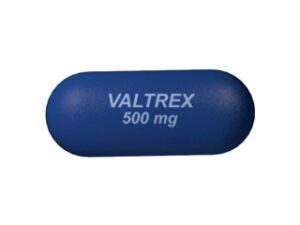
- Common brand name: Valtrex (may vary)
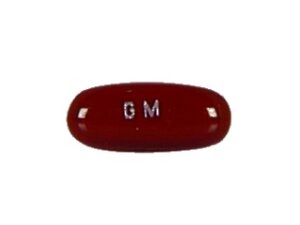
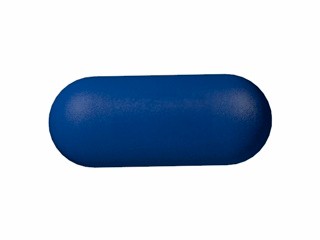
- Common forms: Tablets (strengths may vary by product)
- Where it’s used: Herpes simplex (cold sores/genital herpes), shingles (herpes zoster), and sometimes prevention of recurrence
How valacyclovir works (mechanism of action)
Valacyclovir is a prodrug, meaning it is converted in the body into the active antiviral form, acyclovir.
Once converted, acyclovir works by interfering with the virus’s ability to multiply:
- Acyclovir is taken up by infected cells more effectively than by uninfected cells.
- Inside the cell, it is converted to an active triphosphate form.
- This active form inhibits viral DNA polymerase, the enzyme the virus uses to copy its genetic material.
- The result is a reduction in viral replication, which can shorten outbreaks and help relieve symptoms.
Valacyclovir does not “cure” herpes viruses permanently; the viruses can remain inactive in the body. However, antivirals can reduce severity, shorten duration, and lower the risk of recurrence when taken appropriately.
Pharmacokinetics (how the body handles it)
Understanding the medicine’s journey can help you take it correctly.
- Absorption: Valacyclovir is absorbed efficiently after oral dosing.
- Conversion: The liver and intestinal tissues convert valacyclovir to acyclovir.
- Distribution: Acyclovir distributes into body tissues where herpes viruses can be present.
- Elimination: Acyclovir is primarily cleared by the kidneys (renal excretion).
- Half-life: The elimination half-life of acyclovir is typically around a few hours (exact values can vary by patient factors).
- Renal function matters: Because clearance is mainly renal, dosing may need adjustment in people with reduced kidney function.
Practical implication: If you have kidney problems, dehydration, or are older, you should take extra care with hydration and dosing guidance.
Typical uses in the UK
Valacyclovir is commonly used for herpesvirus infections, including:
- Cold sores (herpes simplex labialis): To treat outbreaks and reduce symptom duration, especially when started early.
- Genital herpes (herpes simplex):
- Treatment of an active episode
- Prevention of recurrences (suppression) in people who have frequent outbreaks
- Reducing the risk of transmission to a partner in selected circumstances (discussed with clinician guidance)
- Shingles (herpes zoster): Particularly effective when started soon after the rash appears.
Your exact indication and regimen depend on the virus type, severity, and whether it is treatment of an outbreak or prevention.
Timing: when to take it for best results
Timing can strongly affect how well antivirals work.
- Cold sores: Start as early as possible, ideally at the first signs (tingling, itching, burning) or within the first day of the outbreak.
- Genital herpes: Start promptly at the beginning of symptoms, especially for the first episode or if symptoms are severe.
- Shingles: Start early—commonly within 72 hours of rash onset—for greatest benefit. Even if slightly later, your clinician may still advise treatment in some cases.
Missed dose: Take it when you remember unless it’s close to the next dose. Do not double doses unless instructed.
Food interactions and taking with meals
Valacyclovir can generally be taken with or without food. Food does not typically prevent its effectiveness.
- If tablets upset your stomach, taking them with meals may help.
- Drink adequate fluids throughout the day unless you’ve been told to restrict fluids for medical reasons.
Tip: Try to keep to a consistent schedule to maintain antiviral levels, especially when taking it several times a day.
Alcohol and medicine interactions
Alcohol: There is no specific direct interaction that is commonly highlighted for valacyclovir and alcohol. However, alcohol can:
- Worsen dehydration (which can be relevant because acyclovir is cleared through the kidneys)
- Reduce sleep quality and immune function
- Increase the likelihood of side effects such as dizziness or feeling unwell
General advice: If you are unwell with an outbreak, consider limiting or avoiding alcohol. If you do drink, ensure you stay well hydrated.
Other medicine interactions: Valacyclovir is cleared by the kidneys, so some medicines that also affect kidney function may increase risk of side effects. Notable examples may include:
- Other medicines that affect kidney function or blood flow to the kidneys
- Nephrotoxic medicines (medicines known to affect the kidneys)
- Medicines that affect renal clearance
- Probenecid (can reduce clearance of acyclovir)
- Cimetidine (may influence levels in some cases)
This is not an exhaustive list. Always tell your pharmacist about all medicines and supplements you use, including over-the-counter products.
Indications and recommended dosing (general information)
Dosing depends on the infection type, whether it is initial treatment or suppression, and your kidney function. Below are typical dosing patterns used in many UK regimens; your personal dose may differ.
Kidney disease: If you have reduced kidney function, doses and frequency often need adjustment. Do not self-adjust if you have kidney impairment.
| Condition / Purpose | Typical dosing approach (adults) | Key timing notes |
|---|---|---|
| Cold sores (herpes simplex labialis) | Often taken twice daily for a short course (regimen varies by product/strength) | Start at first tingling/itching or within 24 hours of symptoms for best results |
| Genital herpes – treatment of an episode | Usually taken twice daily or three times daily for a defined course depending on severity and whether it’s first episode | Begin as early as possible when symptoms start |
| Genital herpes – suppression (prevention of recurrences) | Often once daily or twice daily long-term (dose may depend on outbreak frequency) | Taken consistently to help reduce how often outbreaks occur |
| Shingles (herpes zoster) | Commonly three times daily for about 7 days (varies by regimen) | Start within 72 hours of rash onset for greatest benefit |
Children and teenagers: Valacyclovir dosing for paediatric use differs by age and indication. Use should follow clinician instructions and the specific product guidance.
Safety profile: who should take care
Valacyclovir is generally well tolerated for many people when taken as directed. However, there are important safety considerations.
Common side effects
- Headache
- Nausea
- Abdominal discomfort
- Dizziness
Less common but important effects
- Kidney-related issues: Rarely, problems such as kidney injury may occur, particularly in people who are dehydrated or have pre-existing kidney disease.
- Neurological symptoms: In rare cases, confusion or hallucinations may occur, especially with higher doses, kidney impairment, or dehydration.
Allergy warning
Seek urgent medical help if you develop signs of an allergic reaction, such as:
- Swelling of the face, lips, tongue, or throat
- Breathing difficulties
- Severe rash or widespread hives
When to speak to a pharmacist/clinician promptly
- You have kidney disease or reduced kidney function
- You are elderly or prone to dehydration
- You are taking other medicines that may affect the kidneys
- You are immunocompromised (for example, some long-term conditions or immune-suppressing medicines)
Practical use tips (to get the most benefit)
- Start early: Treatment is most effective when started at the earliest signs of an outbreak.
- Stay hydrated: Drink adequate fluids, unless you’ve been advised to restrict fluids.
- Keep the schedule: Try not to miss doses, especially during shingles or first episodes of genital herpes.
- Don’t share or re-use: Only use the prescribed medication for your condition.
- Use barrier protection when relevant: For genital herpes, condoms can reduce transmission risk, though they do not eliminate it completely.
- Avoid skin contact during outbreaks: If you have active lesions, minimise contact that could transmit the virus.
During shingles: Covering the rash where possible can help reduce contact transmission, and avoiding contact with people who are pregnant, immunocompromised, or not immune to chickenpox may be recommended.
Alternative options for herpesvirus infections
Depending on the condition, other antiviral treatments may be considered. Alternatives often include:
- Acyclovir: An antiviral used for herpes infections; may be taken more frequently than valacyclovir.
- Famciclovir: Another antiviral prodrug option for similar indications.
- Topical treatments: For certain cold sore situations, topical antiviral creams may be considered, though oral antivirals are typically more effective for many people.
- Supportive care: Pain relief, soothing measures, and skin care can help manage symptoms alongside antivirals.
Your best option depends on your medical history, kidney function, outbreak patterns, and the specific infection. A pharmacist can advise on which alternative may be more suitable.
UK market and legal context (overview)
In the United Kingdom, access to medicines like valacyclovir can vary depending on strength, formulation, and whether a clinician’s assessment is required under current regulations. Many services provide medicines after an appropriate review of your symptoms and medical history. Always ensure you purchase from a reputable UK-registered online pharmacy.
Safety and authenticity: Use recognised providers, check product packaging and expiry dates, and never buy medicines from unverified websites or marketplaces.
Recent guidance and best-practice considerations
Clinical recommendations for herpesvirus infections often emphasise a few consistent principles:
- Early initiation of treatment improves symptom control (especially for shingles and cold sores).
- Renal function review is important because antivirals are cleared by the kidneys.
- Appropriate dosing is needed for treatment versus prevention (suppression).
- Patient education about transmission risk reduction strategies is recommended, particularly for genital herpes.
Guidance may be updated over time by professional bodies and regulators. Your healthcare professional can provide the most current advice relevant to your circumstances.
Delivery and availability (UK online pharmacy)
Availability of valacyclovir tablets can depend on stock and the required strength. Many UK pharmacies offer:
- Home delivery (tracked or standard options)
- Secure packaging discreetly delivered
- Timescales that vary by location and service level
What to check before ordering:
- Correct product strength and tablet count
- Expiry date on the outer packaging
- Any delivery requirements (for example, signature/ID policies where applicable)
If you need your medicine urgently (for example, shingles starting within the 72-hour window), choose an option that gives you the fastest dispatch time and delivery route. Contact customer support if you have concerns.
Frequently Asked Questions (FAQ)
1) Is valacyclovir the same as acyclovir?
Valacyclovir is converted into acyclovir in the body. Because valacyclovir is a prodrug, it can produce higher and more convenient blood levels from oral dosing.
2) How quickly will I feel better?
Some people notice improvement within a day or two, especially if started early. However, healing of lesions—particularly in shingles—can take longer. Complete symptom resolution varies between individuals.
3) Can I take valacyclovir if I have kidney problems?
Many people with kidney impairment can still take antivirals, but dose adjustment is often necessary. Make sure you have discussed your kidney function with a pharmacist or clinician.
4) Does valacyclovir prevent outbreaks completely?
For some people, suppressive treatment can significantly reduce the number and severity of recurrences. However, breakthrough outbreaks can still occur. Consistent dosing as advised can improve outcomes.
5) Will valacyclovir stop me transmitting herpes?
Valacyclovir can help reduce viral shedding and the frequency of outbreaks, which may lower transmission risk. Transmission risk is not zero. Barrier methods (such as condoms) and avoiding sex during symptoms or prodrome (tingling/burning) are still important.
6) Can I drink alcohol while taking it?
There is no widely recognised direct interaction, but alcohol can increase dehydration and worsen how you feel. If you choose to drink, do so in moderation and keep well hydrated.
7) What should I do if I miss a dose?
Take it as soon as you remember, unless it’s close to the next dose. Do not take an extra dose to “catch up” unless advised.
8) Are there any lifestyle measures that help?
Yes. For many people, outbreaks can be influenced by stress, fatigue, illness, and sometimes sun exposure (for cold sores). Keeping good sleep, managing stress, and protecting skin can help reduce triggers.
9) What symptoms mean I should seek urgent help?
Get urgent medical attention if you develop signs of allergy (swelling, breathing difficulty), severe rash, confusion, unusual agitation, severe headache, or signs of dehydration (such as very dark urine and dizziness).
10) Are there alternatives if valacyclovir doesn’t suit me?
Depending on your condition, other antivirals such as acyclovir or famciclovir may be considered, along with supportive treatments. A pharmacist can discuss options based on your health profile.
Summary
Valacyclovir is an effective oral antiviral medicine for herpes-related conditions such as cold sores, genital herpes, and shingles. It works by stopping the virus from multiplying after it is converted into acyclovir in your body. For best results, start treatment as early as possible and follow dosing instructions carefully—especially if you have kidney issues. Staying well hydrated and discussing all medicines you take can help reduce the risk of side effects.