
Amlodipine (UK) — Patient Information
Amlodipine is a widely used medicine for high blood pressure and certain types of chest pain. This guide explains what it does, how it works in the body, typical uses, how to take it, and important safety information. It is written for patients in the United Kingdom and aims to be clear and practical.
Quick overview
- Medicine name: Amlodipine
- Common uses: High blood pressure, angina (chest pain)
- How it works: A calcium channel blocker that relaxes blood vessels
- Typical dosing frequency: Usually once daily
- Common side effects: Swollen ankles/feet, flushing, headache, tiredness
- Key practical tip: Take it at the same time each day to help you remember
Basic product information
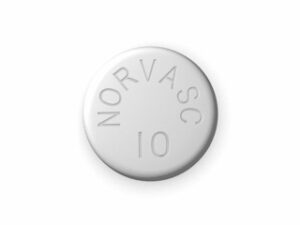
Amlodipine is available in different strengths, depending on the product brand and tablet formulation. In the UK, you may see amlodipine as tablets (for example, 5 mg or 10 mg), and some products may be branded or generics.
Medicine group: Calcium channel blocker (specifically, a dihydropyridine).
Who it is for: Adults who need help controlling blood pressure and/or preventing certain forms of angina.
How amlodipine works (mechanism of action)
Amlodipine belongs to the calcium channel blocker family. It works mainly by blocking calcium entry into the muscle cells that make up the blood vessel walls (and to a lesser extent the heart).
When calcium entry is reduced, the blood vessels relax and widen. This leads to:
- Lower blood pressure (less resistance against which the heart pumps)
- Improved blood flow to the heart muscle
- Reduced frequency of angina attacks in people who have them
Amlodipine is not an immediate “rescue” medicine for sudden chest pain. Instead, it helps prevent angina by improving blood flow over time.
Pharmacokinetics: how the body handles amlodipine
Pharmacokinetics describes what the body does to a medicine—how it is absorbed, distributed, metabolised and eliminated. Amlodipine has features that support once-daily dosing.
- Absorption: Amlodipine is absorbed from the gut after a tablet is swallowed.
- Onset: Improvement in blood pressure can be noticed over hours, while full effects build over days to weeks.
- Time to peak effect (Tmax): Peak blood levels typically occur around several hours after a dose.
- Half-life: Amlodipine has a relatively long half-life (often described as around 30–50 hours in clinical references), allowing once-daily dosing.
- Metabolism: It is extensively metabolised in the liver.
- Elimination: Metabolites are cleared primarily through the kidneys.
If you have liver problems, your doctor may recommend closer monitoring or a tailored starting dose, since metabolism may be affected.
Typical uses and indications (what it is used for)
In the UK, amlodipine is commonly used for:
- Hypertension (high blood pressure): To reduce blood pressure and lower the risk of related complications.
- Angina: Particularly stable angina (often to prevent chest pain) and sometimes other forms of chronic angina depending on individual circumstances.
It may be used alone or in combination with other blood pressure/heart medicines. Your regimen depends on your diagnosis and risk factors.
How and when to take amlodipine (timing)
Amlodipine is usually taken . Many people take it at the same time each day to help remember. Some prefer morning; others prefer evening—choose what best fits your routine.
- Choose a consistent time: e.g., 8 am or 8 pm.
- Swallow whole with water: Do not crush unless your specific product instructions allow it.
-
If you miss a dose:
- Take it as soon as you remember on the same day.
- If it is close to your next scheduled dose, skip the missed dose.
- Do not double up to make up for a missed tablet.
- Continue even when you feel well: Blood pressure control and angina prevention often require ongoing treatment.
If you are unsure about missed doses or switching timing, check the patient information leaflet for your specific brand, or speak to a healthcare professional.
Food interactions
Amlodipine is generally not significantly affected by food. You can usually take it with or without food.
To make taking easier and consistent, many people take it either:
- with a meal, or
- after waking (or in the evening) with a glass of water.
If you notice stomach upset or light-headedness around dosing, consider taking it with food and discuss persistent symptoms with a healthcare professional.
Alcohol and medicine interactions
Alcohol can increase the risk of dizziness or light-headedness when taking blood pressure medicines, including amlodipine. It may also worsen dehydration or cause falls in susceptible individuals.
- Best approach: Keep alcohol moderate and see how you feel.
- Be cautious: Especially when starting treatment or after dose changes.
- Avoid risky behaviour: Do not drive or operate machinery if you feel dizzy.
There are no universally required “complete alcohol bans” for amlodipine, but individual risk varies. If you have liver disease, heart failure, or low blood pressure symptoms, alcohol should be discussed with a clinician.
Medicine interactions (important)
Interactions are combinations that can change how medicines work or increase side effects. Many interactions can be managed safely, but it is important to consider your full list of treatments.
Common interaction themes with amlodipine:
- Other blood pressure medicines: Taking amlodipine together with other antihypertensives may increase the chance of low blood pressure (symptoms: dizziness, fainting).
- Simvastatin (dose-dependent): Some combinations can affect statin levels; your clinician may monitor for muscle-related symptoms.
- CYP3A4 inhibitors: Certain medicines can increase amlodipine levels, potentially raising the risk of side effects. Examples include some antifungals and certain antibiotics (the exact list can vary).
- CYP3A4 inducers: Some medicines may reduce amlodipine levels and make it less effective.
- Grapefruit: Grapefruit and grapefruit juice can increase exposure to amlodipine in some cases (a food interaction to be cautious with).
Always check your medicine list (including over-the-counter products and herbal supplements). Tell your pharmacist if you start or stop any medication, including:
- painkillers (especially if used regularly)
- antibiotics or antifungals
- antidepressants
- St John’s wort
- supplements
If you experience unusual symptoms (such as severe dizziness, fainting, pronounced swelling, or persistent pounding heartbeat), seek advice promptly.
Dosing: typical adult dosing and adjustments
Dosing depends on the condition being treated, your age, other medical problems, and how you respond. Below are general guidance ranges used in clinical practice; always follow the instructions on your specific product label.
| Condition | Typical starting dose (adults) | Common maintenance dose | Notes |
|---|---|---|---|
| Hypertension | 5 mg once daily | 5–10 mg once daily | Dose may be adjusted based on blood pressure response and tolerance. |
| Stable angina (prevention) | 5 mg once daily | 5–10 mg once daily | Used to help prevent chest pain; a separate “rescue” medicine may be needed for acute attacks. |
Special populations:
- Older adults: Often start at a lower dose (such as 2.5 mg) depending on individual risk and blood pressure.
- Liver impairment: Dose adjustments may be considered because the medicine is metabolised in the liver.
- Kidney impairment: Amlodipine is mainly metabolised by the liver; dosing may still be reviewed based on overall condition.
- Children: Use in children depends on specific indications and local guidance; dosing must be individually determined by a clinician.
Safety profile: side effects and what to watch for
Like all medicines, amlodipine can cause side effects. Many people experience none or only mild effects. Side effects often relate to blood vessel relaxation and fluid retention.
Common side effects
- Swollen ankles/feet (peripheral oedema): One of the most common effects.
- Flushing or feeling warm
- Headache
- Tiredness or sleepiness
- Dizziness (especially when standing up)
- Palpitations (awareness of heartbeat)
Tip: If ankle swelling is mild, it may still be manageable, but it should be discussed— especially if it worsens over time or affects one side more than the other.
Less common but important side effects
- Gum overgrowth (gingival hyperplasia) — more likely with long-term use; good oral hygiene helps.
- Rash or itching
- Nausea or abdominal discomfort
Seek urgent medical help if
- Fainting or severe dizziness
- Severe allergic reaction (swelling of face/lips, breathing difficulty, severe rash)
- Chest pain that is worsening or new (especially if different from your usual pattern)
- Very rapid heartbeat with feeling unwell
Practical use tips (making treatment easier)
- Monitor your blood pressure: If you have a home monitor, track readings as advised. Bring results to appointments.
-
Manage ankle swelling:
- Try keeping active (gentle walking)
- Elevate legs when resting
- Discuss dose changes or combining with other medicines if swelling becomes troublesome
- Oral care matters: If you notice gum changes, maintain regular brushing and dental check-ups.
- Be careful with position changes: When you stand up, do it slowly—especially if you feel light-headed.
- Don’t stop suddenly: Stopping blood pressure control can increase risk. If you have concerns, seek advice before changing.
Missed doses and what to do
If you miss a dose, take it when you remember on the same day. If it is almost time for your next dose, skip the missed tablet and continue as normal. Do not take two doses at once.
If you have missed several doses, contact a healthcare professional/pharmacist for guidance. This is especially important if you take amlodipine for angina prevention.
Alternatives to amlodipine
There are other medicines that doctors may use for high blood pressure or angina. Choice depends on your health profile and symptoms. Possible alternatives include:
- Other calcium channel blockers: Such as diltiazem or verapamil (different effects and monitoring needs).
- ACE inhibitors: e.g., ramipril or lisinopril.
- Angiotensin receptor blockers (ARBs): e.g., losartan or candesartan.
- Thiazide-like diuretics: e.g., indapamide or hydrochlorothiazide.
- Beta-blockers: e.g., bisoprolol or atenolol, sometimes used for angina.
- Nitrates and other anti-anginal medicines: for immediate symptom relief or prevention depending on the diagnosis.
If amlodipine does not suit you due to side effects or not enough blood pressure control, your clinician may consider adjusting the dose or switching to another option.
UK market and legal context
In the United Kingdom, amlodipine is a medicinal product that is supplied under UK medicines regulations. Availability can vary by brand, strength, and formulation. Medicines are distributed through licensed wholesalers and pharmacies.
Online pharmacy services in the UK must operate within legal frameworks for supplying medicines, including appropriate checks and compliance with UK regulations. Your local pharmacy’s ordering and delivery terms apply.
Product availability may depend on:
- specific brand/strength
- manufacturer stock levels
- national supply chain conditions
- any formulary or prescribing arrangements in place
Recent guidance and monitoring considerations (UK)
Clinical guidance in the UK for blood pressure and angina continues to evolve as new evidence emerges. In general, the approach includes:
- Regular blood pressure reviews and adjustment to achieve target levels suitable for the individual.
- Ongoing review of side effects, particularly ankle swelling and symptoms of low blood pressure.
- Cardiovascular risk reduction: medicines are often part of a broader plan that may include smoking cessation, diet, exercise and cholesterol management.
- Liver and drug interaction checks when relevant.
If you are newly started on amlodipine, it is common to have follow-up to ensure your blood pressure is responding and you tolerate it well.
Delivery and availability in the UK
Availability depends on the specific strength and brand you order. Most commonly, amlodipine tablets in common strengths are stocked through UK supply chains. If a product is temporarily out of stock, pharmacies may offer alternative brands of the same strength or comparable options where appropriate.
For online orders, typical delivery timelines can vary by location and dispatch cut-off times. Always check the website’s delivery information and any estimated delivery windows shown at checkout.
- Packaging: Medicines are usually delivered in tamper-evident packaging.
- Cold chain: Amlodipine tablets typically do not require refrigeration.
- Identity checks: Some services may require age or identity verification depending on service rules.
If you need the medicine urgently, contact customer support to ask about the fastest delivery option available.
Can I take amlodipine long term?
For many people with high blood pressure or chronic angina prevention, amlodipine is taken long term. Long-term use should be reviewed periodically by a healthcare professional to ensure continued benefit and to monitor side effects.
Review is especially important if you develop new symptoms, start other medications, or experience worsening swelling, dizziness, or fatigue.
FAQ
1) What is amlodipine used for?
Amlodipine is used to treat high blood pressure and to help prevent angina (chest pain) by improving blood flow to the heart.
2) How fast does amlodipine work?
Some effects may be noticed within hours, but the full blood-pressure and angina prevention benefits usually develop over days to weeks. If symptoms persist, speak to a healthcare professional for review.
3) Should I take it in the morning or evening?
You can usually take it once daily at either time of day. Many people choose the time that helps them remember and fits with daily routines.
4) Can I take amlodipine with food?
Yes. Amlodipine is generally safe to take with or without food.
5) Does grapefruit interact with amlodipine?
Grapefruit products may increase amlodipine exposure in some people. If you want to include grapefruit or grapefruit juice, discuss it with a pharmacist, particularly if you have side effects.
6) Is alcohol safe with amlodipine?
Moderate alcohol is usually possible, but it can increase the chance of dizziness or low blood pressure. Be cautious, especially when starting or after dose changes.
7) What are the most common side effects?
The most common side effects include swollen ankles/feet, flushing, headache, and tiredness.
8) Why do my ankles swell?
Amlodipine can cause fluid to collect in the lower legs, leading to swelling. If it is bothersome or increasing, contact your healthcare professional—dose adjustment or a different combination may help.
9) What should I do if I miss a dose?
Take it when you remember on the same day. If it is close to the next dose, skip the missed one. Do not take a double dose.
10) Can I stop amlodipine suddenly?
It is generally not advisable to stop suddenly without advice, because blood pressure may rise and angina prevention may be affected. If you have concerns, speak to a healthcare professional about the safest plan.
Important information to remember
- Take amlodipine once daily and keep to a consistent schedule.
- Track any side effects—especially ankle swelling and dizziness.
- Let your pharmacist know about all medicines and supplements you take.
- Seek urgent help for signs of allergy, fainting, or severe worsening of chest pain.