
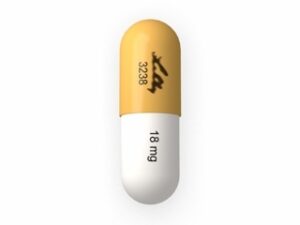
Atomoxetine — Patient-Friendly Guide (UK)
Atomoxetine is a prescription medicine used to treat symptoms of attention deficit hyperactivity disorder (ADHD) in children, adolescents and adults. It works differently from stimulant medicines and may be suitable for some people who cannot take stimulants or for whom stimulants are not the best fit.
This guide explains how atomoxetine works, how the body handles it, what it’s used for, how it’s usually taken, and important safety information—written in clear, practical language for readers in the United Kingdom.
1. Basic product information
- Generic name: Atomoxetine (often as atomoxetine hydrochloride)
- Typical form: Capsules (strengths vary by product)
- Common uses: ADHD (attention deficit hyperactivity disorder)
- Also known as: Depending on brand, the same active ingredient may appear under different names
- Controlled medicine status (UK): Atomoxetine is a non-stimulant ADHD medicine, not generally classified like stimulant controlled substances; however, it is still a prescription medicine and must be handled according to UK pharmacy and legal requirements.
Important: Brand names and capsule strengths differ. Always confirm you are taking the exact product and dose your clinician has advised.
2. How atomoxetine works (mechanism of action)
Atomoxetine is a selective inhibitor of norepinephrine reuptake in the brain. In simple terms, it helps increase levels of a chemical called norepinephrine by slowing its reabsorption. This can improve attention, impulse control, and behavioural regulation—core areas affected by ADHD.
Atomoxetine is considered non-stimulant. It does not work in the same way as medicines such as methylphenidate or lisdexamfetamine, and it may have a different onset profile.
- Primary action: Selective inhibition of norepinephrine reuptake
- Effect: Improved attention and control of impulsive behaviours
- Typical onset: Gradual improvement over days to weeks (often not immediate like some stimulants)
3. Pharmacokinetics — what the body does to atomoxetine
Understanding how atomoxetine is absorbed and processed can help you take it reliably and recognise typical timing. Individual results vary, but the following describes common pharmacokinetic characteristics:
Absorption
Atomoxetine is generally absorbed from the gastrointestinal tract and becomes available to the bloodstream after dosing. Food can affect absorption speed in some people, but most people can take it consistently with or without food (see the food section below for practical guidance).
Distribution
Once in the bloodstream, atomoxetine distributes into body tissues. The medicine is significantly protein-bound.
Metabolism
Atomoxetine is mainly metabolised in the liver by the enzyme system CYP2D6. People who have reduced CYP2D6 activity (often called poor metabolisers) may experience higher drug levels, which can increase the likelihood of side effects. Conversely, those with normal or faster metabolism may clear it more quickly.
Elimination
Atomoxetine and its metabolites leave the body primarily through metabolism and subsequent excretion. The duration of effect depends on the dose, individual metabolism, and treatment regimen.
Half-life (practical meaning)
Atomoxetine has an elimination half-life that commonly supports once-daily or divided dosing schedules depending on the total daily dose and the person’s needs. Clinicians may adjust timing to match daily symptom patterns.
4. Typical use and indications (what it is for)
Atomoxetine is used for the treatment of ADHD in:
- Children: typically from a specified minimum age depending on UK prescribing practice and product licence
- Adolescents
- Adults
Atomoxetine is intended for people whose ADHD symptoms significantly affect functioning at home, school, or work. It may be used as part of a broader management plan that can include education support, behavioural strategies, and lifestyle measures.
When might atomoxetine be chosen?
- When a non-stimulant option is preferred
- When stimulant medicines are not suitable or do not work well
- When there is a need for symptom coverage that supports day-to-day functioning
- When clinicians consider the individual risk–benefit profile
5. Timing and how to take atomoxetine
Atomoxetine is usually taken at the same time(s) each day to maintain steady levels and improve consistency. A clinician may recommend either once-daily dosing or a split dose depending on:
- Your age and body weight (especially in children)
- Your total prescribed daily dose
- How you respond and whether you experience side effects
- Symptom timing (e.g., morning focus vs late-day behaviour)
Common timing patterns
- Once daily: Often taken in the morning. Some people may be advised to take it later in the day depending on sleep and side effects.
- Twice daily (split dosing): Often taken in the morning and early evening to cover daytime symptoms while reducing sleep disruption.
Tip: Pick a routine time linked to daily habits (e.g., breakfast) to reduce missed doses. If you are unsure about your schedule, check the specific instructions on your product label.
What to do if you miss a dose
If you miss a dose, the usual approach is to take it when you remember unless it is close to the time of the next dose. Do not take a double dose to make up for a missed one. If you are uncertain, ask a pharmacist for advice.
6. Food interactions — can you take atomoxetine with meals?
Atomoxetine can generally be taken with or without food. Food may influence the speed of absorption for some people. The most important factor is consistency—taking it the same way each day.
- If you prefer taking it with food, keep doing so at each dose.
- If you prefer taking it on an empty stomach, maintain that routine.
- If you notice nausea or stomach upset, taking it with food may help.
Practical advice: If taking it makes you feel drowsy or affects appetite, discuss timing or dose adjustments with your clinician.
7. Alcohol interactions and other medicine interactions
Alcohol
There is no single “safe” amount of alcohol that applies to everyone taking atomoxetine. Because atomoxetine affects the brain’s chemical signalling and can cause side effects such as dizziness or tiredness in some people, alcohol may:
- Increase drowsiness or impair concentration
- Worsen sleep quality
- Increase feelings of light-headedness
- Potentially increase the chance of mood-related side effects in susceptible individuals
Recommendation: If you choose to drink, keep alcohol intake modest and avoid binge drinking. Pay attention to how you feel the next day. If you experience worsening side effects, avoid alcohol and speak to a healthcare professional.
Interactions with other medicines
Atomoxetine metabolism involves CYP2D6. Drugs that inhibit CYP2D6 can raise atomoxetine blood levels, increasing the risk of side effects. Drugs that strongly influence neurotransmitters may also require careful review.
Tell your pharmacist or clinician about all medicines you take, including:
- Antidepressants (including some SSRIs and others)
- Antipsychotics
- Stimulants or other ADHD medicines
- Medicines for heart rhythm problems
- Cough/cold preparations or herbal supplements
- Any strong CYP2D6 inhibitors or “enzyme” affecting medicines
In addition, because atomoxetine can affect heart rate and blood pressure in some people, clinicians may monitor cardiovascular status if you take medicines that also influence blood pressure or heart rate.
Do not start or stop other medicines (including over-the-counter products) without advice, especially antidepressants.
8. Dosing — typical approach in the UK
Dosing of atomoxetine is individualised. Clinicians generally start at a lower dose and adjust gradually based on: response, tolerability, age, weight (children and adolescents), and side effects.
General dosing principles
- Start low, go slow: The initial dose is often lower to reduce side effects.
- Titrate: Dose may be increased over time if symptoms are not adequately controlled.
- Daily total matters: Whether once or twice daily, ensure you take the prescribed total amount.
- Monitor: Blood pressure, heart rate, appetite/weight, and emotional wellbeing may be checked.
Usual adult dosing (overview)
Many adults begin with a modest daily dose and may reach an effective maintenance dose after gradual adjustments. Your prescriber will specify the exact dose and schedule on your product instructions.
Children and adolescents (overview)
For younger people, dose is often based on body weight and adjusted carefully to balance effectiveness with side effects. Growth and appetite are important considerations, so monitoring is commonly part of care.
Important: Do not adjust the dose yourself. If you feel the medicine is not working, or side effects are troubling, speak to a clinician for dose review.
9. Safety profile — what to watch for
Like all medicines, atomoxetine can cause side effects. Many people experience mild or manageable effects, particularly early in treatment, but some effects require prompt medical attention.
Common side effects
- Reduced appetite (and possible weight loss, especially in children)
- Dry mouth
- Nausea, stomach discomfort
- Sleep problems (may be insomnia or, less commonly, sleepiness)
- Headache
- Tiredness or dizziness
- Increased heart rate and/or changes in blood pressure
- Mood changes such as irritability
Serious or urgent warning signs
Seek urgent medical advice (or emergency help if severe) if you notice:
- Signs of liver problems: yellowing of skin/eyes, dark urine, unusual fatigue, abdominal pain
- Allergic reactions: swelling of face/lips, breathing difficulties, widespread rash
- Severe chest pain, fainting, or significant palpitations
- Severe mood changes or thoughts of self-harm
- Unexplained bruising or bleeding (rare)
- Rashes accompanied by fever or feeling unwell (rare)
Children, adolescents and growth monitoring
Because atomoxetine may affect appetite, clinicians commonly monitor height/weight and nutritional intake during treatment. This is especially important during growth spurts.
10. Practical use tips (making treatment easier)
- Use a routine: Take atomoxetine at the same time(s) daily. A phone reminder can help.
- Track response: Note changes in concentration, impulsivity, school/work performance, sleep, and appetite for the first few weeks.
- Plan meals: If appetite drops, schedule calorie-containing meals earlier in the day or at times when appetite is better.
- Monitor sleep: If insomnia occurs, avoid late dosing if your prescribed regimen allows it and discuss timing with your clinician.
- Hydration helps: Dry mouth can be improved with regular drinks, sugar-free sweets, and good oral hygiene.
- Be consistent with food: Take it with or without food, but keep it consistent.
- Don’t stop abruptly without advice: If you need to stop or change treatment, discuss it with a healthcare professional.
11. Alternative options for ADHD in the UK
ADHD treatment is individual. Atomoxetine is one option among several. Alternatives may include:
Non-stimulant medicines
- Guanfacine (in some cases, depending on age and availability of formulations)
- Other non-stimulant strategies guided by local clinical practice
Stimulant medicines
- Methylphenidate products
- Lisdexamfetamine and other amphetamine-based options where clinically appropriate
Non-medicine approaches
- Behavioural strategies and parent/teacher support
- ADHD coaching and routine-building
- Sleep hygiene and screen-time planning
- School accommodations and structured environments
If you’re considering a switch or want alternatives, talk with your clinician about suitability, monitoring needs, and expected benefits. Atomoxetine’s onset can be slower than some stimulants, so “time to effect” is an important consideration.
12. UK market, legal and clinical context
In the United Kingdom, ADHD is assessed and managed using clinical guidelines and local prescribing pathways. Atomoxetine is widely used as a non-stimulant option and may be considered when stimulants are not appropriate or when an alternative approach is needed.
Prescribing decisions in the UK take account of:
- Age-related indication and product licence details
- Cardiovascular and mental health history
- Potential medicine interactions (including CYP2D6-related interactions)
- Benefit vs risk for the individual
- Monitoring requirements (e.g., blood pressure, pulse, weight/appetite, mood)
Recent guidance (high-level)
UK ADHD care continues to evolve, with ongoing emphasis on:
- Structured assessment and diagnosis
- Shared decision-making with patients and families
- Careful monitoring for side effects
- Reviewing treatment regularly to ensure continued benefit
- Considering non-medicine support alongside medicines
Your local clinician and pharmacy team can provide information aligned with current NHS and specialist service practices.
13. Delivery and availability (online pharmacy)
Availability and delivery options can vary by supplier. In the UK, atomoxetine capsules are typically stocked through licensed pharmaceutical supply chains and distributed according to cold-chain requirements (if any—atomoxetine is generally stable under normal conditions, but follow product storage instructions).
What to expect
- Order processing: Orders may require verification before dispatch.
- Dispatch times: Delivery timelines vary depending on stock availability and courier service.
- Packaging: Medicines are commonly delivered in secure packaging to protect the product and maintain traceability.
- Storage: Store capsules as directed on the label (often at room temperature, away from moisture and heat).
If you have specific delivery requirements, such as needing a consistent delivery day, contact the pharmacy’s support team.
14. Summary table — key facts at a glance
| Topic | What to know |
|---|---|
| What is atomoxetine? | A non-stimulant medicine used to treat ADHD symptoms. |
| How it works | Selective inhibition of norepinephrine reuptake to support attention and impulse control. |
| Onset | Usually gradual improvement over days to weeks; not typically immediate like some stimulants. |
| How it’s taken | Usually once daily or split dosing (morning and/or early evening) based on your regimen. |
| Food | Can usually be taken with or without food; consistency is key. |
| Metabolism | Mainly via CYP2D6 in the liver; interactions can affect levels. |
| Alcohol | Not recommended to mix casually; alcohol may worsen dizziness, sleep and concentration. |
| Common side effects | Reduced appetite, dry mouth, nausea, sleep changes, headache, tiredness/dizziness. |
| Monitoring | Heart rate/blood pressure, weight/appetite, and mental wellbeing may be reviewed. |
| Serious warnings | Seek urgent help for signs of allergic reaction, liver problems, severe mood changes, or significant cardiovascular symptoms. |
15. FAQ — Frequently asked questions
How long does atomoxetine take to work?
Many people notice some improvement within the first couple of weeks, but full benefit may take longer. Atomoxetine typically works gradually. If you don’t notice improvement early on, it doesn’t always mean it won’t work—your clinician may adjust the dose after an appropriate period.
Can I take atomoxetine with food?
Yes. Atomoxetine can generally be taken with or without food. Choose what suits you best and keep the routine consistent.
Will atomoxetine make me feel sleepy?
Some people feel tired or have changes in sleep. Others may feel more alert. If sleep problems occur, discuss whether timing adjustments are appropriate.
Does atomoxetine affect appetite or weight?
Reduced appetite is a commonly reported effect. Children and adolescents may require extra monitoring of growth and nutrition. Adults may also notice appetite changes. If appetite drops significantly, speak with a healthcare professional.
Can I drink alcohol while taking atomoxetine?
It’s best to limit alcohol and avoid heavy drinking, as alcohol may worsen dizziness, concentration, and sleep. If you choose to drink, monitor how you feel and avoid alcohol if it makes side effects worse.
What drug interactions should I watch for?
Atomoxetine may interact with medicines that affect CYP2D6 metabolism or that influence heart rate, blood pressure, or mood. Always provide your pharmacist with a full list of medicines, including over-the-counter products and herbal supplements.
What if I miss a dose?
Take it when you remember unless it is close to the next scheduled dose. Do not take a double dose. If you’re unsure, ask your pharmacist for advice.
Is atomoxetine safe for everyone?
Atomoxetine may not be suitable for everyone. People with certain liver conditions, significant cardiovascular issues, or particular mental health risks may need additional assessment. Your healthcare team will consider your history and monitoring needs.
Are there alternatives if atomoxetine isn’t right?
Yes. Depending on the person’s age, symptoms, and medical history, alternatives may include other non-stimulant options or stimulant medicines, alongside behavioural and educational support.
Where can I get more information in the UK?
Your pharmacist can provide product-specific guidance, including how to take your particular capsule strength and how to manage missed doses or side effects. You can also discuss concerns with your clinician during follow-up appointments.
Important note
This information is intended to help you understand atomoxetine and prepare questions for your healthcare team. It does not replace personalised medical advice. If you experience severe or worrying symptoms, seek medical attention promptly.